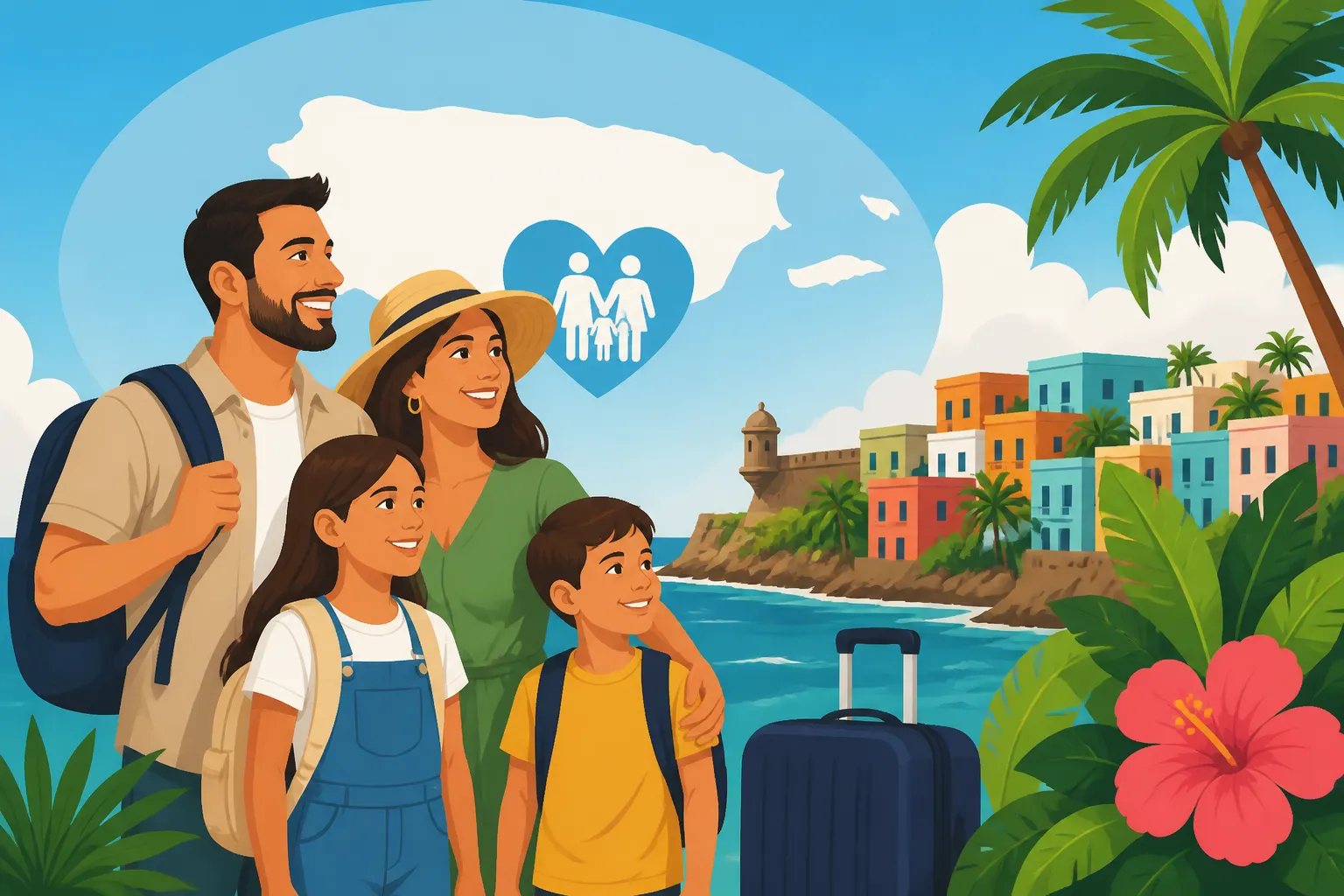
Can I Bring My Whole Family When I Relocate to Puerto Rico?
The thought of packing up your entire life and moving to a new place is daunting enough, but when you add the logistics of bringing your beloved family along – children, pets, perhaps even elderly parents – it can feel utterly overwhelming. You’re not just moving yourself; you’re uprooting an entire ecosystem of lives. This guide is here to walk you through exactly how you can successfully bring your whole family when you relocate to Puerto Rico, covering all the practical steps, potential hurdles, and essential resources to ensure a smooth transition for everyone.
The Good News: U.S. Citizenship Makes Family Moves Easier
One of the biggest reliefs for many contemplating a move to Puerto Rico is that, as a U.S. territory, the immigration hurdles typically associated with international relocation simply don’t exist for U.S. citizens and their immediate family members. This isn't like moving to a foreign country where you have to worry about visas, residency permits, or sponsoring family members through a complex immigration process. For most families, it’s more akin to moving between states on the mainland, just with a much nicer beach and often a more relaxed pace of life.
No Immigration Hassles for U.S. Citizens
If you and your family members are U.S. citizens, you can breathe a huge sigh of relief. You won't need any special visas or permits to live and work in Puerto Rico. This means no lengthy applications to a foreign government, no interviews at embassies, and no nail-biting waits to see if your family will be allowed to join you. Each U.S. citizen family member simply needs valid identification, such as a driver's license, state ID, or passport, along with their birth certificates and Social Security cards, as they would for any domestic move.
For children, this is particularly straightforward. Their U.S. birth certificates are generally sufficient for school enrollment and healthcare registration. While some bureaucratic processes might feel a bit slower or require more patience than you’re used to, the fundamental right to reside on the island is unequivocally yours. This eliminates a massive layer of stress that families moving to other countries often face, allowing you to focus on the practicalities of settling in rather than immigration anxiety.
Establishing Domicile Together as a Family
While no specific immigration process is required for U.S. citizens, establishing "bona fide residency" and domicile is crucial for various purposes, especially tax benefits like Act 60. When you move as a family, your intent to make Puerto Rico your permanent home extends to every member. This means showing that you all intend to live indefinitely on the island. For tax purposes, this is a very important distinction to make.
Proving a shared intent for residency involves several key actions. This might include enrolling your children in local schools, registering your vehicles on the island, changing your mailing address for all family members, updating voter registrations, and opening local bank accounts. These actions, collectively, demonstrate that Puerto Rico is not just a temporary stop but your family's new permanent home. You'll want to ensure that all these steps reflect a cohesive family move, not just an individual’s relocation. Every piece of documentation, from a child's school report card with a local address to a joint utility bill, builds a stronger case for your family's domicile. For a deeper dive into this, you might want to read more about How to Establish Domicile When You Move to Puerto Rico.
Key Considerations for Each Family Member
Moving with a family means addressing the unique needs and challenges of each individual, from your partner to your littlest ones, and even your beloved pets. It’s not a one-size-fits-all process, and thinking through these specifics beforehand will save you a lot of headaches down the line.
Spouses and Partners: Shared Journey, Shared Paperwork
Your spouse or partner is, of course, a critical part of this relocation. For U.S. citizens, the process is streamlined: they simply move with you. However, legally recognizing their presence and intent to reside in Puerto Rico is important for official matters. This involves ensuring their identification documents are up-to-date and that their presence on the island is reflected in various administrative tasks.
For instance, when applying for local services, driver’s licenses, or registering for healthcare, having joint documents like utility bills, lease agreements, or property deeds can be incredibly helpful in proving shared residency. If one spouse plans to work, they’ll need to ensure their professional licenses transfer (if applicable) and understand the local job market. Even if your spouse isn't immediately seeking employment, having their personal information updated with a Puerto Rico address is vital for things like voting, banking, and any personal legal matters. Remember, every piece of shared paperwork that shows a joint commitment to your new life in Puerto Rico strengthens your collective presence on the island.
Children: Schools, Healthcare, and Social Integration
Moving with children brings a whole new layer of considerations. Their education, health, and social well-being become paramount. Puerto Rico offers a range of schooling options, from public schools (which are taught primarily in Spanish) to private schools (many of which offer bilingual or English-only instruction) and even a growing number of charter schools. Researching these options before your move is crucial.
Enrolling your child in a Puerto Rico school will typically require their birth certificate, immunization records, academic transcripts from previous schools, and proof of residency. Be prepared for some variation in required documents depending on whether you choose a public or private institution. You can learn more about this process in our guide on How to Enroll Your Child in a Puerto Rico School. Beyond academics, thinking about their social integration is key. Encouraging language learning, finding local youth sports leagues, or community activities can help them settle in and make new friends.
Healthcare for children is another significant area. You’ll need to navigate the local health system, understand how to get health insurance that covers your family, and find a pediatrician. Having up-to-date vaccination records is non-negotiable for school enrollment and general health. For a comprehensive overview, check out Understanding Childhood Vaccination Requirements in Puerto Rico. Don’t underestimate the emotional toll a move can take on children, so providing extra support and involving them in the process (where age-appropriate) can make a world of difference.
Elderly Dependents: Navigating Support Systems
If you’re relocating with elderly parents or other dependent adults, their needs often present a unique set of challenges. Healthcare access is usually the primary concern. You'll need to understand how their existing Medicare or other health insurance plans translate to Puerto Rico, or explore new options. Medicare Advantage plans are widely available and popular on the island. Finding doctors, specialists, and understanding the local pharmacy system will be essential. This is a big one, so make sure to read The Complete Guide to Healthcare in Puerto Rico for New Residents (2027) carefully.
Beyond healthcare, consider the availability of senior services, accessibility of housing, and transportation. Does your loved one require specific medical equipment or home care? Researching local support networks, adult day care centers, or assisted living facilities in advance can provide peace of mind. Language barriers might also be a concern if your dependents do not speak Spanish, so identifying English-speaking care providers or support groups will be a priority.
Furry Family Members: Bringing Your Pets Along
Let’s not forget our four-legged (or scaled, or feathered) family members! Moving with pets requires careful planning, but it's generally a straightforward process for domestic moves from the U.S. mainland. The main requirements typically revolve around health certificates and vaccination records.
For dogs and cats, proof of current rabies vaccination is usually essential. A health certificate issued by a licensed veterinarian, confirming your pet is healthy and free of contagious diseases, is often required within a specific timeframe (e.g., 10 days) prior to travel. Different airlines might have specific carrier requirements, temperature restrictions, and booking procedures, so always check with your chosen airline well in advance. Puerto Rico is a tropical climate, so also consider how the heat and humidity might affect your pet, and be aware of common tropical parasites. For all the nitty-gritty details, our guide on How to Move Your Pets to Puerto Rico is an invaluable resource.
Practical Steps for a Smooth Family Relocation
Relocating your family to Puerto Rico involves a significant amount of coordination and planning. While the lack of immigration barriers for U.S. citizens makes it easier, the logistical side still demands meticulous attention. Here’s a breakdown of the practical steps to ensure a smoother transition for everyone.
Gathering Essential Documents
The mantra for any move, especially with a family, is "document, document, document." Before you even start packing boxes, create a master checklist of all crucial family documents and ensure they are easily accessible, preferably in a waterproof, fireproof, and easily transportable file. It’s a good idea to have both physical copies and digital backups stored securely in the cloud.
This includes, but is not limited to: birth certificates for all family members, marriage licenses (if applicable), Social Security cards, passports (even if not strictly required for entry, they are excellent forms of ID), driver's licenses, school transcripts and immunization records for children, medical records for all family members, pet vaccination records and health certificates, and any legal documents related to property, finances, or trusts. Having these readily available will be a lifesaver when enrolling kids in school, setting up utilities, applying for local IDs, or registering with healthcare providers. Don't forget copies of professional licenses if anyone plans to work on the island.
Here's a quick checklist for your family's essential documents:
| Document Type | For Whom? | Purpose | Notes |
|---|---|---|---|
| Birth Certificates | All Family Members | ID, School Enrollment, Government Services | Originals + Copies |
| Marriage Certificate | Spouses | Proving Relationship, Joint Accounts | Originals + Copies |
| Social Security Cards | All Family Members | ID, Employment, Taxes, Healthcare | Keep secure, only provide when absolutely necessary |
| Passports/State IDs | All Family Members | Primary ID, Travel, Proof of Citizenship | Even if not for entry, great for general ID |
| Driver's Licenses | Drivers | Driving, Local ID | Will need to transfer to PR license |
| School Transcripts | Children | School Enrollment | Official sealed copies from previous schools |
| Immunization Records | All Family Members | School, Healthcare Enrollment | Up-to-date and complete |
| Medical Records | All Family Members | New Doctors, Emergency Care, Prescription History | Summary of conditions, medications, recent tests |
| Pet Health Certificates | Pets | Entry Requirements, Veterinary Care | Within specific timeframe (e.g., 10 days) of travel |
| Legal/Financial Documents | Adults | Banking, Property, Wills, Trusts | Proof of funds, investment accounts, etc. |
| Professional Licenses | Working Adults | Employment on the island | May require local validation/transfer |
Logistics: Moving Your Whole Life (and Theirs!)
Moving an entire household, especially to an island, is a major undertaking. You’re not just packing clothes; you’re relocating furniture, appliances, cherished possessions, and potentially vehicles. This is where professional moving and shipping services become invaluable. Reputable companies that specialize in moves to Puerto Rico can handle everything from packing and customs declarations to transport and delivery.
Researching different shipping methods – full container, less-than-container load, air freight – is important, as costs and timelines can vary significantly. Some families opt to sell most of their belongings and start fresh, while others prefer to bring everything. If you decide to ship your car, be aware of the specific import requirements and costs involved, including registration and local taxes once it arrives. Platforms like Sirelo can be incredibly useful for comparing different moving companies and getting quotes for international (or rather, inter-territorial) relocations, helping you find the right fit for your family’s budget and needs. For more details on budgeting for this, you can check out How Much Does It Cost to Ship Belongings to Puerto Rico?. Remember, delays can happen, so build some buffer time into your schedule, especially when expecting delivery of household goods.
Healthcare: Ensuring Seamless Coverage
Ensuring your family has robust healthcare coverage from day one in Puerto Rico is not just smart planning; it's absolutely essential. The island has a dual healthcare system, with both public (Vital Plan) and private options. As new residents, understanding the nuances of these systems can be complex, and getting coverage set up can take a little time.
If you’re moving for employment, your employer might offer health insurance plans. Otherwise, you’ll need to explore private insurance options. Local insurers like Triple-S, MCS, and Humana are popular, offering a range of plans. Some expats find it beneficial to secure a global health insurance plan, such as those offered by Cigna Global, especially for the initial transition period or if they anticipate frequent travel off-island. These plans can provide comprehensive coverage and flexibility, though it's crucial to understand how they integrate with local providers. Regardless of your choice, make sure you understand the network, co-pays, deductibles, and whether pre-existing conditions are covered.
It’s advisable to have a plan for immediate needs upon arrival. What if someone gets sick before your new insurance kicks in? Research urgent care centers or clinics near your temporary or new home. For a complete understanding of your options, dive into our detailed guides on Health Insurance in Puerto Rico: Plans, Costs and Options Explained (2026) and How to Get Health Insurance When You Move to Puerto Rico. Don’t leave this to the last minute; proactive planning here will alleviate immense stress.
Building Your Family's New Life in Puerto Rico
Once the logistics of the move are underway, the real adventure begins: building your family’s new life on the island. This isn't just about finding a house; it's about finding a home, a community, and a rhythm that works for everyone.
Choosing the Right Community for Your Family
Selecting where to live is one of the most critical decisions when moving with a family. What constitutes the "right" community will vary based on your family's priorities: school quality, safety, access to amenities, proximity to work, and lifestyle preferences. Do you crave the vibrant energy of city life, the tranquility of a beachfront town, or the lushness of the mountains?
San Juan, particularly areas like Condado, Santurce, and Guaynabo, offers a more urban experience with excellent private schools, hospitals, and cultural attractions. Towns like Dorado are known for their gated communities and luxury amenities, often attracting families looking for a more resort-like feel. If a more laid-back, surf-centric vibe is what you're after, the western towns like Rincón and Aguadilla might be perfect, though school options might be more limited. For a more comprehensive look at different regions and what they offer, our guide on The Best Places to Live in Puerto Rico for Newcomers: A Complete Guide (2027) is a great starting point. Additionally, if you're focused on the capital area, How to Find Family-Friendly Neighborhoods in San Juan provides excellent insights. Take scouting trips if possible, and immerse yourselves in different areas to get a feel for what truly resonates with your family.
Embracing the Culture and Language
One of the most enriching aspects of moving to Puerto Rico is the opportunity to immerse your family in a vibrant new culture. While English is spoken in many tourist areas and by many professionals, Spanish is the dominant language of daily life, especially outside of San Juan's immediate tourist zones. For families, especially those with children, embracing the Spanish language can significantly enhance their experience and integration.
Encourage your children to learn Spanish – perhaps through immersion programs, tutoring, or simply by interacting with local kids. Many schools offer Spanish language classes, and it’s a skill that will serve them well throughout their lives. Beyond language, dive into the local culture: explore historical sites, learn about Puerto Rican music and dance, sample the incredible food, and participate in local festivals and traditions. This openness to experience will not only help your family adapt but also foster a deeper appreciation for your new home. For tips on navigating the language barrier, check out Learning and Working in Spanish in Puerto Rico: A Practical Guide.
Financial Planning for the Whole Crew
Moving an entire family also means meticulous financial planning. The cost of living in Puerto Rico can be comparable to or even higher than some parts of the mainland, especially for certain goods and services. You’ll need to budget not just for rent or mortgage, but for utilities (which can be pricey, especially electricity), groceries, transportation, healthcare premiums, and, of course, school tuition if you choose private education.
It's wise to have several months of living expenses saved up as a buffer while you get settled and adjust to your new income streams (if applicable). Understanding local banking, setting up accounts, and managing your finances will be critical. Research average salaries in your field if you plan to work, and factor in the costs of family activities, dining out, and exploring the island. Knowing what to expect financially will prevent unwelcome surprises and allow your family to enjoy their new surroundings without constant money worries. Our guide on The Complete Guide to Cost of Living in Puerto Rico (2026) can provide a detailed breakdown to help with your budgeting.
Disclaimer
The information provided in this guide is intended for general informational purposes only and does not constitute legal, financial, or professional advice. While we strive to offer accurate and up-to-date content, circumstances can vary, and regulations in Puerto Rico are subject to change. It is always recommended to consult with qualified local professionals, such as attorneys, tax advisors, real estate agents, and healthcare providers, for advice tailored to your specific situation. Reliance on any information provided in this guide is solely at your own risk.