Can I Open a Puerto Rico Bank Account as a New Resident?
Oh, the infamous Puerto Rico bank account quest! If you're new to the island, you've probably heard stories, or maybe you're already feeling that distinct blend of anticipation and administrative dread. Getting a bank account here as a fresh face can feel less like a straightforward transaction and more like an initiation ritual, complete with demanding documents and a healthy dose of patience. But don't you worry, my friend, because this guide is going to walk you through exactly what it takes, what to expect, and how you can successfully open a bank account as a new resident in Puerto Rico.
The Short Answer and The Reality: Can You Open a Bank Account?
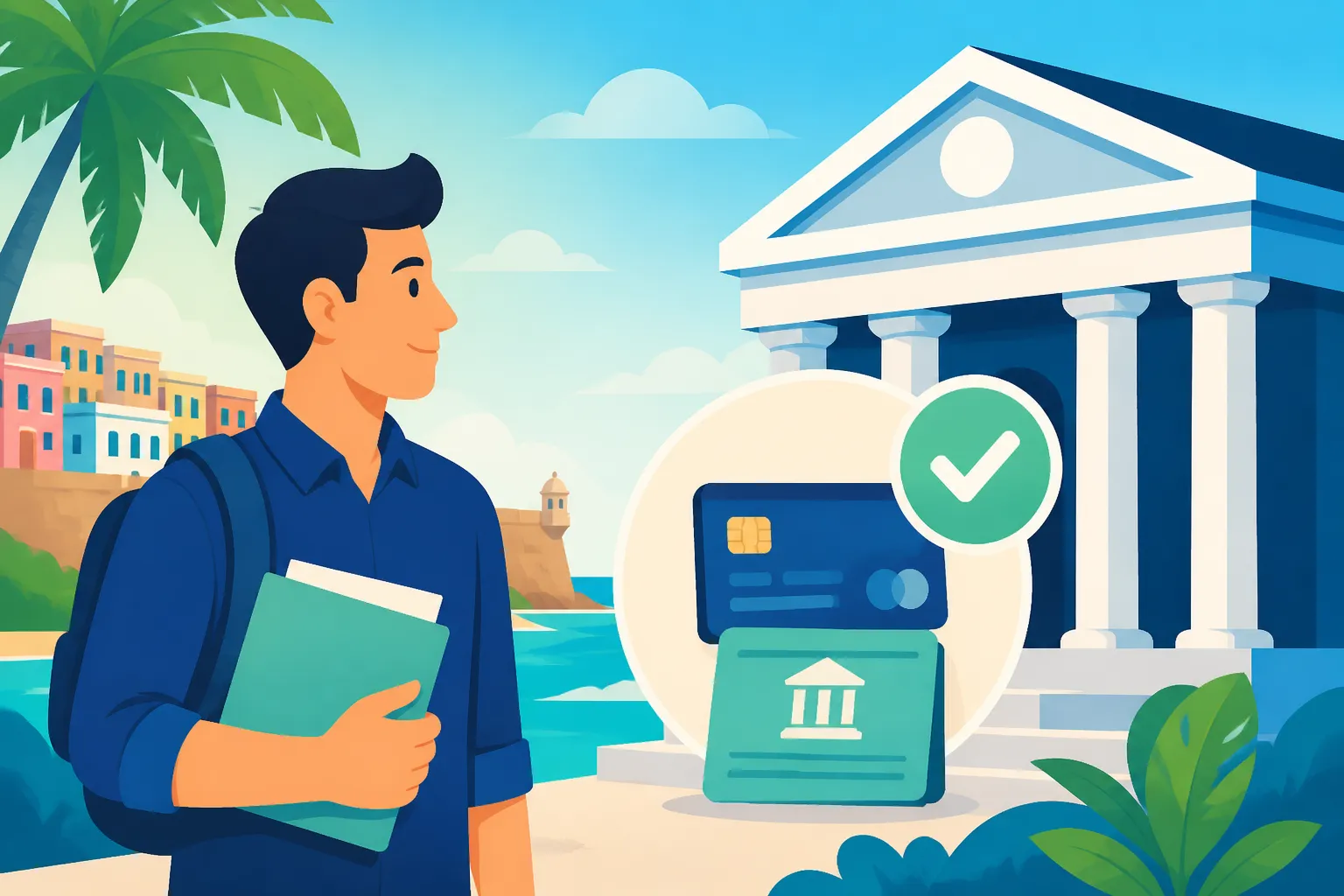
Let's cut right to it: yes, you absolutely can open a bank account in Puerto Rico as a new resident. However, if you're picturing the breezy, 15-minute process you might be used to on the mainland, you need to recalibrate those expectations immediately. It's often not that simple, and many new arrivals find themselves frustrated by the specific local requirements.
Yes, But Don't Expect a Walk in the Park
The biggest hurdle for most newcomers isn't eligibility, but rather the sheer volume and type of documentation required. Banks in Puerto Rico, like Banco Popular de Puerto Rico and Oriental Bank, operate under strict federal regulations, but they also have their own additional local policies, often influenced by a history of financial scrutiny. What this means for you is that merely showing up with your mainland driver's license and a lease agreement might not be enough. They're looking for undeniable proof of your local residency and connection to the island.
This can be incredibly frustrating. I remember trying to open my first account, clutching my freshly signed lease, only to be told that a utility bill in my name was non-negotiable proof of address. Well, how do you get a utility bill in your name if you don't have a local bank account to pay it from, or if the initial bills are still in the landlord's name? It's a classic chicken-and-egg scenario that many expats here have experienced. The key is understanding that they need to see you're genuinely putting down roots, not just passing through. They want to ensure you're not a temporary visitor trying to skirt regulations.
Understanding the Local Banking Landscape
Puerto Rico's banking system, while part of the U.S. federal system, has its own unique flavor. You'll primarily encounter local institutions. Banco Popular de Puerto Rico is often seen as the largest and most ubiquitous, with branches seemingly on every corner. They offer a comprehensive range of services, from personal checking and savings to business accounts and mortgages. Oriental Bank is another major player, known for its modern approach and often good customer service, especially for those looking for online and mobile banking solutions.
Then there are the cooperativas, which are essentially local credit unions. These can sometimes be a bit more flexible with new residents, especially if you have a local connection or a referral. They tend to be community-focused and might have slightly different, less stringent requirements for initial account openings, though this isn't a guarantee across the board. While you might be used to big national chains like Chase or Bank of America on the mainland, don't expect to find their physical branches here in Puerto Rico. The major banks operating on the island are distinctly local, even if they adhere to federal banking laws. Getting familiar with The Newcomer's Guide to Opening a Bank Account in Puerto Rico can help set you straight on the differences.
Essential Documents You'll Absolutely Need (and a Few Surprises)
This is where the rubber meets the road. Being prepared with the right documentation is half the battle. Think of it as preparing for a very important exam where you don't know all the questions, but you can guess the subjects.
The Non-Negotiables: Standard ID and Proof of Address
You'll need to demonstrate your identity and your Puerto Rico address. And I mean Puerto Rico address. This isn't the time to rely on your old mainland proof.
Here's what you'll typically need:
- Government-Issued Photo ID: This is paramount. A valid U.S. Passport is always an excellent choice. If you've already obtained your How to Get a Puerto Rico Real ID Driver's License, that will serve beautifully. Otherwise, your mainland driver's license might be accepted as a primary ID, but it will need to be supplemented heavily.
- Social Security Card: Your physical Social Security card is usually required. Don't just bring the number; they often want to see the card itself.
- Proof of Puerto Rico Address: This is often the trickiest part for newcomers.
- Utility Bill: An electricity bill from LUMA Energy, or a water bill from AAA (Autoridad de Acueductos y Alcantarillados) in your name is gold. This is the most universally accepted proof. This means you need to have already figured out How to Set Up Electricity (LUMA) in Your Puerto Rico Home and Understanding Water Service (AAA) and Bills in Puerto Rico, which can be a whole other adventure!
- Rental Contract/Lease Agreement (Contrato de Arrendamiento): This needs to be a formal, signed lease agreement, often with an official stamp or notarized, showing your name and the Puerto Rico address. Many banks will accept this, but some might still push for a utility bill.
- Property Deed (Escritura): If you've already bought property, your escritura pública (public deed) showing you as the owner at the Puerto Rico address is irrefutable proof.
- Mail from a Government Agency: Sometimes, an official letter from a government entity (like CESCO/DTOP, Hacienda, or the IRS) sent to your Puerto Rico address can work as supplementary proof. This is less common as a primary document but can help solidify your case.
Crucial tip here: The address on your ID must match your proof of address. If your driver's license still shows a mainland address, you'll need even stronger supplemental documentation to bridge that gap.
Proving Your Puerto Rico Connection: Beyond the Basics
Sometimes, the standard documents aren't enough, or the bank wants more reassurance that you're a legitimate, long-term resident. This is where you might need to get creative and bring a few "extra credit" documents.
- Letter from Your Employer: If you have a local job, a formal letter from your employer on company letterhead, stating your employment, position, and Puerto Rico address, can be incredibly helpful. This shows a clear economic tie to the island.
- Local Pay Stubs: Recent pay stubs from a Puerto Rico employer further strengthen your case, showing regular income and a local economic footprint.
- Business Registration Documents: If you're self-employed or run a business here, bring your
Registro de Comerciante(Merchant's Registration Certificate) or your LLC registration documents. These are essential for How to Get a Merchant Registration (Registro de Comerciante) in Puerto Rico and show you're actively contributing to the local economy. For more on this, check out How to Register as Self-Employed (Trabajador por Cuenta Propia) in Puerto Rico. - Proof of Federal Tax Filing as a PR Resident: If you've already filed your taxes as a bona fide resident of Puerto Rico, having documentation related to that, such as your Form 8898 (if applicable), can be very powerful. This falls under the broader umbrella of The Complete Guide to Taxes in Puerto Rico for New Residents (2027).
- Taxpayer Identification Number (TIN): For self-employed individuals or businesses, having your Hacienda-issued TIN is vital.
Here's a quick overview of key documents:
| Document Type | Description | Why it's important |
|---|---|---|
| Primary ID | U.S. Passport, Puerto Rico Driver's License/Real ID, or Mainland Driver's License (with supplemental ID) | Proves your identity. |
| Social Security Card | Physical SSN card | Required for tax reporting and identification. |
| Proof of PR Address | LUMA/AAA utility bill, formal lease agreement, escritura (deed) | Establishes your physical presence and domicile. |
| Local Employment Proof | Employer letter, recent pay stubs from PR company | Shows economic ties and source of funds. |
| Business Registration | Registro de Comerciante, LLC documents (if self-employed) |
Essential for business accounts, helps personal accounts too. |
| Secondary Photo ID | Other government-issued ID, even if mainland | Additional verification of identity. |
The Step-by-Step Process: Navigating the Bank Branch
Once you've gathered your formidable stack of documents, it's time to head to the bank. This part requires patience and a bit of local savviness.
Making an Appointment vs. Walking In
My advice, born from years of dealing with various administrative tasks here, is this: make an appointment. Seriously. Just call ahead. Trying to walk into a bank branch on a Tuesday morning without an appointment, especially in a busy area like San Juan or Bayamón, can lead to hours of waiting, only to be told they can't help you that day because the "new accounts specialist" is busy or not in.
When you call, explicitly state that you are a new resident and you want to open a new account. Ask what specific documents they will require for someone in your situation. While their general list might be similar to what I've provided, each branch or even individual banker might have slightly different preferences. Making an appointment ensures you have a dedicated person expecting you, which significantly smooths the process.
The Interview and Opening the Account
When you finally sit down with the banker, be prepared for a thorough discussion. They'll review your documents meticulously. They will ask questions about:
- The Purpose of Your Account: Why do you want to open it? (e.g., "For my salary," "To pay local bills," "Personal savings.")
- Source of Funds: Where does your money come from? (e.g., "My job," "Transferred from a mainland account," "Business income.")
- Expected Transaction Volume: How much money do you anticipate depositing and withdrawing, and how frequently?
- Your History in Puerto Rico: How long have you been here? Where did you live before?
Be honest and clear. They're just doing their due diligence. This isn't an interrogation; it's a necessary step to comply with banking regulations and prevent fraud. If you're not fluent in Spanish, bringing a friend or spouse who is can be a huge advantage. While many bankers, especially in urban areas, speak English, crucial details can get lost in translation.
Once all the paperwork is completed and approved, you'll typically be able to make your initial deposit, choose your account type (checking, savings), and get your temporary debit card. Make sure to ask about setting up How to Set Up Online Banking with a Puerto Rico Bank and mobile payment options like ATH Móvil, which is widely used here for transfers between individuals and businesses. Also, inquire about how to set up How to Transfer Money and Set Up Direct Deposit in Puerto Rico for your paycheck.
Alternatives and Tips for a Smoother Transition
The path to a Puerto Rico bank account might feel rocky, but there are ways to make it smoother, and even temporary alternatives while you get established.
Mainland Banks with a Puerto Rico Presence or Online Alternatives
While most large mainland banks don't have physical branches here, that doesn't mean your money is trapped. If you have a mainland bank account, you can typically use your debit card at ATMs here, though you might incur ATM fees. For larger transfers or international money movement, services like Wise (formerly TransferWise) are incredibly helpful. I've used Wise countless times to move funds between my mainland accounts and my Puerto Rico accounts, or even to pay people internationally. They often offer better exchange rates and lower fees than traditional bank transfers, and they allow you to hold balances in multiple currencies, which can be super useful when you're still bridging financial worlds.
Some expats also maintain their mainland bank accounts for a while, especially if they have recurring payments tied to them. However, for daily life and establishing true financial residency, a local account is a must. If you're still figuring out your overall financial strategy after moving, it might be worth consulting with a company like Taxes for Expats who can advise on the tax implications of your banking and financial setup, especially concerning How Puerto Rico Taxes Work: Federal vs Local (Hacienda) Explained (2027).
Pro Tips from an Expat Who's Been There
Having navigated this, and countless other administrative hurdles on the island, here's my seasoned advice:
- Over-Document, Always: Bring every single document that could possibly prove who you are and where you live. Print extra copies. Have digital versions on your phone. Better to have too much than too little. This includes proof of your previous mainland address, just in case they ask for your relocation history.
- Patience is Your Superpower: Things often move at a different pace here. Don't go in expecting lightning-fast service. Embrace the moment, be polite, and understand that the person helping you is just following protocol. A positive attitude can go a long way.
- Dress for Success (or at least respect): While it's a tropical island, when dealing with official institutions, a neat appearance can subtly influence the perception of your seriousness and respect for the process. No need for a suit, but business casual is a good bet.
- Start Small, Grow Big: If the big banks are giving you a hard time initially, consider trying a local cooperativa. Their requirements might be slightly less rigid, or they might be more willing to work with you if you explain your situation as a new community member. Once you're established with one account, opening another at a different bank often becomes easier.
- Establish Domicile First: The easier it is to prove you're a bona fide resident, the smoother your financial life will be. This involves a lot more than just a bank account, touching on everything from your driver's license to where you physically spend most of your time. This truly falls under the umbrella of Bona Fide Residency in Puerto Rico: The Definitive Tax Guide (2027).
- Update Federal Agencies: Once you have your local bank account and a stable Puerto Rico address, remember to update your address with all relevant federal agencies, especially the IRS and USPS. This is an often-overlooked step covered in depth in How to Update Your Address with Federal Agencies After Moving to Puerto Rico. Your financial journey here is intertwined with your overall relocation, so make sure to check out The Complete Guide to Moving to Puerto Rico: Your First 90 Days (2027) for a holistic view. And remember that Understanding the Cost of Living in Puerto Rico (2026) also goes hand-in-hand with managing your finances here.
Opening a bank account in Puerto Rico as a new resident is definitely doable, but it requires preparation and persistence. Think of it as your first real administrative "level up" in your new island life. Once you're set up, the ease of local transactions will be well worth the initial effort.
Disclaimer
The information provided in this article is intended for general guidance and informational purposes only, and does not constitute financial, legal, or tax advice. Laws, regulations, and bank policies in Puerto Rico can change frequently. It is highly recommended to consult with a qualified financial advisor, legal professional, or the specific bank directly for the most accurate and up-to-date information pertaining to your individual circumstances. The author and publisher are not responsible for any actions taken based on the information contained herein.