What Public Holidays Do Employees Get in Puerto Rico?
Moving to a new place always comes with a mountain of questions, and figuring out the local rhythm of life – including when things shut down for a holiday – can be surprisingly tricky. If you've just landed in Puerto Rico, you're probably scratching your head trying to understand the unique blend of federal and local observances that make up our calendar. This comprehensive guide will walk you through all the public holidays employees get in Puerto Rico, explain your rights, and offer practical advice for navigating them as a newcomer.
Understanding Puerto Rico’s Unique Holiday Blend
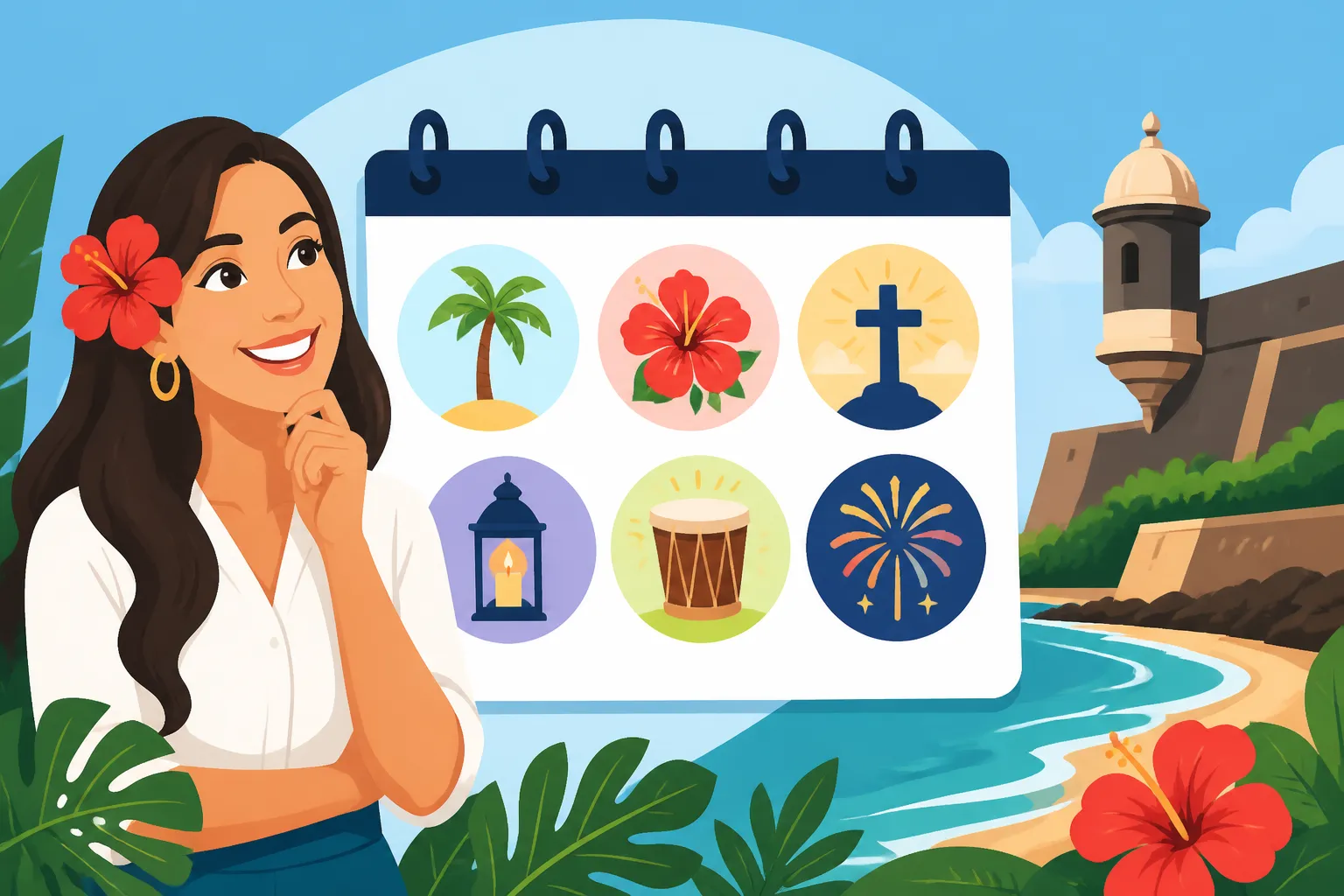
One of the first things you’ll notice when you settle into the island rhythm is that Puerto Rico operates on a unique calendar when it comes to holidays. We're a U.S. territory, which means we observe all the federal holidays that folks on the mainland do. But, because we're also our own commonwealth with a rich, distinct history and culture, we also have our own set of local holidays. This often means more days off than you might be used to, but it can also lead to a bit of confusion, especially when some holidays are observed on different days, or some businesses choose to recognize one but not the other.
It's a beautiful reflection of our dual identity, but it can certainly throw a wrench into your plans if you're not aware of which banks will be closed, which government offices are shut tight, or if your workplace follows federal, local, or both. For instance, while you might expect a day off for Día de la Recordación (Memorial Day), you might not immediately realize that Día de la Abolición de la Esclavitud (Abolition of Slavery Day) is also a significant public holiday with its own impact on operations. Getting a handle on this calendar is crucial for everything from planning your errands to understanding your paychecks.
Official Public Holidays Recognized by Puerto Rico
Puerto Rico officially recognizes a generous number of public holidays throughout the year, combining U.S. federal observances with those specific to the Commonwealth. For employees, this means a chance to enjoy more time off, but it also necessitates understanding which days are paid holidays and what to expect if you're scheduled to work.
Federal Holidays Observed
These are the holidays recognized by the U.S. federal government, and Puerto Rico generally observes them. However, remember that "observing" a holiday doesn't always mean every single private business shuts down, though government offices and banks typically will.
- New Year's Day (Día de Año Nuevo): January 1st. Just like everywhere else, it’s a day for fresh starts and recovering from New Year's Eve festivities. Most businesses are closed, and it's a quiet day for family.
- Birthday of Martin Luther King, Jr. (Natalicio de Martin Luther King, Jr.): The third Monday in January. A day of remembrance and service, often marked by community events and educational programs.
- Washington's Birthday / Presidents' Day (Natalicio de Washington / Día de los Presidentes): The third Monday in February. While federally known as Washington's Birthday, it's widely recognized as Presidents' Day to honor all U.S. presidents.
- Memorial Day (Día de Recordación): The last Monday in May. A solemn day to honor military personnel who died in service. It also unofficially marks the start of summer, with many families heading to the beach or for a BBQ.
- Juneteenth National Independence Day (Día de la Independencia Nacional de Juneteenth): June 19th. This relatively new federal holiday commemorates the emancipation of enslaved African Americans.
- Independence Day (Día de la Independencia): July 4th. Celebrated with fireworks, gatherings, and patriotic displays, just like on the mainland.
- Labor Day (Día del Trabajo): The first Monday in September. A tribute to American workers, often marking the unofficial end of summer. Many take advantage of the long weekend for travel.
- Columbus Day (Día de la Raza): The second Monday in October. While recognized federally, its observance can sometimes be a point of cultural discussion on the island.
- Veterans Day (Día del Veterano): November 11th. A day to honor all U.S. military veterans. Often, there are parades and ceremonies across the island.
- Thanksgiving Day (Día de Acción de Gracias): The fourth Thursday in November. A widely celebrated holiday focused on gratitude and family feasts, much like its mainland counterpart, but with a unique Puerto Rican culinary twist.
- Christmas Day (Día de Navidad): December 25th. A joyous religious and cultural holiday celebrated with family, food, and gift-giving. Expect many businesses to be closed.
Commonwealth Holidays
These holidays are specific to Puerto Rico, reflecting its rich history, cultural heritage, and important local figures. They are deeply ingrained in the local fabric, and you’ll find that most local businesses and certainly all government agencies observe these.
- Three Kings' Day / Epiphany (Día de Reyes / Epifanía): January 6th. This is arguably the most important holiday for children in Puerto Rico, even more so than Christmas for some families. Children traditionally leave grass or hay under their beds for the Three Kings' camels, hoping for gifts. It's a magical day, and many businesses, schools, and government offices are closed.
- Eugenio María de Hostos Birthday (Natalicio de Eugenio María de Hostos): Second Monday in January. Honoring a renowned Puerto Rican educator, philosopher, and sociologist.
- Abolition of Slavery Day (Día de la Abolición de la Esclavitud): March 22nd. Commemorates the abolition of slavery in Puerto Rico in 1873. It's a day for reflection on social justice and freedom.
- Good Friday (Viernes Santo) & Easter Sunday (Domingo de Resurrección): Dates vary annually. These religious holidays are widely observed, with many businesses closing on Good Friday, and most staying closed on Easter Sunday for family and church.
- Birthday of José de Diego (Natalicio de José de Diego): Third Monday in April. Celebrates a prominent Puerto Rican poet, journalist, and politician who advocated for the island's independence.
- Mothers' Day (Día de las Madres): Second Sunday in May. A day to honor mothers, filled with family gatherings, special meals, and gifts. While it falls on a Sunday, its importance means surrounding days often see increased activity.
- Fathers' Day (Día de los Padres): Third Sunday in June. Similar to Mother's Day, it’s a day for celebrating fathers with family get-togethers.
- Luis Muñoz Rivera Birthday (Natalicio de Luis Muñoz Rivera): Third Monday in July. Honors a key figure in Puerto Rico's political history, a poet, journalist, and politician who worked towards greater autonomy for the island.
- Constitution Day (Día de la Constitución): July 25th. Celebrates the adoption of the Constitution of the Commonwealth of Puerto Rico in 1952. This is a significant day for local government and often includes civic ceremonies.
- José Celso Barbosa Birthday (Natalicio de José Celso Barbosa): Fourth Monday in July. Commemorates a pioneering physician, sociologist, and political leader, considered the father of the statehood movement in Puerto Rico.
- Discovery of Puerto Rico Day (Día del Descubrimiento de Puerto Rico): November 19th. Observes the arrival of Christopher Columbus in Puerto Rico in 1493. It's a day that sparks both celebration and historical reflection.
It's a lot to keep track of, isn't it? Here’s a quick overview to help you visualize it:
| Holiday Name (English) | Holiday Name (Spanish) | Type | Date | Typical Observance |
|---|---|---|---|---|
| New Year's Day | Día de Año Nuevo | Federal/Commonwealth | Jan 1 | Public & private sectors closed |
| Three Kings' Day | Día de Reyes | Commonwealth | Jan 6 | Public & many private sectors closed |
| MLK Jr. Birthday | Natalicio de Martin Luther King, Jr. | Federal | 3rd Mon Jan | Public sector closed, some private |
| E.M. de Hostos Birthday | Natalicio de Eugenio María de Hostos | Commonwealth | 2nd Mon Jan | Public sector closed, some private |
| Abolition of Slavery | Día de la Abolición de la Esclavitud | Commonwealth | Mar 22 | Public & many private sectors closed |
| Good Friday | Viernes Santo | Commonwealth | Varies | Public & most private sectors closed |
| Easter Sunday | Domingo de Resurrección | Commonwealth | Varies | Most businesses closed |
| José de Diego Birthday | Natalicio de José de Diego | Commonwealth | 3rd Mon Apr | Public sector closed, some private |
| Memorial Day | Día de Recordación | Federal | Last Mon May | Public & many private sectors closed |
| Juneteenth | Día de la Independencia Nacional de Juneteenth | Federal | Jun 19 | Public sector closed, some private |
| Independence Day | Día de la Independencia | Federal | Jul 4 | Public & many private sectors closed |
| Luis Muñoz Rivera Birthday | Natalicio de Luis Muñoz Rivera | Commonwealth | 3rd Mon Jul | Public sector closed, some private |
| Constitution Day | Día de la Constitución | Commonwealth | Jul 25 | Public sector closed, some private |
| José Celso Barbosa Birthday | Natalicio de José Celso Barbosa | Commonwealth | 4th Mon Jul | Public sector closed, some private |
| Labor Day | Día del Trabajo | Federal | 1st Mon Sep | Public & most private sectors closed |
| Columbus Day | Día de la Raza | Federal | 2nd Mon Oct | Public sector closed, some private |
| Veterans Day | Día del Veterano | Federal | Nov 11 | Public sector closed, some private |
| Discovery of PR Day | Día del Descubrimiento de Puerto Rico | Commonwealth | Nov 19 | Public sector closed, some private |
| Thanksgiving Day | Día de Acción de Gracias | Federal | 4th Thu Nov | Public & most private sectors closed |
| Christmas Day | Día de Navidad | Federal/Commonwealth | Dec 25 | Public & most private sectors closed |
Employee Rights and Compensation on Public Holidays
This is where things get really important for you as an employee in Puerto Rico. Unlike some mainland states where holiday pay might just be at the employer’s discretion or based on specific contract terms, Puerto Rico has some robust labor laws that protect employees when it comes to working on official public holidays. This is a common point of contention and confusion for many newcomers, so let's clear it up.
Holiday Pay According to Puerto Rico Labor Law
Puerto Rico's labor laws, particularly Law 180 of 1998 (often referred to as the "Law of Paid Holidays"), are quite specific. They generally mandate that most employees receive regular pay for designated public holidays, even if they don't work. This is a significant benefit designed to ensure workers can participate in cultural and national observances without financial penalty. These laws apply to both federal and commonwealth holidays, provided the holiday falls on a workday. If a holiday falls on a Sunday, it is typically observed the following Monday.
Now, here's the kicker: if your employer requires you to work on an official public holiday, you are generally entitled to a premium wage. Under Law 180, an employee who works on a legal holiday is entitled to receive, for the hours worked, twice the regular hourly rate. This means double pay for every hour you clock in on those special days. It's not just your regular pay, but your regular pay plus an additional amount equal to your regular pay. This is a really important protection that many mainlanders aren't accustomed to, and it's essential to be aware of your rights. You can delve deeper into these protections by looking into Understanding Puerto Rico Labor Law and Worker Rights (2027).
What If My Employer Doesn't Follow the Rules?
It’s an unfortunate reality that sometimes employers, especially smaller operations or those unfamiliar with the nuances of local law, might not fully adhere to these regulations. As a newcomer, you might feel hesitant to question practices, but it's crucial to know your rights. If you believe you’re not being compensated correctly for holiday work, or if paid holidays are not being honored, it's wise to first clarify with your employer. If that doesn't resolve it, you can seek guidance from the Puerto Rico Department of Labor and Human Resources (Departamento del Trabajo y Recursos Humanos, or DTRH).
Understanding your pay structure and how holidays factor into it is also vital when thinking about your overall financial picture. Consulting with experts, like those at Taxes for Expats, can help ensure you're not just understanding your take-home pay correctly, but also navigating any tax implications related to holiday compensation, especially if you're managing payroll for yourself or a small business here. Don't leave money on the table because you're unsure about the local rules!
Navigating Holidays as a Newcomer and Employee
Successfully navigating public holidays in Puerto Rico as an expat involves more than just knowing which days are marked on the calendar. It’s about understanding the subtle shifts in daily life, how businesses operate, and respecting the cultural significance of these days.
Impact on Daily Life and Services
When a holiday rolls around, especially a major one like Three Kings' Day or Good Friday, things really slow down. Government offices, including CESCO (our DMV equivalent) and Hacienda (our local tax authority), will be closed. Banks will also typically be shut, so make sure to plan your financial errands ahead of time. Post offices, while federal, often operate on a reduced schedule or close entirely for federal holidays. Private businesses can be a mixed bag; larger chains might remain open with holiday hours, but many small, locally-owned shops and restaurants will close their doors to allow their employees to celebrate with family.
Transportation can also be affected. While most public transportation services like the Tren Urbano might operate on a holiday schedule, expect fewer routes or reduced frequency. If you rely on taxis or rideshares, availability might decrease, and prices could surge due to demand. It’s always a good idea to check schedules in advance or arrange your transport for essential activities. These closures and limited services can certainly throw a wrench in your plans if you’re used to the non-stop pace of some mainland cities, so learning to slow down and anticipate these breaks is part of the Puerto Rico experience. Thinking about the broader The Complete Relocation Checklist for Moving to Puerto Rico (2027) usually includes factoring in these operational pauses.
Planning Around Holidays and Cultural Nuances
Planning your schedule around holidays is key. If you have administrative tasks to complete, such as registering with Hacienda (which you can learn more about in How Puerto Rico Taxes Work: Federal vs Local (Hacienda) Explained (2027)) or dealing with vehicle registration, always assume government offices will be closed on official holidays. Try to schedule these during regular workweeks, well in advance of any upcoming holiday.
Culturally, holidays here are often deeply family-oriented and involve strong traditions. For example, Christmas celebrations extend well into January with Octavitas, a series of eight days of celebration following Three Kings' Day. If you're working in a local business, you might find that discussions about holiday plans or wishes become a regular part of workplace chatter leading up to these events. Embracing these traditions, or at least showing respect for them, can go a long way in connecting with your local community and colleagues. If you're looking to improve your communication skills to better understand these cultural exchanges, platforms like iTalki can be incredibly helpful for learning Spanish specific to the Puerto Rican dialect and common phrases used during holidays and everyday interactions.
Remember, while the hustle and bustle might pause, the warmth of the people and the vibrant culture certainly don't. Enjoy the extra days off, explore the island, or simply relax and soak in the unique atmosphere that makes Puerto Rico so special. Getting a grasp on the cost of living also involves understanding how these holidays might affect consumer spending or event availability, which is detailed in The Complete Guide to Cost of Living in Puerto Rico (2026). For a broader view on how employment ties into your move, consider exploring The Complete Guide to Working in Puerto Rico (2027) for further insights.
Disclaimer
The information provided in this guide is for general informational purposes only and does not constitute legal or financial advice. While we strive to provide accurate and up-to-date information, laws and regulations in Puerto Rico, particularly those related to labor and taxes, can change. It is highly recommended to consult with a qualified legal professional or financial advisor for advice tailored to your specific situation.