Can I Get IVF Treatment in Puerto Rico?
Figuring out the ins and outs of specialized medical treatments in a new place like Puerto Rico can feel incredibly daunting, especially when it involves something as sensitive and complex as fertility. Many expats and new residents arrive with questions about whether the island's healthcare system can support their family planning dreams, particularly regarding advanced reproductive technologies like IVF. This guide aims to thoroughly demystify the process of accessing In Vitro Fertilization (IVF) treatment in Puerto Rico, covering everything from available clinics to costs and insurance.
Understanding IVF in Puerto Rico: An Overview
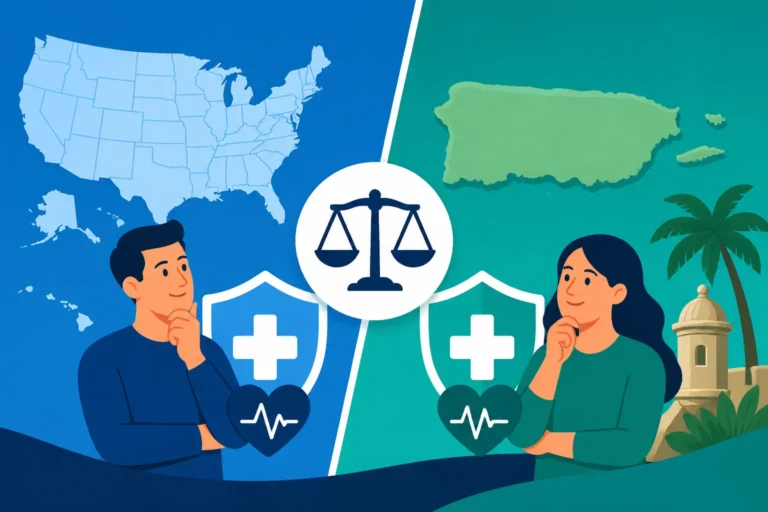
When you're considering IVF, one of the first things you want to know is if the infrastructure and expertise are even available where you live. Good news: Puerto Rico, while a beautiful Caribbean island, is part of the U.S. healthcare system's broader framework and boasts advanced medical facilities, particularly in the San Juan metropolitan area. This means you absolutely can get IVF treatment here, and often, the quality of care is on par with mainland standards, though with its own unique nuances.
The availability of specialized medical care, like fertility clinics, often surprises newcomers who might assume a smaller island won't have the same cutting-edge options. However, Puerto Rico has a robust medical community, with many doctors trained in the U.S. or with significant experience abroad, bringing a high level of expertise to the island. For expats, this can be a huge relief, as it means not having to travel off-island for such critical and time-sensitive procedures. It's a testament to the dedication of the local medical professionals who ensure residents have access to comprehensive healthcare services, including advanced reproductive assistance.
Top Fertility Clinics and Specialists
When it comes to IVF, having access to reputable clinics and experienced specialists is paramount. You'll find that most of the leading fertility centers are concentrated in or around San Juan, offering a range of services from basic fertility assessments to complex IVF cycles, egg freezing, and genetic testing. These clinics often feature state-of-the-art laboratories and employ fertility specialists (reproductive endocrinologists) who are board-certified and highly skilled.
For instance, the Reproductive & Fertility Institute of Puerto Rico in San Juan is widely recognized for its comprehensive services and experienced team. Another prominent option is the Puerto Rico Fertility Center, also located in San Juan, which prides itself on personalized care and advanced techniques. These centers are equipped with modern technology and offer a holistic approach, often including counseling and support services alongside medical procedures. What I've heard from friends and acquaintances who've gone through this journey here is that while the facilities are top-notch, the personalized attention can sometimes feel even more pronounced than in larger, more impersonal mainland clinics. They truly try to make you feel comfortable during what is inherently a very stressful process.
Choosing the right clinic involves looking at success rates, doctor-patient communication, and the range of services offered. Many clinics provide initial consultations to discuss your specific needs and outline potential treatment paths. It's always a good idea to schedule consultations with a few different centers if you have the time and resources. This allows you to compare their approaches, feel out the chemistry with the medical team, and understand their specific protocols and pricing structures. Don't be shy about asking direct questions about their success rates for your age group or specific diagnoses, as this data can vary significantly.
Diagnostic Services Available
Before embarking on an IVF journey, a thorough diagnostic workup is essential for both partners. Puerto Rico's fertility clinics are well-equipped to provide a full spectrum of diagnostic services to identify the underlying causes of infertility. This comprehensive approach ensures that treatment plans are tailored to your unique situation, maximizing the chances of success.
For women, common diagnostic tests include blood work to assess hormone levels (like FSH, LH, estradiol, AMH, and prolactin), transvaginal ultrasounds to evaluate ovarian reserve and uterine health, and hysterosalpingography (HSG) to check for blockages in the fallopian tubes. Some clinics also offer hysteroscopy or laparoscopy for more detailed internal examinations. For men, the primary diagnostic tool is a semen analysis, which assesses sperm count, motility, and morphology. Additional tests might include hormone evaluations or genetic screening if indicated. The good news is that these diagnostic tests are standard practice here, and the labs are generally efficient. You won't feel like you're waiting forever for crucial results, which is a common frustration many expats face with administrative processes on the island, but medical care tends to be well-oiled.
These initial diagnostic steps are crucial because they help the fertility specialist understand the specific challenges you're facing. For example, if an HSG reveals blocked fallopian tubes, IVF might be the most direct path to conception. If semen analysis shows severe male factor infertility, then intracytoplasmic sperm injection (ICSI) in conjunction with IVF might be recommended. The clinics here are adept at interpreting these results and guiding you through the often-complex decision-making process. They often walk you through each step, explaining the "why" behind every test, which is comforting when you're feeling overwhelmed.
The Cost of IVF Treatment in Puerto Rico
Let's be real, the cost is often one of the biggest anxieties when considering IVF, and it's no different here in Puerto Rico. While the exact figures can vary quite a bit, generally speaking, IVF treatment on the island can be more affordable than in many parts of the U.S. mainland. However, it's still a significant financial undertaking, and you need to be prepared for the expenses involved. This isn't a quick or cheap fix, and managing expectations around the financial aspect is crucial for your peace of mind.
The overall cost of an IVF cycle typically includes several components: initial consultations and diagnostic tests, medications, the egg retrieval procedure, fertilization and embryo culture, and the embryo transfer. Each of these components contributes to the final price tag, and clinics will often provide a bundled package price, but it's important to understand what is and isn't included.
Average Costs of an IVF Cycle
A single cycle of IVF in Puerto Rico can range anywhere from $10,000 to $18,000 or more, not including the cost of medications, which can add another several thousand dollars to the total. This price range might seem wide, but it accounts for variations between clinics, the specific protocols used, and any additional services that might be required (like ICSI, preimplantation genetic testing, or embryo freezing). For context, similar procedures on the mainland often start at $15,000 and can easily exceed $30,000 per cycle.
Here's a breakdown of typical costs you might encounter:
| Service/Component | Estimated Cost Range (USD) | Notes |
|---|---|---|
| Initial Consultation | $200 – $500 | May or may not be covered by insurance. |
| Diagnostic Tests (per partner) | $500 – $2,000+ | Includes blood work, semen analysis, ultrasounds, HSG. Varies widely by complexity. |
| IVF Cycle (without meds) | $10,000 – $18,000 | Includes egg retrieval, fertilization, embryo culture, embryo transfer. |
| Fertility Medications | $3,000 – $7,000+ | Can be highly variable based on dosage and duration. Not always included in cycle price. |
| ICSI (if needed) | $1,000 – $2,500 | Intracytoplasmic Sperm Injection, additional for male factor infertility. |
| Embryo Freezing/Storage | $500 – $1,500 (plus annual fees) | For future cycles or if excess embryos remain. Annual storage fees apply. |
| Preimplantation Genetic Testing (PGT) | $3,000 – $6,000+ | For chromosomal screening, highly variable by number of embryos tested. |
These are just averages, and prices are subject to change. It's crucial to get a detailed, itemized quote from your chosen clinic so there are no surprises down the line. Many clinics offer financial counselors who can help you understand the full cost and explore payment options. Don't hesitate to ask for this, as navigating the financial side can be as emotionally taxing as the treatment itself.
Medication Costs and Sourcing
The cost of fertility medications is often underestimated but can significantly impact your overall expenses. These medications, which include injectables to stimulate egg production, ovulation triggers, and progesterone supplements, are essential for an IVF cycle. Their cost can vary depending on the specific protocol prescribed, the dosage required, and the duration of treatment.
Typically, you're looking at an additional $3,000 to $7,000 or more for medications per cycle. While most clinics will provide prescriptions, you'll generally source these medications from specialized pharmacies. Some larger pharmacies on the island, like certain Walgreens or CVS locations, may carry a selection, but often you'll need to use specialty compounding pharmacies or even order from mail-order pharmacies, some of which are mainland-based but ship to Puerto Rico. Always check with your clinic for their recommended pharmacies and to see if they have any relationships that might offer slight discounts.
Understanding the pharmacy system and generic drugs in Puerto Rico can be helpful here. While generic alternatives exist for some medications, fertility drugs are often brand-name and therefore more expensive. It's a good idea to confirm with your insurance provider whether any of these medications are covered and what your out-of-pocket costs will be. Sometimes, even if the IVF procedure itself isn't covered, certain diagnostic tests or medications might be partially reimbursed, so always ask. This is where a bit of diligent paperwork and persistent phone calls can potentially save you thousands of dollars.
Insurance Coverage for IVF in Puerto Rico
This is where things get a bit tricky, and honestly, a lot of expats share the same frustrations. Insurance coverage for fertility treatments, including IVF, is notoriously complex and often limited, both on the mainland and in Puerto Rico. Don't assume anything is covered; always verify directly with your provider.
Many standard health insurance plans in Puerto Rico, both private and public (like the Vital Plan), do not fully cover elective fertility treatments. Some plans might cover initial diagnostic testing to identify the cause of infertility, but the actual IVF procedure, medications, and embryo storage are frequently excluded or come with very high co-pays and deductibles.
What Local Plans Typically Cover
If you have a private health plan in Puerto Rico, you need to pore over your policy documents or, better yet, call your insurance provider directly and ask very specific questions. Do not rely on general statements. Ask about "infertility benefits," "IVF coverage," "medication coverage for fertility," and "diagnostic testing for infertility." Some plans might offer limited coverage for a certain number of cycles or up to a specific dollar amount, but this is rare. More often, you'll find that diagnostic services like ultrasounds, blood tests, and semen analysis might be covered as part of a general medical workup, but once you move into the actual IVF treatment phase, you're largely on your own financially.
For those on the government-sponsored Vital Plan (Plan de Salud del Gobierno), coverage for advanced fertility treatments like IVF is generally not available. The Vital Plan focuses on essential healthcare services, and unfortunately, IVF usually falls outside that scope. This is a tough reality, and it means many individuals and couples will need to explore private insurance options or be prepared for significant out-of-pocket expenses. This is a common pain point for many residents, as the dream of having children should ideally not be limited by financial constraints.
When looking at How to Get Health Insurance When You Move to Puerto Rico, remember to specifically inquire about fertility benefits. Don't wait until you need it, because retroactively adding coverage for a pre-existing condition (infertility) is typically not possible.
Supplemental Insurance and Financing Options
Given the often-limited coverage from standard plans, many couples turn to supplemental insurance or financing options. Some specialized fertility insurance plans or riders exist, but they can be expensive and may have waiting periods. It's worth researching if your employer offers any specific fertility benefits, as some forward-thinking companies are starting to include these in their benefits packages.
For those without adequate insurance coverage, several clinics offer in-house financing plans, allowing you to pay for treatment in installments. There are also third-party medical loan companies that specialize in fertility financing. These options can make the upfront cost more manageable, but you'll need to understand the interest rates and repayment terms fully.
Additionally, some organizations offer grants or scholarships for fertility treatments. While competitive, these can provide much-needed financial relief. Exploring these avenues and preparing a detailed financial plan is crucial before you start treatment. It's not the fun part, but it's an absolutely essential step to ensure you can see the process through without added financial stress. Even if your current plan doesn't cover IVF directly, understanding your existing benefits for related diagnostic tests, like detailed blood work or certain specialist consultations, can help you save a bit on the preliminary steps. For international travelers or those with specific needs, it's always wise to check if travel insurance providers like SafetyWing, which typically covers unexpected illness or injury abroad, might have any very niche, limited provisions for medical emergencies that could tangentially relate to fertility complications, though direct IVF coverage is highly unlikely.
The IVF Process: What to Expect
Embarking on an IVF journey is a significant undertaking, both physically and emotionally. Knowing what to expect each step of the way can help alleviate some anxiety and allow you to prepare more effectively. The process in Puerto Rico follows internationally recognized protocols, ensuring a high standard of care.
The entire IVF cycle, from initial consultation to embryo transfer, typically spans several weeks, with various phases requiring daily monitoring and medication. It's not a set-it-and-forget-it type of treatment; it demands commitment and flexibility, often requiring frequent visits to the clinic for ultrasounds and blood tests.
Step-by-Step Breakdown of an IVF Cycle
Let's walk through what a typical IVF cycle looks like, so you have a clearer picture:
- Initial Consultation and Testing: This is where you discuss your medical history, undergo diagnostic tests (as mentioned earlier), and develop a personalized treatment plan with your fertility specialist. This phase can take a few weeks as results come in.
- Ovarian Stimulation: This phase begins with hormone injections, usually for 8-12 days, to stimulate the ovaries to produce multiple eggs. During this time, you'll have frequent monitoring appointments at the clinic with ultrasounds and blood tests to track follicle growth and hormone levels. This ensures the medications are working effectively and helps the doctor determine the optimal time for egg retrieval. This can feel like a part-time job with all the appointments, so be prepared for that commitment.
- Egg Retrieval: Once the follicles are mature, a "trigger shot" is administered to induce final egg maturation. Approximately 36 hours later, the egg retrieval procedure is performed. This is a minor surgical procedure, typically done under sedation, where a thin needle guided by ultrasound is used to collect eggs from the ovaries. The procedure usually takes about 20-30 minutes, and you'll typically go home the same day.
- Fertilization and Embryo Culture: The retrieved eggs are then fertilized in the laboratory with sperm (from your partner or a donor). This can be done through conventional IVF, where sperm and eggs are placed together in a dish, or via ICSI, where a single sperm is injected directly into each egg. The fertilized eggs (now embryos) are cultured in the lab for 3-5 days, allowing them to develop.
- Embryo Transfer: One or more selected embryos are then transferred into the uterus using a thin catheter, typically a painless procedure that doesn't require anesthesia. Any remaining viable embryos can be cryopreserved (frozen) for future use. After the transfer, you'll typically be advised to rest for a short period.
- Pregnancy Test: About 10-14 days after the embryo transfer, a blood test is performed to determine if pregnancy has occurred. This waiting period, often called the "two-week wait," is notoriously difficult and emotionally charged.
The emotional toll of these steps cannot be overstated. It's a rollercoaster of hope, anxiety, and often, disappointment. Clinics here generally offer support staff, like nurses and counselors, who can help you navigate this intense period. Don't be afraid to lean on them and your support system.
Potential Risks and Side Effects
Like any medical procedure, IVF carries potential risks and side effects, and it's important to be fully informed before proceeding. Your fertility specialist in Puerto Rico will discuss these with you in detail during your consultations.
Common side effects from ovarian stimulation medications include bloating, mild abdominal discomfort, mood swings, and breast tenderness – essentially, amplified PMS symptoms. More serious but less common risks include Ovarian Hyperstimulation Syndrome (OHSS), which can cause severe bloating, abdominal pain, nausea, and in rare cases, more serious complications. Clinics monitor for OHSS closely during the stimulation phase to prevent severe cases.
Risks associated with the egg retrieval procedure are generally low but include bleeding, infection, or damage to surrounding organs, though these are extremely rare due to ultrasound guidance. Multiple pregnancies (twins, triplets, etc.) are a significant risk if more than one embryo is transferred. Clinics here typically follow guidelines to limit the number of embryos transferred to reduce this risk. Ectopic pregnancy (where the embryo implants outside the uterus) is also a small risk with IVF.
It's also worth noting the emotional and psychological toll. The stress of treatment, the financial burden, and the emotional highs and lows can be incredibly challenging for individuals and couples. Many clinics offer access to mental health services in Puerto Rico, specifically counseling for fertility patients, which can be invaluable during this time. Remember, you don't have to go through this alone.
Considerations for Expats and New Residents
Moving to a new place is already a huge adjustment, and adding the complexity of medical treatment like IVF can feel like piling on. For expats and new residents in Puerto Rico, there are a few extra layers to consider that might not immediately come to mind. These considerations range from navigating a new healthcare system to understanding local cultural nuances.
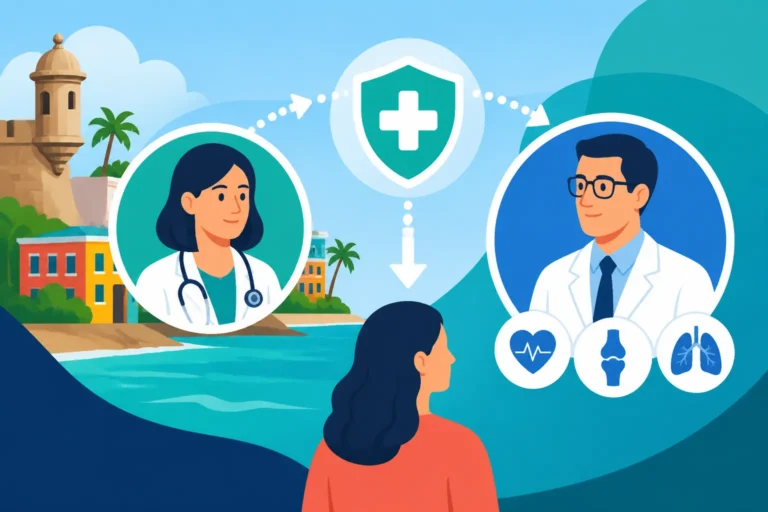
One of the biggest advantages for U.S. citizens is that you don't need to worry about visa or immigration issues to access medical care here. Puerto Rico is a U.S. territory, so you have the same rights as on the mainland. However, navigating the Puerto Rico healthcare system: a newcomer's roadmap still presents its own challenges, especially when it comes to specialty care.
Language and Communication Barriers
While many medical professionals in Puerto Rico, particularly in fertility clinics in metropolitan areas like San Juan, speak excellent English, Spanish is the dominant language. This can sometimes lead to communication challenges, especially with support staff, administrative personnel, or at local pharmacies. You might find that while your primary doctor is fluent, the nurse calling to give you instructions might be more comfortable in Spanish, or the pharmacy tech might not fully grasp a complex medication query in English.
It’s always a good idea to clarify if the clinic offers English-speaking staff throughout the entire process. Don't hesitate to ask if they have specific coordinators who can assist English-speaking patients. Bringing a trusted friend or partner who is fluent in Spanish to appointments, especially for initial consultations or critical discussions, can also be incredibly helpful for understanding nuances and asking follow-up questions. For something as emotionally charged as fertility treatment, clear and unambiguous communication is non-negotiable.
Finding an English-speaking doctor in Puerto Rico, especially in San Juan, is certainly possible, but it may require a bit of searching. Most of the larger, more specialized clinics tend to have bilingual staff, precisely because they cater to a broader population, including many expats and visitors.
Managing Expectations and Cultural Differences
Puerto Rico operates on its own unique rhythm, often referred to as "island time." While this can be charming in many aspects of daily life, it can sometimes translate into a more relaxed approach to scheduling or administrative tasks that mainlanders might find frustratingly slow. When it comes to something as time-sensitive as fertility treatment, precision and promptness are crucial, and thankfully, medical clinics generally adhere to a higher standard of punctuality and efficiency.
However, managing your expectations for administrative processes (like getting records transferred, dealing with insurance paperwork, or even just waiting for a prescription refill) can save you a lot of stress. Be prepared to follow up diligently, keep meticulous records, and advocate for yourself. It’s not that people are intentionally slow, it’s just a different pace of life that can sometimes spill into bureaucratic processes. Having a local contact or a friend who understands the system can be incredibly helpful.
Culturally, there's a strong emphasis on family and community in Puerto Rico. You might find that medical staff are very empathetic and warm, often going above and beyond to provide emotional support. While this is a wonderful aspect, it's also important to remember that this journey is deeply personal, and you set your own boundaries regarding sharing information. The island community can be very close-knit, and word can sometimes travel, so be mindful of your personal space if that is a concern.
It's also worth remembering that Emergency Medical Care in Puerto Rico: What Every Resident Needs to Know is robust, but for IVF, you'll be dealing with specialized clinics, not general emergency services. The attention to detail within these fertility clinics is generally excellent, reflecting the seriousness of the treatment.
Final Thoughts and Next Steps
Deciding to pursue IVF treatment is a profoundly personal and often challenging journey. The good news is that Puerto Rico offers accessible, high-quality fertility services that can help you achieve your dream of starting or expanding your family. While the costs are significant and insurance coverage can be a hurdle, understanding the landscape and preparing thoroughly can make the process smoother.
If you’re considering IVF in Puerto Rico, your very first step should be to schedule initial consultations with a few reputable fertility clinics. Use these appointments to ask every question you have – about their success rates, their protocols, their fees, and their support services. Don't hold back; this is your future family we're talking about. Ask for detailed, itemized quotes for all potential costs, including medications and any additional procedures like genetic testing or freezing.
Simultaneously, dive deep into your health insurance policy. Call your provider, clarify what, if anything, is covered for fertility treatments, and get it in writing. Explore financing options if needed, and consider joining online forums or local support groups for fertility patients in Puerto Rico. Connecting with others who have walked this path can provide invaluable emotional support and practical advice.
Remember, this journey requires patience, resilience, and a solid support system. But with careful planning and the excellent medical care available here, your dream of parenthood in beautiful Puerto Rico is absolutely within reach.
Disclaimer
The information provided in this article is intended for general informational purposes only and does not constitute medical, financial, or legal advice. While we strive to provide accurate and up-to-date information, healthcare regulations, costs, and insurance policies in Puerto Rico can change. Always consult with qualified medical professionals, insurance providers, and financial advisors for personalized advice regarding your specific situation. Reliance on any information in this article is solely at your own risk.