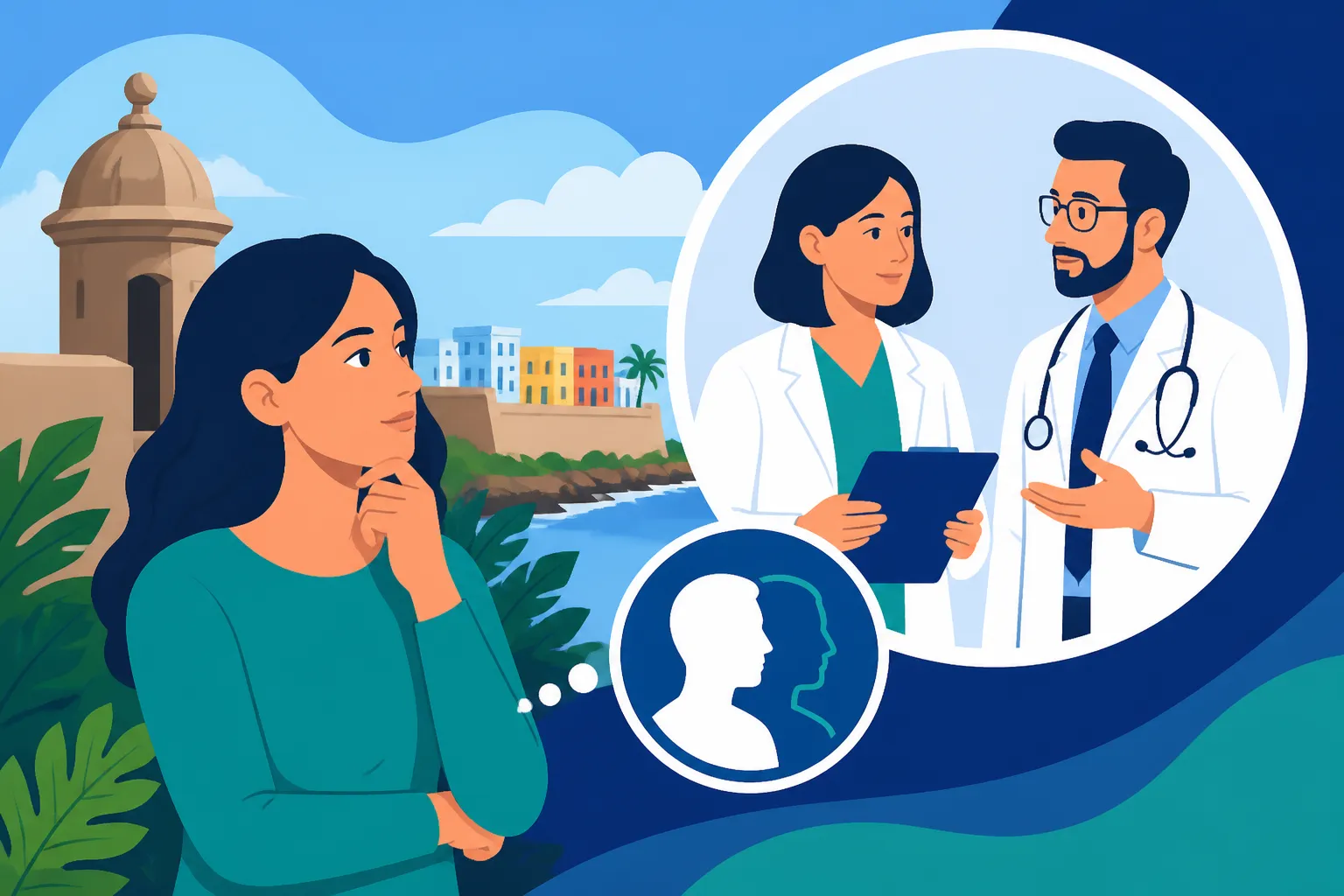
Can I Get a Second Medical Opinion in Puerto Rico?
When you're facing a significant medical diagnosis, whether it's for something minor or a life-altering condition, the natural instinct is often to seek reassurance, to double-check, or to simply understand all your options. This feeling intensifies when you're an expat, navigating a healthcare system that might be new to you in a foreign-to-you environment like Puerto Rico. It’s entirely valid to wonder if you can get a second medical opinion here, and the good news is, yes, you absolutely can. This guide will walk you through the process, considerations, and practicalities of seeking that vital second opinion on the island.
The Absolute Need for Reassurance: Why Second Opinions Matter in Puerto Rico
Moving to a new place, even one as welcoming as Puerto Rico, comes with its own unique set of challenges, and sometimes, the healthcare system can feel like another one of those hurdles. You’ve just gotten settled, perhaps found a primary care doctor, and then you receive a diagnosis that leaves you with more questions than answers. It’s a moment where you desperately need clarity, and a second medical opinion isn't just a luxury; it’s a fundamental right and a smart move for your peace of mind and optimal health outcomes.
Validating Your Concerns as a New Resident
Let's be real, the healthcare system here, while robust in many areas, can still feel different from what you might be used to on the mainland. Maybe the language barrier has you questioning if you fully understood everything, or perhaps the doctor's approach feels a bit unfamiliar. You might be told you need surgery, or a long course of medication, and a little voice in the back of your head just says, "Get another set of eyes on this." This isn't distrust; it's due diligence, especially when your health is on the line. It's about empowering yourself with as much information as possible before making critical decisions. I've heard countless stories from fellow expats who felt a sense of relief simply from having another doctor confirm a diagnosis or, even better, suggest an alternative treatment path. Don’t ever feel embarrassed or as if you’re questioning a doctor’s authority by seeking a second opinion; it’s a standard practice worldwide.
When a Second Opinion is Especially Critical
While it's always an option, there are certain situations where a second opinion becomes not just advisable, but truly critical. Think about diagnoses that are rare, or conditions that are notoriously difficult to treat. If you're facing a complex surgical procedure, or being prescribed a strong, long-term medication, getting another expert's perspective can literally change your trajectory. Perhaps your doctor is recommending an invasive treatment, or you're simply not responding to your current treatment plan as expected. These are prime opportunities to seek out another specialist. For instance, if you’re told you need a specific type of cancer treatment, consulting with another oncologist at a different institution could provide new insights or even access to different clinical trials or treatment modalities. Also, if you’ve been struggling with an undiagnosed condition for a while, a fresh perspective might finally crack the code. It’s all about gaining confidence in the diagnosis and the proposed treatment plan, knowing you've explored all reasonable avenues.
Navigating the System: How to Seek a Second Medical Opinion in Puerto Rico
Once you decide a second opinion is what you need, the next step is figuring out the "how." Puerto Rico offers both public and private healthcare options, and your approach will vary slightly depending on which system you primarily use and your insurance coverage. Regardless, transparency and preparation are your best friends in this process.
The Private Healthcare Route: Faster, More Options
For most expats, especially those with private health insurance in Puerto Rico, the private route is usually the most straightforward path to a second opinion. You have a greater degree of control and flexibility.
First, you'll want to identify the right specialist. If your initial diagnosis came from a general practitioner, you'll likely need a specialist in that particular field – a cardiologist for heart issues, an orthopedist for bone problems, an oncologist for cancer, and so on. Many private hospitals in the San Juan metropolitan area, such as Auxilio Mutuo, Hospital Pavia, and Ashford Presbyterian Community Hospital, are known for their comprehensive specialist departments and often have English-speaking staff, which can be a huge relief. You can often directly schedule an appointment with a specialist without a referral, though checking your specific insurance plan is always wise, as some might still require one to cover the consultation fully.
Once you have an appointment, gather all your existing medical records. This includes imaging results (X-rays, MRIs, CT scans), lab results, pathology reports, doctor's notes, and a summary of your current diagnosis and treatment plan. Having these ready will save immense time and ensure the second doctor has all the information they need without repeating tests unnecessarily. Many clinics here use electronic records, but it’s prudent to request physical copies or digital files on a CD or USB drive for ease of transfer. You might even find that some private doctors are open to a telehealth consultation initially, especially if you’re traveling from a remote part of the island or are temporarily off-island.
The Public Healthcare Route: More Bureaucracy, Still Possible
If you're relying on the public healthcare system, often through the Vital Plan (the Government Health Plan), obtaining a second opinion might involve a bit more bureaucratic navigation, but it's certainly possible. The primary difference here is that you'll almost certainly need a formal referral from your primary care doctor within the public system.
You'd typically start by scheduling an appointment with your assigned primary care physician and explicitly stating your desire for a second opinion, explaining your reasons. They will then need to issue a referral to another specialist within the Vital Plan network. This process can sometimes take longer, as appointment availability might be more limited. Public clinics and hospitals, while serving the general population effectively, may have longer wait times for specialist appointments compared to their private counterparts.
For those considering switching between the public and private systems for this purpose, understanding the nuances of How Puerto Rico's Health System Works: Public vs Private Explained (2027) is key. It's often easier to stick within your current system for a second opinion, but if you feel you're hitting a wall, exploring the other side might be necessary. Just be prepared for the documentation requirements and potential delays in transferring records between different systems.
Understanding the Logistics: Costs, Insurance, and Medical Records
Getting a second opinion involves more than just finding a doctor; you need to consider the practical aspects of cost, how your insurance will handle it, and the crucial step of gathering your existing medical information. This is where the real-world expat experience kicks in.
Insurance Coverage and Out-of-Pocket Costs
This is where things can get a bit tricky, and you absolutely must do your homework. Your health insurance plan in Puerto Rico will dictate how much of a second opinion it covers. Most comprehensive private health plans will cover a second opinion, especially if it's deemed medically necessary. However, plans vary widely. You might face co-pays, deductibles, or co-insurance, just like with any other specialist visit. It's imperative to call your insurance provider directly – not just check their website – and ask specific questions:
- "Does my plan cover second opinions for a specialist consultation in [specific field]?"
- "Do I need a referral from my primary care doctor for a second opinion?"
- "What are the estimated co-pays or deductibles for this type of visit?"
- "Are there any network restrictions for second opinions?"
For those still navigating the initial stages of getting Health Insurance in Puerto Rico: Plans, Costs and Options Explained (2026), or perhaps if you're a temporary resident or tourist, your situation might be different. If you’re not yet covered by a local Puerto Rico plan, or if you're awaiting your long-term plan to kick in, travel medical insurance, perhaps from a provider like SafetyWing, might offer some coverage for urgent, eligible conditions requiring further consultation. However, it's vital to confirm directly with them what specifically is covered, as elective second opinions might not always be included.
If you find yourself without adequate insurance coverage for a second opinion, or if your plan has a high deductible, be prepared for out-of-pocket costs. A private specialist consultation can range anywhere from $100 to $300 or more, depending on the specialist's reputation, location, and the complexity of your case. Diagnostic tests ordered by the second doctor would be additional. Always ask for an estimate of costs upfront. For those wondering about the broader financial picture, understanding The Cost of Healthcare in Puerto Rico: A Complete Breakdown for Newcomers (2026) can provide valuable context.
| Aspect | Private Healthcare | Public Healthcare (Vital Plan) |
|---|---|---|
| Referral Needed? | Usually not, but check your specific plan. | Almost always from your assigned primary care doctor. |
| Appointment Wait Times | Generally shorter (days to a few weeks). | Can be longer (weeks to months), depending on the specialist. |
| Doctor Choice | More flexibility to choose specialists and hospitals. | Limited to providers within the Vital Plan network. |
| Cost & Insurance | Covered by private insurance (co-pay/deductible applies). Out-of-pocket possible. | Generally covered by Vital Plan; minimal or no co-pays. |
| Medical Records Transfer | Often easier to obtain and share between private providers. | Can be slower and more bureaucratic; requires patient persistence. |
| English-Speaking Doctors | More readily available, especially in metro areas. | Less common, but still found in some larger facilities. |
Compiling and Transferring Medical Records
This step cannot be overstated: get your medical records. The second doctor needs a full picture of your health history, previous tests, and the initial diagnosis. Without them, you're essentially starting from scratch, which wastes time and money.
Here's a checklist of what you'll need:
- Doctor's Notes: A summary from your initial physician detailing their findings, diagnosis, and proposed treatment plan.
- Lab Results: Any blood tests, urine tests, biopsies, etc.
- Imaging Reports and Films: X-rays, MRIs, CT scans, ultrasounds. Often, you can request the actual images on a CD or through a secure online portal.
- Pathology Reports: Especially crucial for cancer diagnoses.
- Medication List: All current and recently prescribed medications.
- Hospital Discharge Summaries: If you’ve been hospitalized.
To obtain these, contact the medical records department of your initial clinic or hospital. In Puerto Rico, you have a legal right to your medical records. Be prepared to fill out a release form. While many facilities are moving towards digital records, some still rely on physical files, so be patient. If you’re seeing an English-speaking doctor, it’s also helpful to have any key documents translated if they were originally in Spanish, although many specialists in major hospitals are accustomed to reviewing records in both languages. Having a concise, chronologically organized folder of all these documents will make your second consultation much smoother and more effective. If you're a newcomer, you might find that understanding What Documents Do I Need to See a Doctor in Puerto Rico? in general will help streamline this process.
Overcoming Hurdles: Tips for a Smooth Second Opinion Process
Even with the best intentions and preparation, seeking a second opinion in a new country can present a few bumps in the road. Knowing what to expect and having strategies to overcome these challenges will make the process much smoother and less stressful.
Language Barriers and Communication Strategies
While many doctors in major cities like San Juan, particularly in private practices, are fluent in English, you might encounter situations where medical staff primarily speak Spanish. This can be intimidating, especially when discussing complex medical issues. If your Spanish isn't up to par, don't hesitate to ask for an English-speaking doctor when making your appointment. Most hospitals, particularly those frequented by tourists and expats like Auxilio Mutuo and Ashford Presbyterian Community Hospital, have English-speaking staff or can arrange for a medical interpreter. For those looking for an English-speaking doctor in general, the guide on How to Find an English-Speaking Doctor in Puerto Rico can be incredibly helpful.
Another strategy is to bring a trusted friend or family member who is fluent in both English and Spanish to your appointments. They can help clarify information, ensure you understand everything, and advocate on your behalf. Before your appointment, prepare a list of questions in both English and, if possible, Spanish, to ensure all your concerns are addressed. Don't be afraid to ask the doctor to slow down, explain things in simpler terms, or even draw diagrams. It’s your health, and clear communication is paramount.
Follow-Up and Integrating Opinions
Once you've received your second opinion, you'll likely have a lot to process. The second doctor might confirm the initial diagnosis and treatment, offer a different perspective, or even suggest an entirely new approach. It's crucial to take your time to understand both opinions fully.
Here’s what to consider for follow-up:
- Synthesize Information: Write down the key points from both consultations. What are the similarities? What are the differences?
- Ask Questions: If anything is unclear, don't hesitate to call either doctor's office for clarification.
- Discuss with Your Primary Doctor: It's often a good idea to bring the findings from your second opinion back to your original physician or primary care doctor. They can help you integrate the information and make an informed decision about your next steps. This collaborative approach can ensure the best continuity of care.
- Make a Decision: Ultimately, the decision about your treatment lies with you. Weigh the pros and cons of each recommendation, consider your comfort level with the proposed treatments, and choose the path that feels right.
Remember, the goal of a second opinion isn't to create conflict but to ensure you have the most complete and accurate information available. It's about empowering you to make confident decisions about your health in Puerto Rico. From navigating specialist referrals to understanding how to handle hospital billing, resources like How Specialist Referrals Work Under Puerto Rico Health Plans and How Do I Pay for Hospital Care in Puerto Rico? can be invaluable as you navigate the complexities of the island's healthcare system.
Disclaimer
The information provided in this article is for general informational purposes only and does not constitute medical advice. While we strive to provide accurate and up-to-date information, healthcare regulations, services, and costs in Puerto Rico can change. Always consult with a qualified healthcare professional for any medical concerns or before making any decisions related to your health or treatment. We are not liable for any actions taken based on the information provided herein.