How Much Does an Ambulance Cost in Puerto Rico?
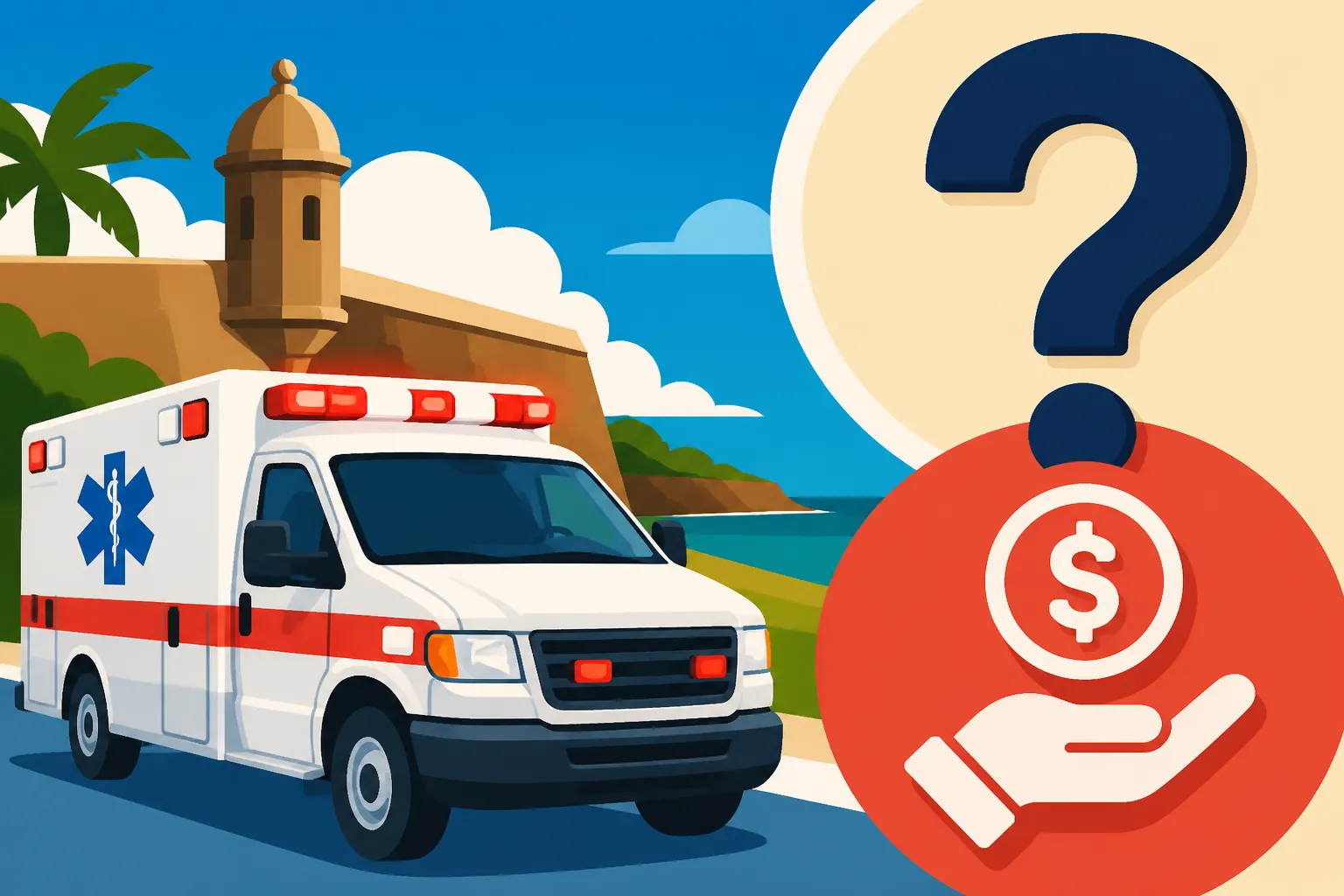
Imagine you are enjoying a sunset dinner in Condado or hiking the lush trails of El Yunque when suddenly, the unthinkable happens: a medical emergency. Beyond the immediate health concern, a secondary wave of panic often hits—the fear of the unknown cost of an ambulance in a territory that feels both like the US and its own unique world. This guide provides a deep dive into the actual costs, billing structures, and insurance nuances of emergency transport on the island.
Understanding the Ambulance Landscape in Puerto Rico
When you dial 911 in Puerto Rico, you aren't always getting a government-run vehicle. The system is a patchwork of municipal EMS, state-run services (the Negociado del Cuerpo de Emergencias Médicas), and a wide array of private contractors. For many of us who moved from the mainland, the expectation is that the bill will be astronomical, similar to the $2,000 price tags seen in cities like New York or Chicago. However, the reality on the island is governed by different regulatory bodies and local laws that often surprise newcomers.
Public vs Private Services: Who Shows Up
The type of ambulance that arrives at your door significantly impacts the initial "sticker price" of the service. Public ambulances, often managed by the municipality or the central government, are generally more affordable but can suffer from longer wait times depending on your location. In rural areas like the mountains of Utuado or the far reaches of the west coast, you might find that the municipal ambulance is your only option.
Private companies, on the other hand, often have contracts with specific hospitals or health insurance networks. If you have a private policy, your insurer might have a preferred provider. These private units are often faster and better equipped for "inter-facility transfers"—moving a patient from a local clinic to a specialized hospital in San Juan. Because the island's healthcare can be centralized, these transfers are common and can be a significant part of your medical journey. Understanding How Puerto Rico's Health System Works: Public vs Private Explained (2027) is essential to knowing which service might be dispatched to your location.
The Role of 911 vs Private Dispatch
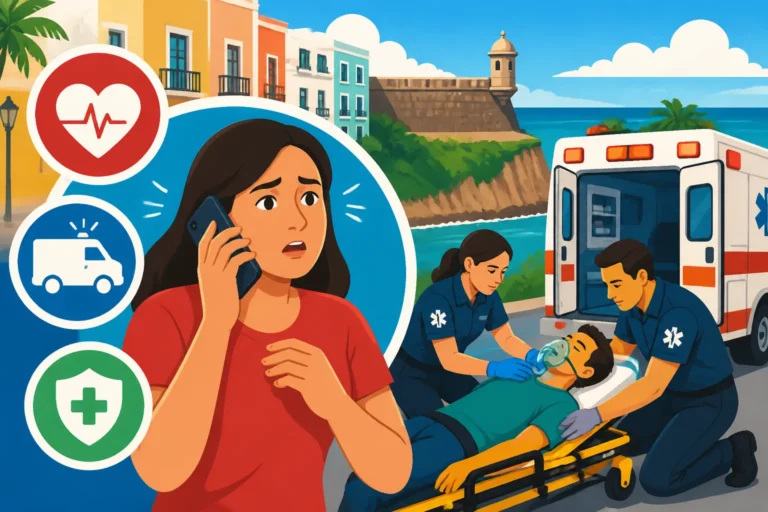
One of the most confusing aspects for expats is deciding who to call. Calling 911 is the standard for life-threatening situations. The dispatcher will send the closest available unit, which could be a municipal truck or a state-run EMS vehicle. However, if you are in a non-life-threatening situation—perhaps you need transport for a broken leg that isn't an immediate emergency—calling a private ambulance company directly might be more efficient.
Be aware that private companies have their own dispatchers and pricing. If you call them directly, you are essentially entering a private contract for service. For those who are still transitioning their lives to the island and might be using a service like SafetyWing to cover their initial months, having the contact information for private providers in your area is a smart move. It ensures that you aren't just at the mercy of the nearest municipal truck, which may be tied up with other calls.
Breaking Down the Costs: What to Expect on Your Bill
The cost of an ambulance in Puerto Rico is regulated by the Negociado de Transporte y Otros Servicios Públicos (NTSP). They set the maximum rates that companies can charge, preventing the kind of wild price gouging sometimes seen in other jurisdictions. However, "regulated" doesn't mean "free," and the bill is composed of several line items that can add up quickly.
Base Rates and Mileage Charges
In 2026, the base rate for a ground ambulance generally falls between $250 and $450 for Basic Life Support (BLS). This is the fee just for the ambulance to show up and put you on the stretcher. On top of this base fee, there is a mileage charge. In Puerto Rico, this is typically between $6 and $10 per mile.
While the island is small, traffic in the San Juan metro area can turn a 5-mile trip into a 45-minute ordeal, though the billing is usually based on distance, not time. If you live in a remote area like Dorado or Rio Grande and need to be transported to a specialized trauma center in Centro Médico (San Juan), those miles add up. For more context on navigating these logistics, check out Understanding Emergency Numbers (911) and Ambulance Care in Puerto Rico.
Advanced Life Support vs Basic Life Support
The level of care you receive inside the ambulance dictates the price.
- Basic Life Support (BLS): This is for patients who are stable but need medical monitoring. The ambulance is staffed by Emergency Medical Technicians (EMTs) who can provide oxygen, basic wound care, and CPR.
- Advanced Life Support (ALS): This is for critical patients. The ambulance is staffed by Paramedics and equipped with heart monitors, IV supplies, and advanced airway equipment. The base rate for ALS in Puerto Rico can jump to $500 or $700 before mileage and supplies are even considered.
If you are a newcomer still figuring out your coverage, you might ask, Do I Need Health Insurance to Live in Puerto Rico? The answer becomes clear when you realize that an ALS ride followed by a night in the ER can easily exceed $1,500 out-of-pocket without a plan.
Hidden Fees: Supplies and Medications
The bill you receive in the mail several weeks later will likely include "line item" charges. In Puerto Rico, it is common to see charges for every gauze pad, IV start kit, and dose of medication administered during the ride. If the paramedics have to use specialized drugs to stabilize a heart rhythm or manage severe pain, these can add $50 to $200 to your bill.
Oxygen administration is another common add-on. Even if it’s just a nasal cannula for a few minutes, there is often a flat fee for "oxygen service." While these charges are regulated, they can feel like "nickel and diming" to a patient who is already stressed. This is why many nomads opt for SafetyWing during their first year; it helps mitigate the shock of these itemized emergency bills while they are still establishing their local residency.
Insurance and Coverage: Who Actually Pays
The most frequent question I get from fellow expats is: "Will my insurance cover this?" The answer is a classic Puerto Rican "it depends," largely based on whether your emergency was deemed "medically necessary."
| Service Type | Estimated Base Cost (USD) | Mileage Rate (per mile) | Total for 10-mile Trip |
|---|---|---|---|
| Public BLS | $250 – $300 | $6 – $8 | $310 – $380 |
| Private BLS | $350 – $450 | $8 – $10 | $430 – $550 |
| Private ALS | $500 – $700 | $10 – $12 | $600 – $820 |
| Air Ambulance | $15,000+ | Variable | $15,000+ |
How Mainland Insurance Interacts with Local EMS
If you are still using a mainland US-based PPO or HMO, you might assume you’re covered. However, many mainland plans treat Puerto Rico as "out-of-network" or "international." They might cover the ambulance at an "emergency rate," but they may only pay a portion of the "allowed amount."
For example, if the ambulance bills $600 but your mainland insurance says the "allowed amount" for a 5-mile trip is $300, you could be left with a $300 "balance bill." This is a common frustration for people who haven't yet researched Does My Mainland Health Insurance Work in Puerto Rico? to understand the gaps in their coverage.
The Role of Travelers Insurance and SafetyWing
For those who are on the island as digital nomads, tourists, or in the middle of their 183-day residency wait, international medical insurance is a lifesaver. SafetyWing is a popular choice here because it is designed for people who are outside their home country and need a safety net for exactly these types of scenarios.
In a medical emergency in Puerto Rico, you usually have to pay the ambulance provider or the hospital upfront or provide a local insurance card. If you have SafetyWing, you would typically pay the bill and then submit your itemized receipts for reimbursement. Because they understand the international nature of medical costs, they are often more flexible than a rigid mainland US provider who might be confused by a bill written in Spanish from a municipal government office.
Coverage Under the Vital Plan and Private Local Insurers
If you have transitioned to local insurance like Triple-S, MCS, or Humana del Caribe, your ambulance coverage is usually quite robust. These providers have direct contracts with the major ambulance networks. Often, you will only be responsible for a small co-pay (ranging from $20 to $100), provided the transport was to the nearest emergency room.
For those on the government-subsidized Understanding the Vital Plan (Government Health Plan) in Puerto Rico (2027), ambulance services are generally covered at 100% for legitimate emergencies. However, the catch is the "legitimate" part. If you call an ambulance for something that a doctor later determines could have been handled by a car ride to a clinic, you might find yourself fighting a denied claim.
Actionable Steps During a Medical Emergency
Knowing what to do when the siren fades and the bill arrives can save you thousands of dollars and months of administrative headaches. The Puerto Rican bureaucracy is famous for its "papeleo" (paperwork), so being proactive is your best defense.
When to Call 911 vs When to Drive Yourself
In Puerto Rico, there is a concept known as the CDT (Centro de Diagnóstico y Tratamiento). These are local urgent care centers that are often better equipped than a standard mainland walk-in clinic but aren't full-scale hospitals. If you have a non-life-threatening injury, driving yourself or taking an Uber to the nearest CDT is almost always faster and cheaper than waiting for an ambulance.
However, if there is any suspicion of a heart attack, stroke, or major trauma, call 911 immediately. The paramedics can begin life-saving treatment that you cannot provide in the back of a rental car. Furthermore, arriving via ambulance can sometimes (though not always) speed up your intake at the hospital. If you're wondering how to handle the hospital side of things, read How Do I Pay for Hospital Care in Puerto Rico? for a full breakdown of the billing process.
Documenting the Event for Reimbursement
The moment the ambulance crew hands you off to the ER staff, ask for a "hoja de servicio" or a trip sheet. This document is the medical record of what happened in the ambulance. It is vital for insurance claims.
- Get the Provider's Name: Note if it was "Emergencias Médicas Estatal" or a private company like "Aeromed" or "SJ Ambulance."
- Request an Itemized Bill: Don't settle for a receipt that just says "Ambulance – $600." You need the breakdown of base rate, mileage, and supplies.
- Keep the Police Report: If the ambulance was called due to a car accident, the police report is essential. In Puerto Rico, car accidents are covered by a mandatory public insurance called ACAA, which can often cover 100% of the ambulance cost regardless of your health insurance.
- Submit Quickly: If you are using SafetyWing, upload your documents to their portal as soon as you are medically stable. Delaying the claim can make it harder to get clarifications from the local provider if the insurance company has questions.
Practical Tips for New Residents and Travelers
After living here for several years, I've learned that being prepared is about more than just having a first aid kit. It's about understanding the geography of care.
First, identify your nearest private hospital. Facilities like Ashford Presbyterian in Condado or Auxilio Mutuo in Hato Rey are popular with expats because they often have more English-speaking staff and streamlined billing. Knowing where you want to go allows you to tell the ambulance driver your preference, though in a true "Code Blue" emergency, they are legally required to take you to the nearest capable facility. You can find more details in The Complete Guide to Healthcare in Puerto Rico for New Residents (2027).
Second, keep a small "emergency fund" of at least $1,000 in a local bank account or cash. While we all hope insurance covers everything, Puerto Rican providers often appreciate (or require) immediate payment for certain services, and having that liquidity can reduce your stress significantly. If you’re still setting up your finances, How Much Does Health Insurance Cost in Puerto Rico in 2026? can help you budget for these unexpected costs.
Lastly, don't be afraid to advocate for yourself. If you receive a bill that seems higher than the NTSP regulated rates, you can contact the Public Service Commission to dispute it. The system can be slow, but there are protections in place for consumers.
Disclaimer
The information provided in this guide is for educational and informational purposes only and does not constitute legal or medical advice. Healthcare regulations, ambulance rates, and insurance policies in Puerto Rico are subject to change. Always consult with a licensed insurance professional or legal advisor regarding your specific situation and coverage needs. In the event of a medical emergency, always dial 911 or proceed to the nearest emergency room immediately.