How Much Does an MRI Scan Cost in Puerto Rico in 2026?
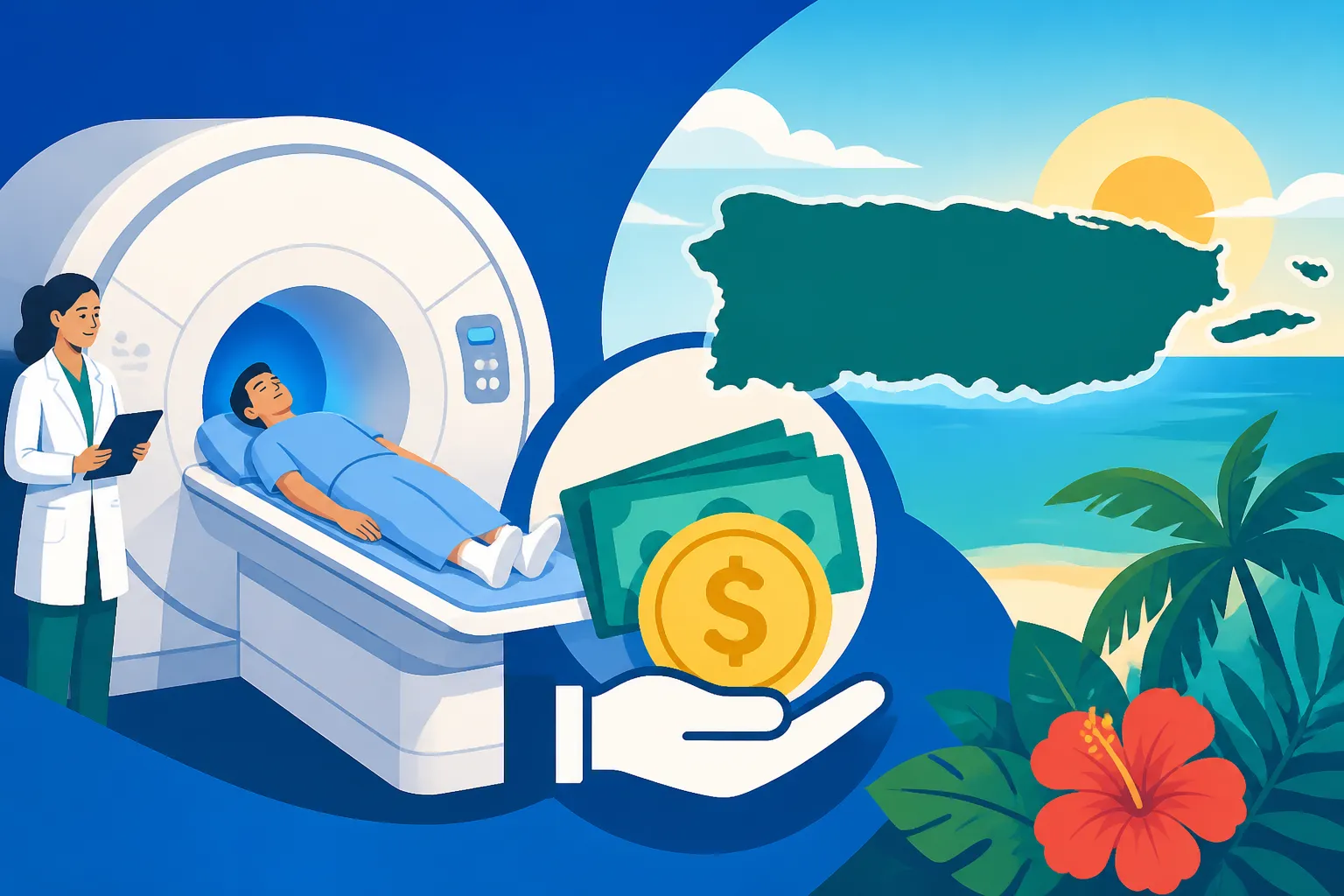
When you first move to the island, everything feels like a tropical dream until you encounter a medical hurdle that requires high-tech diagnostics. Navigating the cost of an MRI scan in Puerto Rico can be an overwhelming experience, especially when you are trying to figure out if your mainland insurance works or if you should pay the cash price. This guide provides a detailed breakdown of 2026 pricing, facility types, and the administrative steps required to get your imaging done without unnecessary stress.
Understanding the Variables That Drive MRI Costs in Puerto Rico
If you have spent any time living on the mainland, you are likely used to the astronomical figures that appear on medical bills. In Puerto Rico, the pricing structure is significantly different, but it is also highly localized. The cost of an MRI is not a flat rate across the island; instead, it depends heavily on the type of facility you choose, the specific part of the body being scanned, and whether or not a contrast dye is required for the procedure.
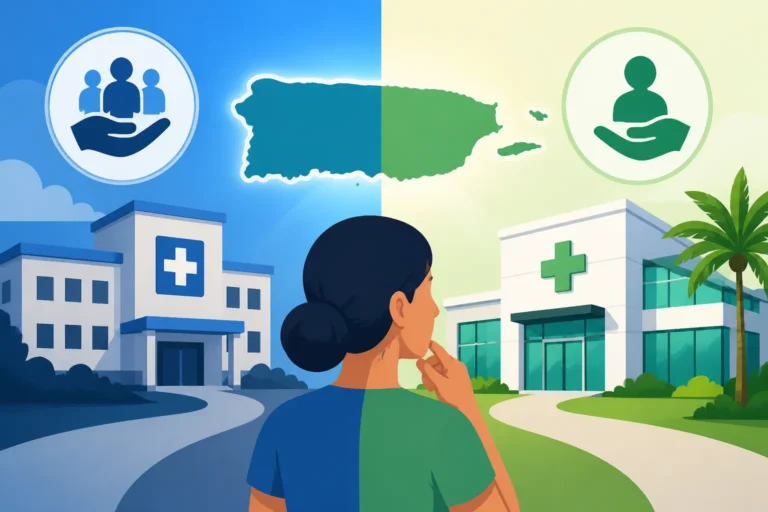
One of the first things you will notice is the distinction between a CDT (Centro de Diagnóstico y Tratamiento) and a full-scale private hospital. CDTs are local diagnostic centers that often offer much lower cash prices for those without insurance. However, they may have older equipment compared to the high-end machines found in San Juan’s premier medical districts. Understanding How Puerto Rico's Health System Works: Public vs Private Explained (2027) is the first step in deciding where to book your appointment. In my experience, if you are looking for the absolute lowest price and have a straightforward referral, a CDT in a smaller town like Caguas or Bayamón will almost always beat the prices in the Condado or Miramar areas.
Another major factor is the use of contrast. Gadolinium, the most common contrast agent, can add anywhere from $150 to $300 to the base price of the scan. Furthermore, the complexity of the scan matters. A basic MRI of the knee or shoulder is generally the baseline price, while a specialized "Total Body" scan or a detailed Cardiac MRI will push the costs into the higher tier. For newcomers, it is vital to know What Documents Do I Need to See a Doctor in Puerto Rico? because you cannot simply walk into an imaging center and request a scan. You must have a physical order, known as a "referido," from a licensed physician on the island.
Estimated Cash Prices for MRI Scans in 2026
For those living here without a local insurance provider, "self-pay" or cash prices are the most transparent way to budget. It is a common misconception that medical care in Puerto Rico is always "cheap." While it is certainly more affordable than in New York or California, it still reflects the rising costs of medical technology and electricity on the island. In 2026, we are seeing a slight increase in these base rates due to the logistical costs of maintaining high-power medical equipment.
Below is a comparative look at what you can expect to pay out of pocket if you do not have a local health plan. These are estimated averages based on current market trends in San Juan and the surrounding metropolitan areas.
| MRI Type | Estimated Cash Price (CDT/Independent Lab) | Estimated Cash Price (Private Hospital) |
|---|---|---|
| Brain MRI (Without Contrast) | $350 – $550 | $600 – $850 |
| Spine/Lumbar MRI | $375 – $575 | $650 – $900 |
| Joint MRI (Knee, Shoulder, Hip) | $400 – $600 | $700 – $950 |
| Abdominal or Pelvic MRI | $450 – $700 | $800 – $1,100 |
| Contrast Agent Fee | $150 – $250 | $200 – $350 |
If you are currently transitioning to the island and are not yet covered by a local provider, you might be asking, How Much Does Health Insurance Cost in Puerto Rico in 2026? to see if it is worth getting a plan immediately. For many digital nomads and temporary residents, using a service like SafetyWing can be a lifesaver during this gap. SafetyWing provides a level of flexibility that traditional local plans often lack, especially if you are still moving back and forth between the mainland and the island. Having SafetyWing can help mitigate the costs of unexpected medical emergencies that might lead to a diagnostic scan.
Navigating the Insurance and Referral Process
The most common frustration I hear from fellow expats is the "Referral Loop." Even if you are willing to pay cash, many facilities are hesitant to book you without a referral from a local doctor. If you are trying to use mainland insurance, the situation becomes even more complex. You must first verify if your provider considers Puerto Rico "in-network." Often, they do not, and you will be forced to pay the "self-pay" rate and seek reimbursement later. This is where Understanding the Difference Between Mainland and Puerto Rico Health Plans becomes crucial for your financial planning.
When you do have local insurance, such as Triple-S, MCS, or Humana, your cost for an MRI will usually be limited to a co-pay. In 2026, these co-pays typically range from $50 to $150 for most mid-tier plans. However, you must ensure that the imaging center you choose is "In-Network." If you go out of network, you might be responsible for 20% to 50% of the total cost, which can lead to a bill that looks much more like a mainland medical bill. For those who are still setting up their lives here, Navigating the Puerto Rico Healthcare System: A Newcomer's Roadmap (2027) can help you understand these networks before you pick a doctor.
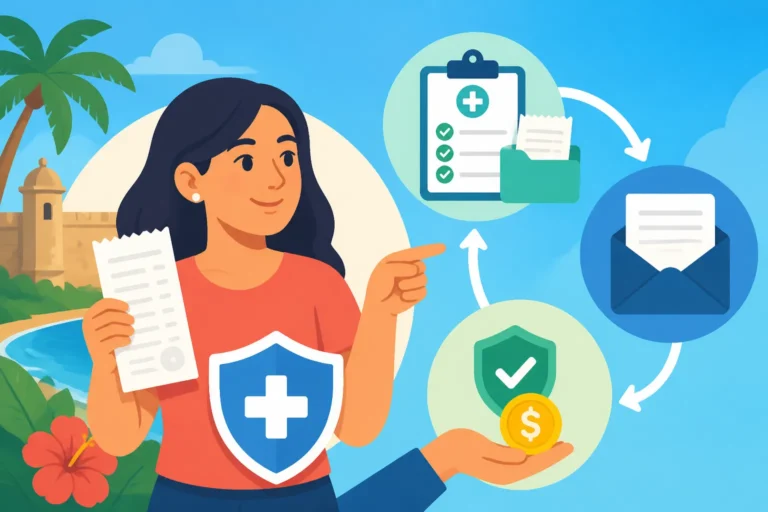
If you are using SafetyWing, the process is usually a "pay-and-claim" model. You will pay the diagnostic center their cash rate, ensure you get a detailed invoice (the "factura") and a copy of the doctor's order, and then submit those to SafetyWing for reimbursement according to your policy terms. This is often much faster than trying to get a mainland Blue Cross Blue Shield plan to talk to a small diagnostic center in San Juan. Before you book, it is always wise to ask: "Cual es el precio para pacientes sin plan medico?" (What is the price for patients without a medical plan?). You will often find that the cash price is significantly lower than the price they bill to insurance companies.
Choosing the Best Facility for Your Needs
Not all MRI machines are created equal. If you suffer from claustrophobia, you will specifically want to look for an "Open MRI." These are available on the island, but they are less common than the traditional "Closed" high-field machines. Facilities in the Santurce area of San Juan are known for having the latest 3T MRI machines, which provide much clearer images than the older 1.5T machines found in some rural clinics. If your doctor has requested a scan for a complex neurological issue, it is worth paying a bit more to go to a high-end facility like those found near the Medical Sciences Campus.
Wait times can also be a significant factor. In a public-facing CDT, you might wait two to three weeks for an appointment. In a private hospital or an independent imaging boutique, you can often get in within 48 to 72 hours if you are paying cash. When searching for a location, you should look for How to Find and Register with a Primary Care Doctor in Puerto Rico first, as they will be the ones directing you to a trusted imaging partner. Many of the best radiologists are concentrated in San Juan, so if you live in Rincon or Cabo Rojo, be prepared to make a day trip to the capital for specialized imaging.
Finally, do not overlook the importance of the radiologist's report. In Puerto Rico, you are entitled to a copy of your images on a CD or via a digital portal, as well as the written report. Always ensure the facility has your correct email address. For expats, having an English-speaking staff can make the process much smoother. You can check Where Can I Find an English-Speaking Doctor in San Juan? to find clinics that frequently work with the international community. These clinics often have established relationships with imaging centers that provide reports in both Spanish and English, which is vital if you need to share the results with a specialist back on the mainland.
Practical Tips for Saving Money on Your Scan
If you find yourself needing an MRI and are worried about the cost, there are several strategies you can use to minimize the impact on your wallet. First, always ask for the "pronto pago" (prompt pay) discount. Many labs will offer a 10% to 20% discount if you pay the full amount on the day of the service rather than asking for a payment plan. Second, compare prices between at least three different centers. The price for a Brain MRI can vary by as much as $300 just by driving fifteen minutes to a different neighborhood.
For those who are not yet permanent residents, keeping a policy like SafetyWing active is the best way to avoid a financial catastrophe. While a $500 MRI is manageable, the hospital stay that might follow if the scan finds something serious is not. Does My Mainland Health Insurance Work in Puerto Rico? is a question with a complicated answer, but usually, the answer involves a lot of paperwork and out-of-pocket spending. By contrast, specialized nomad and travel insurance can bridge that gap with much less administrative friction.
Lastly, make sure you understand How Specialist Referrals Work Under Puerto Rico Health Plans. If you have a local plan, getting the right authorization ("pre-autorización") is the most important step. If you show up for your MRI without the insurance company's stamp of approval, the facility will charge you the full cash price, and your insurance company will likely refuse to reimburse you later. Being proactive and double-checking your paperwork 24 hours before your appointment is the "veteran move" that saves both money and sanity.
Disclaimer
This guide is for informational purposes only and does not constitute medical or legal advice. Healthcare costs and insurance policies in Puerto Rico are subject to frequent change. Always verify pricing and coverage directly with your provider and medical facility before undergoing any diagnostic procedure. For information on the most current local regulations, consult the Puerto Rico Department of Health or a licensed insurance professional on the island.