Is Childbirth Expensive at a Private Hospital in Puerto Rico?
Navigating pregnancy in a new place is terrifying, especially when you are trying to decipher a healthcare system that feels like a hybrid of the U.S. mainland and its own unique Caribbean structure. This guide breaks down the actual costs, insurance hurdles, and hospital experiences you will face when having a baby at a private facility in Puerto Rico, ensuring you can focus on your growing family instead of the hospital bill.
The Financial Reality of Giving Birth at Private Institutions
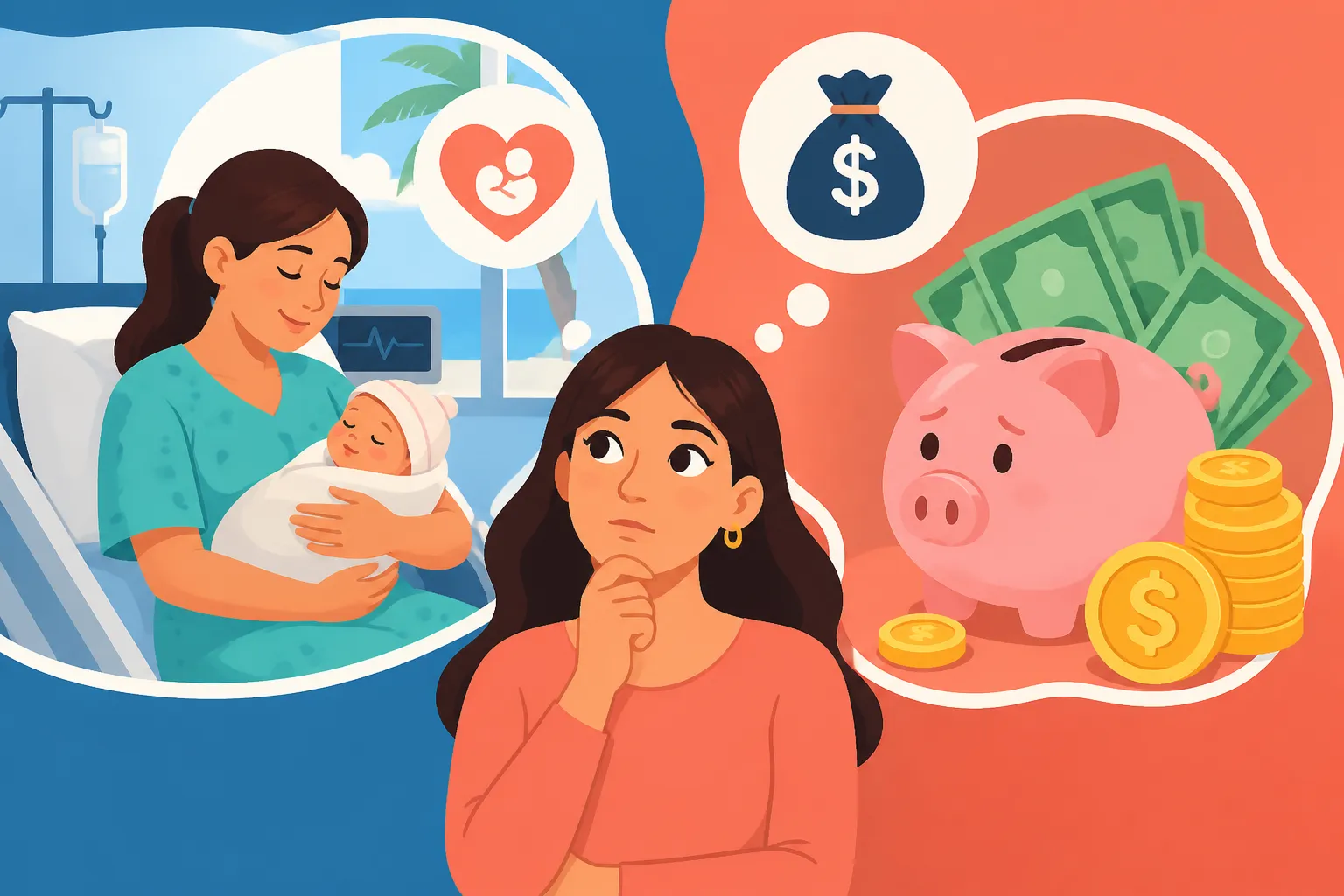
If you are coming from the mainland U.S., the first thing you will notice is that the "sticker price" for medical procedures in Puerto Rico is often lower than in states like New York or California. However, if you are paying out of pocket at a private hospital such as Ashford Presbyterian Community Hospital in Condado or Auxilio Mutuo in Hato Rey, the costs still represent a significant investment. For an uninsured patient, a standard, uncomplicated vaginal delivery can range anywhere from $5,000 to $8,000. If a C-section is required—which is quite common on the island—the price can easily jump to $12,000 or $15,000 once you factor in the operating room fees, anesthesia, and an extended hospital stay.
It is vital to understand that these prices usually only cover the hospital’s facility fees. You will often receive separate bills from the OB-GYN, the anesthesiologist, and the pediatrician who examines the baby in the nursery. This "unbundled" billing can be a major source of frustration for newcomers who expect one consolidated invoice. To get a better sense of how these fees fit into the larger picture, I recommend reading The Cost of Healthcare in Puerto Rico: A Complete Breakdown for Newcomers (2026). Many expats find that even with these costs, the overall expense is more manageable than on the mainland, provided they have planned ahead for the specialized fees that private specialists often charge.
For digital nomads or those who have just arrived and are still waiting for their local insurance to kick in, specialized travel medical insurance like SafetyWing can sometimes offer a safety net for unexpected complications or emergencies during the early stages of pregnancy, though it is crucial to check specific policy terms regarding maternity. Most people moving here permanently eventually transition to a local private plan to cover the bulk of delivery costs. Without a solid insurance plan, you are looking at paying the "turista" rate or the private cash rate, which can vary wildly depending on the prestige of the hospital.
Insurance Coverage and Local Provider Networks
The vast majority of residents in Puerto Rico use local insurance providers like Triple-S, MCS, or Humana. If you have a local private policy, your out-of-pocket costs for childbirth at a top-tier hospital might be remarkably low—sometimes just a few hundred dollars in co-pays for the entire stay. However, the catch is the "red tape." You must ensure that your doctor is in-network and that the hospital you prefer accepts your specific plan tier. You can learn more about how to navigate these choices in our guide on Health Insurance in Puerto Rico: Plans, Costs and Options Explained.
A common pitfall for mainlanders is assuming their stateside Blue Cross Blue Shield or UnitedHealthcare plan will be accepted seamlessly. While some "PPO" plans do work, many doctors in Puerto Rico will ask you to pay upfront and seek reimbursement yourself, which can be a logistical nightmare during a stressful time like childbirth. To avoid this, many expats choose to enroll in a local plan as soon as they establish residency. Understanding How Puerto Rico's Health System Works: Public vs Private Explained is essential because the experience in a private hospital is night and day compared to the public CDT (Centro de Diagnóstico y Tratamiento) clinics.
If you are currently in a transition period and do not yet have a local policy, you might look into SafetyWing as a temporary solution for general health needs, but keep in mind that most insurers, including local ones, have "waiting periods" for maternity coverage if you aren't part of a large employer group. This means if you arrive already pregnant, you might have to pay the private cash rate regardless. This makes choosing the right facility even more critical. Many families spend hours debating between Ashford (which is very popular with English speakers) and Pavia in Santurce. For more help with this decision, check out The Guide to Choosing a Private Hospital in Puerto Rico.
| Service Type | Estimated Private Pay (Uninsured) | Estimated Co-pay (Private Local Insurance) |
|---|---|---|
| Vaginal Delivery (Hospital Fee) | $4,500 – $7,000 | $150 – $500 |
| C-Section Delivery (Hospital Fee) | $9,000 – $14,000 | $300 – $800 |
| OB-GYN Professional Fee | $2,000 – $4,000 | Covered / Small Co-pay |
| Anesthesiology (Epidural) | $800 – $1,500 | $50 – $200 |
| Pediatrician Hospital Visit | $300 – $600 | $20 – $50 |
The Patient Experience: What to Expect in the Delivery Room
Expect a blend of high-tech medical care and traditional cultural values. In private hospitals like Auxilio Mutuo, the facilities are often modern, with private labor and delivery suites. However, you will find that the medical culture in Puerto Rico tends to be quite intervention-heavy. C-section rates on the island are among the highest in the world. If you are hoping for a low-intervention or natural birth, you will need to be very vocal with your OB-GYN early on and perhaps hire a doula who can help navigate the hospital's standard protocols. Finding a provider who shares your philosophy is a key step, so you may want to look into How to Find an English-Speaking Doctor in Puerto Rico to ensure nothing is lost in translation during labor.
One thing that surprises many newcomers is the documentation process. You will need to have all your records in order before the big day. Hospitals are very strict about paperwork, and if you are coming from the mainland, you might need to provide a formal transfer of your prenatal records. Reviewing What Documents Do I Need to See a Doctor in Puerto Rico? can help you prepare your folder. During your stay, the nursing staff will generally be very attentive, but keep in mind that while many doctors speak perfect English, the support staff (nurses, janitorial, cafeteria) may primarily speak Spanish. Learning some basic medical terms in Spanish will go a long way in making your stay more comfortable.
Postpartum care in the hospital usually lasts 24 to 48 hours for a vaginal birth and 72 hours for a C-section. During this time, the hospital will handle the initial "Plantilla" for the birth certificate. This is a crucial administrative step. You don't want to leave the hospital without ensuring the paperwork for the Registro Demográfico is moving forward. This is also the time when you'll need to figure out the baby's insurance. If you are a remote worker or an expat, you might wonder How Do I Add My Newborn to My Health Plan in Puerto Rico? to ensure their first check-ups are covered. SafetyWing is also a great resource to have for the parents’ general health during this period of sleep deprivation and adjustment, especially if you plan on traveling with the baby soon after birth.
Post-Birth Logistics and Newcomer Advice
Once you are home with your new "boricua" baby, the administrative journey continues. You will need to visit the Registro Demográfico to pick up the official birth certificate, which can be a test of patience involving long lines and specific "sellos" (stamps) that must be purchased. Furthermore, if you are working, you should be aware of your rights. Puerto Rico has specific laws regarding Understanding Maternity and Paternity Leave in Puerto Rico that are often more generous than those in many U.S. states. Employers are required to provide a certain amount of paid leave, and there are protections for breastfeeding mothers in the workplace.
Another consideration is the long-term healthcare for your child. Private pediatricians in areas like Guaynabo or San Juan often have "concierge-style" practices where you pay an annual fee for better access, or they may simply operate on a first-come, first-served basis even with an appointment. This can be a culture shock for those used to the highly scheduled nature of mainland clinics. It is part of the island's charm and its challenge. You will also want to make sure you understand the nuances of Understanding Maternity Care and Coverage in Puerto Rico as you transition into pediatric care and potential future pregnancies.
Lastly, don't forget that as a resident, your hospital interactions don't end with delivery. Billing errors are common in the local system. Always keep a copy of every "comprobante" (receipt) and every authorization code your insurance company gives you. For a deeper dive into how hospitals bill their patients, check out Understanding Hospital Admission and Billing in Puerto Rico. Being organized is your best defense against unexpected costs. Whether you are using a local plan or relying on a combination of savings and a safety net like SafetyWing for your broader travel needs, being proactive is the only way to ensure the birth of your child is the joyous occasion it should be, rather than a financial headache.
Disclaimer
The information provided in this guide is for informational purposes only and does not constitute medical, legal, or financial advice. Healthcare costs, insurance policies, and hospital regulations in Puerto Rico are subject to frequent changes. Always consult with your medical provider, insurance representative, and legal counsel to confirm the most current requirements and costs for your specific situation. SafetyWing and other mentioned brands are provided as contextual examples and should be independently verified for their current coverage limits and eligibility requirements.