How Do I Get a Real ID in Puerto Rico?
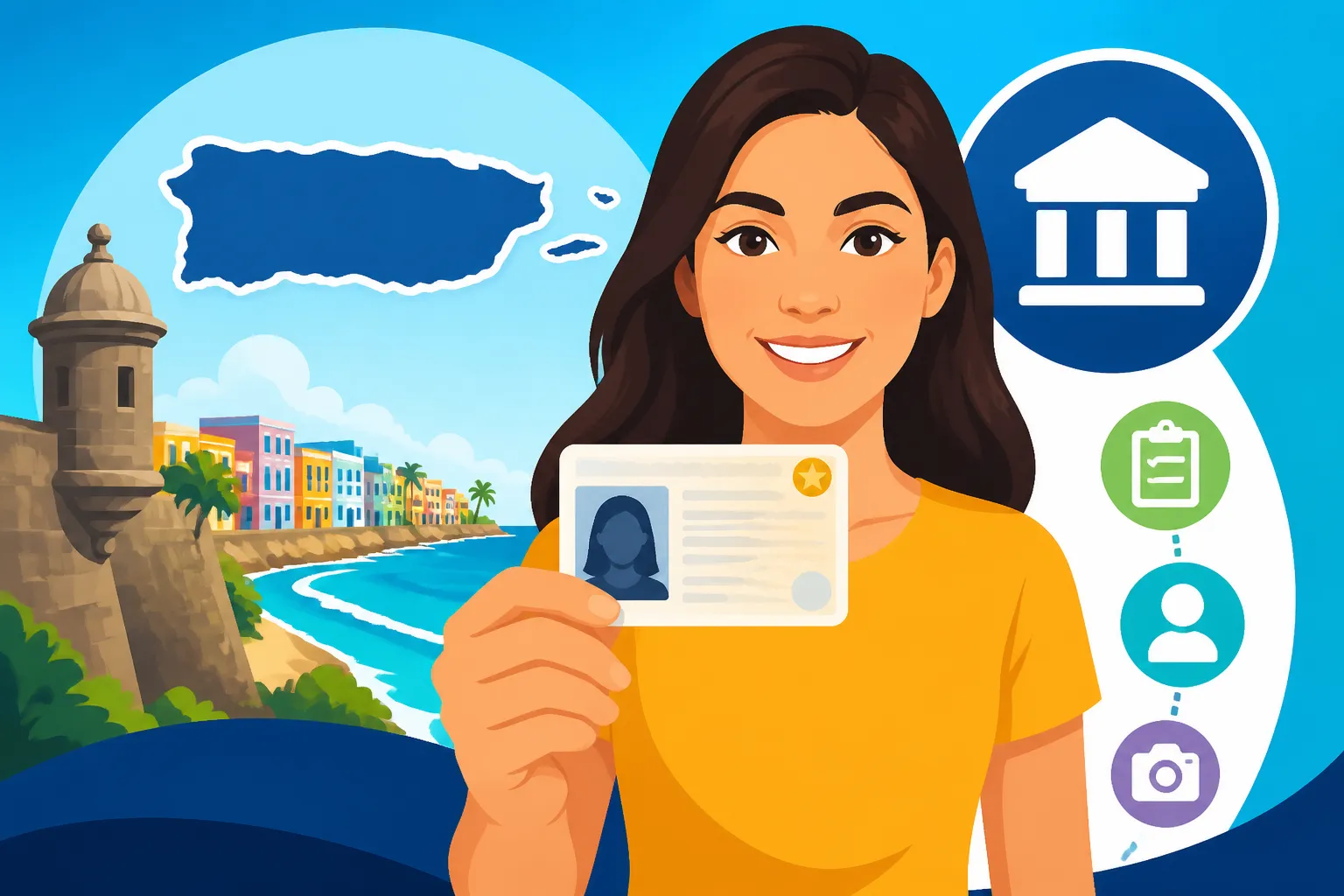
Moving to Puerto Rico, you quickly realize that what seems straightforward on the mainland often involves its own unique blend of bureaucracy and process here. One of those "must-do" tasks that can feel like jumping through hoops is getting your Real ID. This guide is here to walk you through exactly how to obtain your Puerto Rico Real ID, making sense of the requirements and offering a realistic look at what to expect at the local CESCO office.
Understanding the Real ID Mandate and Why It Matters in Puerto Rico
Oh, the dreaded "Real ID" — a phrase that has caused a collective sigh across the United States for years. It's not just another piece of plastic; it’s a security upgrade that impacts everything from air travel to accessing federal facilities. For us expats here in Puerto Rico, understanding its nuances is absolutely crucial, especially when you consider how often we travel back and forth to the mainland or deal with federal agencies.
What Exactly is a Real ID and Why Do I Need One?
Back in 2005, following the recommendations of the 9/11 Commission, the U.S. Congress passed the Real ID Act. This act established minimum security standards for state-issued driver's licenses and identification cards, and it prohibits federal agencies from accepting licenses and ID cards from states that do not meet these standards for certain purposes. Think about it: flying domestically, entering federal courthouses, military bases, or any other secure federal facility. If your ID isn't Real ID compliant, you'll need an alternative form of identification, like a valid U.S. passport or a passport card.
For many years, states had varying deadlines to comply, and there was a lot of confusion. But now, it's pretty much universally enforced. The idea is to make sure that the person holding the ID is, in fact, who they say they are, reducing identity fraud and enhancing national security. It adds an extra layer of verification, and for us, it means making sure our local ID meets these elevated standards so we don't get stuck at TSA.
The Specific Impact for Puerto Rico Residents
Now, for us living in La Isla del Encanto, the Real ID mandate applies just as it does to any U.S. state. Puerto Rico's Department of Transportation and Public Works (DTOP) and its Service Centers (CESCOs) issue Real ID-compliant driver's licenses and non-driver identification cards. This means if you're flying out of Luis Muñoz Marín International Airport (SJU) or heading to any federal building here or on the mainland, your Puerto Rico-issued Real ID will be recognized.
This is a massive convenience, especially for those of us who regularly commute between Puerto Rico and the mainland. Imagine showing up at the airport, excited for a trip, only to be told your ID isn't good enough! It’s an unnecessary headache that a Real ID can easily prevent. So, while it feels like an extra bureaucratic step, it genuinely streamlines your life, particularly if you travel often or interact with federal services like the Social Security Administration or the Department of Veterans Affairs. It's about being prepared and avoiding those frustrating moments where your perfectly valid Puerto Rico driver's license suddenly isn't "valid enough."
The Essential Documents You'll Need for a Puerto Rico Real ID
Getting a Real ID in Puerto Rico, much like anywhere else, is primarily a document game. You need to prove who you are, that you're legally present in the U.S., and that you actually live here on the island. My advice? Over-prepare. Bring more than you think you need, neatly organized, because one missing piece can send you home empty-handed. Trust me, I've been there, staring at a very polite but firm CESCO agent telling me I need "one more thing."
Proof of Identity and Legal Presence
This is the cornerstone of your Real ID application. CESCO needs to be absolutely certain of your identity and your legal right to be in the United States. For U.S. citizens, this usually means:
- Original Birth Certificate: This is often the easiest and most common. Make sure it's the original, not a copy. If it's a foreign birth certificate, it might need to be translated and apostilled – this adds another layer of complexity.
- Valid U.S. Passport or Passport Card: This is also a fantastic option as it often covers both identity and legal presence in one go. If you have one, bring it. It's usually faster than digging up a birth certificate.
- Certificate of Naturalization: If you became a U.S. citizen through naturalization, this is your key document.
For non-U.S. citizens who are legal residents, the process is similar but with different documents:
- Valid Permanent Resident Card (Green Card): This is essential for proving your legal presence.
- Employment Authorization Document (EAD): If you're authorized to work, your EAD often serves as proof.
- Foreign Passport with a valid U.S. Visa and I-94 Form: For those on specific visa types that grant long-term legal presence, you'll need these documents.
Remember, the documents must be original or certified copies. No photocopies will be accepted for this initial proof. This step is critical because it establishes your legal standing, and CESCO agents are very strict about it.
Proof of Social Security Number
Another fundamental requirement for a Real ID is proving your Social Security Number (SSN). This helps link your identity to a federal database, a key component of the Real ID Act.
- Social Security Card: This is the most straightforward way. Again, bring the original card.
- W-2 Form: A recent W-2 form, showing your name and SSN, is typically accepted.
- SSA-1099 Form: This form, related to Social Security benefits, can also serve as proof.
- Non-SSA 1099 Form: For those who are self-employed or freelancers, a 1099 form where your SSN is clearly visible might work.
- Pay Stub: A recent pay stub with your name and SSN printed on it is usually sufficient.
What if you've lost your Social Security card and don't have any of these other documents? You'll need to contact the Social Security Administration (SSA) office in Puerto Rico to get a replacement card or an official letter verifying your SSN. This can add a significant delay, so check for these documents well in advance. Losing your Social Security card is a common hiccup that can really stall your Real ID application process, so make sure you're prepared.
Proof of Residency in Puerto Rico
Ah, la prueba de residencia. This is where many newcomers often stumble, as what counts as proof can sometimes feel a bit arbitrary. CESCO requires at least two different documents to prove that you genuinely reside in Puerto Rico. These documents must show your current name and your physical residential address on the island. P.O. boxes won't cut it, as they need to verify a physical domicile.
Here are some commonly accepted documents:
- Utility Bills: Bills from LUMA (electricity) or AAA (water) are gold-standard. Make sure they are recent (within 60-90 days) and in your name.
- Bank Statements: A recent bank statement from a local bank like Banco Popular or Oriental Bank, showing your physical address, is usually accepted.
- Rental Agreement or Lease: A formal lease agreement for your apartment or house in Puerto Rico, signed by both you and the landlord, is excellent proof.
- Mortgage Statement: If you own property here, a recent mortgage statement will work.
- Property Tax Statement (CRIM): Another solid option if you own property.
- Official Mail from Government Agencies: This could include mail from Hacienda (Puerto Rico Treasury Department), the Department of State, or even the IRS, as long as it's addressed to your physical Puerto Rico residence.
- Homeowner's or Renter's Insurance Policy: A policy for your Puerto Rico residence.
- Voter Registration Card: If you're registered to vote in Puerto Rico, this is a strong indicator of residency.
Make sure the addresses on your chosen documents match. Even slight variations can cause issues. For instance, if one bill has "Apt 2B" and another says "Unit 2B," it could raise questions. It's a pain, I know, but attention to detail here saves you a trip back. This step is crucial for establishing your bona fide residency in Puerto Rico. If you're just starting your move, you might find that setting up utilities and getting mail sorted out takes a bit of time, which impacts how quickly you can get these documents together.
Other Required Documents
Sometimes, depending on your personal circumstances, you might need a few extra pieces of paper.
- Marriage Certificate/Divorce Decree: If your current name differs from the name on your birth certificate (e.g., due to marriage or divorce), you’ll need the official document (original or certified copy) that legally changed your name.
- Current Puerto Rico Driver's License or ID Card: If you're upgrading a standard ID to a Real ID, or simply renewing an existing Real ID, bring your current one.
- Proof of Name Change (Court Order): Any other legal name changes require the official court order.
Having all your ducks in a row for these documents is paramount. Before you even think about heading to CESCO, gather everything, lay it out, and double-check that names, addresses, and dates are consistent and correct. This is where a little upfront organization saves a lot of headache down the line.
The Step-by-Step Process to Obtain Your Puerto Rico Real ID
Okay, so you’ve got your mountain of documents, all neatly organized and verified. Now comes the actual process of getting your Real ID. Navigating the CESCO system in Puerto Rico can feel like a rite of passage for expats, and while it’s gotten much more efficient in recent years thanks to online appointments, it still requires patience and preparedness.
Making an Appointment at CESCO
Gone are the days (mostly, thankfully!) of just walking into CESCO and hoping for the best, standing in line for hours. The most significant improvement in the CESCO experience has been the implementation of the online appointment system, aptly named Citas CESCO. This system is a lifesaver, allowing you to schedule your visit in advance, which drastically cuts down on wait times.
- Access the Citas CESCO Portal: You’ll need to visit the official DTOP website and find the link for Citas CESCO. The website is typically in Spanish, but many browsers offer built-in translation features that can help.
- Select Your Service: Choose the appropriate service, which would be "Solicitud de Licencia de Conducir o Identificación (REAL ID)" or something similar, for either a new driver's license or a non-driver ID card that is Real ID compliant.
- Choose Your CESCO Location: Puerto Rico has multiple CESCO offices across the island. Pick the one most convenient for you. Popular ones like Carolina, Bayamón, or Río Piedras in the San Juan Metro Area are usually busy, so flexibility with your chosen date and time helps.
- Select Date and Time: Browse the available slots. Weekend appointments or early morning slots tend to fill up fast.
- Confirm Your Appointment: You'll usually receive a confirmation via email or text message. Print this confirmation or have it readily accessible on your phone. This is your ticket in the door.
Pro Tip: Sometimes, new appointment slots open up first thing in the morning (around 8 AM) if people cancel, so it's worth checking frequently if you can't find an immediate opening. Don't underestimate the power of a scheduled appointment; it can transform a potentially grueling day into a relatively smooth visit.
Your Visit to the CESCO Office
Even with an appointment, a CESCO visit still requires a strategic approach. What you bring and how you present yourself can make a world of difference.
- Arrive Early: Aim to get there 15-20 minutes before your scheduled time. This gives you a buffer to find parking, locate the right entrance, and get your bearings.
- Bring All Your Documents: I cannot stress this enough. Even if you only think you might need it, bring it. All originals. Have them organized in a folder. I even recommend making a set of photocopies just in case, though they usually want to copy them themselves. Better safe than sorry!
- Expect a Security Check: Like many government buildings, CESCOs have security. Be prepared to go through a metal detector and have your bags scanned.
- Check-in and Wait: Present your appointment confirmation. You'll likely be given a numbered ticket and directed to a waiting area. This is where patience comes in handy. Even with appointments, there can still be delays.
- The Interview Process: When your number is called, you'll go to a window. The agent will review all your documents meticulously. This is where those consistent addresses and original documents really pay off. They might ask questions, and while many agents are bilingual, it helps to have some basic Spanish or to bring someone who can translate if you're not confident. Many expats find it helpful to bring a trusted friend or family member who is fluent in Spanish to assist with any communication gaps, especially when dealing with nuanced questions about documents.
- Fingerprints and Photo: Once your documents are approved, you'll typically be fingerprinted (usually just thumbs) and have your photo taken. Smile! Or try to, anyway, after all that.
- Temporary ID and Mailing: You'll usually be issued a temporary paper ID on the spot. Your official Real ID card will then be mailed to your physical address in Puerto Rico within a few weeks. Remember to keep the temporary ID safe, as it’s your valid proof of identification until the permanent card arrives.
For those who rely on services like Sirelo for relocation assistance, they might offer guidance on specific CESCO locations or processes, but ultimately, the document gathering falls to you.
Fees and Payment Methods
Yes, there's a cost involved, naturally. The fee for a Real ID in Puerto Rico is generally quite reasonable, but it's important to be prepared with the correct payment method.
- Cost: As of my last check, the fee for a new or renewed driver's license that is Real ID compliant is around $18 for a 4-year license, and similar for a non-driver ID. This can change, so it's always wise to confirm the latest fees on the DTOP website or when you make your appointment.
- Payment Methods: Most CESCO offices accept:
- Cash: Exact change is always appreciated, but they generally can make change.
- Debit Cards: Often the easiest method.
- Credit Cards: Most major credit cards are accepted.
- Money Orders: Some people prefer this for larger fees, though it's less common for an ID.
Important: Check if your specific CESCO location has any quirks about payment. Some smaller offices might be cash-only, though the larger ones in metropolitan areas like San Juan, Caguas, or Mayagüez are usually flexible. Having multiple payment options available is always a good idea.
Common Challenges and Troubleshooting for Expats
Let's be realistic: even with the best preparation, things can sometimes go sideways. As an expat, you're dealing with a system that, while part of the U.S., has its own distinct way of doing things, often in Spanish. Expecting a hiccup or two means you won't be completely thrown off when it happens.
Navigating Document Discrepancies
This is probably the number one reason people get turned away from CESCO. Document discrepancies are a common and frustrating issue.
- Name Changes: If your birth certificate has your maiden name, but your Social Security card and utility bills have your married name, you must bring your original marriage certificate (or certified copy). The same goes for any other legal name changes – the official court order is required. Without it, the documents don't align, and the application grinds to a halt.
- Expired Documents: Seems obvious, but sometimes an old passport or Green Card is brought in by mistake. Ensure all your identification and legal presence documents are current and valid.
- Foreign Documents: If you’re a naturalized citizen or a legal permanent resident who used foreign documents (like a foreign birth certificate or marriage certificate) to obtain your U.S. immigration status, CESCO might require these documents to be officially translated into English or Spanish by a certified translator and, in some cases, apostilled. This is a common requirement for many administrative processes in Puerto Rico and can be an unexpected hurdle.
- Proof of Residency Quirks: Sometimes, even with two utility bills, an agent might ask for a third, or question the legitimacy of a specific document (e.g., a handwritten rental agreement). This is where having extra proofs of residency, like a bank statement or official government mail, comes in handy. It is wise to bring 3-4 proofs just to be absolutely certain.
The key here is anticipation. Think through any potential discrepancies in your documents before you go. If you suspect an issue, try to get clarification from CESCO or a knowledgeable local beforehand.
Language Barriers and Seeking Assistance
While many CESCO employees, especially in larger metropolitan areas, are bilingual, you might encounter agents whose primary language is Spanish. For critical, detailed explanations about document requirements or specific clauses, this can pose a significant challenge if your Spanish isn't up to par.
- Bring a Translator: If you're not confident in your Spanish, don't be shy about bringing a friend, family member, or even a professional translator with you. They can help clarify instructions and ensure you understand exactly what's being asked. This can save you immense frustration and potential errors.
- Use Translation Apps: While not perfect for nuanced conversations, having a translation app on your phone can help with basic understanding of forms or general instructions.
- Look for English-Speaking Staff: Politely ask if there is an agent available who speaks English. Many offices do have bilingual staff.
Remember, the goal is to get your Real ID, and clear communication is vital. Don't let pride get in the way of seeking help if you need it.
Dealing with Multiple CESCO Visits
Despite your best efforts, you might find yourself needing to make more than one trip to CESCO. It happens, and it's almost a rite of passage for new residents here. It could be due to a missing document, a discrepancy you weren't aware of, or simply an unexpected system issue on their end.
- Don't Get Discouraged: It’s easy to feel frustrated or even defeated, but remember this is part of integrating into a new place. It’s not personal; it's just the process.
- Ask for Clear Instructions: If you’re turned away, make sure you get very clear, written (if possible) instructions on exactly what you need to provide or correct. Don't leave the counter with vague answers. Ask specific questions: "What exact document should I bring?" "Is a photocopy acceptable, or must it be an original?"
- Re-Schedule Promptly: Once you have a clear understanding of what’s needed, get back on the Citas CESCO portal and schedule your next appointment as soon as possible.
Organizations that help with relocations, like Cigna Global (though more focused on health insurance), often highlight the importance of patience and local knowledge when dealing with administrative tasks in new countries. This advice is particularly apt for Puerto Rico. View it as part of the adventure, a testament to your resilience as an expat.
Maintaining Your Real ID Status and What Comes Next
Congratulations, you've successfully navigated the CESCO labyrinth and you have your shiny new (or renewed) Puerto Rico Real ID in hand! But the journey doesn't end there. Understanding the renewal process and appreciating the ongoing benefits will ensure you continue to enjoy seamless travel and access.
Renewal Process for Your Puerto Rico Real ID
Your Real ID, like any driver's license or state ID, has an expiration date. In Puerto Rico, standard driver's licenses and identification cards are typically valid for four or six years. It's crucial to keep track of this date and initiate the renewal process before it expires, as driving or using an expired ID can lead to complications.
The renewal process for a Real ID is generally less cumbersome than the initial application because your information is already in the system. However, you'll still need to provide updated documents:
- Your Expiring Real ID: This is your primary identification for renewal.
- Proof of Residency: You'll likely need one or two recent proofs of residency, such as utility bills, to confirm you still live at your registered address. This is especially important if you've moved since your last ID was issued.
- Proof of Social Security Number: While less stringent during renewal, having your Social Security card or a document showing your SSN is always a good idea.
- Vision Test: You will likely need to pass a simple vision test, which is usually done right at the CESCO office.
- Payment: Of course, there will be a renewal fee, similar to the initial application fee.
The renewal process can often be initiated online through the DTOP portal for certain services, or you can make another Citas CESCO appointment. My advice is to always use the appointment system; it's just easier. Don't wait until the last minute, because appointments can sometimes be booked out a few weeks in advance. Planning ahead ensures you won't have a gap in your valid identification. Staying on top of your renewals means you'll continue to enjoy hassle-free experiences at airports and federal buildings. For more detailed information on renewing any form of identification on the island, you can refer to How Do I Renew My Puerto Rico Driver's License?.
The Benefits of Having a Real ID in Puerto Rico and Beyond
The most immediate and tangible benefit of your Puerto Rico Real ID is the ease it brings to domestic air travel. No longer will you have to scramble for your passport every time you want to hop on a flight to the mainland, or even between islands if you're flying commercially. It’s accepted by the Transportation Security Administration (TSA) at all U.S. airports. This is a game-changer for many expats who frequently visit family or conduct business on the continent.
Beyond air travel, your Real ID grants you access to federal facilities, including courthouses, military bases, and other secure government buildings. While not an everyday occurrence for everyone, for those who need it, it's invaluable. It means one less layer of hassle when dealing with federal agencies that might require enhanced identification.
Moreover, having a Real ID is a robust form of identification for everyday life in Puerto Rico. It serves as official proof of age, identity, and residency. Whether you're opening a new bank account at Banco Popular, picking up a registered package at the post office, or simply confirming your identity for various services, your Real ID is a universally accepted document. It effectively ties you into both the local administrative system and the broader U.S. federal requirements, offering a comprehensive and secure identity solution. It's truly a foundational document for establishing yourself as a resident here, complementing other important steps like How to Establish Bona Fide Residency in Puerto Rico (2027) or understanding The Complete Guide to Moving to Puerto Rico as a US Citizen (2027). In essence, your Real ID acts as a powerful key, unlocking smoother administrative interactions and travel experiences.
Disclaimer
Please note that while this guide provides comprehensive information based on current knowledge and common practices, regulations and procedures in Puerto Rico can change. It is always advisable to consult the official Department of Transportation and Public Works (DTOP) website or contact a CESCO office directly for the most up-to-date requirements and information before undertaking any application process. This article is for informational purposes only and does not constitute legal or official advice.