How to Enroll Children in School When Relocating to Puerto Rico
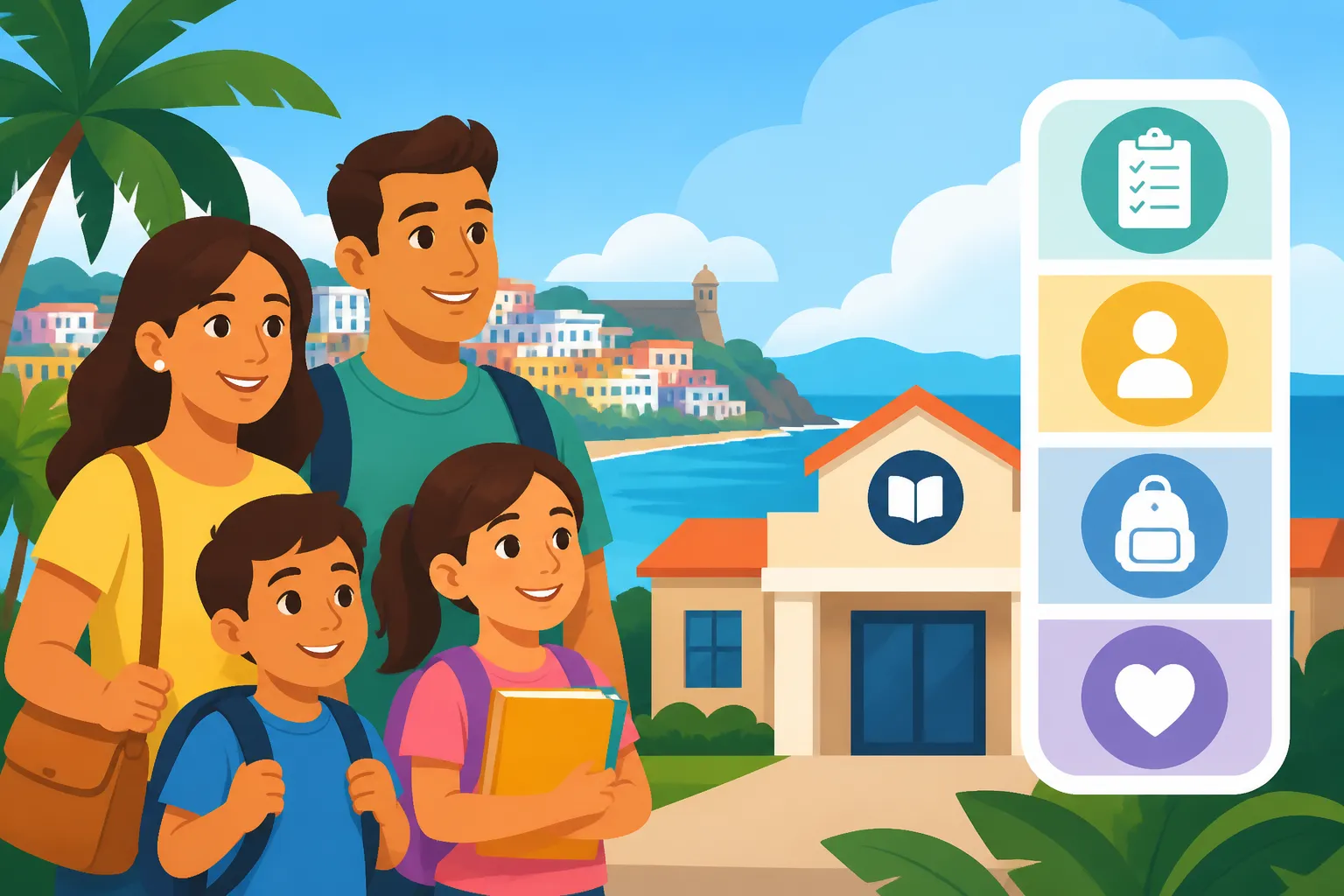
Relocating your family to a new place is always an adventure, but let’s be honest, it comes with a massive headache of logistics – and perhaps nothing feels more pressing and stress-inducing than figuring out where your children will go to school. The public school system here in Puerto Rico, like many things on the island, operates a little differently than what you might be used to on the mainland, and even private schools have their own unique quirks. This guide is here to walk you through the often-confusing process of enrolling your children in school after moving to Puerto Rico, providing clear, empathetic, and actionable advice to help ease your transition.
Initial Considerations for School Enrollment in Puerto Rico
Before you even start gathering documents, it's crucial to understand the landscape of education in Puerto Rico. It’s not a one-size-fits-all situation, and what works for one family might not be the right fit for yours. Thinking through these initial considerations will save you a lot of time and frustration down the road. You’ll be navigating a system that, while part of the U.S., has its own distinct culture, language, and administrative processes.
Public vs. Private vs. Charter Schools
Puerto Rico offers a variety of educational settings, each with its own advantages and challenges. The decision often boils down to your family's budget, your children's learning needs, and your long-term goals on the island. Public schools, known locally as escuelas públicas, are managed by the Department of Education of Puerto Rico (DEPR) and are tuition-free. They primarily operate in Spanish, though some offer bilingual programs. While they are a vital resource, they often face challenges such as resource limitations, larger class sizes, and, in some areas, infrastructure issues. However, they can be an excellent way for your children to integrate fully into the local culture and language.
On the other hand, private schools are abundant, especially in metropolitan areas like San Juan, Guaynabo, and Dorado. These schools often boast smaller class sizes, more comprehensive resources, and a wider range of extracurricular activities. Many private schools are bilingual or even fully English-speaking, which can be a huge relief for families whose children are not yet fluent in Spanish. However, the costs can be substantial, ranging from a few thousand dollars to upwards of $20,000 per year, not including uniforms, books, and other fees. You'll find a deep dive into these costs in our guide, Understanding the Cost of Private Schools in Puerto Rico.
Charter schools are a newer addition to Puerto Rico's educational landscape, offering an alternative that blends aspects of both public and private systems. These schools are publicly funded but independently operated, allowing for innovative curricula and teaching methods. They often focus on specific areas like STEM, arts, or bilingualism. Enrollment is typically based on a lottery system, and spaces can be competitive. While they offer a tuition-free option with potentially better resources than traditional public schools, their availability is still limited to certain regions.
Language and Curriculum Considerations
The predominant language of instruction in Puerto Rico’s public schools is Spanish. While English is taught as a second language, immersion in a fully Spanish-speaking environment can be a steep learning curve for children not accustomed to it. This can be a source of stress, especially for older children who are already grappling with the general upheaval of a move. However, children are incredibly resilient, and many quickly pick up the language through daily interaction.
Private schools often offer more diverse language options. You'll find a spectrum from fully bilingual schools (Spanish and English) to those where English is the primary language of instruction, with Spanish taught as a subject. Some international schools even offer curricula like the International Baccalaureate (IB) or AP programs, which can be beneficial if you anticipate further international moves or plan for your children to attend mainland universities. It’s essential to consider your child's current language proficiency and your family’s comfort level with language immersion when making your school choice. Many parents find peace of mind opting for a fully English-speaking private school initially, then transitioning to a bilingual environment once their children feel more settled and confident.
Navigating the Public School System
Enrolling in the public school system in Puerto Rico, managed by the Department of Education (DEPR), is certainly possible and can be a fantastic way for your children to embrace local culture. However, it requires a bit of patience and persistence, as the administrative processes can sometimes feel opaque to newcomers.
Enrollment Process and Required Documents
The first step in enrolling your child in a public school is to identify your zoned school. This is usually determined by your residential address. You can often find this information by contacting the regional education office (Region Educativa) that serves your municipality. Once you've identified the school, you'll need to gather a comprehensive set of documents. This is where you might feel like you're collecting an entire archive, so be prepared!
Commonly requested documents include:
- Original Birth Certificate: Make sure it’s an official, certified copy.
- Proof of Residency: This is critical. You'll need utility bills (electricity from LUMA Energy, water from AAA, or even internet) in the parent's name, a lease agreement, or a property deed. Sometimes, they might ask for more than one proof, so have a few options ready.
- Immunization Record (Formulario Verde): This is non-negotiable. Your child’s mainland immunization record will need to be translated and validated by a local doctor or health department in Puerto Rico. This often involves a visit to a pediatrician here to ensure all local requirements are met. It’s a process, but absolutely necessary. You can learn more about this in our guide on Understanding Childhood Vaccination Requirements in Puerto Rico.
- Academic Records/Transcripts: Bring the most recent report cards or official transcripts from your child’s previous school. These help the school determine appropriate grade placement.
- Parent/Guardian Photo ID: A valid driver’s license or passport will be required.
- Social Security Number of the Child: While not always strictly enforced for initial enrollment, it's often requested for official records.
- Special Education Records (if applicable): If your child has an Individualized Education Program (IEP) or 504 plan, bring all related documentation.
The actual enrollment process typically involves visiting the school directly during designated registration periods. It’s always a good idea to call ahead to confirm office hours and specific requirements, as these can vary slightly from school to school. Don't be surprised if you're asked for additional documents not on this list; flexibility and a good attitude will serve you well.
Challenges and Support for Newcomers
Navigating the public school system in Puerto Rico can present some unique challenges for newcomer families. The primary one is often the language barrier, not just for your child but also for you, the parent, as school communications and meetings are usually conducted in Spanish. If your Spanish isn't strong, consider bringing a friend or a professional translator to meetings, especially initial enrollment. School staff, while generally helpful, may not always have English proficiency.
Another challenge can be the varying quality of resources across different schools and municipalities. Some schools are well-equipped and maintained, while others may be struggling with outdated facilities or limited supplies. It's advisable to visit prospective schools in person if possible, or at least speak to other expat parents in the area for their insights. Online expat forums and community groups can be invaluable resources for honest opinions and advice.
Support for newcomers is not always formalized within the public school system itself. However, many schools have parent associations that can be a great way to connect and get local insights. Don't underestimate the power of connecting with other parents at school pick-up or community events. They often have the most up-to-date information and tips for navigating the system. Remember, integrating into a new culture takes time, and the school environment can be a microcosm of that journey.
Exploring Private and International Schools
For many expat families, private and international schools offer a smoother transition, especially if language is a significant concern or if they are looking for a curriculum consistent with what their children experienced on the mainland. These schools come with a higher price tag but often provide resources and programs tailored to an international student body.
Benefits and Curricula Offered
The benefits of private and international schools in Puerto Rico are often immediately apparent. Most offer robust English-language instruction, with many being fully accredited by U.S. educational bodies, ensuring that academic credits transfer easily should you decide to move again. Schools like Commonwealth-Parkville School, St. John's School, and TASIS Dorado are well-known for their strong academic programs, advanced placement (AP) courses, and diverse extracurricular activities including sports, arts, and clubs.
Beyond academics, these schools often provide a multicultural environment that can be very comforting for expat children. They tend to have students from various backgrounds, helping newcomers feel less isolated. The support staff may also be more experienced in assisting children transitioning from different educational systems. For families who plan for their children to attend universities on the mainland, the familiarity of the curriculum and standardized testing preparation can be a significant advantage. Some schools even offer specialized programs like the International Baccalaureate (IB), providing a globally recognized diploma.
Application Process and Costs
The application process for private and international schools is typically more formalized and competitive than public schools. It usually involves several steps:
- Inquiry and Tour: Most schools encourage initial inquiries online or by phone, followed by a campus tour. This is your chance to see the facilities, meet staff, and get a feel for the school's culture.
- Application Submission: You’ll need to complete an application form, often online, and pay a non-refundable application fee.
- Required Documents: Similar to public schools, you'll need birth certificates, immunization records (often with a local doctor's stamp), and previous academic records. However, private schools often require more extensive documentation, such as teacher recommendations, standardized test scores (if applicable), and even student essays or interviews for older children.
- Admissions Testing: Many private schools require entrance exams to assess academic readiness, especially for subjects like English, Math, and sometimes Spanish.
- Interview: Both parents and students may be required to interview with admissions staff or school leadership. This is an opportunity for the school to learn more about your child and for you to ask any remaining questions.
Tuition fees vary widely. As noted, they can range from $5,000 to over $20,000 per year, with additional costs for uniforms, books, technology fees, transportation, and extracurricular activities. Some schools also require a one-time enrollment fee or capital contribution. It's crucial to get a detailed breakdown of all costs upfront to avoid surprises. When planning your relocation budget, remember to factor in these significant educational expenses, which can be considerable. Speaking of planning, when you're thinking about the big move and shipping household items, services like Sirelo can help you find reputable moving companies that specialize in international relocations, ensuring your family's belongings arrive safely and efficiently.
Practical Steps and Documentation for Enrollment
Regardless of whether you choose public or private school, there's a common thread of practical steps and documentation you'll need to navigate. Organization is key here; a misplaced document can easily delay the entire process.
Compiling Your Child's Records
Before you even step foot in a school office, create a dedicated folder, physical and digital, for all your child's educational and medical records. This might seem like overkill, but trust me, it’s worth it. You’ll be asked for these documents repeatedly throughout your relocation process, not just for school.
Here’s a checklist of what to compile:
- Official Birth Certificate: Always have the original and several certified copies.
- Academic Transcripts/Report Cards: Get official copies from all previous schools, going back several years if possible. Ensure they are sealed in an envelope by the previous school if possible, for official verification.
- Immunization Records: Obtain a comprehensive record from your child's pediatrician. This is critical for getting the Formulario Verde in Puerto Rico. You'll need to bring this to a local pediatrician or public health clinic to get it converted or validated for the local system.
- Medical History: Any significant medical conditions, allergies, or ongoing treatments should be documented by your current physician. This helps school nurses and staff provide appropriate care.
- Dental Records: While not always strictly required for enrollment, having recent dental records is good practice for establishing care in Puerto Rico.
- Standardized Test Scores: If your child has taken any standardized tests (e.g., state assessments, SAT/ACT for high schoolers), include these.
- Special Education Documents: IEPs, 504 plans, psychological evaluations, and any other relevant assessments are crucial for ensuring continuity of services.
- Letters of Recommendation: For private schools, teacher recommendations are often a strong component of the application.
- Proof of Parental Identity: Copies of your passport, driver's license, and, if applicable, your child's U.S. passport.
- Proof of Residency in Puerto Rico: As mentioned earlier, utility bills, a lease agreement, or property deed.
It’s always a good idea to have everything translated into Spanish if it's not already. While many private schools will accept English documents, public schools may require Spanish translations. Consider hiring a certified translator for official documents to avoid any issues.
Navigating Transfer Credits and Grade Placement
One of the anxieties parents often face is how their child's academic progress will translate to a new school system. For elementary and middle school students, grade placement is usually straightforward, based on age and previous grade completed. However, for high school students, especially those entering their junior or senior year, transfer credits become a significant concern.
Most U.S.-accredited private schools in Puerto Rico operate on a similar credit system to mainland schools, making transfers relatively smooth. They will review your child's transcripts to determine which courses fulfill their graduation requirements. If your child attended a school with a different system, there might be a need for some adjustments or even remedial coursework.
In the public school system, transfer of credits also occurs, but it might involve more bureaucracy. The school will assess the courses taken and assign equivalents based on the Puerto Rico Department of Education curriculum. It’s vital to have detailed course descriptions from your child’s previous school, especially for specialized subjects, to ensure they receive proper credit. Be prepared for some back-and-forth communication, and don't hesitate to follow up on your child's credit evaluation. The more organized you are with your documentation, the smoother this process will be. Remember, the goal is a seamless academic transition, and being proactive on this front will pay dividends.
Beyond the Classroom: Supporting Your Child's Transition
Enrolling your child in a new school is just the first step. The real work begins in supporting them emotionally and socially as they adapt to an entirely new environment, culture, and potentially a new language. This transition can be overwhelming for kids, and your role as a supportive parent is paramount.
Addressing Language Barriers and Cultural Shock
For children, especially those moving from the mainland, the language barrier can be the most immediate and daunting challenge. Imagine being thrown into a classroom where you understand little of what's being said – it's isolating and frustrating. For kids in public schools, this will mean a rapid immersion, which, while effective, can initially feel like sinking. Even in English-speaking private schools, the daily life outside school – the corner store, the neighbors, social interactions – will often be in Spanish.
Encourage your child to embrace the language. Consider enrolling them in Spanish tutoring or language camps specifically designed for non-native speakers. Celebrate every new word or phrase they learn. More importantly, validate their feelings of frustration or sadness. It's okay for them to miss their old friends and school. Remind them that learning a new language is a superpower they’re developing. As for cultural shock, Puerto Rico has a vibrant, warm, and family-oriented culture. Help your children engage by participating in local festivals, trying new foods, and exploring the island. The more they feel connected to their new home, the easier the transition will be.
Connecting with the School Community and Other Parents
One of the best ways to support your child and yourself is to actively engage with the school community. For public schools, this might mean attending parent-teacher association (PTA) meetings, volunteering for school events, or simply striking up conversations with other parents at drop-off and pick-up. Even if your Spanish isn't perfect, making the effort shows your commitment and can open doors to invaluable friendships and support networks.
In private and international schools, parent involvement is often more structured. These schools frequently have active parent associations that organize social events, fundraising, and support groups. Many expat families find solace and practical advice within these circles, creating a mini-community of their own. Don't be shy about reaching out; most parents who have gone through the relocation process are more than willing to share their experiences and offer guidance. This network can also be a fantastic resource for everything from finding reliable babysitters to understanding local services. For peace of mind regarding healthcare during this transition, exploring international health insurance options like Cigna Global can ensure your children have access to quality medical care no matter where your adventures take you. Having a robust health plan is one less thing to worry about when your family is adjusting to a new home.
Ensuring Continuity of Care for Special Needs Students
If your child has special educational needs, ensuring continuity of care is paramount. While both public and private schools in Puerto Rico are obligated to provide services for students with disabilities, the implementation and resources can vary significantly.
For public schools, bring all your child's existing IEPs, 504 plans, and diagnostic reports. The Puerto Rico Department of Education has a special education division that will review these documents. A new assessment may be required to determine eligibility for services under local regulations. Be proactive in scheduling meetings with the school's special education coordinator to discuss your child's needs and the services they can provide. It's a system that, like many public services, requires advocacy from parents.
Private schools often have varying levels of support for special needs. Some larger international schools might have dedicated learning support specialists and resources, while smaller schools might have more limited offerings. It's crucial to openly discuss your child’s needs during the application process to ensure the school can adequately accommodate them. Ask specific questions about their special education programs, teacher-student ratios in those programs, and what therapies or interventions are available on campus or through partnerships. Having all your documentation meticulously organized, as discussed in How to Enroll Your Child in a Puerto Rico School, will be immensely helpful in these discussions. The goal is to find an environment where your child can thrive academically, socially, and emotionally, receiving the support they need to succeed in their new Puerto Rican home.
| Aspect | Public Schools (DEPR) | Private/International Schools |
|---|---|---|
| Language of Instruction | Primarily Spanish (some bilingual programs) | English, Bilingual (Spanish/English), or other languages |
| Tuition Cost | Free | Varies widely ($5,000 – $20,000+ annually) |
| Curriculum | Puerto Rico Department of Education standards | U.S. common core, IB, AP, varied international curricula |
| Class Size | Can be larger, especially in urban areas | Generally smaller |
| Resources | Varies by school and municipality; can be limited | Generally more extensive (technology, sports, arts) |
| Application Process | Residency-based enrollment; during specific periods | Competitive; application, testing, interviews, recommendations |
| Special Needs Support | Mandated by law, but resources can be stretched | Varies by school; often specialized learning support staff |
| Integration | Deep immersion into local culture and language | Multicultural environment; often caters to expat community |
| Accreditation | Puerto Rico Department of Education | U.S. regional, international bodies, or local PRDOE |
Disclaimer
The information provided in this guide is for general informational purposes only and does not constitute legal, educational, or professional advice. While we strive to provide accurate and up-to-date information, school policies, requirements, and regulations in Puerto Rico can change without notice. Always verify specific details with the relevant school authorities, the Puerto Rico Department of Education, or qualified professionals before making any decisions. We strongly recommend contacting schools directly and consulting with legal or educational experts as needed for your specific situation.