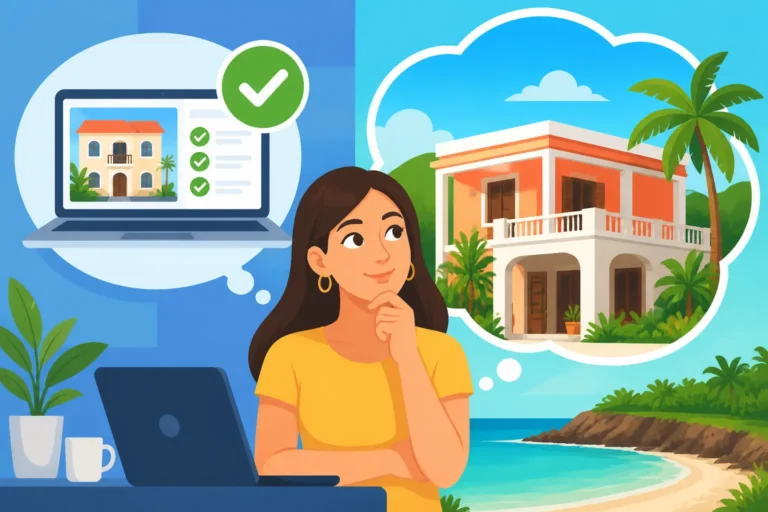
How Do I Choose Between a Condo and a House in Puerto Rico?
So, you’ve decided to make the incredible leap and move to our beautiful island, Puerto Rico! That's fantastic. But now comes one of the biggest, and often most stressful, decisions: where are you going to lay your head at night? Specifically, the age-old dilemma of whether to go for a cozy condo or a sprawling house. Trust me, I’ve been there, staring at listings, wondering which path leads to true island bliss. This guide will delve deep into the pros and cons of both condos and houses here in Puerto Rico, helping you navigate this crucial choice for your new life.
The Allure of Condo Living in Puerto Rico
Many newcomers, especially those fresh off the plane, find themselves initially drawn to the ease and perceived simplicity of condo living. It’s a compelling prospect, offering a distinct lifestyle that can be a perfect fit for some, while a source of frustration for others.
Convenience, Amenities, and Security
Let’s be honest, one of the biggest draws of a condo, especially in areas like San Juan or Dorado, is the sheer convenience. Imagine coming home after a long day, parking in a secure garage, and knowing that most of your outdoor maintenance is handled by someone else. That’s the reality for many condo dwellers. You're typically not mowing lawns, trimming hedges, or worrying about pool cleaning, because the Homeowners Association (HOA) takes care of all that. This can be a huge relief, particularly if you’re still getting your bearings on the island or if you travel frequently.
Many condo complexes, particularly in more sought-after areas, boast fantastic amenities. We’re talking resort-style pools, fitness centers, community rooms, and sometimes even direct beach access. These aren't just luxuries; they're often where you'll meet other residents and build your local network. It’s a ready-made community, which can be invaluable when you're a newcomer trying to find your footing. Plus, security is usually a top priority. Gated access, 24/7 guards, and surveillance systems offer a peace of mind that can be hard to replicate with a standalone house, especially if you’re living in a less developed area. For those who value safety and want a hassle-free lifestyle with built-in social opportunities, a condo can feel like a slice of paradise.
Navigating HOA Rules and Fees
However, this convenience comes with its own set of rules and, of course, fees. When you buy into a condo, you’re not just buying a unit; you're buying into a community governed by an HOA. This means you'll have monthly HOA fees, which cover everything from common area maintenance to the salaries of security staff and property managers. These fees can vary wildly, from a few hundred dollars to well over a thousand, depending on the amenities and location. It's crucial to understand Understanding HOA and Condo Maintenance Fees in Puerto Rico before you commit.
Beyond the fees, HOAs have rules – often a lot of them. Want to paint your front door a vibrant color? You might need approval. Thinking of putting up a new awning? Better check the regulations. Got a large pet? Some condos have weight or breed restrictions. These rules, while designed to maintain property values and a harmonious living environment, can feel restrictive for those accustomed to complete autonomy. For instance, hurricane preparedness is often managed by the HOA for the building structure, which is great, but individual unit owners still have responsibilities for their windows and balconies. It's a trade-off: less personal responsibility for maintenance, but more collective responsibility for adhering to community standards. It’s important to get a copy of the HOA bylaws and declarations before you even think about putting in an offer, so you know exactly what you’re signing up for.
Embracing House Ownership in Puerto Rico
For many, the dream of living in Puerto Rico involves a standalone house, complete with a yard, a private outdoor space, and the freedom to truly make it their own. This path offers a different kind of reward and a different set of challenges.
Space, Privacy, and Autonomy
The most obvious benefit of a house is the space and privacy it affords. If you have a family, pets, or simply crave more room to breathe, a house is often the preferred choice. Imagine a lush backyard for gardening, a private pool where you can relax without sharing, or simply the ability to open your windows without hearing your neighbor's conversations. This kind of personal sanctuary is a huge draw for many expats. You get to define your boundaries, quite literally.
With house ownership, you also gain full autonomy over your property. Want to add an extension? Go for it (pending municipal permits, of course!). Feel like painting your house a brilliant turquoise? No HOA to tell you otherwise. This freedom extends to landscaping, interior renovations, and truly customizing your home to fit your personal style and needs. If you’re someone who loves home improvement projects, or who simply values the ability to make your own decisions without external approval, a house offers unparalleled flexibility. For those with dogs, especially larger breeds, a private yard is often non-negotiable, and it’s much easier to find suitable housing that allows pets without restrictions in a house compared to many condos. This also means you have full control over things like installing solar panels or a backup generator, which can be critical given the island's sometimes temperamental power grid.
The Realities of Maintenance and Responsibility
However, with great freedom comes great responsibility, especially when it comes to maintaining a house in Puerto Rico. The tropical climate, while beautiful, is tough on properties. Salt air, humidity, and torrential rains mean that exterior maintenance is an ongoing battle. You'll be dealing with everything from roof inspections to pest control, plumbing issues, and electrical quirks, all on your own dime and time. If you’re not handy or don’t have a network of trusted contractors, these responsibilities can quickly become overwhelming and expensive.
Hurricane season, from June to November, also takes on a different dimension when you own a house. You're solely responsible for securing your property, which means hurricane shutters, clearing debris, and managing any damage that may occur. While important for condos, Understanding Flood Zones and Hurricane Insurance in Puerto Rico is particularly critical for houses, especially those near the coast or in low-lying areas. It's not just about repairing damage; it's about the proactive work of preparing your home year after year. For some, this hands-on approach is part of the charm of island living, but for others, it's a significant burden. When planning your relocation, keep in mind that services like Sirelo can assist with the logistics of moving your belongings, but the actual home maintenance will fall squarely on your shoulders once you're here.
Navigating the Decision: Key Factors to Ponder
Choosing between a condo and a house isn't just about personal preference; it's a complex decision influenced by your lifestyle, financial situation, and long-term goals.
Lifestyle and Community Preferences
Think deeply about your ideal day-to-day life here. Do you envision yourself meeting neighbors at the community pool, participating in condo board meetings, and enjoying shared amenities? Or do you dream of quiet mornings on your private patio, uninterrupted by shared walls or common area traffic? Condo living often implies a denser, more communal environment. You’re more likely to run into neighbors and partake in organized social events. In vibrant areas like Condado or Old San Juan, this can mean a bustling, walkable lifestyle with shops, restaurants, and cultural spots right outside your door.
A house, conversely, typically offers more solitude. While you'll still have neighbors, the interaction is often less structured. You’ll have more control over your personal space and your immediate environment. Consider whether you prefer the urban hum and convenience of a condo in a metropolitan area like San Juan, or the suburban tranquility and expansive feel of a house in a town like Dorado or Guaynabo. Your choice will profoundly impact your daily routine and social engagement. If you're someone who thrives on a vibrant, walk-able urban experience, a condo or apartment in a city might be your jam. If you prefer a tranquil, expansive environment with direct access to nature and gardening space, a house might be calling your name.
Financial Considerations and Investment
The financial aspect is, of course, paramount. While the sticker price of a house might seem higher than a condo, it's crucial to look beyond that initial number. With a condo, you’re paying those monthly HOA fees on top of your mortgage, property taxes, and insurance. These fees are non-negotiable and can increase over time. On the flip side, property taxes in Puerto Rico are generally lower than on the mainland, which can make homeownership more attractive for some. For a full breakdown, check out The Complete Guide to Property Taxes (CRIM) in Puerto Rico (2027).
For a house, you’ll have fewer recurring fees but more direct costs for maintenance, repairs, and potentially higher utility bills if it's larger or less energy-efficient. You’ll also need to budget for things like lawn care, pool maintenance, and regular professional inspections. When considering purchasing, whether a condo or a house, getting a mortgage in Puerto Rico can be a bit different from the mainland. It’s worth exploring How to Get a Mortgage to Buy a Home in Puerto Rico early in your planning. Ultimately, the cost of living varies significantly between housing types and locations on the island, so understanding The Complete Guide to Cost of Living in Puerto Rico (2026) will give you a clearer picture. As you are settling in, don't forget practicalities like setting up your mobile connectivity. An eSIM from a provider like Airalo can be incredibly convenient for reliable data while you're navigating these financial decisions and scouting properties, ensuring you're always connected without the hassle of physical SIM cards.
| Feature | Condo | House |
|---|---|---|
| Privacy | Shared walls, common areas, less private | More private, individual yard, no shared walls |
| Maintenance | Mostly covered by HOA (exterior, common areas) | Owner's full responsibility (all aspects) |
| Amenities | Often includes shared pools, gyms, security | Private amenities (pool, garden) if property allows |
| Security | Typically gated, 24/7 guards, controlled access | Owner's responsibility to install/manage |
| HOA Fees | Mandatory monthly fees apply | No HOA fees (unless part of a specific community) |
| Autonomy | Subject to HOA rules and regulations | Full autonomy over property (within municipal laws) |
| Space | Generally smaller, vertical living | Generally larger, horizontal living, yard space |
| Pets | Often restricted by size/breed | Fewer restrictions (owner's discretion) |
| Hurricane Prep | Building structure often managed by HOA | Owner's full responsibility for securing property |
| Resale Market | Can be strong in desirable urban areas | Broader appeal, may require more upkeep for sale |
Long-Term Goals and Flexibility
Consider your long-term plans for living in Puerto Rico. Are you looking for a temporary base, a vacation home, or your permanent residence? Condos, particularly in high-demand tourist areas like Isla Verde or Condado, can be easier to rent out as short-term rentals, potentially generating income when you’re not on the island, though specific HOA rules often apply. If you plan to travel frequently or eventually move off-island, a condo might offer more flexibility and require less effort to manage from afar.
Houses, on the other hand, often represent a deeper investment and commitment to a particular community. While they can also be rented out, managing a standalone rental property can be more intensive. If your vision for Puerto Rico involves putting down deep roots, raising a family, or building a bespoke property, a house might align better with those aspirations. It’s a decision that impacts not just your housing situation but your entire lifestyle and financial future on the island. Regardless of your choice, remember that the initial steps of moving include a lot of paperwork and logistics. Looking at resources like The Complete Relocation Checklist for Moving to Puerto Rico (2027) can help ensure you don't miss anything important during your transition. As you prepare to make such a significant decision, connecting with a local expert is also wise; learn How to Find a Reliable Real Estate Agent in Puerto Rico to assist you.
Making the Right Choice for Your Expat Life
Ultimately, there's no single "best" answer to whether a condo or a house is superior in Puerto Rico; it truly hinges on what you prioritize and what kind of lifestyle you envision for yourself. Each option offers distinct advantages and challenges that can significantly shape your experience as an expat on the island.
Assessing Your Personal Needs and Priorities
Before you start property hunting, sit down and make a list of your non-negotiables. Is security paramount? Are you allergic to yard work? Do you absolutely need a dedicated home office or a large space for hobbies? Are you bringing pets? Your answers will immediately start to lean you towards one option or the other. If you envision a social, maintenance-light existence with immediate access to shared amenities and don't mind community rules, a condo in one of the vibrant urban centers might be your perfect match. You could be living the high life in a chic San Juan high-rise, stepping out directly into the bustling streets.
However, if privacy, ample personal space, the freedom to customize, and a connection to your own patch of land are more important, then a house, perhaps in a quieter neighborhood or a more spacious area like Guaynabo or even out west in Rincón, could be your island dream. This involves a commitment to being more hands-on with your property, but for many, that autonomy is priceless. Think about your routine, your hobbies, and how much time and energy you’re willing to dedicate to home maintenance versus enjoying the island life.
Considering Location and Long-Term Vision
The choice between a condo and a house is also inextricably linked to where you want to live. In densely populated urban centers like San Juan, particularly areas like Condado, Miramar, or Old San Juan, condos and apartments are far more prevalent and often offer walkability that houses cannot. You might find houses in the more suburban fringes of the metro area or in towns like Guaynabo, but they will likely be more expensive and still come with urban living considerations. If you’re eyeing a quieter, more rural, or beach-focused lifestyle in places like Rincón, Isabela, or Luquillo, houses are generally the dominant housing type and offer a completely different vibe, often with larger lots and more natural surroundings. Take some time to explore The Best Places to Live in Puerto Rico for Newcomers: A Complete Guide (2027) to see how different areas align with your preferences.
Your long-term vision also plays a role. If you see Puerto Rico as a long-term home where you might want to expand, renovate, or even pass down property, a house often provides greater flexibility. If you're looking for an easier "lock and leave" situation for frequent travel, a condo might make more sense. Each type of property comes with its own set of considerations for future growth, potential resale value, and how easily you can adapt it to your evolving needs on the island. Deciding on property in Puerto Rico is a big step, so make sure you're well-informed on all aspects of property ownership. Diving into Understanding Property Ownership and Titles in Puerto Rico can offer deeper insights into the legalities involved. Whether you lean towards a house or a condo, thorough research, perhaps a scouting trip, and ideally, renting for a short period first can provide invaluable real-world experience before making a permanent commitment. For those interested in the purchase process, take a look at How to Buy Property in Puerto Rico: The Full Guide (2027), and for those thinking of renting, The Complete Guide to Renting an Apartment in Puerto Rico (2027) will be incredibly helpful.
Disclaimer
The information provided in this guide is for general informational purposes only and does not constitute legal, financial, or real estate advice. While we strive to provide accurate and up-to-date information, circumstances in Puerto Rico can change rapidly. Always consult with qualified local professionals, such as real estate agents, attorneys, and financial advisors, before making any significant decisions regarding property or residency in Puerto Rico.