Is It Hard to Buy a Fixer-Upper in Puerto Rico?
You've just arrived in Puerto Rico, maybe you've spent a few weeks exploring, and the thought of finding a charming, albeit neglected, property with "good bones" has begun to take root. The idea of transforming a historic gem in Old San Juan or a rustic hacienda in the mountains into your dream home is incredibly appealing, and many expats, myself included, have certainly been tempted by these architectural diamonds in the rough. However, before you dive headfirst into what seems like an idyllic renovation project, let's talk about the very real, often frustrating, and sometimes financially draining challenges that come with buying a fixer-upper in Puerto Rico. This guide isn't here to scare you off, but to equip you with a realistic roadmap and honest advice to navigate the unique landscape of property renovation on the island.
The Dream Versus the Reality: Why Fixer-Uppers Demand More Than Enthusiasm
On paper, buying a fixer-upper in Puerto Rico sounds like a brilliant move. You imagine getting a fantastic deal on a property, pouring your creative energy into it, and watching it blossom into a personalized paradise. And yes, sometimes that happens! But more often than not, the journey is fraught with unexpected detours, cost overruns, and a healthy dose of "island time" that can test even the most patient individual. The allure is strong, with many beautiful, older homes standing as testaments to a bygone era, often in prime locations. However, the practicalities of bringing them up to modern standards, or even just making them structurally sound, are vastly different here than on the mainland.
The Temptation of "Good Bones" and Lower Prices
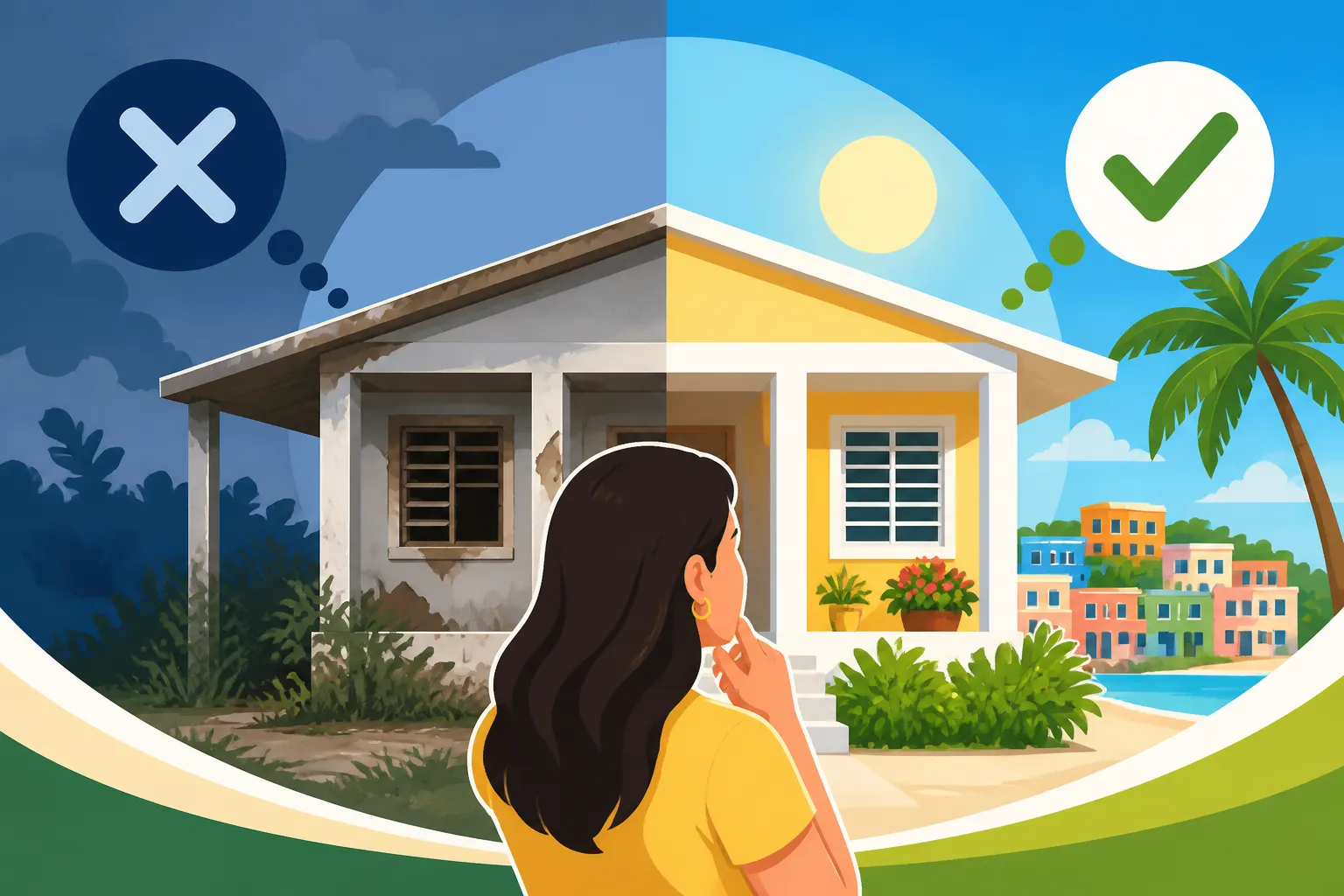
It’s easy to get swept up in the romance of a property that just needs "a little love." You see the peeling paint, the overgrown yard, the faded glory, and your mind immediately jumps to Pinterest boards and HGTV transformations. Fixer-uppers often come with a significantly lower sticker price compared to move-in ready homes, which is a huge draw, especially in popular areas like Condado or Rincón. This initial cost savings can feel like a green light to jump in.
For example, you might find a beautiful Spanish colonial-style home in a historic district of Ponce that’s been neglected for years. The intricate tile work, the high ceilings, the breezy inner courtyard—it all whispers promises of a stunning transformation. The asking price might be half of what a fully renovated home in the same area would command. This price difference is the primary magnet, convincing many that the renovation costs will be manageable, allowing them to create something truly unique and valuable. The idea is to invest sweat equity and smart money to achieve a higher return down the line, or simply to craft a home perfectly tailored to your tastes without paying a premium for someone else's design choices. However, beneath that surface, the challenges are usually far more extensive than a coat of paint.
The Unseen Complexities of Island Construction
What many newcomers don't fully grasp is that construction and renovation in Puerto Rico operate on a different rhythm and under different conditions. The climate, for one, plays a significant role. High humidity, salt air, and hurricane seasons mean that building materials, structural integrity, and long-term maintenance are critical considerations that might not be as pressing in other locales. An old house might have hidden water damage, rust in rebar, or termite infestations that aren't immediately apparent during a walkthrough.
Consider a charming wooden house in a coastal town. While aesthetically pleasing, a thorough inspection might reveal extensive rot in the support beams due to decades of humidity and inadequate maintenance. Or a concrete structure might have rebar corrosion, a silent killer that compromises the building's stability. These aren't just cosmetic fixes; they are often major structural overhauls that require specialized knowledge, specific materials, and a whole lot of time. The availability and cost of materials can also be a factor, as many specialized items need to be imported, adding to both the expense and the timeline.
Navigating the Labyrinth: Permits, Contractors, and Bureaucracy
This is where the dream often collides with a frustrating reality. The administrative process in Puerto Rico for anything related to construction and property can feel like a Herculean task, even for locals. For expats who are still learning the ropes, it can be downright bewildering and infuriating. This isn't mainland efficiency; this is "island time" mixed with complex regulations.
The Permit Process: A Test of Patience
Let's just say getting a permit in Puerto Rico is not like getting a permit in most U.S. states. The Oficina de Gerencia de Permisos (OGPe), or the Permits Management Office, is the primary entity you'll be dealing with. While efforts have been made to streamline the process, it still involves a lot of paperwork, multiple agency reviews, and often, what feels like an endless waiting game. You'll need architectural plans, engineering reports, and potentially environmental assessments, depending on the scope of your project and the property's location (especially if it's near wetlands, coasts, or historic districts).
Imagine buying that beautiful property in Old San Juan. It's a historic building, which means you're not just dealing with OGPe, but also the Instituto de Cultura Puertorriqueña (ICP). They have strict guidelines on what you can and cannot alter, especially regarding facades and original architectural elements. Getting approvals from both can add months, if not years, to your timeline. A small project that might take weeks to permit on the mainland could easily take months here. It's a process that demands constant follow-up, a good expediter (someone who helps navigate the bureaucracy), and an almost zen-like level of patience.
Finding Reliable Contractors: A Quest for Trust
Once you have your permits (or at least feel like you're making progress), the next monumental task is finding reliable, licensed contractors. This is perhaps one of the biggest hurdles. There's a saying on the island, "You get what you pay for, but sometimes you don't even get that." While there are many excellent, honest, and skilled professionals, there are also those who operate on "Puerto Rican time" or simply disappear mid-project. Building trust is paramount, and it often comes through local recommendations.
You'll want to verify licenses, check references meticulously, and ideally, see examples of their previous work. Language can also be a barrier here; while many professionals speak English, detailed technical discussions might be easier in Spanish. Transparency in pricing and timelines is often elusive. It's not uncommon for projects to go over budget and beyond schedule. A friend of mine bought a charming house in Luquillo thinking it would be a 6-month renovation. Three years later, after two contractors ghosted her, she's still putting the finishing touches on it. Remember, this isn't just about finding someone cheap; it's about finding someone competent and dependable, which is a significant investment of time and energy. This is where having a strong local network can really pay off.
Managing Project Timelines and Unexpected Delays
"Island time" is a real phenomenon that impacts everything, but especially construction. What might be quoted as a 3-month project can easily stretch to 6, 9, or even 12 months. Delays can stem from permit issues, material shortages, labor challenges, or even just the pace of life. Hurricanes are another significant factor; a major storm can halt projects for weeks or months, as resources are diverted to emergency repairs and supplies become scarce.
Imagine your contractor can't get the specific tiles you wanted because they're stuck in customs, or the electrician has another emergency job, pushing your timeline back by a month. These aren't isolated incidents; they are common occurrences. You need to build significant buffer time and budget into your plans. Communication is also key, and sometimes frustrating, as follow-ups might require multiple phone calls and visits.
Financial Realities: Costs Beyond the Purchase Price
The initial lower purchase price of a fixer-upper can be deceptive. The true cost of renovation in Puerto Rico can quickly escalate, often exceeding what you might expect, especially if you're comparing it to mainland U.S. prices. You need to be prepared for a host of expenses that go far beyond the cosmetic.
Renovation and Material Costs
While labor costs for some trades might be lower than on the mainland, material costs can be surprisingly high. Many specialized or even standard building materials have to be imported, incurring shipping costs, customs duties, and local transportation fees. Everything from specific types of roofing, certain plumbing fixtures, to higher-grade lumber can carry a premium.
For example, replacing all the windows in a large house with hurricane-resistant windows, a wise investment in Puerto Rico, can run into tens of thousands of dollars just for the materials, let alone installation. If you’re restoring a historic property, specialized materials might be necessary to comply with preservation guidelines, pushing costs even higher. It's crucial to get detailed quotes and understand where materials are sourced from. Don't assume that local materials will always be cheaper; sometimes, even locally produced goods can have higher prices due to the smaller market and logistical challenges.
Unexpected Structural Issues and Environmental Concerns
This is where the "hidden costs" really come into play. A pre-purchase inspection might reveal some issues, but often, the true extent of problems only becomes apparent once demolition begins. We're talking about things like:
- Foundation Problems: Cracks, settling, or inadequate footings that require costly structural engineering and repairs.
- Electrical and Plumbing: Older homes often have outdated systems that don't meet current codes, requiring a complete overhaul. This can be a significant expense.
- Roof Damage: Leaks, rot, or inadequate hurricane strapping that necessitates a full roof replacement.
- Pest Infestations: Termites, mold, or other tropical pests can cause extensive damage to wood and drywall.
- Environmental Hazards: Older homes might contain lead paint or asbestos, requiring specialized and expensive remediation.
I know someone who bought a beautiful 1950s home in Carolina, only to discover extensive rebar corrosion in the concrete pillars once the plaster was removed. What started as a "cosmetic refresh" quickly turned into a major structural reinforcement project, adding over $50,000 to their budget and several months to their timeline. These are the kinds of surprises that can derail your budget and enthusiasm. Be sure to consider Understanding Flood Zones and Hurricane Insurance in Puerto Rico when choosing a property, as these issues can further complicate renovation costs and future protection.
Financing and Insurance Challenges
Securing financing for a fixer-upper can be more complex. Traditional mortgages often require the property to be in a certain condition. You might need a specialized renovation loan (like an FHA 203k loan if applicable, or local equivalents) or a significant cash reserve. Banks are typically more cautious with properties requiring extensive work.
Once the renovation is complete, or even during the process, insurance can be another significant expense. Understanding How to Prepare Your Home for Hurricane Season in Puerto Rico is not just about boarding up windows; it's about robust insurance coverage. Older homes, or those in certain flood zones, might incur higher premiums or require specialized policies. Ensure you budget for property taxes (known as CRIM) and insurance, as these are ongoing costs that will impact your long-term financial planning. You can learn more about these in guides like The Complete Guide to Property Taxes (CRIM) in Puerto Rico (2027).
| Potential Hidden Costs of a Fixer-Upper in Puerto Rico | Description | Estimated Impact (Low-High) |
|---|---|---|
| Structural Integrity | Rebar corrosion, foundation cracks, load-bearing wall issues, termite damage. | $15,000 – $75,000+ |
| Outdated Electrical/Plumbing | Rewiring entire house to code, replacing old pipes, septic system repairs. | $10,000 – $40,000 |
| Roof Replacement/Repair | Water damage, leaks, hurricane strapping, complete re-roofing. | $8,000 – $35,000 |
| Permit & Expediter Fees | Filing fees, architectural plans, engineering reports, historical review fees, professional expediter services. | $3,000 – $15,000+ (depending on complexity and size) |
| Lead/Asbestos Remediation | Professional removal and disposal of hazardous materials. | $5,000 – $20,000+ |
| Hurricane-Resistant Upgrades | Impact windows/doors, storm shutters, reinforced roof ties (often necessary for insurance). | $10,000 – $50,000+ |
| Mold/Water Damage Remediation | Extensive drying, removal of affected materials, anti-fungal treatments. | $5,000 – $25,000 |
| Unexpected Delays/Cost Overruns | Rental costs during extended renovation, increased material prices, additional labor hours for unforeseen issues. | 10-30% of total project budget (conservative estimate) |
Note: These figures are general estimates and can vary significantly based on location, property size, material choices, and the severity of the issues.
Making Your Fixer-Upper Dream Come True: Practical Steps and Warnings
So, you're still determined? Good for you! It can be an incredibly rewarding experience. But you need to approach this with your eyes wide open and a solid strategy. This isn't a project for the faint of heart or the easily discouraged.
Do Your Homework (and Then Some)
Before you even make an offer, extensive due diligence is non-negotiable. Don't rely solely on the seller's disclosure. Engage a trusted local real estate agent who specializes in older properties. They can guide you through the process, but ultimately, the responsibility is yours. You can find tips in How to Find a Reliable Real Estate Agent in Puerto Rico.
- Professional Inspections: Get multiple inspections: a general home inspection, a structural engineer, an electrician, and a plumber. If it’s an older property, consider an environmental assessment for lead or asbestos. These upfront costs are minimal compared to the potential financial disaster of unforeseen issues.
- Title Search and Property History: Understand the property's chain of title, any liens, and its history of permits. This is crucial for Understanding Property Ownership and Titles in Puerto Rico. You want to ensure there are no surprises in who truly owns the property or what historical regulations might apply.
- Zoning and Historic District Rules: If the property is in a historic district or has specific zoning, understand the restrictions on renovations and additions. You might be required to use specific materials or maintain certain architectural styles, which can be both costly and restrictive.
Build Your Local Team Wisely
Your team is your most valuable asset. Invest time and effort into finding the right people.
- Lawyer: A local real estate attorney is essential. They will help you navigate the legal aspects of property acquisition, ensure permits are correctly filed, and protect your interests.
- Architect/Engineer: For anything beyond cosmetic, you'll need licensed professionals to design and approve plans. They will also be your guide through the OGPe process. Look for those with experience in historic restorations if applicable.
- Expediter: If you don't speak fluent Spanish or don't have the time to chase permits yourself, a professional expediter (known as gestor) can be invaluable. They know the system, the people, and how to get things moving.
- Contractor: As discussed, this is critical. Ask for multiple bids, check references rigorously, and ideally, visit active job sites to see their work ethic and quality. A clear, detailed contract with payment milestones tied to completed work is paramount.
Financial Planning and Contingency Funds
Be realistic about your budget, and then add at least 20-30% for contingency. Seriously. Things will go wrong, and costs will escalate. Having that buffer will save you immense stress and prevent the project from stalling. Consider consulting with a financial advisor experienced with The Complete Guide to Cost of Living in Puerto Rico (2026) and property investments here.
Think about how you'll manage the funds. Will you be on the island full-time during the renovation? If not, how will you monitor progress and payments? Using local banking options for payments can be simpler; check out The Newcomer's Guide to Opening a Bank Account in Puerto Rico. Staying connected is key when coordinating a renovation from afar, or even just during endless site visits. Grabbing a local eSIM from a provider like Airalo can be a lifesaver for reliable communication without constantly swapping SIM cards or worrying about roaming charges.
Embracing the Process (and the Culture)
Finally, and this might be the hardest part for many Type-A mainlanders, you need to cultivate patience and flexibility. Things don't always happen quickly here. Deadlines are often suggestions. Embrace the pace, understand that communication styles might differ, and try to build relationships with your team. A little café and a friendly demeanor can go a long way.
When you're finally ready to fill that newly renovated space, services like Sirelo can help with the logistics of moving your belongings to the island, ensuring your new home is ready for you. Ultimately, buying and renovating a fixer-upper in Puerto Rico is not for everyone. It demands significant financial resources, an abundance of patience, a willingness to navigate bureaucracy, and a thick skin. But for those who are prepared for the journey, the reward of transforming a forgotten property into a personalized piece of paradise on this beautiful island can be truly priceless. Just don't say I didn't warn you!
Disclaimer
The information provided in this guide is for general informational purposes only and does not constitute professional advice. While we strive to provide accurate and up-to-date information, the legal, financial, and administrative landscapes in Puerto Rico can change. It is essential to consult with qualified local professionals, such as real estate agents, attorneys, financial advisors, engineers, and contractors, before making any decisions related to purchasing or renovating property in Puerto Rico. We disclaim any liability for decisions made based on this information.