What Is the Average Utility Bill for an Apartment in Puerto Rico?
Moving to Puerto Rico, especially to an apartment, often comes with a bit of a sticker shock when those first utility bills arrive. It's not just about the numbers; it's about navigating a new system, sometimes a new language, and figuring out what's "normal" here compared to what you might be used to on the mainland. Forget what you thought you knew about utility costs, because things operate a little differently on the island. This guide will help you understand the average utility bill for an apartment in Puerto Rico, breaking down the costs, explaining what influences them, and giving you some practical tips to keep those expenses manageable.
Navigating the Utility Landscape in Puerto Rico: Who’s Who?
When you first arrive, it feels like there's a whole new set of names and agencies to learn, especially when it comes to keeping the lights on and the water running. It can be a real headache, believe me, I've been there! The utility structure in Puerto Rico has seen some significant changes over the years, aiming for more efficiency and reliability, but it’s still a unique beast to tame.
Electricity: LUMA Energy
Ah, LUMA Energy. You’ll get to know them well. They are the private company responsible for the transmission and distribution of electricity across the entire island. For decades, the public utility, PREPA (Puerto Rico Electric Power Authority), handled everything, but after Hurricane Maria and years of infrastructure challenges, LUMA stepped in. This transition has been… well, let's just say it's been an experience for everyone involved. Newcomers quickly learn that the electric grid here can be less stable than what they're accustomed to, and the cost per kilowatt-hour can feel surprisingly high.
When you move into an apartment, setting up your electricity with LUMA is usually one of the first things on your to-do list. You'll need to go through their application process, which can involve visiting a service center, dealing with documentation, and sometimes waiting for the connection to be activated. Don't be surprised if you face a few bureaucratic hurdles – patience is truly a virtue here. Understanding your bill can also be a challenge initially, as it includes various charges beyond just consumption, like fuel adjustments and subsidies. It's definitely a learning curve for newcomers who are trying to grasp "How Do I Set Up LUMA Electricity After Moving to Puerto Rico?".
Water: Autoridad de Acueductos y Alcantarillados (AAA)
Next up, water! The Autoridad de Acueductos y Alcantarillados (AAA), also known as the Puerto Rico Aqueduct and Sewer Authority, is your sole provider for water and wastewater services. Unlike electricity, which saw a major operational shift, AAA has remained the public entity managing the island's water supply. While generally reliable, especially in metropolitan areas, you might encounter occasional service interruptions, particularly in less urbanized regions or during heavy rainy seasons. These aren't typically long-term issues, but it's something to be aware of.
The process of setting up water service for your apartment is similar to electricity: an application, proof of residency, and perhaps a deposit. Water quality is generally good and safe to drink, though many residents prefer to use filters or bottled water for taste and extra peace of mind. Your water bill will vary significantly based on your consumption habits, but it's usually less of a budget-buster compared to electricity. If you want to dive deeper into the nuances, we have a detailed guide on "Understanding Water Service (AAA) and Bills in Puerto Rico".
Internet and Mobile Phone Providers
Connectivity is crucial, right? Especially when you're trying to stay in touch with friends and family back home or work remotely. The good news is that Puerto Rico has several competitive providers for internet and mobile services. For home internet, you'll generally find options like Liberty, Claro, and T-Mobile Home Internet. Liberty and Claro tend to be the dominant players, offering various fiber optic, cable, and DSL plans depending on your location. The speeds and reliability are quite good in most urban and suburban areas, though more remote parts of the island might have fewer high-speed options.
When it comes to mobile phones, you'll see familiar names like T-Mobile, Claro, and AT&T. Coverage is generally excellent across the island, though it can get spotty in mountainous or very rural regions. Many expats choose to keep their mainland phone plans if they offer good international roaming or simply switch to a local plan for better rates. For those first few days or weeks, while you're getting settled and setting up permanent services, a travel eSIM from a service like Airalo can be a lifesaver, ensuring you have data right off the plane without the hassle of a local SIM card immediately. It's a fantastic way to bridge the gap and stay connected until your home internet is humming along. Exploring "How to Choose a Mobile and Internet Provider in Puerto Rico" is a smart move before you commit.
Decoding Your Monthly Bills: An Average Cost Breakdown
Okay, let's talk numbers. What can you actually expect to pay each month for utilities in an apartment? This is where it gets a bit tricky, because as an expat, your usage patterns might differ, and the type of apartment you rent plays a huge role. But I can give you some realistic averages based on my own experience and what I hear from fellow residents.
Electricity Costs: The Big One
Electricity is, without a doubt, usually the most significant portion of an apartment's utility bill in Puerto Rico. The cost per kilowatt-hour (kWh) has fluctuated quite a bit, but it generally hovers higher than in many mainland states. For a typical one-bedroom or small two-bedroom apartment (say, 600-900 sq ft), if you're moderate with your air conditioning usage, you might see bills ranging from $100 to $250 per month.
However, if you're someone who loves to keep the AC blasting 24/7, especially in larger apartments or during the hottest summer months (July to October), that bill can easily skyrocket to $300, $400, or even $500+. Air conditioning is the single biggest driver of electricity consumption here. Leaving lights on, using older, inefficient appliances, and having poor insulation also contribute, but AC is the king of consumption. Many people wonder, "Why Is My LUMA Electricity Bill So High in Puerto Rico?" and the answer usually comes back to AC and the prevailing rates.
Water and Sewerage Expenses
Compared to electricity, water bills are far more predictable and generally much lower. For a single person or a couple living in an apartment, a typical AAA bill might range from $30 to $60 per month. This covers both your water consumption and sewage services. Factors like frequent long showers, running a dishwasher daily, or having a washing machine within your unit will naturally push this closer to the higher end. If your apartment complex has shared laundry facilities or you use a local laundromat, your in-unit water usage will be lower.
Unlike electricity, there isn't usually a dramatic seasonal fluctuation for water unless your habits change drastically. Even with a little garden on a balcony, the impact is minimal.
Internet and Mobile Connectivity
These costs are often more straightforward because you choose a specific plan. For home internet, a decent high-speed plan (100-300 Mbps, which is usually sufficient for most households, including remote work) from providers like Liberty or Claro will likely cost you anywhere from $50 to $90 per month. Promotional prices might start lower, but be prepared for them to increase after an introductory period.
For mobile phone service, if you opt for a local plan, you can expect to pay between $30 to $70 per month for unlimited talk, text, and a generous amount of data. If you’re coming from the mainland, comparing these costs to what you’re used to is a good idea. Remember, if you use a service like Airalo for initial data or travel, those are usually pay-as-you-go or package deals, separate from your monthly home internet or permanent mobile plan. It's good to factor that in for your initial setup phase.
Estimated Monthly Utility Costs for a 1-2 Bedroom Apartment
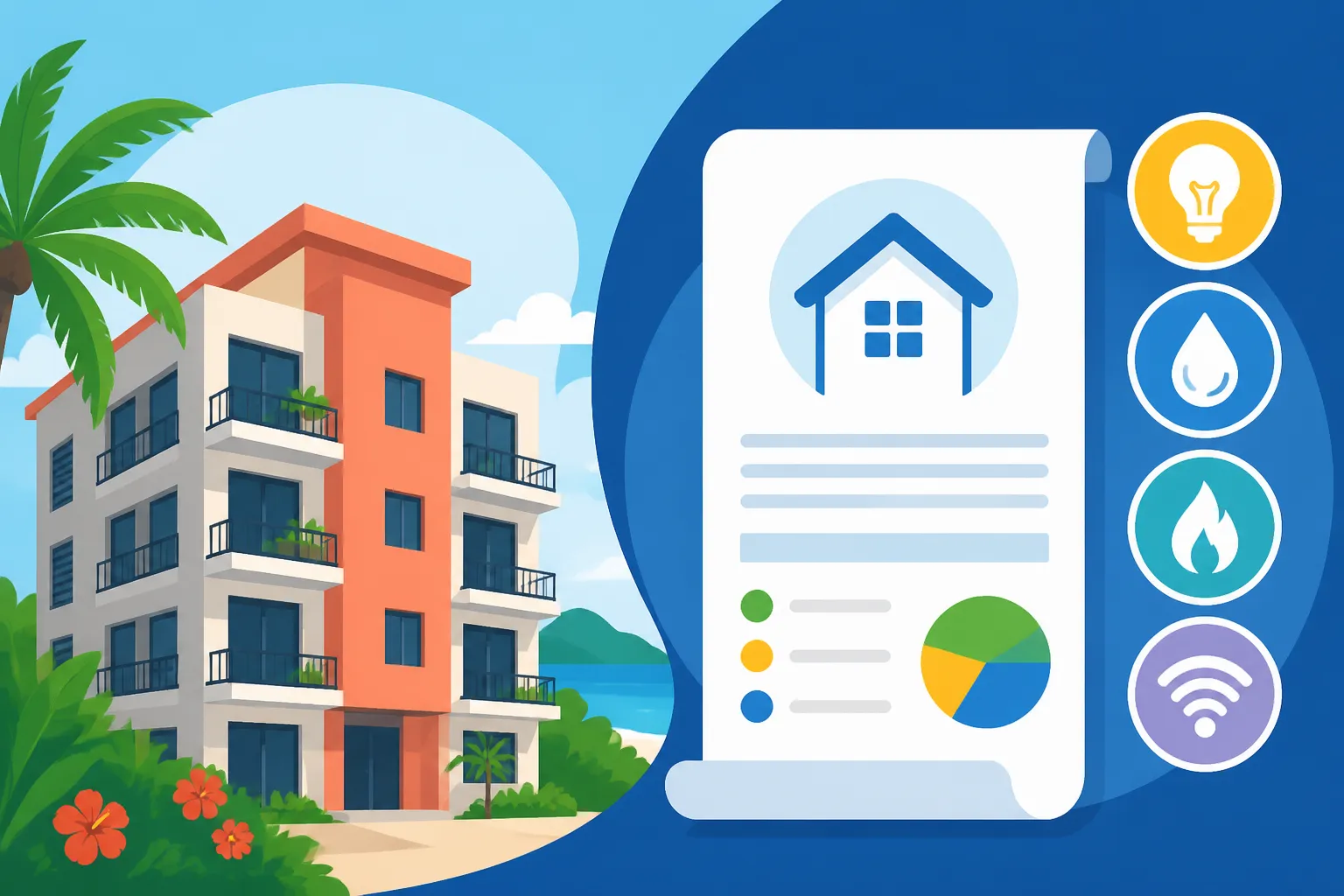
Here’s a general snapshot to help you budget, based on moderate usage:
| Utility | Low Estimate (USD) | High Estimate (USD) | Key Influencers |
|---|---|---|---|
| Electricity | $100 | $250 | AC usage, apartment size, insulation, appliance efficiency |
| Water & Sewer | $30 | $60 | Number of occupants, personal habits, in-unit laundry |
| Internet | $50 | $90 | Provider, speed, current promotions |
| Mobile Phone | $30 | $70 | Data plan, provider, international calls |
| Total Average | $210 | $470 |
Note: These are estimates for typical apartment living. Actual costs can vary widely based on individual usage, location, and specific apartment features.
What Makes Your Utility Bill Fluctuate? Key Influencing Factors
Understanding the averages is one thing, but knowing why your bill might be higher or lower is crucial for managing your budget effectively. Utility bills vary for several major reasons, and there are several major factors at play here.
Apartment Size and Construction Type
It sounds obvious, but a larger apartment means more space to cool and light. A studio will almost always have lower utility costs than a two-bedroom unit. Beyond just size, the age and construction of the building itself make a massive difference. Older concrete buildings, while charming, can sometimes lack modern insulation, making them harder to cool efficiently. Newer constructions, especially those built post-Maria with stricter energy codes, might be more energy-efficient, leading to lower electricity bills, even if the rent is higher.
Think about window quality too. Single-pane windows common in older structures allow a lot of heat transfer, forcing your AC to work overtime. It's a hidden cost that can really sneak up on you.
Air Conditioning Usage: The Undisputed Champion of Consumption
I mentioned it before, but it bears repeating: air conditioning is the single largest variable in your electricity bill in Puerto Rico. The tropical climate means it's warm year-round, and the humidity can be relentless. If you're used to keeping your home at a cool 70°F (21°C) on the mainland, prepare for a shock if you try to replicate that here.
Many expats initially struggle with this. They arrive, set the AC to a low temperature, and then wonder why their first LUMA bill could rival a small car payment. Locals often use AC more sparingly, perhaps only in bedrooms at night, or setting thermostats to a higher, but still comfortable, 76-78°F (24-25°C). The type of AC unit also matters. Older, less efficient window units are notorious power hogs, while modern inverter-style mini-splits are far more energy-efficient.
Number of Occupants and Lifestyle Habits
The more people living in an apartment, the more electricity and water generally get used. More showers, more laundry cycles, more devices charging, more lights on. If you're a single person who travels frequently, your bills will likely be much lower than a family of four who are always home.
Beyond just the number of people, individual habits play a huge role. Do you take long, hot showers? Leave lights on when you leave a room? Keep electronics plugged in even when not in use (phantom load is real!)? Cook frequently using electric appliances? All these small choices add up and directly impact your monthly expenditure. For those planning their move, keeping an eye on the bigger picture, including utility budgeting, is essential, and platforms like Sirelo can help with checklists and planning resources for a smoother relocation. Knowing "How Much Is the Cost of Living in Puerto Rico for Newcomers?" means factoring in these lifestyle adjustments.
Smart Strategies to Keep Your Utility Costs in Check
Alright, so you know what to expect and what drives the costs. Now, how do you fight back and keep more of your hard-earned cash in your pocket? It's all about awareness and making smart choices.
Embrace Energy Conservation: Every Little Bit Helps
This is probably the most impactful area. Small changes in habits can lead to significant savings on your electricity bill:
- Be Mindful of AC: This is the big one. Set your thermostat higher – try 76-78°F (24-25°C) and use fans to supplement cooling. Turn off the AC when you leave the apartment for extended periods. Consider using it only in the rooms you're actively occupying or primarily at night. Regular maintenance, like cleaning filters, also improves efficiency.
- Lights Off! It's simple but effective. Turn off lights when you leave a room. Switch to LED bulbs, which consume far less energy and last much longer.
- Unplug "Vampire" Electronics: Many electronics consume power even when turned off but still plugged in. Unplug phone chargers, coffee makers, TVs, and other devices when not in use, or use power strips with on/off switches.
- Smart Appliance Use: Run your dishwasher and washing machine only when full, and consider air-drying clothes when possible (the tropical breeze is free!). If you’re buying appliances for your apartment, invest in energy-efficient models.
- Seal Leaks: Check for drafts around windows and doors. Simple weatherstripping or caulk can make a big difference in keeping cool air in.
Water Conservation Tips
While water bills are generally lower, it's still good practice to conserve. It also helps the environment on an island with finite resources.
- Shorter Showers: Cut down on shower time.
- Fix Leaks: Even a slow drip can waste a surprising amount of water over time.
- Run Full Loads: Only run your dishwasher and washing machine when they are completely full.
- Efficient Toilets: If you have an older toilet, consider putting a brick in the tank (or better yet, gently suggesting to your landlord to upgrade to a low-flow model, though that's a bigger ask for apartment dwellers).
Choosing Providers Wisely for Internet and Mobile
For internet and mobile, do your homework. Don't just pick the first provider you see. Compare plans, speeds, customer service reviews, and current promotions. Sometimes, bundling internet and mobile can save you a few dollars. Don't be afraid to negotiate, especially if you see a competitor offering a better deal. A dedicated guide on "How to Set Up Internet in My Puerto Rico Home" offers great insights.
Remember that Airalo for data can be incredibly useful upon arrival or for short-term needs, but for permanent home internet and mobile service, you’ll want to research local carriers for the best long-term value.
Considering Backup and Solar Solutions (Even for Apartments)
While full-scale solar installations are typically for homeowners, apartment dwellers aren't entirely out of luck when it comes to power outages. Given the occasional grid instability, many residents invest in portable power stations or small backup battery systems, particularly for essentials like charging phones, running a fan, or keeping a small fridge cool during shorter outages. It's not about cutting your bill (unless you have a micro-solar setup), but about resilience. For a deeper look at energy independence, check out "Understanding Solar Power and Backup Generators in Puerto Rico". This can provide peace of mind when the inevitable blackout occurs.
When you're first making your move, remember that planning ahead for all these practicalities, including budgeting for utilities, is key. Resources like Sirelo can be very helpful for creating a comprehensive moving checklist, ensuring you don't overlook any crucial steps, from finding movers to understanding local costs and services. A thorough plan for "The Newcomer's Guide to Setting Up Utilities (LUMA/AAA) in Puerto Rico" will make your arrival much smoother.
Navigating utility costs in an apartment in Puerto Rico is definitely a learning process, but with a bit of savvy and adjustment, you can certainly manage them. It's all part of the expat experience on our beautiful island!
Disclaimer
The information provided in this article is for general informational purposes only and does not constitute professional advice. Utility costs, regulations, and provider services are subject to change. Readers should conduct their own research and consult with relevant service providers or local experts for the most current and accurate information.