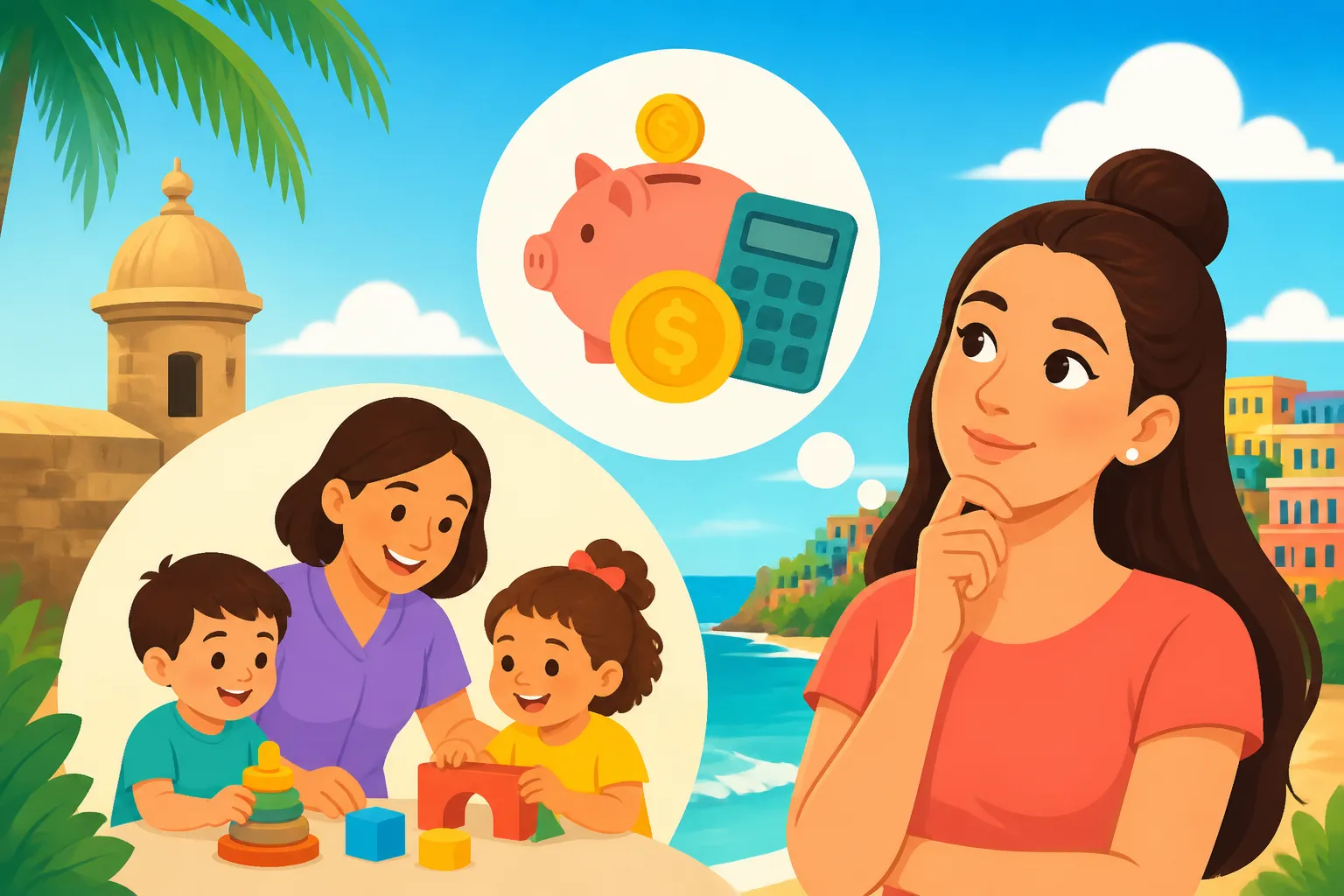
How Much Does Childcare Cost in Puerto Rico?
Ah, the quest for reliable and affordable childcare on our beautiful island. Believe me, finding the right fit for your little ones here in Puerto Rico, especially as a newcomer, can feel like trying to catch a coqui in the dark – challenging, a bit overwhelming, and often full of surprises! Many expat families arriving here quickly realize that while the vibrant culture and stunning beaches are a dream, navigating the practicalities of daily life, like childcare, requires some local know-how. This guide is here to shed some light on the true costs of childcare across Puerto Rico, helping you understand the options, anticipate expenses, and make informed decisions for your family.
Navigating the Nuances of Childcare in Puerto Rico: What to Expect
When you're settling into a new home in Puerto Rico, one of the biggest questions, especially for parents, revolves around childcare. It’s not just about finding someone to look after your kids; it’s about finding a safe, stimulating, and culturally appropriate environment. The landscape here is diverse, reflecting the island's unique blend of traditions and modern influences. From formal centers to in-home care, each option comes with its own set of advantages, challenges, and, of course, costs.
Types of Care: From Daycares to Nannies
You'll find a spectrum of childcare options available, much like anywhere else, but with a distinct Puerto Rican flavor.
-
Centros de Cuidado Diurno (Daycare Centers): These are the most common formal settings. They cater to infants, toddlers, and preschoolers, often offering structured educational programs alongside basic care. Daycare centers vary widely in size, philosophy (e.g., Montessori, traditional), and facilities. Many operate on a typical weekday schedule, perhaps 7:00 AM to 5:00 PM. Some may offer extended hours, but this is less common. You'll find these in urban centers like San Juan, Guaynabo, and Caguas, as well as in smaller towns. The quality and price can differ dramatically, even within the same municipality. It's not unusual to find centers that are primarily Spanish-speaking, with a few offering bilingual environments, particularly in areas popular with expats. When considering one of these, remember to inquire about their curriculum, teacher-to-child ratios, and, crucially, their policies regarding things like Understanding Childhood Vaccination Requirements in Puerto Rico.
-
Escuelas Preescolares (Preschools) / Head Start Programs: These are often more education-focused than traditional daycares, preparing children for kindergarten. Some private schools offer preschool programs that might integrate with their elementary curriculum. Head Start programs, on the other hand, are federally funded initiatives aimed at providing comprehensive early childhood education, health, nutrition, and parent involvement services to low-income children and families. Eligibility for these is based on specific income criteria, and they can be a fantastic, often free or very low-cost, option for those who qualify.
-
Cuidado en el Hogar (Home-Based Care): This typically involves a single caregiver looking after a small group of children in their private residence. It can feel more personal and flexible than a larger center. Sometimes, these are run by a grandmother or a local woman with experience, providing a very nurturing, family-like setting. The challenge here can be finding licensed or regulated providers, as many operate informally. If you're considering this route, word-of-mouth recommendations are golden, and thorough vetting of the caregiver is absolutely essential.
-
Niñeras Privadas (Private Nannies): For families seeking individualized attention or with specific needs (e.g., multiple children, irregular hours, a desire for English-only care), a private nanny can be the ideal solution. Nannies can be live-in or live-out, full-time or part-time. Finding an English-speaking nanny, especially outside of the San Juan metro area, might take some dedicated searching. You'll likely negotiate salary, benefits, and specific duties directly with the individual. This option offers maximum flexibility and often a deeper connection with your child's caregiver. For families moving here, bringing beloved items can make a new space feel like home, and services like Sirelo can assist in the logistics of shipping personal belongings, which might include anything from special toys to nursery furniture.
-
Programas Después de la Escuela (After-School Programs) and Campamentos de Verano (Summer Camps): For school-aged children, after-school programs are often offered by schools, community centers, or private organizations. During school breaks, especially the long summer vacation, summer camps become a popular choice. These can range from general recreational camps to specialized ones focusing on sports, arts, or academics. They are typically priced separately from regular school tuition or daycare fees. Many private schools, especially those with an international focus, offer excellent summer camp options, though their fees, much like How Much Are Private School Fees in San Juan?, can be substantial.
Cost-Driving Factors: Location, Quality, and Ratios
The price tag on childcare in Puerto Rico isn't one-size-fits-all. Several key factors significantly influence what you'll end up paying.
-
Geographic Location: This is probably the biggest differentiator. Just like housing, childcare costs escalate dramatically in the more affluent and expat-heavy areas, particularly within the San Juan metropolitan area (Condado, Guaynabo, Dorado). A top-tier daycare in Guaynabo or Dorado might charge double or even triple what a comparable facility in a smaller, more rural town would. For example, while a daycare in Caguas might be more budget-friendly, one in Old San Juan or Condado will reflect the higher cost of living in those areas. When you're looking for a place to settle, consider How to Find Family-Friendly Neighborhoods in San Juan that balance lifestyle with practical costs like childcare.
-
Type of Facility and Program Quality: Is it a basic daycare, an accredited preschool with a specific curriculum, or a bilingual international program? The more specialized the program, the higher the cost. Facilities that boast low teacher-to-child ratios, advanced safety features, organic meals, or specialized educational tools will naturally command a higher price. Licensing and accreditation, while not always as rigorously enforced or easily verifiable as in the mainland U.S., can also be indicators of quality and impact pricing.
-
Age of the Child: Infants and very young toddlers generally require more intensive care and lower caregiver-to-child ratios, making their childcare spots the most expensive. As children grow older and become more independent, the costs tend to decrease slightly, especially as they transition to preschool or after-school programs.
-
Hours of Care: Full-time care (e.g., 5 days a week, full workdays) is priced higher than part-time care. Some centers offer hourly rates or flexible schedules, but these can sometimes come with a premium for the flexibility. Before committing, always clarify what's included in the stated fee – meals, snacks, diapers, educational materials, field trips, etc. Hidden costs can quickly add up.
A Closer Look at Childcare Expenses: Real Numbers for Newcomers
Let's dive into some actual figures, keeping in mind these are estimates for 2026 and can fluctuate based on all the factors we just discussed. It's a good idea to budget a bit above these averages to account for unforeseen expenses or a particularly desirable program.
Estimating Daycare and Preschool Fees
For full-time care in a licensed daycare center, here's a general range you can expect:
| Child's Age | Urban/High-Demand Areas (e.g., San Juan Metro) | Mid-Tier Areas (e.g., Ponce, Caguas) | Rural/Lower Cost Areas |
|---|---|---|---|
| Infants (0-12 months) | $800 – $1,200+ per month | $650 – $950 per month | $500 – $750 per month |
| Toddlers (1-2 years) | $750 – $1,100 per month | $600 – $900 per month | $450 – $700 per month |
| Preschoolers (3-4 years) | $700 – $1,000 per month | $550 – $850 per month | $400 – $650 per month |
It's vital to remember that these are monthly rates. Many centers require an initial registration fee, which can range from $50 to $200, and some might ask for a supply fee annually. Some of the more upscale facilities, particularly those catering to an international clientele, might even creep above the $1,200 mark for infants in prime San Juan locations. It’s also important to note that some preschools, especially those attached to private K-12 schools, may have tuition structures more akin to How to Enroll Your Child in a Puerto Rico School rather than simple monthly fees. Always ask for a detailed breakdown of all fees before enrolling.
For families seeking a very structured, bilingual environment, you might be looking at prices closer to private school tuition, which can start around $7,000 to $10,000 annually for preschool, in addition to registration and materials. These are often excellent programs, but they come at a premium.
The Investment in Private Nannies and In-Home Care
Hiring a private nanny provides a lot of flexibility and personalized care, but it also represents a significant financial commitment. The cost can vary dramatically based on the nanny's experience, qualifications (e.g., CPR certification, early childhood education background), language skills (English-speaking nannies are often more expensive), and the scope of their duties.
-
Full-Time Live-Out Nanny (40-50 hours/week): Expect to pay anywhere from $1,500 to $2,500+ per month. In high-demand areas like Dorado or Condado, especially for nannies with specific language requirements or extensive experience, this could easily go up to $3,000 or more. This rate usually doesn't include benefits like health insurance, paid time off, or payroll taxes, which you, as the employer, would be responsible for. You can learn more about employer obligations in guides like Understanding Puerto Rico Labor Law and Worker Rights (2027).
-
Part-Time Nanny (20-30 hours/week): Hourly rates for part-time nannies typically fall between $12 and $20 per hour, depending on the factors mentioned above.
-
Live-In Nanny: While less common than live-out, a live-in nanny's salary might be slightly lower to account for the provided room and board, but the overall cost to the family remains high due to the additional expenses of housing, food, and utilities. This option works well for families needing constant flexibility or with very young children.
When considering in-home care or a nanny, remember to factor in potential additional costs such as transportation if they don't drive, meals, and social security contributions if they are a formal employee. It’s a bit more administrative work than just dropping off your child at a center, but for many, the tailored care is worth it.
Beyond Regular Hours: After-School and Summer Programs
For school-aged children, once they finish their regular school day, after-school programs come into play.
-
After-School Programs: These can cost anywhere from $150 to $400 per month, depending on the activities offered, the number of days per week, and the program's location and reputation. Some programs might include tutoring, sports, or arts and crafts, justifying a higher fee. Transportation from school to the program might be an additional charge.
-
Summer Camps: The cost of summer camps is highly variable. A basic recreational day camp might run $150-$300 per week. Specialized camps (e.g., coding, equestrian, intensive sports) can easily cost $400-$700+ per week. Many families enroll their children in several different camps throughout the long summer break, which means these costs can quickly add up. A full summer of camps (8-10 weeks) could easily be a few thousand dollars per child.
Smart Strategies to Ease Your Childcare Budget on the Island
The costs can certainly add up, but there are ways to approach childcare in Puerto Rico that can help ease the financial burden. As an expat, understanding these strategies can make a significant difference in your overall The Complete Guide to Cost of Living in Puerto Rico (2026).
Unlocking Government Support and Financial Aid
For families with lower incomes, government assistance can be a lifeline.
-
Vital Plan (Plan de Salud del Gobierno): While primarily a health plan, eligibility for the government health plan, known as the Vital Plan, often correlates with income levels that might also qualify families for other social services, including childcare subsidies. If you meet the income requirements for Understanding the Vital Plan (Government Health Plan) in Puerto Rico (2027), it's worth inquiring about other benefits your family might be entitled to through the Department of the Family (Departamento de la Familia).
-
Child Care Development Fund (CCDF): Puerto Rico participates in the federal Child Care Development Fund (CCDF) program, which provides subsidies to eligible low-income families to help them afford childcare. These funds are administered through the Department of the Family. The application process can be detailed and might require a bit of patience, but it's a valuable resource for those who qualify. Documentation often includes proof of income, residency, and the child's enrollment in a licensed care facility.
-
Head Start and Early Head Start: As mentioned earlier, these programs offer free or low-cost comprehensive services to children from birth to age five from low-income families. Spaces can be competitive, so it’s advisable to apply well in advance if you think you might qualify. These are often excellent programs, providing not just care but also educational and health support.
It's important to remember that these programs are designed for specific income brackets, so not all families will qualify. However, it's always worth exploring the options if you believe your family might be eligible.
Practical Tips for Saving Money Without Compromising Care
Even if government assistance isn't an option, there are still ways to be savvy about childcare costs.
-
Consider Cooperatives or Family Networks: If you're building a network of expat or local friends with young children, you might explore forming a childcare cooperative. This involves parents taking turns watching each other's children, reducing or eliminating the need for paid care. This works particularly well for part-time needs or occasional babysitting. Building these local connections can also provide valuable insights into trusted local caregivers and informal arrangements.
-
Negotiate and Ask for Discounts: When dealing with private nannies, don't be afraid to negotiate their rates, especially if you're offering stable, long-term employment. For daycares, inquire about sibling discounts, military discounts, or any other promotions they might have. Sometimes paying a larger sum upfront (e.g., a quarter or a semester) might come with a small discount.
-
Look Beyond the Tourist Hubs: While the allure of Condado or Dorado is strong, expanding your search to family-friendly neighborhoods slightly outside the most expensive areas can yield significant savings. Towns like Carolina or even parts of Bayamón can offer excellent childcare options at a lower price point, and still be within a reasonable commute to major employment centers. Before you fully commit to a place to live, it’s worth investigating the cost of living differences.
-
Maximize After-School Care: If your children are school-aged, try to leverage school-based or community after-school programs. These are often more affordable than hiring a private sitter for those few hours between school dismissal and when you get home. It also provides a consistent environment with their peers.
-
Utilize Technology for Communication: While you're in the midst of calls and visits to potential childcare providers, keeping your communication seamless is key. An eSIM service like Airalo can be a real lifesaver, ensuring you have reliable data and don't miss important calls or messages from prospective nannies or daycare administrators, without the hassle of changing physical SIM cards.
Finding Reliable Childcare in Puerto Rico
Once you've got a handle on the costs, the next big hurdle is finding someone you genuinely trust with your most precious cargo. This can be daunting in a new place, but there are established ways to navigate the search.
Tapping into Local Resources and Community Networks
Don't go it alone! The expat and local communities are your best friends in this search.
-
Word-of-Mouth Recommendations: This is, hands down, the most powerful tool in Puerto Rico. Talk to other parents at playgrounds, schools, and community events. Join local Facebook groups for expat parents or specific neighborhoods (e.g., "Moms in San Juan"). People are usually very willing to share their experiences, both good and bad, and provide direct referrals for daycares or nannies they trust.
-
Online Search and Directories: While not as comprehensive or centralized as some mainland directories, you can still find listings for daycares and preschools through a simple Google search. Look for facilities with websites that provide detailed information, photos, and contact numbers. Some local parenting blogs or community forums might also list recommended providers.
-
School Connections: If you've already decided on a private school for your older children, inquire if they have a list of recommended preschools or daycares for younger siblings, or if they know of nannies trusted by other school families. They often have valuable insights into the local childcare ecosystem.
-
Departmento de la Familia: The Department of the Family is responsible for licensing childcare facilities in Puerto Rico. While their website might not be the easiest to navigate, you can sometimes request a list of licensed centers in your area. This at least provides a starting point for facilities that meet basic safety and operational standards.
Crucial Questions to Ask Before Making a Choice
When you're visiting potential daycares or interviewing nannies, come prepared with a comprehensive list of questions. This isn't just about cost, but about finding the right fit for your child's well-being and development.
-
For Daycares/Preschools:
- What are your licensing and accreditation statuses?
- What is the teacher-to-child ratio for my child's age group?
- What is the daily schedule and curriculum like? (Ask to see it!)
- What are your policies on illness, emergencies, and discipline?
- Are meals and snacks provided? Are they healthy and do you accommodate allergies?
- What languages are spoken primarily? Is there bilingual instruction?
- How do you communicate with parents? (Daily reports, apps, meetings?)
- What is your staff turnover rate?
- Can I speak to other parents currently enrolled?
-
For Private Nannies:
- What is your experience and philosophy on childcare?
- Can you provide references from previous families? (Always call them!)
- Are you CPR and First Aid certified?
- What are your expectations for duties, hours, and pay?
- How do you handle discipline and emergencies?
- Do you have your own transportation? Do you have a clean driving record?
- Are you comfortable with background checks? (Highly recommended!)
- What activities would you plan for my child?
- What are your rates, and are they negotiable?
Finding the perfect childcare solution might take time and a bit of a treasure hunt, but with patience and persistence, you'll uncover the ideal place or person to care for your children while you build your new life in Puerto Rico. Remember, your peace of mind is priceless, so take your time and trust your instincts.
Disclaimer
Please note that the information provided in this article, especially regarding costs and regulations, is intended as a general guide and is subject to change. Economic conditions, local policies, and individual provider rates can vary. It is always recommended to verify all information with official sources and specific childcare providers for the most up-to-date and accurate details.