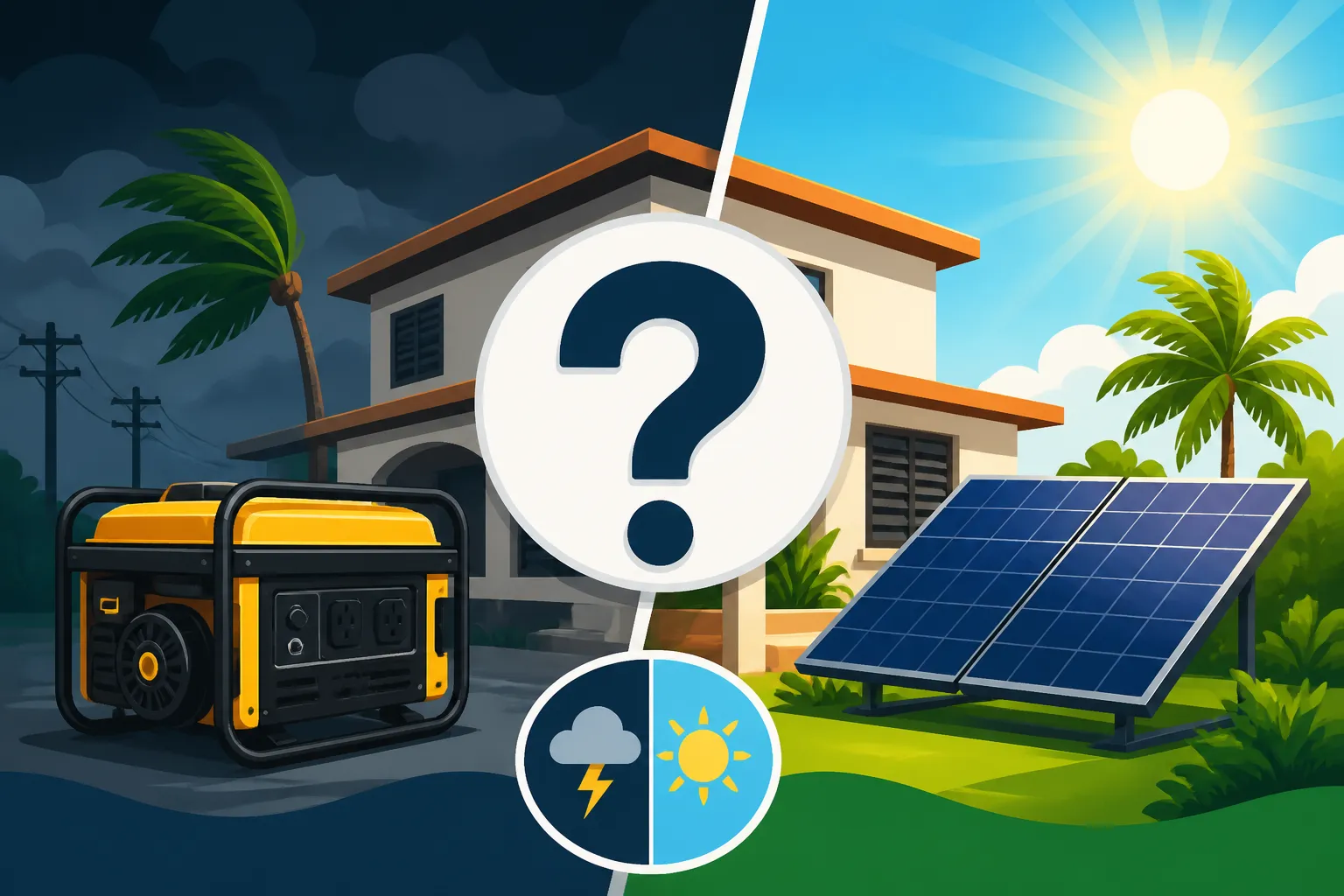
Do I Need a Generator or Solar When Living in Puerto Rico?
Moving to Puerto Rico, you quickly realize that the idyllic beaches and vibrant culture come with a unique set of challenges, and the electric grid, often run by LUMA Energy, is definitely one of them. For many newcomers, the question isn't if the power will go out, but when and for how long. This guide dives deep into whether you truly need a generator or solar power to maintain a comfortable and reliable lifestyle on the island, offering realistic advice based on years of experience.
The Reality of Electricity in Puerto Rico: Why Backup Power Isn't Just a Luxury
When you first arrive, the sheer beauty of Puerto Rico can make you overlook some of the practicalities. But after your first extended power outage, the realities of island life, particularly concerning electricity, hit home. It’s not just about comfort; it’s about daily living, from keeping your fridge cold to maintaining internet connectivity for work.
Navigating LUMA and the Grid's Challenges
LUMA Energy, the private operator managing Puerto Rico's transmission and distribution system, has been working on modernizing the grid, but it's a monumental task. The infrastructure has seen better days, and while improvements are being made, outages are still a regular occurrence for many. You might hear the term "apagón" (blackout) used quite frequently in conversations. These aren't always city-wide events; sometimes, it's just your neighborhood, or even just your street, that experiences an interruption. I remember one time, shortly after moving into my current place in Condado, the power flickered off during an important video call. Luckily, I had a fully charged hotspot, but it was a rude awakening to the fact that relying solely on the grid here is a gamble. If you're wondering how to even get started with your electricity, our guide on How Do I Set Up LUMA Electricity After Moving to Puerto Rico? can walk you through the process.
The issues aren't always with power generation itself; often, it's the distribution lines, transformers, or even just a tree branch falling on a line after a sudden tropical downpour. The response times can vary wildly depending on the severity and location of the outage. While some minor flickers resolve quickly, others can stretch into hours, or even days, especially in more rural areas or after significant weather events. This is why understanding How Reliable Is the Electricity Grid in Puerto Rico? becomes such a crucial part of your relocation planning.
Beyond Hurricanes: Everyday Power Interruptions
Many people associate backup power with hurricane season, and rightly so. Tropical storms and hurricanes can wreak havoc on the grid, leading to widespread, long-duration outages that can last weeks or even months in the worst-hit areas. Preparing your home for hurricane season in Puerto Rico is not just about boarding up windows; it's also about securing your power supply. However, it’s not just hurricanes you need to worry about.
Everyday life brings its own set of challenges. Heavy rains, localized accidents, planned maintenance, and even just the strain on an aging system during peak demand periods can trigger outages. Imagine trying to cook dinner when the power suddenly cuts out, or losing your internet connection right before a critical work deadline. These seemingly minor inconveniences add up and can significantly impact your quality of life if you're not prepared. For those of us who work remotely, uninterrupted internet and power are non-negotiable. It's a bit like playing Russian roulette with your productivity. That's why many expats find that an investment in backup power isn't a luxury, but a necessity for peace of mind and maintaining a functional household.
Generators: Your Immediate Power Solution
When the lights go out, a generator can be a lifesaver, offering an almost immediate return to normalcy. They come in various sizes and types, each with its own set of advantages and considerations.
Portable vs. Standby Generators: What's Right for You?
Choosing between a portable and a standby (or "whole house") generator depends heavily on your needs, budget, and desired level of convenience.
-
Portable Generators: These are the workhorses for many households. They're typically smaller, less expensive, and, as the name suggests, can be moved around. They run on gasoline, propane, or sometimes natural gas.
- Pros: Relatively affordable, easy to purchase and set up (though proper safety is crucial), can power essential appliances like a refrigerator, a few lights, and charge phones. Great for smaller homes or apartments where you only need to keep the absolute necessities running. You can grab one from a big box store like Home Depot or Sam's Club.
- Cons: Requires manual startup and refueling, can be quite noisy, produce exhaust fumes (must be operated outdoors, far from windows), limited power output, and storing fuel safely can be a hassle. They're not designed for continuous, long-term use. If you're renting an apartment, you'll need to check with your landlord or HOA about rules regarding generators, especially noise and exhaust. This could also be a factor in your search for How Do I Find an Apartment with a Generator in San Juan?.
-
Standby (Whole House) Generators: These are more robust, permanently installed units that typically run on natural gas or propane (large tanks). They automatically detect a power outage and switch on, providing seamless power to your entire home or selected circuits, usually within seconds.
- Pros: Automatic operation, powers most or all of your home, much quieter than portable units, can run for extended periods as long as fuel supply is maintained, safer as they're professionally installed and integrated into your home's electrical system. This is the "set it and forget it" option that offers true peace of mind.
- Cons: Significantly more expensive upfront (purchase and installation), requires professional installation by a licensed electrician, takes up dedicated outdoor space, and ongoing maintenance is necessary. You'll also need to ensure you have a reliable source for propane delivery or access to natural gas lines.
For many expats, especially those with families or working from home, a standby generator offers the convenience and reliability that a portable unit simply can't match during a multi-day outage. It's a significant investment, but one that many feel is absolutely worth it for the uninterrupted comfort and functionality it provides.
Fueling and Maintaining Your Generator
Regardless of the type, generators require fuel and maintenance.
- Fuel: Gasoline is common for portable generators, but it degrades over time and can be difficult to store in large quantities safely. Propane is a cleaner-burning option, easier to store (in tanks), and has a longer shelf life. Natural gas, if available, is the most convenient for standby units as it’s piped directly to your home.
- During prolonged outages, especially after a hurricane, gasoline can become extremely scarce and expensive. I remember lines stretching for miles at gas stations after Hurricane Maria, with people waiting for hours just to get a few gallons. Having a large propane tank for a standby generator means you're generally less reliant on the immediate availability of gas.
- Maintenance: Generators need regular check-ups, oil changes, and filter replacements. Standby generators often come with maintenance plans from installers, which can save you a lot of headache. Even portable ones need to be started periodically to ensure they’re in working order when you need them most. Neglecting maintenance means it might not start up when the power goes out, leaving you just as frustrated as if you didn't have one at all.
When considering a generator, factor in not just the purchase price, but the installation costs (for standby), fuel costs, and ongoing maintenance. While portable units are cheaper upfront, the cumulative costs of fuel and the hassle of manual operation can add up.
Embracing Solar Power: A Long-Term Investment in Resilience
Solar power has become increasingly popular in Puerto Rico, not just for environmental reasons, but as a practical solution to the grid's instability. It's a powerful way to achieve true energy independence and often feels like the most future-proof option. If you're thinking about buying property in Puerto Rico, factor in solar early in your planning.
Grid-Tied, Off-Grid, and Hybrid Systems Explained
The world of solar power can seem a bit overwhelming at first glance, with all the different terminology. Let's break down the main types you'll encounter here:
- Grid-Tied Systems: These are the most common. Your solar panels generate electricity, which first powers your home. Any excess power is sent back to the LUMA grid, and you typically receive credits or a reduced bill (net metering). When your panels aren't generating enough (at night, or on very cloudy days), you draw power from the grid.
- Pros: Often the most affordable entry point for solar, lower installation costs compared to systems with batteries, and you still have the grid as a backup.
- Cons: Crucially, during a power outage, your grid-tied system is legally required to shut down for safety reasons (to prevent back-feeding power to utility workers). This means you still lose power when LUMA goes down. This is the biggest misconception many newcomers have about basic solar. You also remain dependent on LUMA's reliability.
- Off-Grid Systems: These systems are completely independent of the utility grid. All power generated by your panels is stored in batteries, and you rely solely on your own solar production and stored energy.
- Pros: Complete energy independence, never affected by LUMA outages, ideal for remote properties or those seeking ultimate self-sufficiency.
- Cons: Very high upfront cost due to the large battery bank and potentially more panels needed to ensure continuous power, requires careful energy management, and often means significant lifestyle adjustments (e.g., being mindful of heavy appliance use). This option isn't practical for most suburban homes due to cost and energy needs.
- Hybrid Systems: This is where solar truly shines (pun intended) in Puerto Rico. A hybrid system combines the best of both worlds: it's connected to the grid, but also incorporates a battery storage system. Your panels power your home and charge your batteries. When the batteries are full, excess power can go to the grid (if you have net metering). During a power outage, your system automatically disconnects from the grid and seamlessly switches to battery power, keeping your home running.
- Pros: Provides seamless backup power during outages, reduces or eliminates your reliance on the grid for daily consumption, potential for significant savings on electricity bills, and often comes with sophisticated monitoring and management apps. This is the gold standard for resilience here.
- Cons: Higher upfront cost than simple grid-tied systems due to the batteries and more complex installation, batteries have a finite lifespan and will eventually need replacement.
When discussing backup power, most people in Puerto Rico are thinking about hybrid solar systems because they directly address the problem of grid instability while also offering long-term energy savings. If you're seriously considering solar, it's this type of system that will give you the most peace of mind.
The Investment and Incentives for Solar in Puerto Rico
The cost of a solar system in Puerto Rico can be substantial, ranging from a few thousand dollars for a basic grid-tied setup to tens of thousands for a robust hybrid system with ample battery storage. However, the long-term benefits, especially when considering the rising cost of electricity per month in Puerto Rico, make it an increasingly attractive investment.
- Federal Tax Credits: As a U.S. territory, Puerto Rico residents are typically eligible for federal solar tax credits, which can significantly offset the upfront cost. These credits can change, so it's always wise to check the latest information from the IRS or a reputable solar installer.
- Local Incentives: The Puerto Rico government sometimes offers its own incentives, grants, or financing programs to encourage solar adoption. These can vary and may be tied to specific projects or income levels.
- Savings on Utility Bills: With a hybrid system, you're primarily powering your home from the sun, drastically reducing your monthly LUMA bill, sometimes even to just the minimum connection fee. Over time, these savings can offset the initial investment.
Many local companies specialize in solar installations, such as Sunnova and Sunrun, offering various financing options, including loans and leases. It’s always recommended to get multiple quotes and understand the warranties, maintenance plans, and expected lifespan of the components, especially the batteries. Solar is a significant home improvement, and just like when considering How to Buy Property in Puerto Rico: The Full Guide (2027), you'll want to do your homework.
Here's a quick comparison to help visualize the main differences:
| Feature | Portable Generator | Standby Generator | Hybrid Solar System (with Battery) |
|---|---|---|---|
| Initial Cost | Low | High | High |
| Installation | DIY (with safety precautions) | Professional, permanent | Professional, permanent |
| Operation | Manual start, refueling | Automatic start | Automatic, silent |
| Fuel Source | Gasoline, propane | Natural gas, propane | Sunlight (renewable) |
| Noise Level | High | Moderate to Low | None |
| Fumes | Yes (must operate outdoors) | Yes (exhaust away from home) | None |
| Environmental Impact | High (fossil fuels) | Moderate (fossil fuels) | Low (clean energy) |
| Maintenance | Manual, regular checks | Scheduled professional service | Minimal, professional checks |
| Run Time (Outage) | Limited by fuel supply | Limited by fuel supply | Limited by battery capacity, sunlight |
| Grid Dependency | High (for most power) | High (for most power) | Low to None |
| Long-Term Savings | None (fuel cost) | None (fuel cost) | Significant (reduced bills) |
Choosing between these options really depends on your priorities: immediate low-cost backup, seamless but still fuel-dependent power, or long-term energy independence and resilience.
Making the Decision: Generator, Solar, or Both?
The question of whether you need a generator or solar, or perhaps a combination, boils down to several factors unique to your situation. There's no one-size-fits-all answer here in Puerto Rico.
Assessing Your Needs and Budget
Before you commit to a major investment, take a moment to really assess your specific needs and, of course, your budget.
- Your Lifestyle: Do you work from home and absolutely cannot afford even a short power interruption? Do you have medical equipment that requires continuous power? Is air conditioning a must-have for you to sleep comfortably, even during an outage? For me, living here means I need reliable internet, especially during initial setup – I was glad to have an Airalo eSIM to keep connected when my home internet flickered during the early days. If you’re just visiting, this isn’t a huge deal, but if you’re setting up a new life, it becomes critical.
- Your Home: Are you renting or do you own? Landlords might have restrictions on installing generators or solar. If you're looking at The Complete Guide to Renting an Apartment in Puerto Rico (2027), these are questions you absolutely need to ask before signing a lease. What is the size of your home? A small apartment might be fine with a compact portable generator, while a larger house demands more power. Do you have outdoor space for a generator or solar panels?
- Your Budget: This is often the biggest deciding factor. Portable generators are the cheapest entry point, offering basic functionality. Standby generators are a medium-to-high investment, but they provide convenience. Hybrid solar systems are the most expensive upfront but offer the greatest long-term savings and resilience. Consider that the overall The Complete Guide to Cost of Living in Puerto Rico (2026) includes these utility considerations.
- Duration of Stay: If you're only planning to be on the island for a short period, a portable generator might be sufficient. If you're making a permanent move, investing in a more robust solution like hybrid solar might make more financial sense in the long run.
Many expats I know start with a portable generator for immediate needs and then save up or budget for a full hybrid solar system. It’s a phased approach that allows you to get by while planning for the ultimate solution. Some even keep a small portable generator as a backup to their solar system, just in case of extended cloudy periods or unexpected maintenance.
Planning for Installation and Permitting
This is Puerto Rico, so bureaucratic processes can be, shall we say, "leisurely." Installation isn't just about hooking things up; it involves permits, inspections, and dealing with LUMA in some cases.
- Professional Installation: For standby generators and any solar system, professional installation is non-negotiable. You’re dealing with high voltage and complex wiring; a botched DIY job isn't just inefficient, it’s dangerous. Licensed electricians and certified solar installers are a must. They’ll also be familiar with local codes and permitting requirements.
- Permits: Expect to need permits for major electrical work. This means submitting plans, waiting for approvals, and arranging for inspections. This process can add weeks or even months to your timeline, so don't expect instant gratification. Your installer should handle most of this for you, but be prepared for delays. Patience is key when dealing with administrative processes here.
- LUMA Coordination: For grid-tied and hybrid solar systems, your installer will need to coordinate with LUMA for connection and net metering agreements. This can sometimes be the slowest part of the process. Be prepared for some back-and-forth.
When you're planning your move to Puerto Rico, especially in your The Complete Guide to Moving to Puerto Rico: Your First 90 Days (2027), setting up utilities, including thinking about backup power, should be high on your list. If you are shipping all your belongings here, a company like Sirelo can help with logistics, but the local power setup will be a very hands-on task for you or your chosen contractors. The overall How Much Does It Cost to Set Up a Home in Puerto Rico? really needs to account for these vital resilience investments.
Ultimately, while not strictly "required" by law to have backup power, living in Puerto Rico often makes it a practical necessity for comfort, security, and peace of mind. The decision between a generator, solar, or a combination will depend on your specific circumstances, but rest assured, many solutions are available to keep your lights on, no matter what the grid throws your way.
Disclaimer
The information provided in this guide is for general informational purposes only and does not constitute professional advice. While we strive to provide accurate and up-to-date information, regulations, costs, and availability of services in Puerto Rico can change rapidly. Always consult with qualified professionals such as electricians, solar installers, financial advisors, and legal experts for advice tailored to your specific situation.