How Do I Set Up Water Service (AAA) in Puerto Rico?
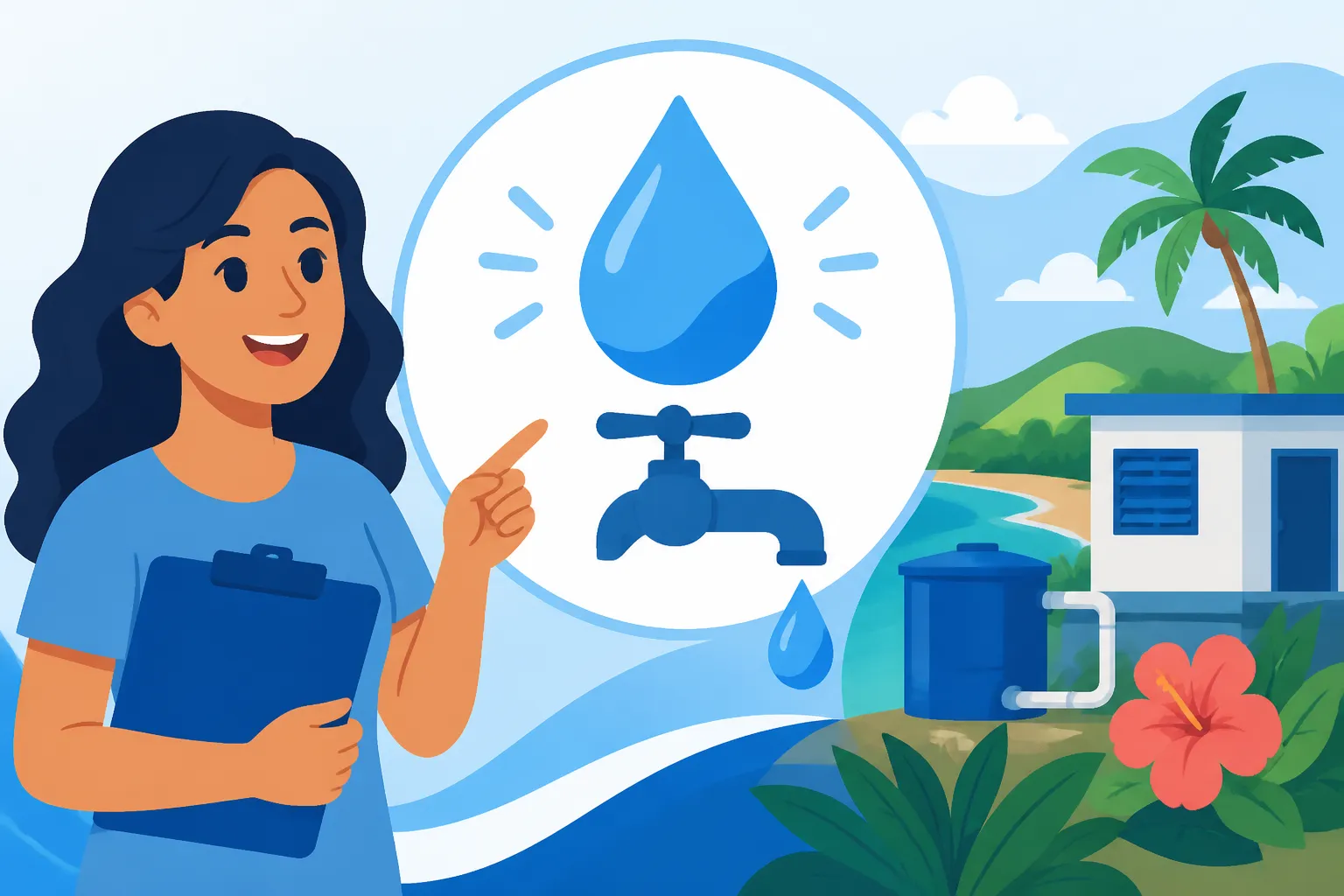
Ah, the joys of moving to a new place! You’ve finally unpacked some boxes, maybe even found your favorite panadería for your morning coffee, and now it’s time to tackle the nitty-gritty: getting your utilities sorted. Trust me, the water service, handled by the Autoridad de Acueductos y Alcantarillados (AAA) here in Puerto Rico, can feel like navigating a jungle gym blindfolded. But don't you worry, because this guide is going to walk you through every bend and turn, helping you understand how to set up your water service with as little headache as possible.
Understanding AAA: Puerto Rico's Water Authority
When you’re a newcomer to the island, getting your head around the local utility providers can be a bit of a challenge. Unlike the mainland where you might have multiple options, here in Puerto Rico, water and sewer services are primarily handled by one entity: the Autoridad de Acueductos y Alcantarillados, bless their hearts, or AAA as everyone calls them. This isn't just a random acronym; it’s the government-owned corporation responsible for providing drinking water and wastewater treatment across the entire island. From the pristine beaches of Rincón to the bustling streets of San Juan, if water flows to your tap or away from your drain, it’s most likely thanks to AAA.
What is AAA and Why It Matters
AAA is, simply put, the sole provider of public water and sewer services in Puerto Rico. This means you don't get to shop around for the best rates or service quality – it's AAA or nothing. This monopoly, while providing a unified infrastructure, also means that the experience can sometimes be…well, unique. For those of us used to a more competitive utility landscape, it can be a bit of a culture shock. Understanding that AAA operates as a public corporation, with all the bureaucratic layers that implies, is your first step to managing expectations. They are responsible for everything from source water collection and treatment plants to the vast network of pipes that bring water to your home and take away your wastewater. It's a massive undertaking on an island prone to hurricanes and seismic activity, which often puts their infrastructure to the test.
Common Challenges with Water Service
Now, let's be real. Living in Puerto Rico is amazing, but it comes with its own set of unique quirks, and utilities often top the list of "things that can be frustrating." Water service from AAA is no exception. You're probably going to hear stories, or maybe even experience firsthand, service interruptions. These can range from planned maintenance outages (which are sometimes announced, sometimes not so much) to unexpected breaks in water mains, especially after heavy rains or seismic events. There have been times when I’ve been without water for a day or two, only to find out from a neighbor what was going on, because official communications can be a bit slow or difficult to find.
Then there are the billing issues. Oh, the billing issues! It’s not uncommon to receive a bill that seems wildly off, either too high or surprisingly low, suggesting an estimated reading instead of an actual one. And trying to get these discrepancies sorted out? That can be a whole other adventure involving multiple phone calls, sometimes to numbers that ring endlessly, or trips to a physical office where you might spend a good chunk of your day. The language barrier can also be a significant hurdle for many newcomers. While many AAA employees are bilingual, you might encounter situations where communicating complex issues in English is difficult, leading to misunderstandings and increased frustration. It's truly one of those moments where you might be wishing you had a local friend to help translate, or at least a trusty mobile data plan, perhaps with an eSIM from a provider like Airalo, to help you look up translations on the fly. Don't worry, these challenges are real, and every expat here has probably been through them. The key is to approach them with patience and persistence.
The Step-by-Step Process for New AAA Service
Alright, let’s get down to brass tacks. Setting up new water service in Puerto Rico for the first time can feel a little bit like a treasure hunt, but with this roadmap, you'll know exactly what pieces of the puzzle you need. The process generally requires a blend of preparation, patience, and a willingness to navigate local bureaucracy.
Gathering Your Essential Documents
Before you even think about heading to an AAA office, make sure you have all your ducks in a row. This is crucial because missing just one document means you'll likely be turned away and have to start the whole waiting game over again. Remember, the more prepared you are, the smoother this process can be.
Here's a breakdown of what you'll typically need:
- Proof of Identity: Your government-issued ID is non-negotiable. This could be your U.S. driver's license, passport, or a Puerto Rico ID. They need to confirm you are who you say you are.
- Social Security Number (SSN): For U.S. citizens and residents, your SSN is generally required for utility accounts, just like on the mainland.
- Proof of Residency or Property Ownership: This is where it gets specific.
- If you're renting: You'll need a copy of your signed lease agreement. Make sure it clearly states your name, the property address, and the lease term. The AAA will want to see that you have a legitimate right to occupy the property. If you're looking for an apartment, understanding the process for How to Sign a Lease and Understand Tenant Law in Puerto Rico is a critical step before you even get to this point.
- If you own the property: You'll need a copy of the deed (escritura) or a certificate of property registration from the Registry of Property. If you’re buying, your real estate agent or lawyer should provide this. For more insights on this, you can check out Understanding Property Ownership and Titles in Puerto Rico.
- Previous AAA Bill (if applicable): If you’re transferring service or taking over an existing account from a previous tenant or owner, having a recent AAA bill for that specific address can sometimes help them locate the account faster.
- Taxpayer Identification Number (TIN): For businesses or self-employed individuals, this might be required in lieu of an SSN.
Having both original documents and a few photocopies is always a smart move. Sometimes they only need to see the original, other times they'll keep a copy for their records.
Here's a handy table of what you'll likely need:
| Document Type | Purpose | Notes |
|---|---|---|
| Photo ID | Identity verification | Driver's License, Passport, State ID |
| Social Security Card | Account identification and credit check | Original or copy; SSN is mandatory for personal accounts |
| Lease Agreement | Proof of residence (for renters) | Must be signed, show address, and lease duration |
| Property Deed (Escritura) | Proof of ownership (for homeowners) | Official document from property registry |
| Previous AAA Bill | Reference for existing account (if applicable) | Helps AAA staff locate the property's service history |
Visiting a Local AAA Office (or Online)
Once your documents are in order, you have two main avenues: visit a local AAA customer service center or, if you're lucky and the stars align, try their online portal.
- The In-Person Experience: For most newcomers, an in-person visit is often the most reliable way to establish new service, especially if you're dealing with a property that's never had service under your name or has a complex history. There are AAA offices scattered across the island, with larger ones in metropolitan areas like San Juan (e.g., the main office in Hato Rey) or Ponce. Be prepared for a wait. I’ve spent anywhere from 30 minutes to a couple of hours in these offices. Go early in the morning, right when they open, to beat some of the rush. Bring a book, fully charge your phone (perhaps with a fully loaded Airalo eSIM for connectivity!), and practice your most patient smile. When it's your turn, clearly state you want to open a cuenta nueva (new account) and present all your documents. Don't be shy about asking questions if something isn't clear, even if you need to use a translation app.
- The Online Portal: AAA does have an online portal, but its functionality for new service setup can be hit or miss. It's more commonly used for paying bills, checking your balance, or reporting issues for existing accounts. It's worth checking out if you're tech-savvy and want to avoid the lines, but don't be surprised if you ultimately need to go in person. It’s always good to have a backup plan. For paying bills, it can be quite useful, so once you’re set up, learn How to Pay Your LUMA and AAA Bills Online in Puerto Rico.
The Application and Activation Dance
After you’ve submitted your documents, you’ll fill out an application form. This will include all your personal details, the service address, and any specific requests. You'll likely be asked to pay a security deposit, which varies depending on the property type and estimated consumption. This deposit is usually refundable when you close the account, assuming no outstanding balances.
Here's the tricky part: activation. Unlike electricity (LUMA), which sometimes requires a technician visit, water service usually doesn't need an on-site visit unless there’s a problem with the meter or a previous disconnection that requires physical intervention. However, it’s not instantaneous. AAA will typically give you an estimated timeframe for activation, which could be anywhere from a few business days to a week or more, depending on their workload and the specific location.
This waiting period can be agonizing, especially if you’ve just moved in and are relying on bottled water for everything. It's often during this time that you realize how important it is to plan your move thoroughly, ensuring all your utilities are on your Complete Relocation Checklist for Moving to Puerto Rico (2026). Follow up if you don't hear anything or if the promised activation date passes. Keep a record of who you spoke to, when, and what they promised. A little persistence goes a long way here.
Navigating AAA Bills and Payments
Once your water is flowing, you'll eventually receive your first bill. This can sometimes be a bit of a mystery, especially with different charges and consumption units. Understanding your bill and the various payment options is key to avoiding issues. After all, nobody wants a surprise disconnection!
Deciphering Your Monthly Water Bill
Puerto Rico's AAA bills might look a bit different from what you're used to. They're typically in Spanish, but the numerical breakdown is usually universal enough to understand the basics.
Here’s what you should look for:
- Número de Cuenta (Account Number): This is your unique identifier. Keep it handy for all communications.
- Fecha de Factura (Bill Date): The date the bill was issued.
- Fecha Límite de Pago (Payment Due Date): The absolute last day to pay without incurring late fees or risking service interruption. Pay attention to this date!
- Consumo (Consumption): This section details how much water you’ve used, usually measured in cubic meters (m³). You'll see current readings, previous readings, and the difference. If you suspect an error or estimate, compare the meter reading on your bill to your actual meter outside your home.
- Cargo Fijo (Fixed Charge): This is a base fee that almost everyone pays, regardless of consumption. It covers basic infrastructure and service costs.
- Cargo por Consumo (Consumption Charge): This is the cost based on your actual water usage. AAA uses a tiered system, meaning the more water you use, the higher the rate for each additional cubic meter.
- Cargo por Alcantarillado (Sewer Charge): This covers wastewater treatment and is often a percentage of your water consumption charge.
- Otros Cargos/Ajustes (Other Charges/Adjustments): This could include late fees, reconnection fees, or special charges.
It’s a good idea to monitor your water usage, especially in a new place. For insights on overall expenses, checking out How Much Does It Cost to Live in San Juan per Month? might give you a broader picture of utility costs relative to other expenses.
Payment Options and Avoiding Disconnection
AAA offers several ways to pay your bill, catering to different preferences.
- Online Portal: The most convenient option for many. Once your account is active, you can register on the AAA website to view your bills and make payments electronically. This is usually the fastest way to ensure your payment is registered immediately.
- Banks and Cooperativas: Many local banks and cooperativas (credit unions) in Puerto Rico accept AAA payments, either through their online banking platforms or in person. This can be a great option if you're already doing your banking there.
- Mail: You can always mail a check or money order, but this is the slowest method and not recommended if you're close to the due date.
- In-Person at AAA Offices: You can pay your bill at any customer service center. Be prepared for potential lines, especially around the due date.
- Authorized Payment Centers: Look for signs at various local businesses or convenience stores that say "Se Aceptan Pagos de AAA." These can be quick and easy, but sometimes charge a small processing fee.
Crucially, avoiding disconnection is paramount. If you miss a payment, AAA will first assess a late fee. If the bill remains unpaid, they will issue a disconnection notice. Ignoring this notice will almost certainly lead to your service being shut off. Reconnection often involves paying the full outstanding balance, plus a reconnection fee, and waiting for a technician to restore service, which can take several days. It’s a hassle you definitely want to avoid!
Dealing with Billing Discrepancies
What happens if your bill seems way too high, or you suspect an error? It's a common complaint among residents, and addressing it requires a systematic approach.
- Check Your Meter: First, physically check your water meter. Compare the reading on the meter to the "current reading" on your bill. If there's a significant difference, it might mean your bill was estimated.
- Look for Leaks: High bills often indicate a leak, even a small one. Check all faucets, toilets (a running toilet can waste a surprising amount of water), and visible pipes. Even an invisible underground leak can dramatically inflate your bill.
- Contact AAA Customer Service: If you've ruled out a leak and the meter reading doesn't match, call AAA. Be ready with your account number, the bill in question, and your meter reading. Clearly explain the discrepancy. Again, patience and persistence are key.
- Visit an Office: If a phone call doesn't resolve the issue, head to a local AAA customer service office. Bring all relevant documents, including photos of your meter if possible. Request to speak with a supervisor if the first agent can't help. You might also find similar issues when you set up your electricity, so learning How Do I Set Up Electricity (LUMA) in Your Puerto Rico Home will also be useful.
Disputing charges can be a lengthy process, but it's important to advocate for yourself. Keep detailed notes of all your interactions, including dates, times, and the names of the representatives you speak with.
Proactive Tips for Managing Your Water Service
Living on an island with an aging infrastructure means being proactive about certain aspects of your daily life, and water service is definitely one of them. You can't control everything, but you can certainly prepare for common scenarios and minimize their impact.
Preparing for Water Interruptions
Water outages are a fact of life here, especially during hurricane season or following heavy rains that can affect water treatment plants and distribution lines. While the authorities do their best, sometimes the water just stops.
- Stock Up on Water: Always keep a supply of bottled drinking water for cooking and consumption. I mean, always. Consider investing in large, refillable water jugs.
- Emergency Water Storage: For non-drinking purposes (flushing toilets, washing hands), having a few gallons of tap water stored in clean containers can be a lifesaver. Some homes even have large cisterns or aljibes for this exact purpose, which collect rainwater or municipal water when it's available.
- Stay Informed: Follow local news outlets, radio stations, and community social media groups for updates on outages. Often, your neighbors will be the first source of real-time information. The official AAA website sometimes posts advisories, but local word-of-mouth is invaluable.
- Water Filters: Even when the water is running, having a water filter (pitcher, faucet, or whole-house) can improve taste and provide an extra layer of reassurance about water quality, especially after an interruption when sediment might be stirred up.
Conserving Water and Checking for Leaks
Given the potential for interruptions and the cost of usage, conserving water is not only environmentally responsible but also economically savvy.
- Be Mindful of Usage: Simple habits like turning off the faucet while brushing your teeth, taking shorter showers, and only running dishwashers and washing machines with full loads can make a big difference.
- Regular Leak Checks: As mentioned earlier, even small leaks can lead to huge bills. Periodically check all visible plumbing, especially toilets and outdoor spigots. A simple trick for toilets is to put a few drops of food coloring in the tank; if the color appears in the bowl without flushing, you have a leak.
- Efficient Appliances: If you're buying new appliances, opt for water-efficient models.
Leveraging Community and Local Resources
One of the most valuable resources you'll find in Puerto Rico, especially as a newcomer, is the local community itself. Neighbors, local groups, and even your landlord or real estate agent can be goldmines of information. When organizing your move, using a service like Sirelo that connects you with local experts can also be incredibly helpful in understanding these nuanced local dynamics beyond just packing boxes.
- Talk to Your Neighbors: Seriously, get to know them. They've likely dealt with AAA for years and can offer practical advice, tell you about current outages before official announcements, and recommend reliable plumbers if you ever need one.
- Local Facebook Groups/Forums: Many communities in Puerto Rico have active online groups where residents share information about utility outages, local services, and tips. These are often the fastest sources for real-time updates.
- Your Landlord/Real Estate Agent: If you’re renting, your landlord might have direct experience with setting up AAA in your specific unit and can guide you. If you’re buying, your How to Find a Reliable Real Estate Agent in Puerto Rico should be able to provide initial guidance on utilities. They know the local landscape better than anyone. Remember, it's not always about official channels; sometimes, a friendly chat with a local can solve more problems than an hour on the phone with customer service.
Setting up your water service in Puerto Rico requires a bit of planning and a healthy dose of patience, but it’s a hurdle every expat clears. By understanding the process, gathering your documents, and learning how to navigate the system, you'll be enjoying reliable water in your home in no time.
Disclaimer
The information provided in this guide is intended for general informational purposes only and does not constitute legal, financial, or professional advice. While we strive to keep the content up-to-date and accurate, processes and requirements for utility services in Puerto Rico can change. Always consult with the official Autoridad de Acueductos y Alcantarillados (AAA) website or visit a local office for the most current and specific information pertaining to your situation. We strongly recommend verifying all critical information independently.