How Do I Find a Real Estate Agent in Puerto Rico?
Moving to Puerto Rico, with its unique charm and vibrant culture, is an exciting adventure, but let’s be real, it comes with its fair share of administrative hurdles. One of the biggest, and often most stressful, challenges newcomers face is navigating the real estate market. It's not like the mainland, and trying to find that perfect casita or condo can feel like searching for a needle in a haystack – especially when you don't know where to start looking for a truly trustworthy and effective real estate agent. This guide is here to walk you through exactly how to find a real estate agent in Puerto Rico who understands your needs and can successfully guide you through the process, saving you countless headaches and potential heartbreaks.
Why Finding the Right Real Estate Agent in Puerto Rico Matters So Much
Look, I’ve been there. You land on the island, eyes wide with possibility, and then reality hits. The housing market here operates differently. It’s not just about finding a house; it’s about finding a home in a new cultural context, with different legal intricacies and communication styles. This is precisely why your real estate agent isn't just a facilitator; they're your primary guide and advocate.
Navigating the Unique Local Market Nuances
Unlike the cookie-cutter processes you might be used to in many stateside markets, Puerto Rico’s real estate scene has its own rhythm and rules. For starters, many properties, especially outside of the major metropolitan areas like San Juan or Dorado, might not be listed on widely accessible multiple listing services (MLS) in the same comprehensive way. You'll often find properties advertised through local networks, word-of-mouth, or even just a "For Sale" sign (Se Vende) tacked onto a fence post.
A good local agent is steeped in this ecosystem. They know the unwritten rules, the neighborhood quirks, and perhaps most importantly, they understand that a significant portion of communication and negotiation here happens in Spanish. If you’re not fluent, a bilingual agent isn't just a convenience; they’re an absolute necessity to ensure your interests are accurately represented and that you understand every single detail, from zoning restrictions to community association rules. They can decipher the nuances of buying a finca with unique agricultural designations versus a modern condo with specific HOA bylaws, or help you understand local property easements that might not be immediately obvious. This local expertise is invaluable.
Protecting Your Investment and Interests
Let’s not sugarcoat it: moving to a new place, especially one with a different legal and cultural framework, can make you vulnerable. There are always people looking to take advantage of newcomers who don't know the ropes. This is where a truly skilled and ethical real estate agent becomes your shield. They are your first line of defense against potentially problematic properties, unclear titles, or unfavorable contract terms.
A seasoned agent will ensure proper due diligence is conducted on any property you’re considering. They'll ask the tough questions, dig into the property’s history, and confirm that all legal requirements are met before you even think about putting down a deposit. This includes understanding the property registry, verifying ownership, and ensuring there are no liens or outstanding debts associated with the property. For those eyeing opportunities related to Act 60, finding an agent familiar with the specific types of properties and locations that align with those investment goals, while strictly adhering to compliance, is crucial. Their knowledge of local laws surrounding property transactions, negotiations, and closing procedures can save you from costly mistakes down the line. Remember, buying property here isn’t just about the asking price; it's about the security of your investment, and a good agent will fight to protect it. It's truly eye-opening how different the process can be, which is why I always recommend diving deep into topics like Understanding Property Ownership and Titles in Puerto Rico before you even start looking.
Beyond the Transaction: A Local Guide
In Puerto Rico, your real estate agent often becomes much more than just someone who helps you buy or sell. For many newcomers, they're one of your first authentic local connections. Think about it: they know the island, the communities, and the people. A great agent can offer insights into the best neighborhoods for families, where to find good schools, reliable contractors, or even just the best local panadería.
They can provide context on areas, advising you on whether a particular location will fit your lifestyle, your family's needs, or your commute to work. For example, if you're set on a particular lifestyle, an agent specializing in, say, coastal properties in Rincón versus the bustling city life of San Juan, can tailor your search and provide invaluable local insights. They often have a network of trusted professionals, from lawyers specializing in property law to home inspectors, and can refer you to reputable contacts, which is an absolute godsend when you're just getting your bearings. This kind of holistic support extends far beyond the typical agent role and can significantly smooth your overall transition to island life.
Where to Begin Your Search for a Puerto Rico Real Estate Agent
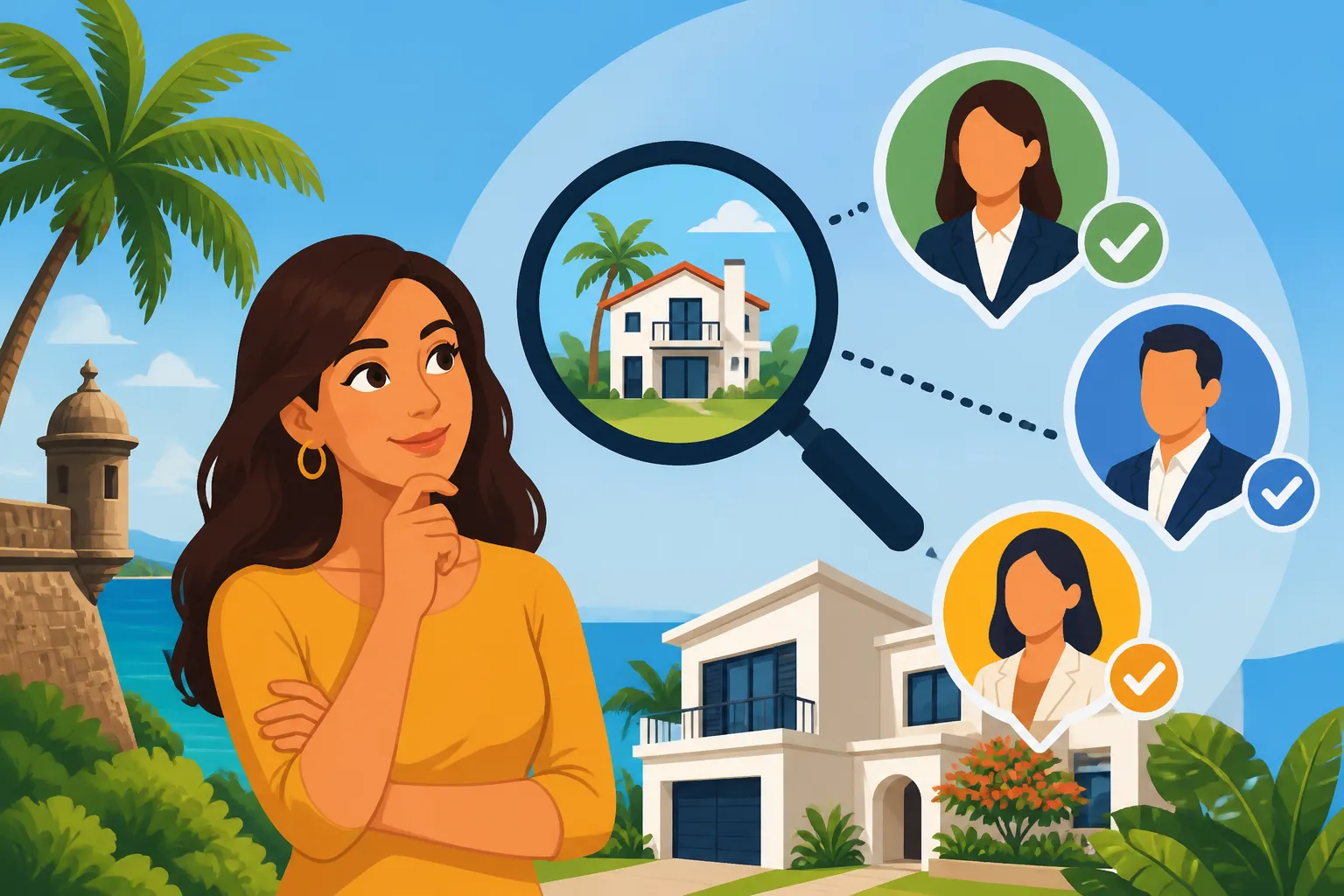
Finding a stellar real estate agent in Puerto Rico isn't like picking one out of a hat. It requires a strategic approach, especially if you’re new to the island. You'll want to tap into various resources, both online and offline, to build a solid list of candidates.
Leveraging Your Network and Expat Communities
This is, hands down, one of the most effective ways to find reliable professionals in Puerto Rico. Fellow expats who have already navigated the system are a treasure trove of information. Join Facebook groups dedicated to expats in Puerto Rico (there are many!), online forums, or local community groups. Post a friendly inquiry asking for recommendations for real estate agents who specialize in working with newcomers or in specific areas you’re interested in.
When I first moved here, I spent countless hours sifting through online groups. The responses I got were invaluable, not just for agent names, but for the detailed experiences people shared – the good, the bad, and the ugly. Pay attention to agents who receive multiple positive mentions, and specifically, look for those praised for their patience, clear communication, and understanding of expat concerns. This word-of-mouth endorsement carries significant weight in a place like Puerto Rico, where personal connections often open doors. Remember, the journey here is about more than just a house; it’s about settling into a new life, and these communities can offer incredible support. Speaking of which, if you’re just starting your journey, you might want to check out The Complete Guide to Moving to Puerto Rico: Your First 90 Days (2027) for other helpful tips.
Online Portals and Professional Associations
While personal recommendations are gold, online platforms are also a necessary starting point. Websites like Clasificados Online, Point2Homes, and the Puerto Rico-specific listings on Zillow are popular places where properties are advertised. You can often find agents listed alongside their properties. However, a word of caution: these platforms can sometimes be less comprehensive or up-to-date than you might be used to. Information can be stale, and direct contact details might be scarce. Don't rely solely on these sites for your search.
A more reliable avenue is through professional associations. The Puerto Rico Association of Realtors (PRAR), affiliated with the National Association of Realtors (NAR), is a good resource. You can often find a directory of licensed real estate professionals on their website. Similarly, the Colegio de Corredores de Bienes Raíces de Puerto Rico (Puerto Rico Board of Real Estate Brokers) is the official licensing body, and they maintain records that can help you verify an agent’s license status. This step is non-negotiable; always verify that any agent you consider is properly licensed and in good standing. An agent who is actively involved in these professional organizations often stays more current on market trends, legal updates, and ethical practices.
Consider Specialist Agents (Luxury, Act 60, Specific Areas)
Puerto Rico's real estate market, while smaller than some mainland counterparts, still has its specialties. If you're looking for a luxury property, for example, an agent who primarily deals in high-end homes in areas like Dorado, Condado, or Old San Juan will have a different network and skillset than someone who focuses on more rural properties. These agents often have access to exclusive listings not publicly advertised.
Similarly, if your move is tied to Act 60 tax incentives, you’ll want an agent who understands the nuances of properties that align with those requirements, even if the primary legal advice comes from your attorney. They might be familiar with residential zones that cater to specific lifestyles sought by Act 60 residents or understand the types of commercial properties that could be eligible for business incentives. Or perhaps you've fallen in love with a particular region, like the surf towns of the west coast. An agent deeply embedded in that specific local community, say, Rincón or Aguadilla, will have superior local knowledge and connections compared to a general agent based in San Juan. For those exploring specific areas, understanding local dynamics is key. For example, if you’re looking at rentals, you might want to explore resources like How to Find an Apartment to Rent in Condado? to grasp neighborhood-specific agent nuances.
Vetting Potential Agents: What to Look For and Ask
Once you’ve compiled a list of potential agents, the real work begins: vetting them thoroughly. This isn't just about finding someone available; it's about finding someone who is competent, trustworthy, and genuinely aligned with your goals as a newcomer to Puerto Rico.
Essential Qualifications and Experience
First things first: licensing. Always, always verify that your prospective agent holds a current and valid real estate license from the Colegio de Corredores de Bienes Raíces de Puerto Rico. You can usually do this by checking with the Colegio directly or asking the agent for their license number and then verifying it yourself. Don't skip this step; an unlicensed agent can leave you in a world of legal trouble.
Beyond licensing, consider their experience. How long have they been working in real estate in Puerto Rico? Experience matters, especially in a market with its own unique challenges. Ask about their track record: How many transactions have they successfully completed in the past year, particularly in the areas you're interested in? More specifically, inquire about their experience working with clients who are new to the island or are moving from the mainland. An agent who understands the cultural and logistical hurdles of an expat move is incredibly valuable. They should be able to offer references from previous clients, and you should absolutely follow up on those references. A good agent will be transparent and proud of their client successes.
Communication and Language Skills
This might seem obvious, but I cannot stress enough how critical clear and consistent communication is. If your Spanish isn't fluent, a truly bilingual agent is not just a perk; it's a necessity. You need to understand every detail of the transaction, and relying on Google Translate for legal documents is a recipe for disaster. During your initial conversations, gauge their communication style. Are they responsive? Do they answer your questions clearly and patiently, or do they rush through explanations, assuming you understand local jargon?
The pace of business here can sometimes be a bit slower than on the mainland, so patience is key, but responsiveness from your agent is still paramount. You need someone who will promptly return your calls, emails, or WhatsApp messages (WhatsApp is a primary communication tool here!). Pay attention to how quickly they provide information or follow up on requests. You want an agent who makes you feel heard and understood, not someone who leaves you feeling confused or in the dark. In my early days here, trying to sort out communication while also figuring out local logistics was a headache. I remember relying heavily on my phone, and services like Airalo were a lifesaver for keeping me connected with agents and other contacts before I had my local phone plan fully sorted.
Asking the Right Questions During the Interview
Treat your initial meeting with a potential agent like a job interview – because it is! You're hiring them to represent one of the most significant financial decisions of your life. Come prepared with a list of pointed questions to assess their expertise, process, and compatibility with your needs:
- "How many transactions have you closed in [specific area, e.g., Dorado] in the last year, and what was the average time from listing to closing?" This reveals their activity and efficiency in your target market.
- "What's your typical process for due diligence on property titles (estudio de título)? Do you work with specific attorneys for this?" A clear, detailed answer is crucial. You want to understand this critical step, as it’s essential for clear ownership. You absolutely need to understand How Do I Check a Property Title in Puerto Rico?
- "Can you walk me through the typical closing costs process in Puerto Rico? What are the main fees I should expect?" This shows their knowledge of the financial side and helps you budget. Understanding How Much Are the Closing Costs to Buy a Home in Puerto Rico? is vital from the get-go.
- "How do you approach price negotiations in the current Puerto Rico market? Are there common strategies you employ?" You want an agent who is a strong negotiator and understands local bargaining dynamics.
- "Do you have experience working with clients who are new to the island, perhaps from the mainland, or those looking into Act 60 properties?" Their answer will tell you if they understand the unique perspective and potential challenges of expat buyers.
- "What are your preferred communication methods, and how often can I expect to hear from you with updates?" Set expectations early for communication frequency and channels.
- "Can you provide me with contact information for 2-3 recent clients whom I can call as references?" A confident agent will readily provide this. And then, actually call those references!
A good agent will not only answer these questions confidently but also ask you plenty of questions about your lifestyle, priorities, and long-term plans to ensure they fully understand what you're looking for.
Red Flags vs. Green Lights When Interviewing Agents
To help you out, here's a quick comparison of what to look for and what to be wary of when you're talking to potential real estate agents:
| Feature | Red Flag | Green Light |
|---|---|---|
| Licensing | Reluctant to provide license number or can't be verified. | Readily provides license number; easily verifiable and active. |
| Experience | Vague answers about experience, no specific numbers for transactions or areas. | Clear track record in your target areas, willing to share success stories. |
| Communication | Slow to respond, uses excessive jargon, seems impatient or dismissive of questions. | Responsive, clear explanations, patient, genuinely bilingual if needed. |
| Local Knowledge | Only knows properties on major listing sites; lacks insight into specific neighborhoods or local culture. | Deep knowledge of local communities, market trends, and unique PR property nuances. |
| Due Diligence | Downplays the need for an attorney or title search; rushes through legal explanations. | Emphasizes the importance of legal counsel and thorough property checks. |
| Transparency | Avoids questions about fees, commissions, or potential issues with a property. | Openly discusses all costs, potential challenges, and their commission structure. |
| References | Hesitates to provide past client references or makes excuses. | Provides multiple references without hesitation. |
Common Pitfalls and How to Avoid Them
Even with the best intentions, the process of finding and working with a real estate agent in Puerto Rico can have its challenges. Being aware of common pitfalls can help you steer clear of unnecessary stress and potential financial setbacks.
Rushing into a Decision and Unrealistic Expectations
One of the biggest mistakes newcomers make is rushing the process. You might be eager to settle in, but signing with the first agent you meet, especially one who promises a lightning-fast deal, can be detrimental. Take your time. Interview several agents, compare their approaches, and speak to their references. Remember, "Island Time" isn't just a cliché; it often applies to business transactions too. Expecting everything to move at a breakneck pace, like in a highly competitive mainland market, can lead to frustration and poor decisions. The market here has its own rhythm, and patience is a virtue you'll want to cultivate.
Similarly, hold realistic expectations about what your agent can do. While they are a vital resource, they are not a substitute for independent legal counsel or financial advisors. They can provide market insights and facilitate transactions, but critical decisions should always be made after consulting with appropriate professionals. For example, while an agent can show you properties, understanding the full scope of How to Buy Property in Puerto Rico: The Full Guide (2027) involves many moving parts.
Neglecting Due Diligence on the Agent and Property
As I mentioned earlier, verifying your agent's license is non-negotiable. Don't take their word for it; do your own checking with the official Colegio de Corredores de Bienes Raíces de Puerto Rico. Beyond the agent, it's absolutely crucial to perform thorough due diligence on any property you're considering. This means much more than just a quick walkthrough.
Always, always get an independent property inspection by a qualified professional. They can uncover structural issues, hidden damages, or problems with electrical and plumbing systems that an agent might not notice or disclose. Furthermore, engage your own attorney (more on this below) to conduct a comprehensive title search. This is paramount to ensure the property has a clear title, free of liens, undisclosed heirs, or other legal encumbrances that could jeopardize your ownership. Relying solely on the seller's or agent's word for these critical details is a huge risk that could lead to significant financial and legal headaches down the road. Understanding What Documents Do I Need to Buy Property in Puerto Rico? can give you a head start on what to look out for.
Communication Breakdown and Cultural Misunderstandings
Even with a bilingual agent, communication can still be tricky if you're not attuned to local cultural nuances. Puerto Ricans are generally warm and hospitable, and directness can sometimes be perceived differently. Be clear and specific about your needs, but also be patient and open to understanding the local way of doing things. Avoid assumptions. If something isn't clear, ask for clarification, even if you feel you're asking "too many" questions. It's better to over-communicate than to face misunderstandings later.
Sometimes, issues arise not from malicious intent, but simply from differing expectations or communication styles. If you're feeling frustrated, try to address it calmly and directly with your agent. A good agent will appreciate your honesty and work to bridge any gaps. And of course, making sure your own communication lines are always open is key. When you're constantly on the go, especially during initial scouting trips, having reliable mobile connectivity is essential. Services like Airalo can provide peace of mind, ensuring you're never out of touch with your agent, even before you've settled into a local phone plan.
Overlooking Legal Representation
This is perhaps the single most important piece of advice I can give you: hire your own independent attorney. Do not, under any circumstances, rely solely on the attorney recommended by your real estate agent or the seller. While your agent is there to facilitate the transaction, their primary role is not legal counsel. You need an attorney whose sole loyalty is to you and your interests.
Your attorney will review all contracts, conduct the independent title search, ensure all legal requirements are met, and represent you at closing. They will be your safeguard against any legal discrepancies or hidden clauses that could harm you. Finding a reputable real estate attorney who specializes in Puerto Rico property law is just as critical as finding a good agent. They should be fluent in both Spanish and English, or at least be able to provide clear, certified translations of all legal documents. This independent legal eye is your ultimate protection and one investment you absolutely cannot afford to skip when buying property here. Once you've successfully navigated the agent search and secured your dream home, you'll still have the big move ahead. Services like Sirelo can be a fantastic resource for comparing reputable international moving companies and getting accurate quotes, making that next step much smoother.
Disclaimer
Please remember that I am a lifestyle blogger and not a licensed legal, financial, or real estate professional. The information provided in this article is for general informational and entertainment purposes only and does not constitute professional advice. While I strive to provide accurate and up-to-date content based on my experiences and research, the real estate market, laws, and regulations in Puerto Rico can change. Always consult with qualified and licensed professionals, such as real estate brokers, attorneys, and financial advisors, for advice tailored to your specific situation before making any real estate decisions.