How Much Are the Closing Costs to Buy a Home in Puerto Rico?
Oh, the joy and terror of buying a home in paradise! You've found your little slice of heaven here in Puerto Rico, maybe a charming casita in Old San Juan or a breezy condo overlooking the waves in Rincón, and now comes the moment of truth: closing costs. It's a phrase that can send shivers down even the most seasoned expat's spine, especially when dealing with a new legal system. This guide is here to pull back the curtain on those often-confusing fees, helping you understand exactly what you’ll pay when you finally close on your new Puerto Rico home.
The Initial Shock: Understanding What "Closing Costs" Even Mean Here
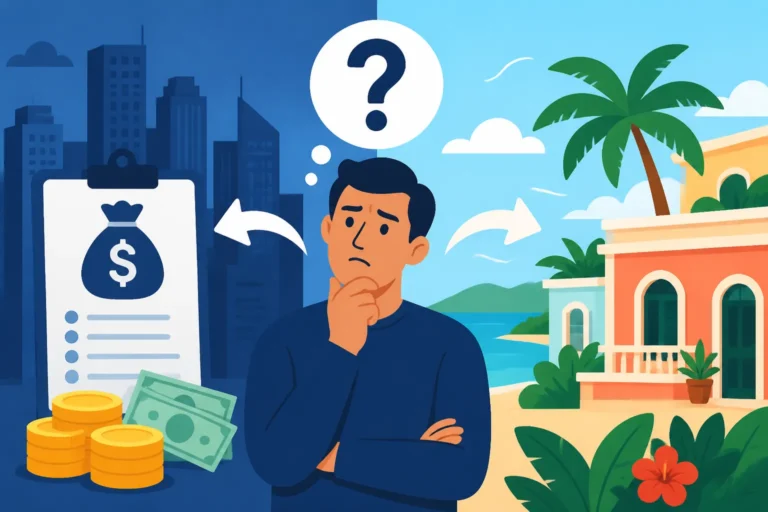
When you’re buying property on the mainland, you get accustomed to a certain set of closing costs. Here in Puerto Rico, many of the components are similar in concept, but the specific names, processes, and even the relative weight of each fee can feel quite different. The sheer volume of paperwork, often entirely in Spanish, and the number of signatures required can be daunting, and each step often comes with a price tag. It’s not just one big chunk of money, but rather a collection of charges that cover everything from legal work and title transfers to taxes and administrative processing. These aren't included in the agreed-upon purchase price; they're extra, and it's essential to budget for them from day one.
One of the first things you'll realize is that the role of the notary public in Puerto Rico is far more central and authoritative than what you might be familiar with in other places. They aren't just stamping documents; they're performing a comprehensive legal service that underpins the entire transaction. This naturally means their fees are a significant part of the closing costs. Furthermore, there's a unique blend of local taxes and registry fees that are specific to the island's legal framework. Don't be surprised if your initial estimates seem a bit higher than what you're used to – that's just the reality of the system here. Understanding that this is a separate bucket of funds, often totaling 3% to 7% of the purchase price, is the critical first step in managing your expectations and your budget.
Deconstructing the Buyer's Side of the Ledger: Key Closing Costs
Let's break down the major components you, as the buyer, will typically be responsible for. This is where most of your out-of-pocket expenses, beyond the down payment, will come from. Getting a clear picture of these is vital to avoid any last-minute financial surprises.
Notary Public Fees: The Unavoidable Gatekeeper
In Puerto Rico, the notario público (notary public) is not just a witness; they are a highly specialized attorney who drafts, authenticates, and formalizes all public instruments, including property deeds (escrituras públicas). Their role is absolutely central to any real estate transaction. They ensure everything is legally sound, properly recorded, and that both parties understand the implications of the sale. This comprehensive legal oversight is a major reason why their fees are a significant part of closing costs.
Typically, the notary's fees for drafting the escritura de compraventa (deed of sale) and other related documents, like the mortgage deed if you're financing, are calculated as a percentage of the sales price, often ranging from 0.5% to 1% of the value of the property or the mortgage amount, whichever is higher. For example, on a $300,000 home, you could be looking at $1,500 to $3,000 just for the notary's services on the deed. If you're also taking out a mortgage, there will be additional fees for preparing and protocolizing the mortgage deed. This isn't just for a few signatures; it's for their expertise, the creation of the official legal documents, and their crucial role in submitting everything to the Property Registry. They are truly the orchestrators of the legal transfer of title.
Registry Fees and Documentary Stamps (Sellos): Making it Official
Once your notary has done their work and the deeds are signed, the next critical step is to officially record your ownership at the Property Registry of Puerto Rico (Registro de la Propiedad). This is how the world knows you're the new owner, and it's absolutely crucial for protecting your investment. Without proper registration, your ownership isn't fully secured against third-party claims. The fees for this registration are generally around 0.5% to 0.75% of the property value, though this can vary slightly based on the complexity and value.
Beyond the registration fees, you'll also encounter sellos (documentary stamps) and comprobantes (vouchers). These are essentially taxes and fees that must be purchased from the Puerto Rico Treasury Department (Hacienda) and the Puerto Rico Bar Association, and affixed to the legal documents. These stamps and vouchers legitimize the public instruments and fund legal services. They are typically calculated based on the value of the property or the mortgage. For instance, you might pay a certain amount per $1,000 of value, with a tiered structure. It's an often-underestimated cost because it's not a single line item, but rather a collection of smaller charges for various stamps that are required for different parts of the transaction. For an accurate estimate of these, your notary will be your best resource, as they deal with these daily. Remember, getting your property officially registered is one of the most important steps in securing your investment here in Puerto Rico. To learn more about the property tax system that goes hand-in-hand with ownership, check out our guide on The Complete Guide to Property Taxes CRIM in Puerto Rico 2026.
Mortgage-Related Fees: When Financing Comes into Play
If you're like many of us who don't have a giant stack of cash sitting around for a home purchase, you'll be getting a mortgage. And with a mortgage, comes a whole new set of closing costs. These are typically charged by the bank or financial institution providing the loan, and they can add up quickly.
First up, you have the loan origination fee, which is essentially what the bank charges for processing your loan. This can be anywhere from 0.5% to 1.5% of the loan amount, sometimes more, depending on the lender and loan product. Then there's the appraisal fee, which is the cost of having a professional appraiser determine the market value of the home you're buying. Banks require this to ensure the property is worth at least what they're lending you. You'll also pay for a credit report fee, a small charge for pulling your credit history, and potentially a flood certification fee to see if the property is in a flood zone – which, let's be honest, is a very real consideration here in Puerto Rico.
One crucial fee unique to property transactions here is the cost of the estudio de título or title search. This involves a deep dive into the property's history to ensure there are no existing liens, encumbrances, or disputes that could affect your ownership. While the notary ensures the current transaction is clean, the title search verifies the past. Many mainland residents are used to title insurance covering this, but here, the notary's diligent work and the comprehensive public registry often serve a similar protective function. If you’re looking into getting a loan, understanding how to navigate the local lending landscape is key; our article How to Get a Mortgage to Buy a Home in Puerto Rico can provide further insights.
Administrative Odds and Ends: The Smaller, Sneaky Costs
Beyond the big-ticket items, there are always those smaller, seemingly insignificant fees that accumulate and can unexpectedly inflate your closing costs. These are the ones that often get overlooked in initial estimates but can add hundreds, sometimes thousands, to your final tally.
You might encounter fees for power of attorney, if you can't be present for every single signature and need someone to act on your behalf. There are also courier fees for sending documents back and forth, especially if you're coordinating from the mainland. Crucially, you'll need certifications from various government agencies. These include a certificación de deuda (debt certification) from the CRIM (Centro de Recaudación de Ingresos Municipales) to prove that all municipal property taxes are paid up, and a similar certification from the Treasury Department (Hacienda) to confirm no outstanding tax debts related to the property. There are also municipal certifications that attest to no outstanding permits or violations. Each of these certifications comes with its own small fee, often paid in sellos or comprobantes. While each might only be $20-$50, they add up. It’s always best to ask your notary for a full itemized list of every single fee, no matter how small, to truly grasp your total financial commitment.
The Seller's Share and Negotiation Nuances
While you, as the buyer, are focused on your own closing costs, it's helpful to understand what the seller is typically on the hook for. Why? Because these costs influence their net profit, which in turn can affect their willingness to negotiate on your closing costs or the overall sale price.
Capital Gains and Other Seller Taxes
For sellers, especially those who aren't bona fide residents of Puerto Rico under specific tax incentive laws, the primary concern is often capital gains tax on the sale of their property. If the property isn't their primary residence or hasn't been for a certain period, they could face a local capital gains tax. The rules around this can be complex, involving different tax rates depending on how long the property was owned and specific exemptions. For example, if it's a primary residence, there might be significant exclusions similar to mainland rules, but it’s crucial to verify.
There are also certain withholding taxes that might apply to foreign sellers or those without a clear tax history on the island. While this isn't directly your cost as a buyer, it's a cost that eats into the seller's proceeds, and an informed buyer understands that. This is where specialized tax advice becomes invaluable. For complex situations involving assets and income split between the mainland and Puerto Rico, services like Taxes for Expats can be incredibly helpful in navigating the intricacies of local and federal tax implications. Understanding these nuances can give you an edge in negotiations. We delve deeper into this topic in our article, Do I Pay Capital Gains Tax When Selling Property in Puerto Rico?.
Real Estate Agent Commissions and Other Seller Costs
The single largest cost for most sellers is the real estate agent's commission. While it varies, the standard rate in Puerto Rico typically ranges from 5% to 6% of the final sale price, usually paid by the seller. This is a substantial chunk of money that goes towards marketing the property, managing showings, and facilitating the transaction.
Beyond commissions, sellers also have other obligations. They are responsible for providing a current property survey (mensura), ensuring the property lines and structures are accurately documented. They must also clear any outstanding debts associated with the property, such as unpaid utility bills from LUMA (electricity) or AAA (water), or any past-due CRIM property taxes. Sometimes, they might even need to pay for certain repairs identified during a home inspection before closing. These are all costs that chip away at the seller's profit, and knowing this can equip you with a better understanding of their financial position when you're making an offer.
Negotiating Closing Costs: It's Not Set in Stone
Here's the good news: many closing costs are actually negotiable! Don't assume that the first estimate you get is the final word. In Puerto Rico, as in many real estate markets, who pays what can often be part of the negotiation process.
Your real estate agent and attorney are your best allies here. They can advise you on what's customary in your specific area and market conditions. For instance, in a buyer's market, where properties are moving slower, sellers might be more inclined to offer concessions. This could include them agreeing to pay a portion of your notary fees, covering some of the documentary stamps, or even chipping in towards your mortgage origination fees. It's not uncommon to ask for a seller credit towards closing costs, which can significantly reduce your upfront expenses. However, remember that if the seller pays more of your closing costs, they might be less willing to budge on the overall purchase price. It’s a balancing act. Always ensure any agreements are clearly stipulated in the purchase agreement (contrato de compraventa) to avoid misunderstandings down the line. Being prepared to negotiate is a key part of the journey to homeownership here. For a broader overview of the purchasing process, take a look at our How to Buy Property in Puerto Rico The Full Guide 2026.
Estimating Your Total Out-of-Pocket: A Practical Approach
So, how much should you realistically expect to pay? While there's no single, definitive answer, we can give you a solid framework for budgeting.
The "Rule of Thumb" vs. Detailed Estimates
A common rule of thumb for buyers to estimate closing costs in Puerto Rico is to budget an additional 3% to 7% of the purchase price, in addition to your down payment. This range accounts for variations in property value, whether you're financing, and the specific fees charged by your chosen professionals. For example, on a $250,000 home, you should prepare for an extra $7,500 to $17,500 in closing costs. This is a significant sum, so please, do not underestimate it!
However, a "rule of thumb" is just a starting point. The absolute best way to get an accurate figure is to get a detailed, itemized estimate from your chosen notary public and, if you're financing, from your bank. They will be able to provide a precise breakdown based on your specific transaction details, including the exact property value, mortgage amount, and the latest fee schedules. Ask for this early in the process, and don't be shy about asking for clarification on any line item you don't understand. Understanding the full financial picture is crucial. If you're pondering specific locations, you might find useful insights in our article, How Much Does It Cost to Buy a House in Rincon?, which touches on regional cost variations.
Preparing for Payments and Fund Transfers
When closing day arrives, you'll need to have your funds readily available. Typically, the remaining balance of your down payment and all your closing costs will need to be paid via a certified check (cheque certificado) or a wire transfer. Personal checks are almost never accepted for these large sums due to the need for guaranteed funds.
If you're transferring funds from a mainland US bank account, a standard wire transfer is usually straightforward. However, if your funds are coming from outside the US banking system, or you're looking for potentially lower transfer fees and better exchange rates for other currencies, consider using an international money transfer service. Wise (formerly TransferWise) is a popular option that many expats use for these types of transactions, often providing a more transparent and cost-effective solution compared to traditional bank wire transfers, especially for larger amounts. Always ensure you initiate these transfers well in advance of the closing date, as international transfers can sometimes take a few days to clear, and you definitely don't want to delay closing because of a technicality.
Avoiding Surprises and What to Ask Your Notary
The key to a smooth closing process, free from last-minute financial jolts, is clear communication and proactive questioning. Your notary public is your most important resource in this regard.
Before closing, request a comprehensive estado de cuenta or closing statement from your notary. This document should detail every single charge, who is responsible for paying it, and the final amount due. Review it meticulously. If anything looks unfamiliar, or if the numbers don't align with your initial estimates, ask questions immediately. Don't wait until you're sitting at the closing table with a pen in hand. Ask them to explain the purpose of each fee, the calculation method, and whether any of them are negotiable. A good notary will be patient and thorough in their explanations, ensuring you feel comfortable and informed. They are there to protect your interests, so leverage their expertise. By being diligent, you can ensure that you walk into your closing confident and prepared, ready to celebrate becoming a Puerto Rico homeowner without any hidden cost anxieties. For further details on the valuation process that influences these costs, refer to Understanding Property Valuation and Mortgages in Puerto Rico.
| Buyer Closing Cost Item | Estimated Range (as % of Purchase Price/Mortgage) | Notes |
|---|---|---|
| Notary Public Fees | 0.5% – 1.0% | For drafting deed, mortgage deed, and legal services. |
| Property Registry Fees | 0.5% – 0.75% | For officially recording the deed at the Registro de la Propiedad. |
| Documentary Stamps (Sellos) | 0.1% – 0.3% (approx.) | Various stamps/vouchers for Hacienda & Bar Association, based on value. |
| Loan Origination Fee (if financing) | 0.5% – 1.5% | Charged by the bank for processing your mortgage loan. |
| Appraisal Fee (if financing) | $400 – $800+ (flat fee) | Cost for property valuation. |
| Credit Report Fee (if financing) | $30 – $70 (flat fee) | Small charge for pulling credit history. |
| Title Search (Estudio de Título) | Included in notary/bank fees, or separate $200-$500 | Cost to research property history for liens/encumbrances. |
| Administrative Certifications | $100 – $300 (total of small fees) | Certifications from CRIM, Hacienda, municipal governments for debt clearance. |
| Total Estimated Closing Costs | 3% – 7% | Excludes down payment. Can be higher for very low-value properties or complex transactions. |
Disclaimer
The information provided in this article is for general informational purposes only and does not constitute legal, financial, or tax advice. While we strive to provide accurate and up-to-date information, laws and regulations in Puerto Rico can be complex and subject to change. It is essential to consult with qualified local professionals, such as a notary public (attorney), real estate agent, and tax advisor, for advice tailored to your specific situation before making any property purchase decisions.