How Do I Enroll My Child in School in Puerto Rico?
The sheer thought of moving to a new place is daunting enough, but when you add the enormous responsibility of enrolling your children in a new school system in a different cultural context like Puerto Rico, it can feel like navigating a labyrinth blindfolded. I remember the stress, the endless forms, the language barriers, and just wanting to make sure my kids landed somewhere they'd thrive. This guide is here to untangle that process, offering a clear, empathetic roadmap to getting your child settled in a Puerto Rico school.
Understanding the Educational Landscape in Puerto Rico
Before you even start thinking about specific schools or paperwork, it’s crucial to grasp the different types of educational institutions available on the island. Just like on the mainland, Puerto Rico offers public, private, and sometimes even international schools, each with its own unique characteristics, benefits, and challenges. Knowing these differences will help you decide what’s best for your child and your family's specific needs and budget.
The Public School System: Departamento de Educación
The public school system in Puerto Rico, run by the Department of Education (Departamento de Educación de Puerto Rico, or DEPR), serves the vast majority of students. While it's free to attend, there are some significant considerations for newcomers. The primary language of instruction in most public schools is Spanish, with English taught as a second language. This can be a major adjustment for children coming from English-only environments.
Imagine your child, already feeling a bit out of place in a new home, suddenly thrust into a classroom where most of the instruction is in a language they barely understand. It's a sink-or-swim situation that can be incredibly tough on kids, especially in the early months. While some public schools, particularly in more transient or tourist-heavy areas, may have teachers with stronger English skills or programs to support English Language Learners (ELLs), these are not universally available. It's truly a mixed bag. You might find a gem of a school with dedicated bilingual staff, or you might find one where your child struggles to communicate even basic needs. This is why site visits and speaking directly with school administrators, even before you make a definitive move, are paramount. You can learn more about the broader educational options in Schools and Education in Puerto Rico: A Complete Guide for Families.
Private Schools: A Diverse Range of Options
If the language barrier or certain aspects of the public system feel like too much of a hurdle, private schools offer a robust alternative. They come in all shapes and sizes, from religious affiliations (Catholic schools are very common here) to non-sectarian institutions, and boast a variety of curricula. Many private schools in Puerto Rico offer bilingual programs, often with a significant portion of instruction in English, or even fully English-immersion environments. This can be a huge relief for expat families, as it helps ease the academic and social transition for children.
However, private schools come with tuition fees, which can vary wildly depending on the school's reputation, location (San Juan schools often cost more), and facilities. Some of the more prestigious private schools, especially those with an international focus, can have tuition rates comparable to private schools on the mainland. For families contemplating this route, it's wise to budget accordingly. Beyond tuition, there are often additional costs for uniforms, books, transportation, and extracurricular activities. It's worth exploring Understanding the Cost of Private Schools in Puerto Rico to get a clearer picture of the financial commitment involved. You might even find some schools that cater specifically to the expat community, which could offer an added layer of support for your child as they adjust.
International Schools: Bridging Worlds
For families seeking a truly international curriculum, or those who anticipate moving again in the future, international schools are an excellent choice. These schools typically follow curricula like the International Baccalaureate (IB) or an American curriculum, and instruction is predominantly in English. They often attract a diverse student body, comprising local Puerto Rican students, children of diplomats, and expat families from various countries, creating a multicultural learning environment.
The main draw of international schools is their consistent academic framework, which makes transitions smoother if you’re moving from or to another international school system. They usually offer excellent facilities, a wide array of extracurricular activities, and a strong support system for new students. However, this premium experience comes at a premium price. International schools are generally the most expensive option on the island, with significant tuition fees. They also tend to be located in or around the San Juan metropolitan area, so if you're planning to live further afield, you'll need to factor in commute times or consider other options. Despite the cost, many expat families find the stability, quality of education, and ease of transition offered by international schools to be well worth the investment.
The Enrollment Process: What You Need to Know
Once you've wrapped your head around the different school types, it's time to tackle the actual enrollment process. This is where the bureaucracy often comes into play, and having all your ducks in a row can save you a lot of headaches. The requirements will differ slightly between public and private institutions, but there’s a common core of documentation and steps you’ll generally need to follow.
Required Documents for Enrollment
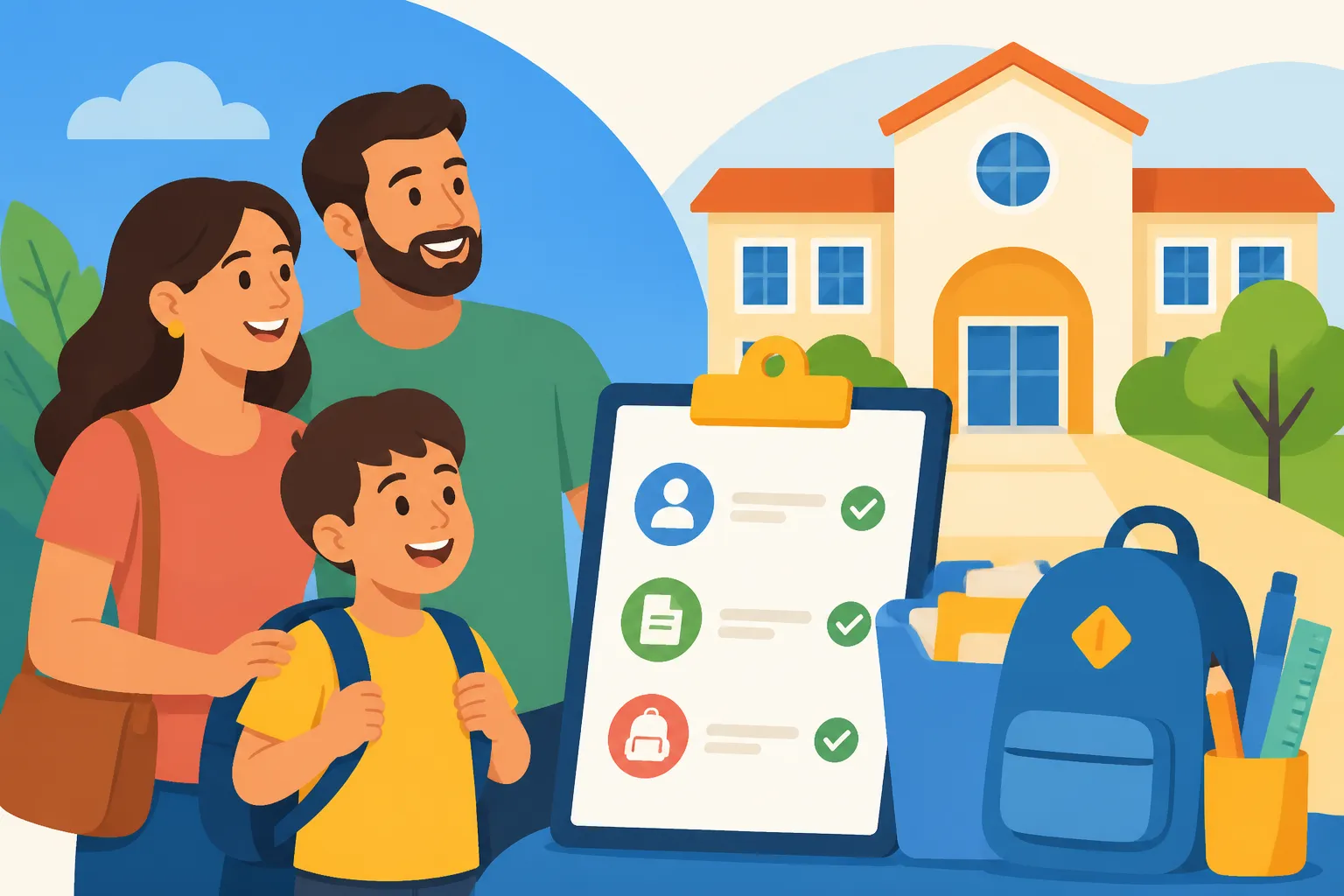
This is probably the most critical part of the process, and trust me, you don't want to show up unprepared. The specific list might vary slightly by school, but these are the staples you absolutely must have. Gather these documents well in advance of your desired enrollment date, making multiple copies.
- Birth Certificate: An original and a copy of your child's birth certificate. This is non-negotiable for proving identity and age.
- Proof of Residency: This is essential to show that you genuinely live in Puerto Rico and, for public schools, that you reside within their attendance zone. Acceptable documents often include a utility bill (LUMA, AAA), a rental agreement, or a property deed in your name. Don't forget, setting up utilities is one of your first steps when moving to the island, as covered in The Newcomer's Guide to Setting Up Utilities (LUMA/AAA) in Puerto Rico.
- Immunization Records: Puerto Rico has specific vaccination requirements for school-aged children, which are generally aligned with mainland U.S. standards but might have subtle differences. You'll need an official, up-to-date immunization record, often referred to as a "Formulario de Vacunación" (Vaccination Form) or P-VAC-3. If your child’s records are from the mainland or another country, you might need to have them reviewed and possibly translated or verified by a local pediatrician to ensure compliance. Don't underestimate the importance of this step, as no school will admit your child without proper vaccination documentation. For more details on what’s needed, see What Vaccinations Are Required for Children in Puerto Rico Schools?.
- Previous School Records: This includes transcripts, report cards from the last two academic years, and any withdrawal forms from their previous school. These documents help the new school assess your child’s academic standing and place them in the appropriate grade level. If your child has any special education needs, bring all relevant Individualized Education Program (IEP) or 504 Plan documents as well.
- Parent/Guardian Identification: Your valid photo ID, such as a driver's license (Puerto Rico or mainland), passport, or state ID. For any parent or guardian relocating, obtaining your The Guide to Getting Your Puerto Rico Driver's License and ID (2027) is an essential step.
- Social Security Card (for U.S. citizens/residents): While not always strictly required for enrollment, having your child's Social Security card can expedite certain administrative processes.
It’s a lot, I know. I still have flashbacks to sifting through stacks of papers. But being organized is your best defense against bureaucracy.
Navigating Public School Enrollment
For public schools, the process often starts at the regional Department of Education office, or directly at the school within your assigned zone. You'll typically need to visit in person.
- Identify Your School Zone: Based on your residential address, the Department of Education assigns your child to a specific school. You can usually find this information by contacting the regional education office for your municipality.
- Initial Visit and Forms: Head to the assigned school with all your documents. You'll fill out enrollment forms, which will be in Spanish. Don't be shy about asking for help with translation if you need it. The staff is usually understanding of newcomers.
- Assessment and Placement: For students transferring mid-year or from different systems, the school might administer placement tests, especially for English and Spanish proficiency, and core subjects. This helps ensure your child is placed in the correct grade and receives any necessary language support.
- Wait and Confirm: Public schools can sometimes have waitlists, especially in popular areas. Once admitted, you'll receive confirmation and details about orientation, school supplies, and uniform requirements (if any).
Private and International School Admissions
The process for private and international schools is generally more streamlined, but also more competitive and often requires earlier application.
- Research and Application: Start your research early. Many private and international schools open applications a year in advance for the upcoming academic year. You’ll typically submit an online application, often with an application fee. This is where your reliable internet connection comes in handy. If you're still in the throes of moving and setting up your home internet, a portable solution like an Airalo eSIM might be invaluable for staying connected and completing these crucial online tasks.
- Interviews and Testing: Most private and international schools require an interview with both the child and parents, along with entrance exams to assess academic readiness. This isn't just about grades; they're often looking for a good fit for their school culture.
- Documentation Submission: You’ll submit the same core documents as for public schools, often online or via email initially, with originals requested upon acceptance.
- Acceptance and Enrollment Contract: If accepted, you’ll receive an offer letter and an enrollment contract, which outlines tuition fees, payment schedules, and school policies. This usually requires a deposit to secure the spot.
- Orientation: Before the school year begins, there's usually an orientation session for new students and parents, which is a great opportunity to meet teachers, understand routines, and get a feel for the school community.
Practical Tips for a Smooth Transition
Moving your child to a new school, especially across cultures, is a big deal for everyone involved. Experience shows how crucial it is to prepare, support, and anticipate the hurdles. It's not just about the paperwork; it's about the emotional and social journey too.
Language Preparation and Support
One of the biggest anxieties for many expat parents is the language barrier. If your child is not fluent in Spanish, preparing them in advance can make a world of difference.
- Start Early with Spanish: Even basic Spanish phrases for greetings, common classroom instructions, and asking for help can significantly boost your child's confidence. There are countless apps, online resources, and tutors available. Make it fun, like watching cartoons in Spanish or playing games.
- Seek Out ELL Programs: When researching schools, specifically ask about English Language Learner (ELL) support programs. Some schools have dedicated ESL (English as a Second Language) teachers or bilingual assistants who can provide extra help during the initial adjustment period. Don't assume; always ask directly what support is in place for non-Spanish speaking students.
- Be Patient and Empathetic: Your child might feel frustrated, isolated, or even act out as they navigate a new linguistic environment. Validate their feelings. Remind them it’s normal to feel overwhelmed and that their Spanish will improve with time. Encourage them to make friends, even if it’s initially through gestures or limited vocabulary.
Cultural Adjustment and Social Integration
Beyond language, there are cultural nuances in the classroom and playground that your child will encounter. Puerto Rican culture is vibrant and rich, and understanding it will help your child integrate more easily.
- Learn About Local Customs: Simple things like common courtesies, respectful interactions with elders, or even playground games can be different. Talk to your child about what they might encounter. Encourage them to observe and ask questions.
- Encourage Extracurricular Activities: Joining clubs, sports teams, or after-school activities is an excellent way for your child to make friends outside of the academic pressure of the classroom. These environments are often more relaxed and facilitate social connections naturally. It’s also a fantastic way to pick up colloquial Spanish.
- Connect with Other Expat Families: Finding other families who have gone through or are going through the same transition can provide invaluable support. They can share tips, offer playdates, and help your child feel less alone. Online expat groups are a great place to start building these connections.
- Home-School Communication: Establish open lines of communication with your child's teachers. Attend parent-teacher conferences, even if you need a translator. Being actively involved shows your child you support their education and allows you to address any issues proactively.
Logistics of the Move and School Prep
Thinking about the larger move to Puerto Rico is also key to ensuring a smooth school transition. It’s all interconnected!
- Timing Your Move: Ideally, try to move and enroll your child before the school year officially begins. This allows them to participate in orientation, meet classmates, and get acquainted with the school environment before academic demands ramp up. Trying to enroll mid-semester can be disruptive and challenging.
- Consider Housing Near Schools: When looking for a place to live, consider its proximity to good schools, especially if you opt for private or international schools that might not be in your immediate neighborhood. Long commutes can add stress for children. This is a common consideration when looking at How Do I Find a Home Near Good Schools in Puerto Rico?.
- Packing School Essentials: While you'll buy many supplies locally, consider packing a few familiar items from home that might comfort your child in their new classroom – a favorite pencil case, a specific type of notebook, or a comfort item.
- Relocation Assistance: For the overall move, particularly if you’re shipping household goods or managing complex logistics, services like Sirelo can be incredibly helpful. While not directly school-related, a smooth overall relocation frees up your mental energy to focus on your child's schooling. Getting your family settled properly, including enrolling kids in school, is a huge part of How to Bring Your Family and Set Up Life in Puerto Rico (2027).
Enrolling your child in school in Puerto Rico requires patience, preparation, and a healthy dose of flexibility. It’s a journey, not a sprint. But with the right information and a supportive approach, your child can absolutely thrive in their new educational environment here on the island. Remember that many families have successfully navigated this path before you, and you're not alone in facing these challenges. Take it one step at a time, celebrate small victories, and focus on creating a stable, encouraging environment for your little expat.
| School Type | Primary Language of Instruction | Tuition Cost Range (Annual) | Curriculum Focus | Typical Location | ESL Support | Pros | Cons |
|---|---|---|---|---|---|---|---|
| Public Schools | Spanish (English as 2nd language) | Free | Puerto Rico Department of Education | Throughout the island | Limited/Variable | No tuition costs, cultural immersion, accessible in most municipalities | Primarily Spanish instruction (potential barrier), resources can be limited, varying quality |
| Private Schools | Bilingual (Spanish/English) or English-dominant | $5,000 – $15,000+ | American, Religious, or hybrid | Larger towns/cities, San Juan Metro | Often available | Often smaller class sizes, stronger English integration, diverse curricula, better facilities | Significant tuition costs, admissions can be competitive, may require uniforms/additional fees |
| International Schools | English | $15,000 – $30,000+ | International Baccalaureate (IB) or American | Primarily San Juan Metropolitan Area | Robust | Globally recognized curriculum, multicultural environment, excellent facilities, smooth transfers | Very high tuition costs, limited locations, very competitive admissions, can feel less "local" |
Disclaimer
The information provided in this guide is for general informational purposes only and does not constitute professional legal, financial, or educational advice. While we strive to provide accurate and up-to-date information, school policies, admission requirements, and costs can change frequently. It is essential to verify all information directly with the schools and relevant government agencies (like the Departamento de Educación) in Puerto Rico. We recommend consulting with local experts or educational consultants for personalized advice regarding your child's enrollment.