Understanding Water Service (AAA) and Bills in Puerto Rico
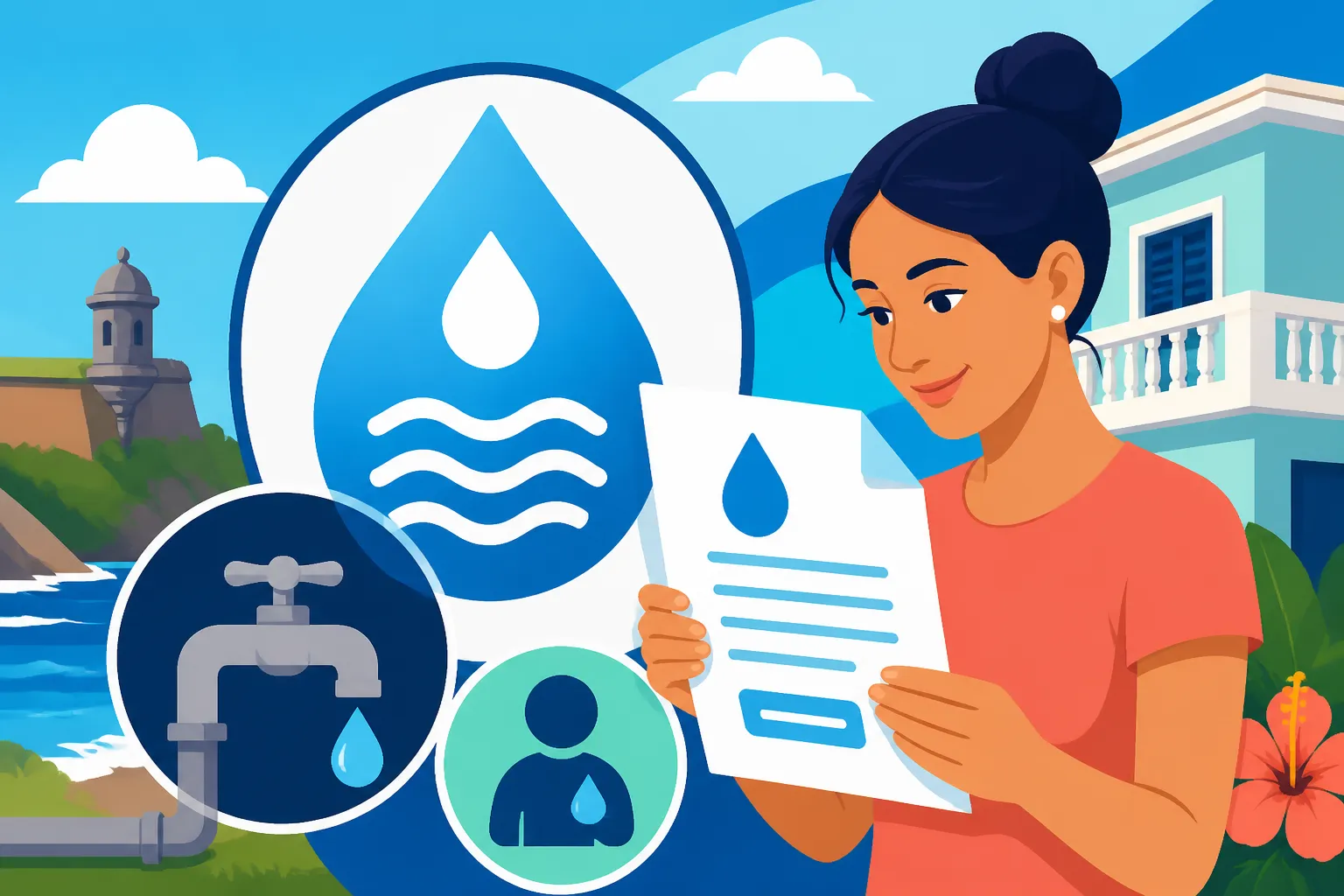
One of the first things that truly hits you when you move to Puerto Rico, often after the initial bliss of sunshine and plátanos, is the sheer labyrinthine challenge of setting up utilities. Forget what you knew about clicking a few buttons online; here, getting your water service, managed by the Autoridad de Acueductos y Alcantarillados (AAA), connected and understanding its bills can feel like solving an ancient riddle. This comprehensive guide is here to untangle the complexities of AAA water service and billing, offering practical advice from a seasoned expat who has navigated these very waters.
Navigating the Acueductos y Alcantarillados (AAA) System as a Newcomer
When you first arrive, whether you've chosen a bustling spot in San Juan or a quieter corner of the island, one of the most immediate needs is reliable water. And that's where the AAA steps in. Understanding this entity is your first step to a smooth utility setup.
What is AAA and Its Role in Puerto Rico?
The Autoridad de Acueductos y Alcantarillados, or AAA, is Puerto Rico's public corporation responsible for the vast majority of the island's potable water and wastewater services. Think of them as the lifeblood of the island, bringing clean water to homes and businesses, and then treating the wastewater to ensure environmental health. It's a massive undertaking, and like many large public entities, it comes with its own unique set of challenges and operational quirks.
The AAA manages an extensive network of reservoirs, filtration plants, pumping stations, and pipelines that crisscross the island, delivering water to millions. They're also responsible for the crucial task of collecting and treating sewage before it's safely returned to the environment. However, operating such a complex system in a tropical, hurricane-prone region with aging infrastructure means that service can, at times, be unpredictable. You'll quickly learn that AAA's operations are often intrinsically linked to the island's electricity grid, meaning power outages can directly impact water distribution, especially to higher elevations. This interconnectedness is a stark reminder that resilience often means having a backup plan for both power and water.
The Initial Setup Hurdle: Getting Your Service Connected
Getting your water service connected with AAA can feel like a mini-adventure in bureaucracy. It's rarely a quick, seamless process you might be used to from the mainland, especially if you’re transferring an existing service or setting up a brand-new account. This is where patience becomes your most valuable asset.
First, you'll need to gather your documents. This typically includes a valid form of identification (like your driver's license or passport), proof of residence (your signed lease agreement or property deed), and sometimes, if you're lucky, an existing AAA bill from the property. If you're renting, sometimes the landlord will assist or even include water in the rent, but for many, it's a direct responsibility. Be prepared for multiple visits to an AAA service center; the lines can be long, and while many staff are bilingual, having some basic Spanish phrases or a helpful friend can smooth things along significantly. They’ll also likely ask for a deposit, which varies depending on the type of service and property. Don't expect to get service activated the same day you apply; it often takes a few business days for them to send someone out, especially if it’s a new connection requiring meter installation. Just like with other utilities, managing your relocation to Puerto Rico will require you to understand The Newcomer's Guide to Setting Up Utilities (LUMA/AAA) in Puerto Rico.
Decoding Your Water Bill: Understanding the Charges
Once your service is finally up and running, the next challenge is understanding your monthly bill. Unlike a simple flat rate, AAA bills can be a bit of a puzzle, with various charges and consumption calculations that might not immediately make sense.
Components of a Typical AAA Bill
Your AAA bill isn't just a number; it's a breakdown of several different charges. The main components you'll see include:
- Cargo por Consumo (Consumption Charge): This is the core of your bill and is based on how much water you actually use. AAA typically measures consumption in cubic meters (m³) rather than gallons, so if you're used to gallons, you'll need to adjust your mental math. One cubic meter is roughly 264 gallons. The consumption charge often operates on a tiered system, meaning the more water you use, the higher the rate per cubic meter becomes for subsequent tiers. This is designed to encourage water conservation.
- Cargo Fijo (Fixed Charge): This is a basic service charge that you pay regardless of how much water you use. It covers the overhead costs of maintaining the system, meter reading, and billing.
- Cargo de Alcantarillado (Sewer Charge): This charge covers the collection and treatment of your wastewater. It's usually calculated as a percentage of your water consumption charge or a fixed amount based on your consumption tier.
- Cargo Ambiental (Environmental Charge): A smaller charge that contributes to environmental protection initiatives related to water resources.
- Ajustes/Créditos: You might see adjustments here for previous overpayments, underpayments, or any other corrections.
Understanding these components is key to comprehending why your bill is a certain amount each month. Sometimes, the cargo fijo and cargo de alcantarillado can make up a significant portion of the bill, even if your consumption is low.
Common Billing Issues and How to Address Them
It’s not uncommon to encounter issues with your AAA bill. High bills, incorrect readings, or even bills for properties you don't own are frustratingly common for newcomers. My best advice: don’t ignore it. These issues rarely resolve themselves.
One of the most frequent complaints revolves around unexpectedly high bills. This could be due to a hidden leak on your property – even a small, persistent drip can add up quickly – or an estimated reading rather than an actual meter read. AAA sometimes estimates usage if they can't access your meter, which can lead to inaccuracies. If you suspect an error, inspect your property for leaks, check your meter regularly (and compare it to the bill's reading), and then, with your documentation in hand, visit a local AAA office. Be prepared to explain your situation clearly, perhaps even bringing a local friend for translation support if your Spanish isn't strong. They can initiate an investigation or even send a technician to verify your meter. You can find out more about general utility costs as part of The Complete Guide to Cost of Living in Puerto Rico (2026).
Another common headache is receiving disconnection notices even when you believe you've paid, or incorrect account details. Always double-check that your account number, address, and name on the bill match your records precisely. If you’re paying online or through a third party, ensure the payment is posted correctly and within the due date. Reconnection fees can be substantial, so it's always better to address discrepancies proactively. When disputing a charge, gather all relevant information: previous bills, payment receipts, and any correspondence you've had with AAA. This detailed approach, while time-consuming, is often the most effective way to resolve billing conundrums.
| Bill Component | Description | Common Units/Basis | Notes for Newcomers |
|---|---|---|---|
| Cargo por Consumo | Charge for actual water used. | Cubic meters (m³) | 1 m³ = ~264 gallons. Often tiered, higher rates for more use. |
| Cargo Fijo | Fixed service charge, regardless of consumption. | Flat fee | Covers basic service and infrastructure maintenance. |
| Cargo de Alcantarillado | Charge for wastewater collection and treatment. | % of Consumption or flat fee | Usually tied to your water consumption. |
| Cargo Ambiental | Environmental fee supporting water resource protection. | Small flat fee | Standard charge on most bills. |
| Ajustes/Créditos | Corrections, overpayments, or other account modifications. | Variable | Check for explanations of any unusual amounts. |
| Fecha de Vencimiento | Due Date. | Date | Pay before this to avoid late fees or disconnection notices. |
| Total a Pagar | Total amount due. | USD | The bottom line. |
Managing Your AAA Account: Payments and Online Services
Once you've deciphered your bill, the next step is making sure it gets paid. Thankfully, AAA has tried to modernize its payment options, but the reality on the ground can still present some challenges.
Payment Options: From Physical Locations to Digital Convenience
You'll find several ways to pay your AAA bill, each with its own advantages and potential pitfalls. The most traditional method is to pay in person at an AAA service center. While this often involves waiting in line, it provides the opportunity to speak with a representative if you have questions about your bill. Many local banks and authorized collection agencies (often marked with "Pago de Servicios Aquí" or "Aquí Se Paga AAA") also accept payments, which can be more convenient. Just make sure to bring your bill or account number.
For those who prefer digital transactions, AAA offers an online payment portal. This is often the most convenient method for expats, allowing you to pay from the comfort of your home. You'll usually need to register for an account using your AAA client number. You can also typically set up direct debit or automatic payments, which is a fantastic way to ensure you never miss a due date. However, just like with How to Pay Your LUMA and AAA Bills Online in Puerto Rico, always double-check that the payment went through and keep records of your transactions. The convenience of online payments is a lifesaver, especially if you're often on the go or prefer not to deal with cash.
The Online AAA Portal and Its Quirks
The Sistema de Servicio al Cliente en Línea is AAA’s attempt to bring their services into the digital age. It's where you can theoretically register, view your current and past bills, monitor your consumption, and make payments. When it works smoothly, it’s a blessing. However, like many government-run online systems in Puerto Rico, it can be, let’s just say, temperamental.
You might encounter periods of downtime, slow loading, or peculiar error messages. Registering for the first time can sometimes be a test of patience, requiring specific formatting for your account number or other personal details. Always have your physical bill or account number ready. If you’re ever stuck and need to access the portal quickly, perhaps to report an issue or pay a bill while away from home, ensuring you have reliable mobile data, perhaps with an eSIM from Airalo, is crucial. The key is persistence and understanding that technical glitches are part of the landscape. Don't wait until the last minute to pay or check your bill online, especially around holidays or peak billing cycles, as the system can become overloaded. Keeping a printed copy or screenshot of your account number and confirmation of payments is a good habit.
Service Interruptions and Water Quality Concerns
Living in Puerto Rico means embracing a certain level of unpredictability when it comes to utilities, and water service is no exception. Understanding why interruptions occur and how to handle them is vital.
Dealing with Scheduled and Unscheduled Water Outages
Water outages are a fact of life here. They can be scheduled, for example, when AAA performs maintenance on its pipes or filtration plants. These are usually announced in advance through local news outlets, AAA's social media pages, or their website. However, unplanned outages are just as common, often caused by pipe breaks, equipment failures, or critically, power outages. As I mentioned earlier, many water pumps rely on electricity, so if LUMA Energy, the power utility, goes down, your water might soon follow.
When an outage occurs, your first instinct might be frustration, but a proactive approach is better. If it's an island-wide or regional issue, AAA will usually post updates. If it's just your street or neighborhood, it's worth checking with neighbors to see if their service is also affected. For those moving to the island, it’s wise to investigate How Do I Find an Apartment with a Generator in San Juan? as a generator can often power a water pump if you have a cisterna. The best way to deal with outages is to be prepared: keep a supply of potable water, especially during hurricane season, and consider investing in a water cistern or tank if your property doesn't have one already. These can provide a precious reserve when the taps run dry.
Water Quality: Is it Safe to Drink?
This is a question every newcomer asks, and the answer, like many things in Puerto Rico, is nuanced. Generally, tap water provided by AAA is treated and meets U.S. Environmental Protection Agency (EPA) standards, making it safe to drink. However, "safe to drink" doesn't always mean it tastes great, and localized issues can arise.
Many residents, particularly in older buildings or areas with aging pipes, choose to filter their tap water for taste and to remove any sediments that might occasionally come through. Some prefer bottled water for drinking and cooking. You might notice the water here is "harder" than what you're used to, meaning it has a higher mineral content, which can sometimes leave spots on dishes or build up in appliances. This is normal and not a safety concern, but it might prompt you to get a water softener or adjust your cleaning routines. If you ever notice a significant change in water color, odor, or taste that seems concerning, report it to AAA. They have a responsibility to investigate and address such issues to ensure public health. For broader health considerations, remember to consult resources like The Complete Guide to Healthcare in Puerto Rico for New Residents (2027).
Water Conservation and Emergency Preparedness
Living on an island, especially one susceptible to droughts and hurricanes, means that water is a precious resource. Understanding how to conserve it and prepare for potential disruptions is not just good practice, it's essential for a sustainable lifestyle here.
Conserving Water in a Tropical Climate
Puerto Rico is blessed with natural beauty and lush landscapes, but it also experiences periods of drought, especially during certain times of the year. Responsible water usage is paramount. Simple habits can make a big difference: taking shorter showers, fixing leaky faucets immediately, only running dishwashers and washing machines with full loads, and watering plants during cooler parts of the day to minimize evaporation.
Consider installing low-flow fixtures in your home. If you have a garden, think about drought-resistant native plants that require less irrigation. Some residents even explore rainwater harvesting systems for non-potable uses like gardening or flushing toilets. Every drop counts, and adopting water-wise practices not only helps the island's overall resources but also keeps your AAA bill in check. It’s part of a larger ethos of living respectfully and sustainably within your new environment.
Essential Preparedness for Water Shortages and Hurricanes
Given the island's vulnerability to natural disasters, particularly hurricanes, being prepared for extended water shortages is non-negotiable. This goes hand-in-hand with general hurricane preparedness strategies, as detailed in Understanding How to Prepare Your Home for Hurricane Season in Puerto Rico.
The most common and effective solution for many homes is a cisterna, a large water tank, often paired with a pump. These systems store municipal water and, when the AAA service is interrupted, a pump (often powered by electricity or a generator) can draw water from the cistern to supply your home. Investing in a good cistern and pump is a game-changer, providing peace of mind during outages. Additionally, maintaining an emergency supply of bottled drinking water, enough for at least three to five days per person (one gallon per person per day), is critical. This should be part of your overall emergency kit, which should also include essential items for The Complete Relocation Checklist for Moving to Puerto Rico (2027). Remember, during a major hurricane, the entire island might be without power and water for weeks, so self-sufficiency is key. Having a plan, and the necessary equipment, is not a luxury here; it’s a necessity.
Troubleshooting AAA Service Challenges
Even with all the preparation in the world, you'll likely run into a snag or two with your water service. Knowing how to troubleshoot and who to contact is crucial for effective problem-solving.
Reporting Issues and Contacting AAA
When you have an issue – a major leak in the street, no water despite no announced outage, or persistent low pressure – reporting it promptly is important. AAA has a customer service line, typically a 24-hour hotline, where you can report emergencies or service issues. The main number is usually 787-620-2482, but it’s always a good idea to check their official website for the most current contact information. Be prepared for potential wait times, especially during widespread outages.
When you call, having your account number, exact address, and a clear description of the problem ready will speed up the process. Speaking Spanish is definitely an advantage here, although many representatives do speak English. For less urgent matters, a visit to a local service center might be necessary, as mentioned before. Using social media platforms like X (formerly Twitter) or Facebook can also sometimes be an effective way to get attention from public utility companies in Puerto Rico, as they often have dedicated teams monitoring these channels for public complaints and reports.
Understanding AAA’s Responsibilities vs. Your Own
A common point of confusion for newcomers is discerning where AAA's responsibility ends and your own begins. Generally, AAA is responsible for the water mains, the main service line up to your water meter, and the meter itself. Any leaks, breaks, or issues on the street or before your meter are their problem to fix.
However, once the water passes through your meter and enters your property, the responsibility typically shifts to you, the property owner or resident. This means any leaks in your pipes, problems with your water heater, or issues with your internal plumbing are yours to repair and pay for. It’s crucial to understand this distinction, as calling AAA for an internal plumbing problem will likely result in them telling you it's not their jurisdiction and you'll need to hire a private plumber. If you have an outdoor leak past the meter, you'll also be responsible for finding a plumber to fix it, although in some cases, AAA might make a note of it if it's causing significant water loss and impacting your bill.
Navigating Future Changes and Long-Term Considerations
The utility landscape in Puerto Rico is constantly evolving, with ongoing infrastructure projects, climate change impacts, and shifts in administrative policies. Staying informed and planning for the long term will serve you well.
Infrastructure Improvements and Challenges
AAA is continually working to upgrade its aging infrastructure, much of which dates back decades. You'll often see news about projects to replace old pipes, improve filtration plants, or enhance the resilience of the system against hurricanes and seismic activity. These improvements are vital for providing more reliable service, but they also mean that construction, planned outages, and temporary disruptions will continue to be a part of life.
While these long-term projects are underway, you might experience localized pressure fluctuations or temporary water advisories. It’s a trade-off: short-term inconvenience for long-term gains. Being patient and understanding that these efforts are aimed at building a more robust system for everyone on the island can help manage expectations. Keeping an eye on local news and AAA’s official communications will help you stay aware of planned works in your area.
Planning for Climate Resilience and Droughts
Puerto Rico's tropical climate, while beautiful, also means it's highly susceptible to droughts, particularly during the dry season (typically from December to May). These droughts can lead to significant water shortages, prompting AAA to implement racionamiento or water rationing. This means certain areas might have water service only on specific days or for limited hours, impacting daily life considerably.
Planning for this means more than just conserving water. It involves thinking about how your household would function with intermittent water access. For those with cisterns, it means ensuring they are full when rationing begins. For others, it might mean storing extra water for essential needs. This forward-thinking approach is a crucial aspect of The Complete Guide to Moving to Puerto Rico: Your First 90 Days (2027) and adapting to island life. These periods remind everyone that water, seemingly abundant, is a finite resource that requires collective stewardship.
Disclaimer
The information provided in this guide is for general informational purposes only and does not constitute professional advice. While efforts have been made to ensure accuracy and provide up-to-date information, utility policies, costs, and procedures in Puerto Rico can change. Always consult official AAA sources, legal counsel, or qualified professionals for specific advice tailored to your situation.