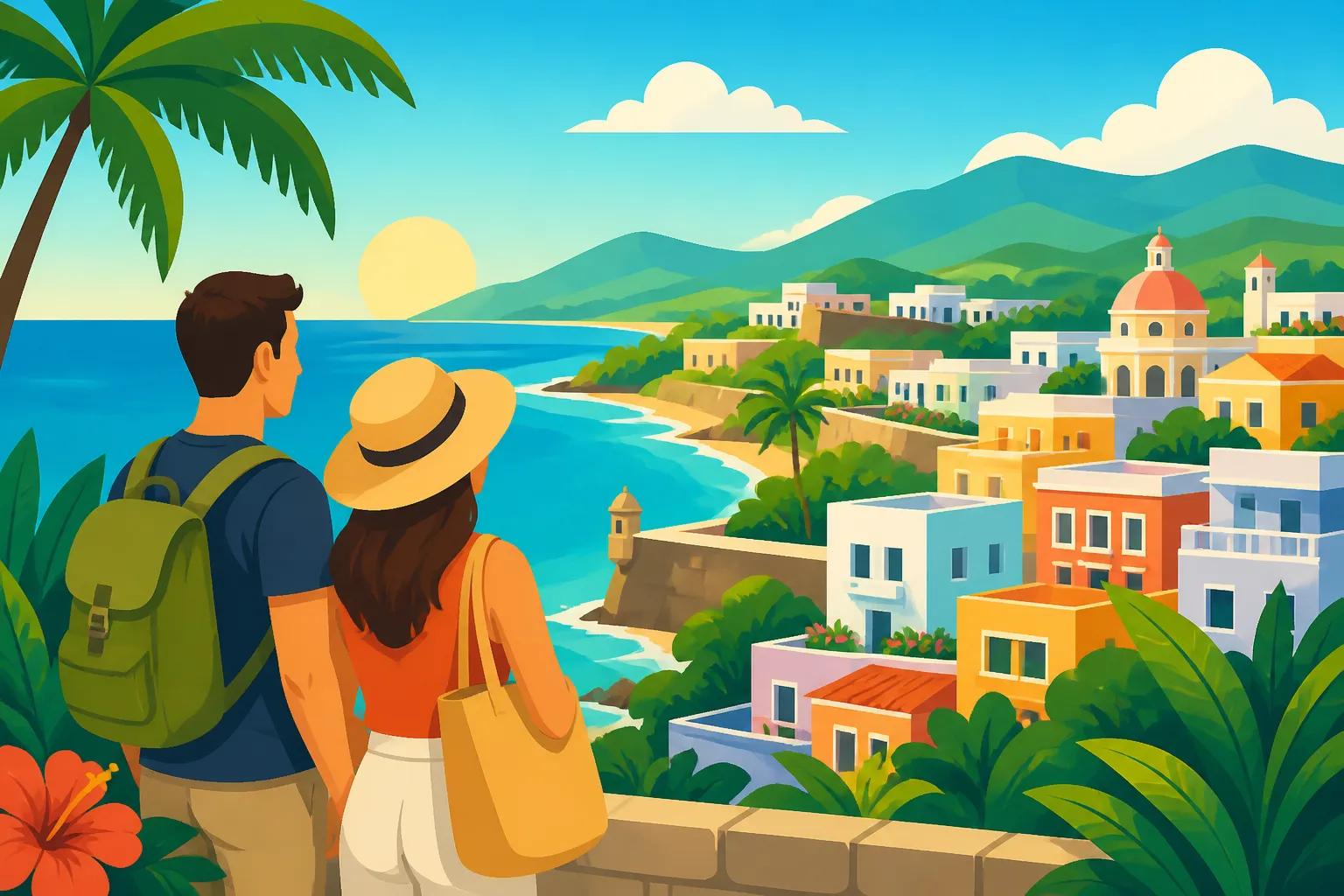
The Best Places to Live in Puerto Rico for Newcomers: A Complete Guide (2027)
Choosing where to plant your roots in a brand new place can feel like staring at a blank map with a thousand possibilities, especially when that place is an island as diverse and vibrant as Puerto Rico. You’re not just picking a town; you’re choosing a lifestyle, a community, and a daily rhythm that will shape your entire expat experience. This comprehensive guide, born from years of navigating these very same decisions, aims to walk you through the distinct charms and practical realities of the best places to live across our beautiful island.
Navigating the Island's Vibe: Finding Your Perfect Niche in Puerto Rico
Deciding on a specific neighborhood or town in Puerto Rico isn't like picking a suburb in the mainland US. Here, each region, and often each municipality, carries its own distinct personality, a unique blend of culture, climate, and community that can feel worlds apart from its neighbors. It's exhilarating, yes, but also a bit daunting if you don't know what you're looking for. Many newcomers arrive with a vision, perhaps from a vacation, only to find that living here is a whole different ballgame than visiting. The key is to understand this tapestry before you commit.
Understanding the Island's Diverse Regions
Puerto Rico, despite its relatively small size, boasts incredible regional diversity. Think of it as four main corners, each offering something different. The North Coast, dominated by the capital, San Juan, is where you'll find the most urban hustle, the biggest job markets, and a more pronounced international flair. It’s vibrant, fast-paced, and has the most amenities, but also the most traffic and higher costs. Then there’s the West Coast, often called the "Porta del Sol," known for its stunning sunsets, world-class surfing, and a more laid-back, bohemian vibe. This region, particularly around Rincón and Aguadilla, has a significant and well-established expat community, which can be a huge comfort for new arrivals.
Moving south, you encounter a drier, hotter climate and cities like Ponce, which exude a rich historical and cultural ambiance, often feeling more authentically Puerto Rican than the more tourist-trodden north. It's a place where tradition runs deep and life slows down a notch. Lastly, the central mountainous regions, encompassing towns like Utuado and Adjuntas, offer cooler temperatures, lush greenery, and a tranquil, rural existence surrounded by coffee plantations and breathtaking views. This is where you go to escape the coastal humidity and embrace a slower, more self-sufficient lifestyle. Many expats find temporary rentals using services like Sirelo during their initial scouting trips, allowing them to truly experience these different vibes before making a long-term commitment.
Factors Beyond the Postcard: What Really Matters
While the picturesque beaches and vibrant culture draw many to Puerto Rico, living here means considering practicalities that might not be immediately apparent to a tourist. Safety is, of course, a paramount concern for anyone moving anywhere new. While crime rates can be higher in certain urban areas, much like any major city, many residential neighborhoods across the island are perfectly safe. It often comes down to common sense, local knowledge, and choosing a community that aligns with your comfort level. You’ll quickly learn which areas have a strong neighborhood watch feel and which ones are best avoided after dark. It's important to differentiate between perception and reality here; what you read in headlines isn't always what you experience living day-to-day in a specific community.
Beyond safety, consider your daily needs. Proximity to reliable healthcare facilities is crucial, especially as you age or if you have a family. Are there well-regarded hospitals or clinics nearby? What about schools if you have children? The quality and availability of both private and public schools vary greatly by region, so this is a key research point. And let's be honest, we all know the deal with utilities here. The stability of electricity (LUMA), water (AAA), and internet infrastructure can vary dramatically, particularly in more rural or storm-prone areas. Having a solid understanding of The Newcomer's Guide to Setting Up Utilities (LUMA/AAA) in Puerto Rico will save you a lot of headaches, as will assessing the local resilience to power outages. These are the mundane, unglamorous aspects of island life that become incredibly important very quickly, so don't overlook them in your excitement.
The Allure of the North Coast: San Juan and Beyond
The northern coast of Puerto Rico is the island's economic and cultural powerhouse, a dynamic stretch that blends historic charm with modern conveniences. For many newcomers, particularly those moving for work or seeking a bustling city life, this is the natural landing spot. It offers the most robust infrastructure, the widest array of amenities, and the highest concentration of English speakers, easing the initial transition considerably. However, this convenience often comes with a higher price tag and the inevitable challenges of urban living.
San Juan: The Bustling Heartbeat
San Juan is undeniably the epicenter of Puerto Rico, a vibrant metropolis that offers an endless array of experiences. Within the city itself, you'll find distinct neighborhoods each with its own character. Old San Juan, with its cobblestone streets and colorful colonial architecture, is rich in history and charm, though residential options are mostly apartments and can be pricey. It's a fantastic place to visit, but living there requires embracing a very tourist-centric environment. Condado and Miramar, on the other hand, are popular upscale residential areas known for their beachfront high-rises, boutique shops, and a cosmopolitan atmosphere. This is where many professionals and families gravitate, drawn by the amenities, walkability, and access to private hospitals like Ashford Presbyterian Community Hospital, often with a significant English-speaking population. Santurce offers a more artistic, bohemian vibe with thriving art scenes, local eateries, and a mix of historic homes and newer developments. It's edgier, a bit more local, and generally more affordable than Condado, but still very much in the thick of the urban action.
The pros of San Juan are numerous: unparalleled access to jobs, diverse cultural events, a lively nightlife, and a wide array of restaurants and shopping. You'll find a strong expat community here, making it easier to connect with others who understand the unique experience of moving to the island. On the flip side, San Juan’s cons are typical of any major city: significant traffic congestion, especially during rush hour, and a higher Cost of Living in Puerto Rico compared to other parts of the island. While there's a certain energy to it, some newcomers find the constant buzz overwhelming and yearn for a quieter, more "authentic" Puerto Rican experience that feels less tailored to tourism. For a young professional couple moving to Puerto Rico for new opportunities, San Juan offers the most robust professional network and social scene, making it a compelling choice despite the higher living expenses.
Dorado: Luxury and Serenity
Just a short drive west of San Juan, you’ll find Dorado, a municipality synonymous with luxury and exclusivity. This is home to some of the most prestigious communities on the island, notably the Dorado Beach Resort & Residences, a Ritz-Carlton Reserve property. These enclaves offer unparalleled amenities, including championship golf courses, private beaches, spas, and state-of-the-art fitness centers, all within a highly secure, gated environment. The appeal of Dorado is clear: it provides a tranquil, manicured escape from the urban sprawl of San Juan while still being conveniently close enough to access its services. The schools in the area are often top-tier private institutions, which is a major draw for families.
The pros of Dorado are its impeccable security, world-class amenities, and stunning beachfront properties that cater to a high-end lifestyle. It's a haven for those seeking privacy and a certain level of comfort and service that is harder to find elsewhere. However, these benefits come at an extremely high cost of living, far surpassing even San Juan. It’s not just the purchase price or rent, but also the HOA fees, private club memberships, and general service costs. For some, the gated community feel can also lead to less interaction with the broader Puerto Rican culture and community, creating an expat bubble that might not be for everyone. For a family seeking a secure, upscale environment with excellent schools and abundant recreational activities, Dorado often stands out as a prime choice, provided the budget allows for it.
Carolina and Isla Verde: Convenience and Beach Access
East of San Juan, you’ll find Carolina, home to the Luis Muñoz Marín International Airport (SJU), and within it, the popular beachfront strip of Isla Verde. This area offers a fantastic balance of convenience and quintessential Caribbean beach life. It’s incredibly accessible, literally minutes from the airport, making travel to and from the mainland a breeze. The long stretches of sandy beaches, lined with hotels and condos, are perfect for sunbathing, swimming, and various water sports. You'll find a plethora of restaurants, from casual beachside kiosks to upscale dining, as well as casinos and lively entertainment options.
The primary pros of living in Isla Verde and parts of Carolina are undeniable: unbeatable beach access, proximity to the main international airport, a wide range of rental options from apartments to condos, and a consistently lively atmosphere. It’s an ideal spot for those looking for an easy transition into island life, where English is widely spoken due to the high volume of tourism. On the flip side, the area can feel quite touristy, especially during peak season, leading to more crowded beaches and sometimes higher prices for certain services compared to more local neighborhoods. Traffic can also be an issue, though generally less intense than central San Juan. For someone prioritizing immediate beach access, convenience to air travel, and a lively, easy-to-navigate environment upon arrival, Isla Verde presents a very attractive proposition for settling in.
The Tranquil West Coast: Surf, Sun, and Laid-back Living
If the hustle and bustle of San Juan feel a bit much, the west coast offers a refreshing change of pace. Known for its stunning natural beauty, consistent surf breaks, and a distinctly relaxed atmosphere, this region draws those seeking a more bohemian, outdoor-centric lifestyle. It's often dubbed the "surf capital" of the Caribbean, and for good reason, but its charm extends far beyond the waves.
Rincón: The Surfer's Paradise and Expat Haven
Rincón is often the first place that comes to mind when people think of Puerto Rico’s west coast. It’s a quintessential surf town with a vibrant, welcoming, and well-established expat community that has been growing for decades. Here, life revolves around the ocean, the legendary sunsets, and a calendar dictated by swell reports. The vibe is decidedly laid-back, bohemian, and community-oriented, attracting artists, surfers, and free spirits from all walks of life. You'll find charming guesthouses, local eateries, and a mix of creative businesses run by both locals and transplants. The popular Tres Palmas Marine Reserve offers fantastic snorkeling and diving when the surf is calm, and during the winter months, humpback whales can often be spotted from the shore.
The pros of Rincón are abundant for those seeking this particular lifestyle: world-class surfing, breathtaking sunsets every evening, a strong sense of community, and a more affordable cost of living compared to the San Juan metro area. English is very widely spoken, which can be a huge comfort for newcomers still learning Spanish. However, Rincón's location on the far western tip of the island means it’s farther from major amenities like large hospitals (though it has local clinics) and the main international airport in San Juan (SJU). You’ll likely rely on Rafael Hernández Airport (BQN) in Aguadilla, which has fewer direct flights. While charming, it can feel a bit isolated from the rest of the island, and during surf season (roughly November to April), the town can get quite crowded with tourists, impacting traffic and the local scene. For an artist or retiree seeking a relaxed, community-focused lifestyle deeply connected to nature and the ocean, Rincón is often an idyllic choice.
Aguadilla and Isabela: North-Western Charm and Adventure
Just north of Rincón, Aguadilla and Isabela offer a diverse blend of natural beauty, economic activity, and recreational opportunities. Aguadilla, with its international airport (BQN), serves as a regional hub, making it a convenient entry point for many. It has a more diversified economy, including a significant pharmaceutical and tech presence, which can mean more job opportunities outside of tourism. Isabela is known for its stunning coastline, including the famous Jobos Beach, and a strong agricultural heritage with pineapple and plantain farms. Both areas boast incredible beaches, from the dramatic cliffs of Survival Beach to the calm waters of Shacks Beach, perfect for surfing, paddleboarding, and snorkeling.
The pros of Aguadilla and Isabela include a good balance of economic opportunity and natural beauty. You’ll find diverse job sectors, beautiful beaches, and outdoor adventures like hiking, caving, and exploring natural reserves. The presence of BQN airport is a major plus for travel convenience. Compared to San Juan, the cost of living is generally more affordable, and the pace of life is slower but still active. On the downside, infrastructure can be less developed in some of the more rural parts, and you'll definitely need a car to get around these sprawling municipalities. While there's an expat presence, it's not as concentrated or as exclusively English-speaking as Rincón. For a family looking for a balance of nature and amenities, perhaps with a remote job that allows them to appreciate the island's beauty while having access to regional services, Aguadilla and Isabela offer a compelling proposition.
Mayagüez: The Academic and Cultural Hub of the West
Mayagüez, often called "La Sultana del Oeste" (The Sultaness of the West), stands as the largest city on Puerto Rico's west coast and is home to the prestigious University of Puerto Rico at Mayagüez (UPRM). This university campus injects a vibrant, youthful energy into the city, making it a hub for academics, students, and culture. While it’s not directly on the beach, it's a short drive to the coastal towns and offers a more urban, local experience than its beach-centric neighbors. The city center boasts some beautiful architecture and a bustling plaza, providing a taste of traditional Puerto Rican city life.
The pros of Mayagüez include its vibrant university atmosphere, making it a dynamic place with intellectual and cultural activities. The cost of living is generally more affordable than the northern coast, and it offers a broader range of shopping, dining, and medical facilities than smaller towns further west. For those looking to truly immerse themselves in local culture, Mayagüez provides an authentic experience away from major tourist crowds. However, a significant drawback for some newcomers is the lesser prevalence of English speakers compared to the more expat-dense areas. The climate can also be hotter and drier than the northern coastal plains, and while the beaches are close, you'll need to drive to them. For students, academics, or those seeking a more traditional Puerto Rican urban experience with a strong local community feel, Mayagüez offers a rich and rewarding place to call home.
The Southern & Central Regions: Authentic Charm and Natural Beauty
Venturing into the south and central mountains of Puerto Rico unveils an entirely different facet of the island. These regions are often less explored by mainstream tourism and offer a deeper dive into the island's authentic culture, historic roots, and breathtaking natural landscapes. Life here moves at a different pace, and while amenities might be fewer in number, the richness of experience is often profound.
Ponce: The Pearl of the South
Ponce, Puerto Rico’s second-largest city, is known as "La Perla del Sur" (The Pearl of the South) and for good reason. It boasts a stunning, meticulously preserved historic city center filled with neoclassical architecture, vibrant plazas, and unique landmarks like Parque de Bombas, the iconic red and black firehouse. This city is a treasure trove of art, history, and culture, offering a different kind of charm than the Spanish colonial beauty of Old San Juan. Ponce is a significant port city and an important economic hub for the southern region, featuring major medical centers such as Hospital Auxilio Mutuo, providing critical healthcare access.
The pros of Ponce are its deep cultural richness, a palpable sense of history, and a generally lower cost of living compared to the San Juan metro area. You’ll find excellent museums, a thriving local art scene, and a strong connection to traditional Puerto Rican heritage. For those looking to avoid the heavily expat-influenced areas and immerse themselves more fully in local life, Ponce offers a fantastic opportunity. However, it does come with its unique challenges. The climate in the south is noticeably hotter and drier than the north, which can be an adjustment for some. Furthermore, Ponce is historically more exposed to hurricanes due to its southern coastal location. While there are some English speakers, Spanish proficiency will significantly enhance your daily life here, as the expat community is much smaller. For culture enthusiasts, retirees, or anyone who values a connection to history and a more authentically Puerto Rican pace of life, Ponce provides a captivating and rewarding place to settle.
Caguas: The Valley of the Turabo
Tucked inland, about a 30-minute drive south of San Juan, lies Caguas, often referred to as "La Ciudad Criolla" (The Creole City). Caguas is a major commercial and industrial center for the central-eastern part of the island, often serving as a bedroom community for those who work in San Juan but prefer a slightly lower cost of living and a more local feel away from the immediate coastal bustle. It’s situated in the fertile Turabo Valley, surrounded by rolling hills, and offers a glimpse into a more everyday, working-class Puerto Rican urban experience.
The biggest pros of Caguas include its central location, providing relatively easy access to both San Juan and the eastern and southern parts of the island. The cost of living is generally more affordable than San Juan, particularly for housing. You'll find a wide array of local businesses, shopping centers, and amenities geared towards residents, not tourists. For those seeking to integrate into a truly local community and embrace the daily rhythm of an interior city, Caguas can be a very welcoming place. However, the cons are also quite clear: there are no beaches, so if coastal living is a must, this isn't your spot. Traffic within Caguas itself can be substantial, especially during peak hours, and navigating the local roads and commercial areas requires patience. English is less commonly spoken here, so a willingness to learn and use Spanish is almost essential for daily life. For someone prioritizing an authentic local experience, a more affordable cost of living, and a central location without the immediate beachfront, Caguas offers a practical and genuine Puerto Rican urban option.
Utuado, Adjuntas, and the Central Mountains: Nature's Retreat
For those who yearn for cooler temperatures, lush greenery, and a truly tranquil escape from coastal life, the central mountainous regions of Puerto Rico, encompassing towns like Utuado, Adjuntas, Jayuya, and Maricao, are an unparalleled haven. This is the heart of Puerto Rico’s coffee country, where mist-shrouded peaks, winding rivers, and dense forests create a landscape dramatically different from the beaches. Life here is slower, more connected to nature, and often characterized by a strong sense of community amongst neighbors.
The pros of settling in the central mountains are obvious for nature lovers: stunning scenery, significantly cooler temperatures (often 10-15 degrees Fahrenheit less than the coast), clean air, and an abundance of outdoor activities like hiking, river swimming, and exploring coffee plantations. It's a place for quiet contemplation, self-sufficiency, and embracing a simpler lifestyle. The cost of living, particularly for land and housing, can be remarkably low compared to coastal areas. However, the cons are equally significant. These areas are remote; winding, sometimes poorly maintained roads are the norm, and travel to major cities or hospitals can take a considerable amount of time. Infrastructure for utilities like internet and cell service can be spotty or unreliable in many areas, which could be a challenge for remote workers. Amenities are limited to small local shops and eateries. For digital nomads seeking quiet inspiration, nature enthusiasts, or those who dream of a more self-sufficient, off-the-beaten-path existence surrounded by unparalleled natural beauty, the central mountains offer a unique and deeply rewarding way of life.
Cost of Living Considerations Across the Island
It's a beautiful dream to imagine yourself living in a beachfront condo or a mountain retreat, but the reality of island living, just like anywhere else, comes down to the numbers. The Cost of Living in Puerto Rico: A Complete Breakdown for Newcomers (2026) varies significantly depending on where you choose to reside. What might be affordable in the mountains could be prohibitive in a prime San Juan neighborhood, and understanding these differences is crucial for planning your move and establishing a sustainable life here.
Housing: Rent vs. Buy Price Variations
Housing is often the single largest expense, and its cost fluctuations across Puerto Rico are stark. In San Juan, particularly in popular areas like Condado, Miramar, or parts of Santurce, rents for a decent 2-bedroom apartment can easily range from $1,500 to $3,500 or more per month, and purchasing property can run into the hundreds of thousands, if not millions, for desirable locations. Dorado, as mentioned, takes this to another level, with luxury properties commanding prices comparable to high-end markets in the mainland US. The demand, fueled partly by Act 60 (formerly Act 20/22) beneficiaries, has certainly driven up prices in these desirable urban and coastal pockets.
Head west, and Rincón still offers more affordable options than San Juan, though prices have steadily increased due to its popularity. A 2-bedroom rental might be found for $1,000-$2,000, and homes for purchase in the $250,000-$500,000 range are common. In more local cities like Mayagüez or Ponce, or certainly in the central mountains, housing costs drop considerably. You might find a comfortable 3-bedroom home for rent between $700-$1,200 a month, and purchase prices can start under $200,000, especially in less touristy areas. The decision to Rent an Apartment in Puerto Rico versus Buy Property in Puerto Rico will depend heavily on your long-term plans and financial situation, but the geographical variations are a primary consideration. For instance, a couple considering buying a home might find San Juan prohibitive, but the same budget could secure a beautiful property in the west or south, offering a completely different lifestyle tradeoff.
Utilities, Groceries, and Daily Expenses
Beyond housing, your daily expenses will also shift depending on your location. Electricity (LUMA) and water (AAA) costs are universal, but can vary by usage and the efficiency of your home. Prepare for potentially higher electricity bills than you're used to on the mainland, especially if you rely heavily on air conditioning. Internet and mobile providers like Liberty, Optico Fiber, and Claro offer varying speeds and coverage, with fiber optic increasingly available in urban areas, but service can be less reliable or unavailable in remote mountain towns.
Groceries can be a pleasant surprise or a shock, depending on your choices. Locally sourced fruits, vegetables, and meats are generally affordable and delicious, especially if you shop at local mercados or roadside stands. However, imported specialty items or many processed foods often carry an "island premium" due to shipping costs. You'll quickly learn where to find the best deals and which supermarkets to avoid for specific items. Transportation costs are another factor. While gas prices are generally comparable to the mainland, the necessity of having a car (and dealing with its maintenance on sometimes rough roads) means ongoing expenses. Public transportation is limited outside of San Juan's Tren Urbano, making a car almost essential in most other regions. Even for those using an eSIM from a provider like Airalo for initial connectivity, it’s worth noting that cell signal strength can be quite variable once you leave the major population centers.
Understanding the "Island Premium"
The "island premium" is a term expats quickly become familiar with, referring to the sometimes inexplicable higher cost of certain goods and services in Puerto Rico compared to the mainland. This isn't just about milk and eggs; it can extend to appliances, electronics, certain building materials, and even some professional services. The simple fact is that many items have to be shipped to the island, adding freight, import duties, and handling fees. This impacts everything from the price of a new refrigerator to the specialized parts for a car repair.
It's a reality that requires a shift in mindset and sometimes a willingness to compromise or seek local alternatives. You might find yourself embracing a more minimalist approach, repairing rather than replacing, or simply accepting that some things will cost more. The impact of supply chain issues, exacerbated by hurricanes and global events, can also cause prices to fluctuate more dramatically than you might be accustomed to. Embracing local products, learning where to shop for the best value, and becoming adept at "island time" for deliveries and repairs are all part of adapting to the rhythm of life here.
Practicalities for Newcomers: Setting Up Your Life
Moving to Puerto Rico is an adventure, but it also comes with a host of administrative and cultural hurdles. Having personally navigated these waters, I can tell you that a little foresight and preparation go a long way in turning potential frustrations into manageable tasks. From healthcare to connecting with your new community, these practical steps are essential to truly making Puerto Rico your home.
Navigating Healthcare and Schools
One of the biggest concerns for families moving anywhere new is access to quality healthcare and education. Puerto Rico's healthcare system can be a bit of a maze, especially if you're used to a different model. While the island has excellent medical professionals and state-of-the-art facilities, particularly in San Juan and Ponce, understanding how to access them is key. You'll want to dive deep into The Complete Guide to Healthcare in Puerto Rico for New Residents (2027) early on. Finding an English-speaking doctor in Puerto Rico is possible, especially in more urban areas or expat hubs, but it might take some searching outside of those zones. Private health insurance is highly recommended, as the public Vital Plan (Medicaid equivalent) has strict eligibility requirements.
For families with children, the school system is another critical factor. Puerto Rico offers a mix of public, private, and an increasing number of charter schools. Public schools are taught primarily in Spanish, and while many are undergoing improvements, their quality can vary significantly. Private schools, especially those with bilingual or English-intensive programs, are popular among expat families but come with substantial tuition fees. Researching Schools and Education in Puerto Rico: A Complete Guide for Families is non-negotiable before you arrive, as enrollment processes can be complex and spots in popular schools fill up quickly. Many families prioritize living near a specific school that meets their needs, which can then dictate their chosen neighborhood.
Transportation and Connectivity
Unless you're planning to exclusively live and work within the very walkable confines of Old San Juan or parts of Condado, a car is practically a necessity in Puerto Rico. Public transportation is limited, and while ride-sharing apps like Uber operate in the San Juan metro area, they don't cover the entire island. Obtaining your Puerto Rico driver's license and vehicle registration is one of those administrative rites of passage. You'll want to familiarize yourself with Driving in Puerto Rico: Licenses, Registration and Rules for Newcomers (2027) well in advance. Be prepared for aggressive driving styles, narrow roads, and the occasional pothole that could swallow a small car.
When it comes to staying connected, internet and mobile service are generally good in major urban and coastal areas. Providers like Liberty and Claro offer various plans, and fiber optic is expanding. However, as you venture into more rural or mountainous regions, connectivity can become spotty. Having a reliable mobile plan, perhaps even with an international eSIM from a brand like Airalo for your initial days, is crucial for navigation and communication. For remote workers, verifying robust internet availability in your chosen neighborhood is absolutely paramount. Imagine the frustration of a dropped video call during an important meeting, simply because you underestimated the connectivity challenges in your beautiful, secluded mountain retreat!
Integrating into the Community
Moving to Puerto Rico isn't just about finding a place to live; it's about building a life and becoming part of a community. One of the most enriching, yet sometimes challenging, aspects of this is language. While English is widely understood in tourist areas and among many professionals, particularly in San Juan, a willingness to learn and use Spanish will significantly deepen your integration and daily interactions. Even a basic understanding goes a long way in showing respect and opening doors to authentic local experiences.
Seeking out expat groups, local clubs, or volunteer opportunities can help you forge connections. Facebook groups for expats in Puerto Rico are a fantastic resource for everything from local recommendations to making new friends. Don't be afraid to strike up conversations at the local panadería or chinchorro; Puerto Ricans are generally warm and welcoming. Be patient with yourself and the process; cultural immersion takes time. Remember that you're joining an existing culture, not just moving into a new house. For all the logistical aspects of moving your belongings and setting up your new home, platforms like Sirelo can provide invaluable guidance, linking you with movers and resources to streamline your relocation, leaving you more time to focus on truly settling in and enjoying your new life on the island.
Comparative Overview of Top Living Destinations
To help you visualize the different facets of these regions, here's a comparative overview of some of the top living destinations in Puerto Rico, focusing on key factors for newcomers.
| Factor | San Juan (e.g., Condado/Miramar) | Dorado | Rincón | Ponce | Central Mountains (e.g., Utuado) |
|---|---|---|---|---|---|
| Cost of Living | High to Very High | Extremely High | Medium to High | Low to Medium | Low |
| Vibe/Atmosphere | Bustling, cosmopolitan, urban, nightlife | Luxurious, exclusive, serene, resort-like | Laid-back, bohemian, surf-centric, artistic | Historic, cultural, traditional, urban | Tranquil, nature-focused, rural, cool |
| Expat Community | Large, diverse, active | Smaller, high-net-worth | Large, well-established, tight-knit | Small, growing | Very small, isolated |
| Job Market | Strong, diverse industries | Limited to high-end service/remote | Tourism, hospitality, remote | Regional hub, healthcare, education | Agriculture, tourism, remote |
| Amenities | All major amenities, hospitals, shopping | High-end, private, resort-style | Local shops, varied dining, some clinics | Major city amenities, hospitals, museums | Basic, local shops, limited options |
| Healthcare Access | Excellent, multiple private hospitals | Good, local clinics, access to San Juan | Basic clinics, travel to Aguadilla/Mayagüez for hospitals | Good, major hospitals, regional hub | Limited, travel to major cities required |
| English Spoken | High prevalence | High prevalence | Very high prevalence | Moderate | Low |
| Traffic | High | Moderate (commute to San Juan) | Seasonal (surf season) | Moderate | Low |
| Beach Access | Excellent (Condado, Isla Verde) | Exclusive, private | Excellent, multiple beaches | Limited (short drive to beaches) | None (rivers, lakes) |
Conclusion: Making Puerto Rico Your Home
Ultimately, choosing the best place to live in Puerto Rico is a deeply personal decision, one that requires introspection, research, and ideally, some on-the-ground exploration. There’s no single “best” place, only the best place for you and your unique needs, preferences, and lifestyle. Whether you’re drawn to the vibrant energy of San Juan, the luxurious tranquility of Dorado, the bohemian surf culture of Rincón, the historic grandeur of Ponce, or the serene beauty of the central mountains, Puerto Rico offers a diverse array of environments.
Embrace the journey, be patient with the learning curve, and allow yourself to adapt to the rhythm of island life. Each region holds its own magic, and finding your perfect corner of La Isla del Encanto will be one of the most rewarding parts of your new chapter.
Disclaimer
The information provided in this guide is intended for general informational purposes only and does not constitute professional advice. While we strive to offer accurate and up-to-date content based on personal experience and research, rules, regulations, and market conditions in Puerto Rico can change rapidly. Always consult with relevant local professionals, such as real estate agents, lawyers, financial advisors, and healthcare providers, for advice tailored to your specific situation before making any decisions related to relocation or settlement in Puerto Rico.