How Much Do Doctors Earn in Puerto Rico?
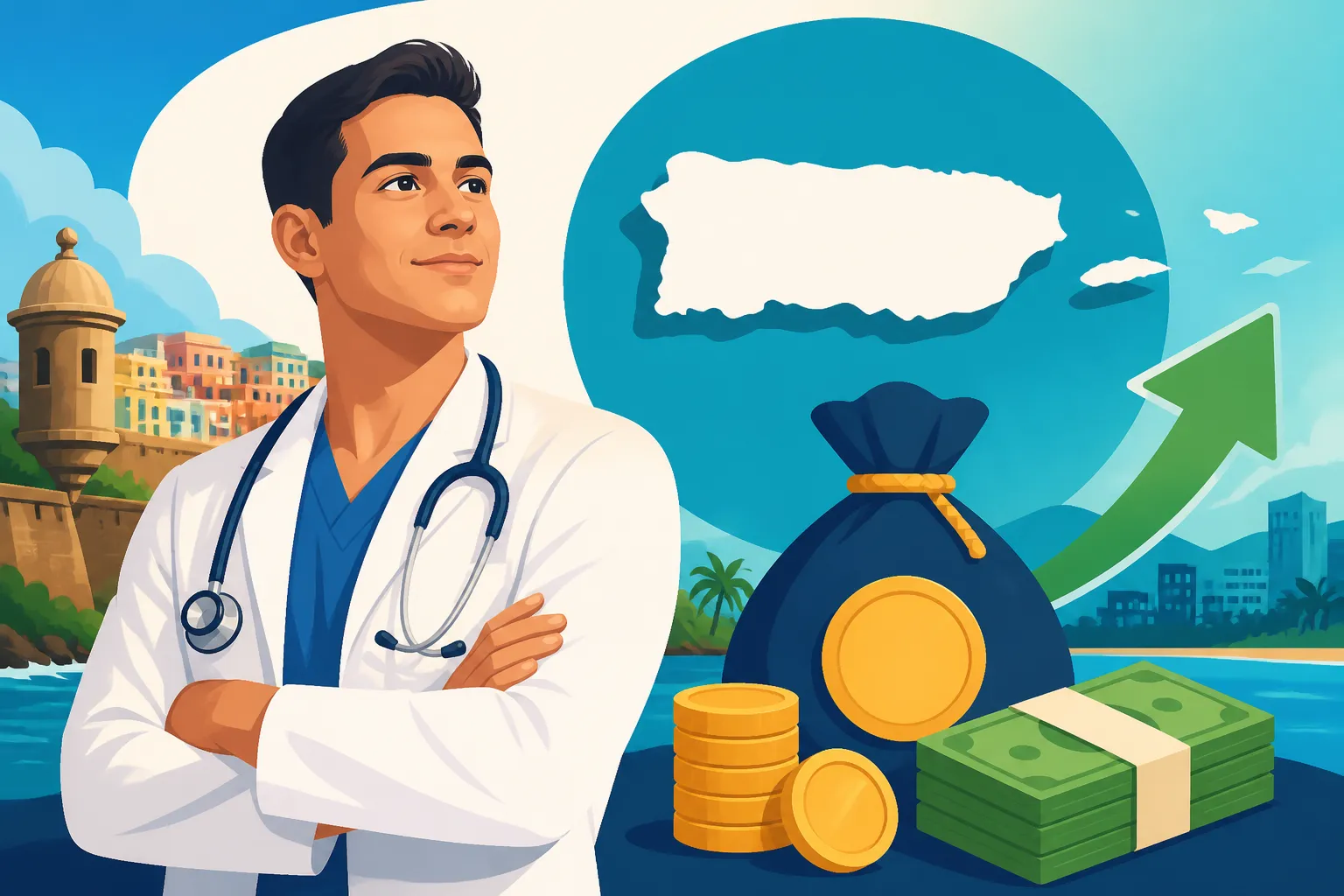
So, you're a doctor, or perhaps aspiring to be one, and the allure of practicing medicine under the Caribbean sun in Puerto Rico has caught your eye. It's a beautiful vision, isn't it? White coats, ocean breeze, helping people in paradise. But let's be real, beneath that picturesque image, practical questions arise, and one of the biggest is: "How much do doctors actually earn here?" It's not a simple answer, and as someone who's seen countless professionals navigate these waters, I can tell you there's a lot more to it than just a number. This guide is going to peel back the layers to give you a true picture of physician salaries and the broader financial and professional landscape for medical professionals in Puerto Rico.
The Landscape of Physician Compensation in Puerto Rico
The medical field in Puerto Rico, much like anywhere else, isn't a monolith when it comes to salaries. There are so many variables that influence a doctor's take-home pay, and honestly, understanding these nuances is far more useful than just looking at a single "average" figure. It's about finding where you fit into the local ecosystem.
Specialization Matters Immensely: Generalist vs. Specialist
One of the most significant factors influencing a doctor's salary in Puerto Rico, without a doubt, is their chosen specialization. A general practitioner or family medicine doctor, while absolutely vital to the community, often operates on a different pay scale than a highly specialized surgeon or a sought-after cardiologist. This isn't unique to Puerto Rico; it's a global trend. However, the specific demand within the island's healthcare system can amplify these differences.
For instance, there's a consistent need for primary care physicians, especially in more rural or underserved areas. These doctors form the backbone of local healthcare, often working in community health centers or small private practices. Their income might be steady, but perhaps not as high as a specialist who performs complex procedures. On the other hand, specialties like anesthesiology, orthopedics, or certain surgical sub-specialties are in high demand, particularly in the larger metropolitan areas like San Juan or Ponce, where private hospitals and advanced medical facilities are concentrated. The specific skills and years of training required for these fields naturally command a higher premium.
Location, Location, Location, and Practice Type
Just like real estate, where you practice medicine in Puerto Rico makes a huge difference. A doctor in a bustling, affluent neighborhood of San Juan, like Condado or Guaynabo, might see a higher volume of privately insured patients and command higher fees compared to a doctor serving a less economically advantaged community in a more remote region. The cost of operating a practice, from rent to staff salaries, also varies significantly by location.
Beyond geography, the type of practice you choose plays a crucial role. Are you working in a large private hospital, a small independent clinic, a government-run health center, or are you venturing into private practice? Private hospitals, such as Hospital Auxilio Mutuo, Ashford Presbyterian Hospital, or Hospital Pavia, often offer competitive salaries and benefits packages, especially for specialists, to attract top talent. These institutions cater to a mix of privately insured patients and those with the government's Vital Plan. In contrast, working for the public health system, which might include Centros de Diagnóstico y Tratamiento (CDTs) or other government-run clinics, might offer more stability and a public service mission, but often with lower earning potential. Many doctors also opt for a hybrid model, working part-time for a hospital and maintaining a small private practice on the side. This allows them to diversify their income and patient base. If you're pondering which path to take, our guide on How Puerto Rico's Health System Works: Public vs Private Explained (2027) could offer some valuable insights.
Experience and Reputation: Building Your Practice
It probably goes without saying, but your years of experience and your professional reputation significantly impact your earning potential. A newly licensed physician, fresh out of residency, will naturally start at a lower salary compared to a doctor with 10 or 20 years of experience under their belt and a well-established patient base. Building a strong reputation through excellent patient care, positive referrals, and community involvement takes time, but it's an investment that pays dividends in the long run.
For specialists, being known for a particular expertise or for successfully handling complex cases can lead to a steady stream of referrals from other physicians, which is invaluable. For general practitioners, building trust and a loyal patient following, often spanning multiple generations within families, ensures a stable and growing practice. This is where truly integrating into the community, beyond just your clinical work, makes a difference.
Unpacking Average Doctor Salaries by Specialty
Now, let's get down to some numbers. Keep in mind that these figures are broad averages and can fluctuate based on all the factors we just discussed: location, practice type, experience, and even the current economic climate in Puerto Rico. However, they should give you a general idea of what to expect.
General Practitioners and Family Medicine
General practitioners and family medicine doctors are the frontline of healthcare in Puerto Rico. They often serve as the first point of contact for patients, managing a wide range of health issues. Their salaries typically fall into a lower range compared to specialists, reflecting the broad nature of their practice.
You can expect a general practitioner in Puerto Rico to earn, on average, somewhere in the range of $65,000 to $120,000 per year. For those just starting out, perhaps right after residency, the lower end of that spectrum is more realistic. With several years of experience, building a patient panel, or potentially joining a larger, established group practice, their income can climb steadily. Those working in public health centers or smaller towns might lean towards the lower end, while those with thriving private practices in urban centers could certainly surpass the average. It's a demanding field, but incredibly rewarding in terms of patient relationships and community impact.
Specialist Earnings: The Higher End of the Spectrum
For specialists, the earning potential significantly increases. This is due to the extensive training, higher demand for specific procedures, and often, the ability to bill at higher rates for specialized services.
Here's a general breakdown of what some specialists might earn, on average:
- Cardiologists: Given the prevalence of heart disease, cardiologists are highly sought after. Salaries often range from $150,000 to $300,000+ per year, depending on whether they are interventional cardiologists, their volume of procedures, and their practice setup.
- Orthopedic Surgeons: With a constant need for joint replacements, fracture repairs, and sports medicine, orthopedic surgeons are also among the higher earners. Their income can range from $180,000 to $350,000+ per year, heavily influenced by surgical volume and the complexity of cases.
- Anesthesiologists: Essential for any surgical procedure, anesthesiologists command strong salaries. You might see averages from $170,000 to $300,000+ per year, with variations based on hours worked and facility type.
- Pediatricians: While not as high as surgical specialties, pediatricians still earn a respectable income, typically from $90,000 to $180,000 per year, growing with experience and patient load.
- Internal Medicine: Often acting as a bridge between general practice and specialties, internal medicine doctors can expect to earn between $80,000 to $160,000 per year, with sub-specialists within internal medicine (e.g., gastroenterologists, pulmonologists) earning significantly more.
It's clear that the more specialized and procedure-oriented your field, generally the higher your earning potential. However, it's not just about the numbers; it’s about finding a niche where you can thrive professionally and personally.
Here's a simplified table illustrating general salary ranges for different medical professions in Puerto Rico:
| Medical Profession | Average Annual Salary Range (USD) | Key Influencing Factors |
|---|---|---|
| General Practitioner/Family Med | $65,000 – $120,000 | Patient volume, private vs. public, rural vs. urban location |
| Pediatrician | $90,000 – $180,000 | Experience, patient base, clinic type |
| Internal Medicine Physician | $80,000 – $160,000 | Sub-specialty, hospital affiliation |
| Cardiologist | $150,000 – $300,000+ | Interventional vs. non-interventional, procedure volume |
| Orthopedic Surgeon | $180,000 – $350,000+ | Surgical volume, hospital reputation |
| Anesthesiologist | $170,000 – $300,000+ | Hours worked, type of facility (hospital, surgery center) |
| OB/GYN | $120,000 – $250,000+ | Delivery volume, private practice vs. hospital group |
(Note: These ranges are estimates and can vary based on market demand, individual contracts, and economic conditions.)
Beyond the Paycheck: Quality of Life and Costs for Doctors
When you're considering a move to Puerto Rico as a medical professional, the salary is just one piece of the puzzle. You have to look at the entire picture, including the cost of living, the benefits, and the all-important work-life balance. After all, what's a high salary if it doesn't translate into a good quality of life? Our guide on The Complete Guide to Cost of Living in Puerto Rico (2026) can provide a detailed breakdown of expenses.
The Cost of Living in Paradise
Puerto Rico offers a unique blend of affordability and expense, often surprising newcomers. While some things, like local produce and certain services, can be more affordable than on the mainland, others, particularly imports, electricity, and housing in desirable areas, can be quite high.
For a doctor with a substantial income, the cost of living in San Juan, Dorado, or other popular expat destinations can feel comparable to, or even slightly higher than, some mid-sized U.S. cities. Rent for a modern apartment in Condado or Guaynabo can easily run into several thousands of dollars a month. Utilities, especially electricity (LUMA), can be a significant expense, making things like air conditioning a luxury many manage carefully. Groceries, depending on whether you're buying local or imported goods, can also add up.
However, if you're willing to live in a more local neighborhood or a less tourist-centric town, your housing and daily expenses can decrease considerably. The key is balance and understanding that "paradise" doesn't automatically mean "cheap." It means weighing your salary against actual expenses, not just what you wish it would be. For those eyeing San Juan, knowing How Much Does It Cost to Live in San Juan per Month? is a crucial first step.
Benefits and Professional Growth
Beyond the base salary, many hospitals and larger medical groups offer a benefits package that can significantly enhance a doctor's overall compensation. This might include health insurance (vital, given you're in the healthcare field!), malpractice insurance, retirement plans (which can vary from traditional 401(k)s to other local retirement schemes), and opportunities for continuing medical education (CME). Some practices might also offer incentives like relocation assistance or signing bonuses, especially for hard-to-fill specialties or positions in underserved areas.
Professional growth in Puerto Rico involves not just keeping up with medical advancements but also integrating into the local medical community. Attending local conferences, joining professional organizations, and networking with other physicians are excellent ways to stay current, build your reputation, and find new opportunities. The medical community here is relatively tight-knit, and establishing good relationships can be incredibly beneficial.
Work-Life Balance and Cultural Nuances
One of the most appealing aspects of living in Puerto Rico for many is the potential for a better work-life balance. The pace of life, while still demanding in a medical setting, often feels less frantic than in some mainland environments. This doesn't mean doctors don't work hard; they absolutely do. But there's a strong cultural emphasis on family, community, and enjoying life outside of work. Many physicians find that the stunning natural beauty of the island offers unparalleled opportunities for relaxation and recreation, from beach days to mountain hikes, helping to de-stress after a long week.
However, there are also cultural nuances to navigate. Patient expectations might differ, and building trust can sometimes take a bit longer for newcomers. The importance of familia means that patient care often extends beyond the individual to their entire support system. Understanding these dynamics is crucial for both professional success and personal fulfillment. It’s part of embracing the island lifestyle.
Navigating the Professional and Regulatory Hurdles for Medical Professionals
Moving your medical practice to a new location is never a simple feat, and Puerto Rico, with its unique blend of U.S. federal and local regulations, presents its own set of challenges. Understanding these hurdles upfront can save you a lot of headaches down the line.
Licensing and Certification: The Paperwork Trail
The process of transferring your medical license or obtaining a new one in Puerto Rico can be an intricate dance with bureaucracy. While Puerto Rico operates under U.S. federal laws, its local medical board has specific requirements. Generally, physicians licensed in any U.S. state or territory can apply for licensure in Puerto Rico, but there's an application process, a review of credentials, and sometimes local examinations or interviews.
You'll need to gather all your academic transcripts, residency certificates, board certifications, and proof of good standing from previous licensing bodies. The Junta de Licenciamiento y Disciplina Médica de Puerto Rico (Puerto Rico Board of Medical Licensure and Discipline) is the entity you'll be dealing with. It's a process that demands patience and meticulous attention to detail. This isn't just about transferring a driver's license; it's about ensuring every T is crossed and I is dotted on your professional qualifications. Consulting our guide on How to Get a Professional License to Work in Puerto Rico will give you a detailed roadmap.
Tax Implications for Doctors in Puerto Rico
This is where things can get particularly complex, especially for doctors accustomed to mainland U.S. tax structures. While Puerto Rico is a U.S. territory, its tax system operates largely independently from federal income tax. This means that income sourced from Puerto Rico is generally exempt from federal income tax, but you will pay local income taxes to Hacienda, the Puerto Rico Treasury Department.
For doctors establishing a practice or working for a local entity, understanding the nuances of Puerto Rico's income tax brackets and how to file your annual planilla (tax return) with Hacienda is paramount. If you're coming from the mainland, or have income from outside Puerto Rico, you'll need to navigate the rules of bona fide residency to ensure you qualify for these tax benefits. This often involves meeting the 183-day presence test, the tax home test, and the closer connection test. It can be a steep learning curve, and many expat doctors find it invaluable to consult with tax professionals who specialize in both U.S. federal and Puerto Rico tax laws. For comprehensive guidance on this, consider exploring resources like Taxes for Expats, who are well-versed in these specific scenarios, or our own in-depth piece on The Complete Guide to Taxes in Puerto Rico for New Residents (2027). It's not just about what you earn, but what you keep after taxes that truly matters.
Language Proficiency: A Must-Have Skill
Let's not beat around the bush: to be an effective and successful doctor in Puerto Rico, you must be proficient in Spanish. While many professionals, especially in major hospitals and tourist areas, might speak English, the vast majority of your patients will primarily communicate in Spanish. This isn't just about basic conversational ability; it's about being able to understand complex medical symptoms, explain diagnoses and treatment plans clearly, and build rapport with patients in their native tongue.
Imagine trying to explain a delicate surgical procedure or a chronic disease management plan to a patient who only grasps half of what you're saying, or vice-versa. It's not just frustrating; it can compromise patient care and safety. While some hospitals may have translators, relying on them for every interaction is simply not practical for a practicing physician. If your Spanish isn't up to par, making a dedicated effort to improve it before or during your move is non-negotiable. Platforms like iTalki can be incredibly helpful for personalized language learning, allowing you to practice medical terminology and conversational Spanish with native speakers. The investment in language skills is an investment in your career and your ability to truly serve the community. Remember, Learning and Working in Spanish in Puerto Rico: A Practical Guide is a great resource to help you get started.
Disclaimer
The information provided in this article is for general informational purposes only and does not constitute professional financial, tax, or legal advice. While we strive to provide accurate and up-to-date information, the landscape of salaries, regulations, and living costs in Puerto Rico can change rapidly. We strongly recommend consulting with qualified professionals, such as a local medical licensing specialist, a tax advisor experienced in Puerto Rico tax law, and a financial planner, to discuss your individual circumstances before making any decisions related to your medical practice or relocation to Puerto Rico.