How Do I Open a Bank Account When I Move to Puerto Rico?
Arriving in Puerto Rico, you might think setting up a basic bank account would be a breeze, just like anywhere else under the U.S. flag. But many expats quickly discover it's not quite that straightforward, leading to a frustrating loop of document requirements and unexpected cultural nuances. This comprehensive guide will walk you through the real-world process of opening a bank account in Puerto Rico, from gathering your paperwork to choosing the right institution, so you can get your finances sorted without the usual headaches.
Navigating the Initial Banking Landscape in Puerto Rico as a New Resident
When you first land on the island, the list of things to do feels endless: finding a place to live, getting your car registered, and, of course, setting up your finances. While the U.S. dollar is the currency here and federal regulations have some sway, the local banking scene operates with its own rhythm and rules that can catch newcomers off guard. It's not just about walking into any branch with your driver's license anymore; it requires a bit more foresight and understanding of the local way.
Understanding Why Local Banking is a Must and Not Just an Option
You might be thinking, "Can't I just keep my mainland bank account?" And while, yes, you technically can use your existing debit and credit cards here, you'll quickly realize how limiting that can be. For starters, local transactions often go smoother with a local account. Paying rent, utilities like LUMA (electricity) and AAA (water), or even just getting cash at an ATM without hefty out-ofnetwork fees really highlights the necessity of having an account with a Puerto Rico-based institution. Many landlords, for instance, prefer direct deposits into local accounts, and some smaller businesses might not accept mainland checks or even certain digital payment methods as readily.
Beyond convenience, establishing a local banking relationship is a foundational step in truly integrating your financial life on the island. It's not just for day-to-day spending; it's about building a local financial footprint. Down the line, if you ever need to apply for a local loan, a mortgage, or even just demonstrate your financial ties to the island for residency purposes, having a solid history with a local bank is invaluable. It helps prove your bona fide residency and makes many administrative tasks significantly easier. For a deeper dive into the overall financial system here, consider reading our guide on Banking in Puerto Rico: A Complete Guide for Newcomers (2027).
The Absolute Must-Have Documents: Don't Leave Home Without Them
This is where many expats hit their first snag. Banks in Puerto Rico, much like anywhere else, need to comply with "Know Your Customer" (KYC) regulations, but the interpretation and specific documents required can vary. What might have been sufficient on the mainland could leave you empty-handed here. The most common pitfall is showing up without enough proof of your local ties.
Typically, you'll need at least one primary form of photo identification, such as a U.S. passport or a Puerto Rico driver's license (if you've already managed to get one). However, secondary forms of ID and proof of address are equally critical. Think utility bills (LUMA, AAA, or internet bills in your name), a signed lease agreement, or even a local post office box rental agreement. Remember, a mainland utility bill won't cut it as proof of local address. Sometimes, they'll even ask for your social security card or proof of your SSN. It's always best to call ahead to the specific branch you plan to visit and ask for their exact list of requirements, as they can sometimes differ even between branches of the same bank. For more details on what to bring, check out What Documents Do I Need to Open a Bank Account in Puerto Rico?.
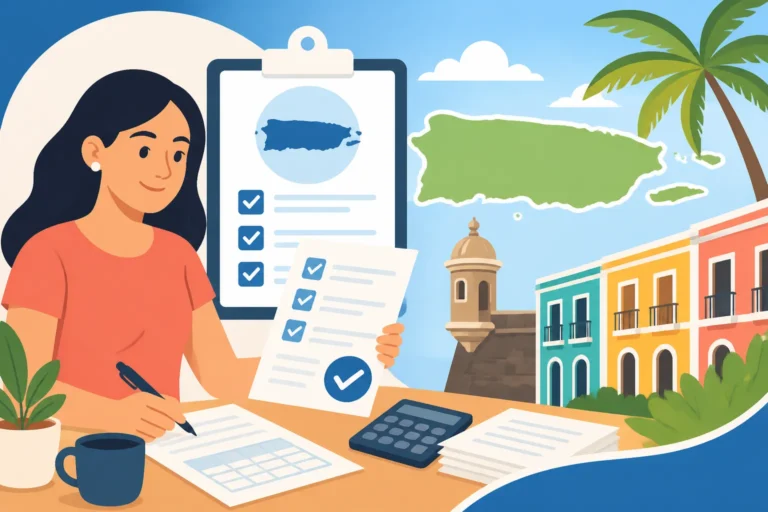
Here's a quick rundown of what you should generally prepare:
| Document Type | Specific Examples | Importance |
|---|---|---|
| Primary Photo ID | U.S. Passport, Puerto Rico Driver's License | Non-negotiable for identity verification. |
| Secondary ID | Mainland Driver's License, another government-issued ID | Sometimes requested for additional verification, especially if local ID is new. |
| Proof of Local Address | LUMA bill, AAA bill, internet bill, signed lease agreement | Crucial for establishing residency; must be in your name and show a Puerto Rico address. |
| Social Security Number | Social Security Card or a document showing your SSN | Required for tax purposes and reporting, as Puerto Rico is part of the U.S. tax system. |
| Initial Deposit | Cash or a check (often minimum $25-$100) | You'll need funds to activate your account. |
| Employment/Income Proof | Pay stubs, employment letter, business registration (if self-employed) | Some banks might ask to verify your source of income, especially for certain account types. |
Make sure all your documents are current and not expired. And it goes without saying, bring the originals! Copies usually won't be accepted.
Choosing Your Financial Partner: Top Banks and What to Look For
Selecting the right bank is more than just picking the first one you see. Each institution has its own strengths, branch networks, and services that might align better with your specific needs as an expat. You'll want a bank that understands the expat experience, offers convenient services, and has a robust presence across the island.
A Closer Look at Local Banking Institutions: Banco Popular, Oriental Bank, and Cooperativas
When you mention banking in Puerto Rico, two names immediately come to mind for commercial banks: Banco Popular de Puerto Rico and Oriental Bank.
Banco Popular is, without a doubt, the largest and most ubiquitous bank on the island. You'll find a branch or ATM pretty much everywhere you go. Their widespread presence is a huge plus for new residents, making it easy to find a branch for in-person services or an ATM when you're out and about. They offer a full range of services, from basic checking and savings accounts to mortgages, investment services, and business banking. Their online banking and mobile app are generally robust, offering features like bill pay for local utilities, which is incredibly convenient. If you're wondering Can I Open a Banco Popular or Oriental Account in Puerto Rico?, the answer is typically yes, with the right documentation.
Oriental Bank is another major player, also with a significant branch network, though perhaps not as expansive as Popular. They pride themselves on good customer service and often have competitive rates for certain products. Many expats find their services user-friendly, and they too offer comprehensive online and mobile banking. It's worth checking their website for current promotions or specific account features that might appeal to you.
Beyond these two commercial giants, you'll also encounter numerous Cooperativas (credit unions). These are local, member-owned financial institutions that often offer a more personalized, community-focused banking experience. While their branch network might not be as widespread as Popular or Oriental, they can be excellent options, especially if you live in a smaller town or are looking for lower fees and a more local touch. Services might be slightly less digitized compared to the larger banks, but they often compensate with excellent customer service and a willingness to work with new residents. It’s definitely worth exploring a cooperativa in your area, especially if you value a more intimate banking relationship.
Criteria for Selecting the Right Bank for Your Expat Life
Choosing a bank isn't just about name recognition. As a newcomer, you have specific needs that should guide your decision.
- Branch Network and ATM Access: How easily can you find a branch or an ATM near your home or work? If you live in a rural area, this becomes even more critical. Popular's extensive network is a big advantage here.
- Online and Mobile Banking Capabilities: In today's world, strong digital tools are non-negotiable. Can you pay bills, transfer money, and manage your account easily from your phone or computer? Look for features like Zelle integration (though adoption is still growing here) or ATH Móvil, Puerto Rico's popular local peer-to-peer payment system.
- Customer Service and English-Speaking Staff: While many people in banking speak English, it's not always guaranteed. Having access to bilingual staff can make a huge difference, especially when you're dealing with complex transactions or need clarification on terms.
- Fees and Account Requirements: Scrutinize monthly maintenance fees, minimum balance requirements, ATM fees, and any other charges. Some accounts might waive fees if you maintain a certain balance or set up direct deposit.
- International Transfer Services: If you anticipate needing to send money between the mainland U.S. and Puerto Rico, or even internationally, check what services the bank offers. Fees for wire transfers can add up, so understanding these upfront is key. This is where services like Wise can come in handy for cost-effective international money transfers, often integrating seamlessly with your local bank account.
Don't rush this decision. Do a little research, visit a couple of branches, and compare their offerings. It can save you headaches and money down the line. To help you make an informed decision, we have a detailed guide on How to Choose the Best Bank for Newcomers in Puerto Rico.
The In-Person Experience: Why a Face-to-Face Visit Often Works Best
While many mainland banks push online account opening, in Puerto Rico, for new residents, an in-person visit is almost always the smoother path. Online applications can be a maze, especially when you lack local utility bills or a local ID number other than your SSN. Walking into a branch allows you to bring all your documents, ask questions, and clarify any ambiguities on the spot. It also provides an opportunity to build a rapport with the banking staff, which can be invaluable in navigating the system here.
When you go in person, dress professionally and be prepared for a bit of a wait, especially during peak hours. Bring all your original documents, and it helps if you have copies as well, just in case. Don't be afraid to explain your situation as a new resident. The staff are usually understanding and can guide you through the process, but they need to see that you're prepared and serious about establishing a local financial presence. This initial face-to-face interaction can streamline the entire process, preventing frustrating back-and-forths that often happen with online applications when specific local documentation is required.
The Account Opening Process: Step-by-Step for Newcomers
Alright, you've done your research, gathered your documents, and picked a bank. Now for the actual process. It can feel like a bureaucratic tango, but with a bit of patience and preparation, you'll be on your way to a functional local bank account.
Preparing for Your Appointment and What to Expect
Before you even step foot in the bank, make sure you have every single document listed in the "Must-Have Documents" section above. Double-check expiration dates. If you're feeling extra cautious, having a recent pay stub or a letter from your employer (if you have a job offer) can also be beneficial as additional proof of financial stability, although it’s not always strictly required for a basic checking account. Some banks might also ask for two forms of proof of address, so if you have both a utility bill and a signed lease, bring them both.
When you arrive at the branch, you'll typically be greeted by a representative who will direct you to a new accounts specialist. This is where you'll present your documents and fill out the necessary paperwork. Be prepared to answer questions about your source of income, your intended use for the account, and your residency status. For instance, they might ask about your tax home and your intentions to remain a bona fide resident, which links to understanding the nuances of your financial and tax obligations in Puerto Rico. If you're a self-employed individual, having your business registration documents ready, even if it's just a registro de comerciante, can expedite the process if they ask about your professional activities.
Common Questions, Forms, and the First Deposit
The forms will largely mirror what you'd find on the mainland: personal information, contact details, Social Security Number (for tax reporting purposes), and selections for the type of account you want (checking, savings, or both). You'll usually be asked to sign several disclosure forms detailing the terms and conditions of the account, privacy policies, and fee schedules. Read these carefully, and don't hesitate to ask questions if anything is unclear.
You'll also need to make an initial deposit to activate the account. This can range from a small amount like $25 to $100, depending on the bank and account type. It’s best to bring cash or a cashier's check for this, as personal checks from mainland banks might be subject to longer holding periods. Once all the paperwork is done and the initial deposit is made, you'll typically receive a temporary debit card on the spot. Your personalized card will usually be mailed to your local Puerto Rico address within 7-10 business days. This is why having accurate local address proof is so critical.
Activating Your Account and Setting Up Digital Access
Once your account is open and you have your temporary card, the next crucial step is to set up online banking and download the bank's mobile app. This is how you’ll manage most of your day-to-day finances, pay bills, and monitor your transactions. The bank representative should be able to guide you through the initial setup of your online profile, including creating a username and password.
Make sure to enable any security features like two-factor authentication. Explore the mobile app to understand its functionalities, especially bill payment options for utilities and the local ATH Móvil system for person-to-person transfers. ATH Móvil is incredibly popular in Puerto Rico for everything from splitting a dinner bill with friends to paying small vendors, so linking your new account to it is highly recommended. For more on managing your digital banking, consider our guide on How to Set Up Online Banking with a Puerto Rico Bank.
Beyond the Basics: Managing Your Money and Overcoming Challenges
Opening the account is just the first step. As you settle in, you'll want to leverage your new local banking relationship for various financial needs and understand how to tackle some common expat hurdles.
Seamlessly Moving Money: Local and International Transfers
Once your local account is active, you'll likely want to transfer funds from your mainland accounts to Puerto Rico. You can typically do this via ACH transfers or wire transfers. ACH transfers are usually free or low-cost but take a few business days. Wire transfers are faster but come with higher fees. Most major banks in Puerto Rico offer online platforms for these transfers, but ensure you have all the correct routing and account numbers for both institutions.
For international transfers, especially if you're sending money to or from countries outside the U.S. or want competitive exchange rates, using a dedicated service like Wise can often be more cost-effective than traditional bank wire transfers. They tend to offer better rates and lower fees. Setting up direct deposit for your paycheck (if you're employed on the island) is another key step; your employer will need your new local bank's routing number and your account number. Learn more about transferring funds in How to Transfer Money and Set Up Direct Deposit in Puerto Rico.
Tackling Credit, Loans, and Building Your Financial Footprint
One of the biggest frustrations for new expats in Puerto Rico is the challenge of establishing local credit. Your mainland credit history doesn't automatically transfer to Puerto Rico's local credit bureaus, which are often different. This means getting a loan, a credit card, or even financing a car can be difficult initially.
Start by getting a local credit card from your bank, even if it has a low limit or requires a secured deposit. Using it responsibly and paying it off in full each month will begin to build your local credit history. Some utility payments, like your LUMA or internet bill, can also contribute to your local credit score if paid consistently. If you're a business owner, establishing a business account is also critical for your financial footprint; read How to Open a Business Bank Account in Puerto Rico for more on that. Building credit takes time, so be patient and proactive.
Alternative Banking Solutions and Digital Platforms
Beyond traditional banks, Puerto Rico's financial landscape is evolving. Mobile payment apps like ATH Móvil are incredibly popular and almost essential for daily transactions. These apps allow instant transfers between individuals and businesses linked to participating local banks. Make sure your bank account is linked to ATH Móvil as soon as possible.
For those needing more specialized financial advice, particularly concerning their unique tax situation as U.S. citizens living in a U.S. territory with distinct local tax laws, consulting with a financial advisor who understands both the federal and Puerto Rico tax codes is paramount. Resources like Taxes for Expats can be helpful for those who need guidance on how their move to Puerto Rico impacts their overall tax obligations and how to best document financial activities for both U.S. and local tax filings. This is crucial for ensuring compliance and optimizing your financial strategy while maintaining your bona fide residency status.
Final Thoughts on Your Puerto Rico Banking Journey
Opening a bank account in Puerto Rico as a new resident definitely comes with its quirks and requires a bit more legwork than you might expect. But with the right preparation, a clear understanding of the necessary documents, and a little patience, it's a perfectly manageable process. Remember, establishing a local banking relationship is a cornerstone of your new life on the island, enabling you to seamlessly handle daily expenses, manage transfers, and lay the groundwork for your long-term financial stability here. Don't be discouraged by the initial hurdles; countless expats have navigated this path before you, and so can you.
Disclaimer
Please note that this article is intended for informational purposes only and does not constitute financial, legal, or tax advice. Banking regulations, document requirements, and financial products can change, and individual circumstances vary. It is highly recommended to consult directly with banking institutions, financial advisors, and tax professionals in Puerto Rico for personalized advice based on your specific situation.