Can I Get a Personal Loan as a New Resident in Puerto Rico?
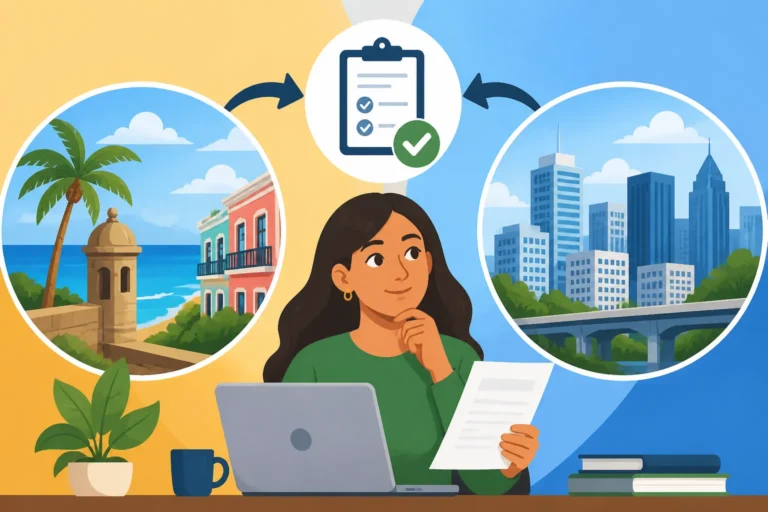
Moving to Puerto Rico, with all its sunshine and vibrant culture, often comes with a financial reality check, and figuring out how to get a personal loan as a new resident can feel like navigating a maze blindfolded. You've just unpacked your bags, perhaps landed a new job, or are getting your business off the ground, only to realize that your established credit history from the mainland doesn't automatically translate here. This guide will walk you through the real-world challenges and practical steps to secure a personal loan, helping you understand the local financial landscape and what to expect.
The Initial Hurdles: Why Getting a Personal Loan as a New Resident is Tricky
It's a common story: you've moved to Puerto Rico, excited for a fresh start, and then life throws a curveball. Maybe your car unexpectedly needs a major repair, or you need some extra funds for home improvements that didn't make it into the initial moving budget. You think, "No problem, I'll just get a personal loan," only to hit a wall. The financial system here, while part of the broader U.S. framework, has its own nuances, and being a "new resident" often puts you at a disadvantage.
The Chicken-and-Egg of Credit History
One of the biggest frustrations for newcomers is the dreaded credit history paradox. You need credit to get a loan, but you need a loan (or other financial products) to build local credit. While your FICO score from the mainland might be stellar, many local banks and financial institutions in Puerto Rico initially treat you almost like a blank slate. They prefer to see a track record of financial behavior on the island.
This can be incredibly disheartening. You might have paid off mortgages, student loans, and multiple credit cards flawlessly for decades up north, only to be told that for a personal loan here, it barely counts. The local credit bureaus, while interconnected, often require time for your Puerto Rico-based financial activities to populate and establish a robust local score. This means building a credit profile from scratch with local utility payments, a local bank account, and perhaps a secured credit card becomes a necessary, albeit time-consuming, first step before many traditional personal loan avenues open up.
The impatience is real. When you need funds now, waiting months or even a year to establish a local credit footprint feels impossible. It's a systemic challenge that many expats face, underscoring the importance of patience and strategic financial planning from day one on the island.
Residency and Documentation Requirements
Beyond credit, the sheer volume and specificity of documentation required by Puerto Rico's financial institutions can be overwhelming for a new resident. It's not just about proving you have an income; it's about proving you have an established life and presence on the island that indicates stability and a likelihood of repayment.
Banks will typically ask for proof of residency, which can be trickier than it sounds if you've only recently moved. Utility bills from LUMA and AAA in your name, a signed lease agreement or property deed, and a local Puerto Rico driver's license or non-driver ID card from CESCO are usually essential. If your name isn't on these core documents yet, you're in for a bureaucratic dance. Furthermore, proof of steady income is paramount. This might include recent pay stubs from a local employer, comprobantes de retención (similar to W-2s) from previous years, or detailed business records if you're self-employed. For those who are self-employed or run a business, organizations like Taxes for Expats can be helpful in ensuring your financial documentation is in order for both local and federal tax purposes, which then aids in loan applications.
The challenge here is that many new residents arrive with mainland-centric documents that don't immediately satisfy the local requirements. For example, a mainland driver's license is valid for a period, but a local ID is much preferred for establishing residency with banks. Having a stable address that is verifiable through official channels is also key. If you're still staying in temporary housing or haven't gotten all your utility accounts officially transferred, these small details can significantly delay or even outright prevent a loan approval.
Navigating Your Options: Where to Look for Personal Loans in Puerto Rico
Once you understand the hurdles, the next step is to explore the actual avenues available for personal loans. It's not a one-size-fits-all situation, and what works for a long-time resident might not be accessible to you immediately. You'll need to be strategic and perhaps start with options that cater more to your "newcomer" status.
Traditional Banks and Credit Unions
The most obvious place to start is with the major traditional banks and local credit unions, known as cooperativas. Banks like Banco Popular and Oriental Bank are the dominant players here. They offer a range of personal loan products, but their requirements for new residents can be stringent. They typically look for an established banking relationship, meaning you’ve had an active checking or savings account with them for a period, ideally with regular direct deposits. This allows them to see your cash flow and financial habits.
For new residents, getting a personal loan from these institutions often requires building up a local credit score and demonstrating consistent income from a Puerto Rico-based source. If you've just moved, your chances might be slim unless you have a significant amount of capital or can provide a strong local co-signer. Many expats find it beneficial to open an account with a local bank as soon as possible, even if it's just a basic checking account, and gradually build that relationship. This initial step is crucial for establishing your financial presence on the island. For more detailed guidance, consider reading The Newcomer's Guide to Opening a Bank Account in Puerto Rico.
Cooperativas are also a strong option for personal loans in Puerto Rico, often known for being more community-focused and potentially more flexible than larger commercial banks, especially for those building local roots. However, even cooperativas will want to see some evidence of stability and local financial engagement. You might need to become a member first, which usually involves opening a savings account and maintaining a minimum balance. Their interest rates can sometimes be more competitive, but the process might still require patience as you establish yourself within their system.
Online Lenders and Fintech Platforms
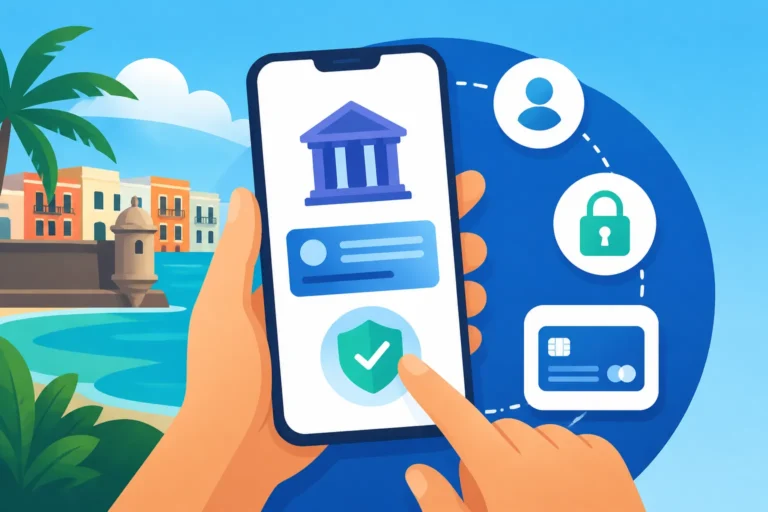
In an increasingly digital world, online lenders and fintech platforms have emerged as alternatives to traditional banks. These platforms often leverage different underwriting models, sometimes focusing more on income and less on traditional credit scores, or accepting a broader range of credit histories. While this might sound promising for a new resident, it's crucial to approach them with caution.
Some online lenders operate across the entire United States, including Puerto Rico, and might be more willing to consider your mainland credit history or alternative data points to assess your creditworthiness. However, this flexibility often comes at a price. Interest rates from online lenders can be significantly higher than those from traditional banks, reflecting the increased risk they perceive. It's vital to read all terms and conditions carefully, understanding the Annual Percentage Rate (APR), fees, and repayment schedule. Be wary of any lender that guarantees approval without thoroughly reviewing your financial situation, as these could be predatory.
When considering online options, ensure the lender is reputable and licensed to operate in Puerto Rico. Check for reviews and any complaints. While the application process can be faster and more convenient, the long-term cost can be substantial. It might be a viable short-term solution for an urgent need, but it's rarely the most cost-effective path. For general financial management and money transfers, many new residents find services like Wise invaluable for moving funds between mainland accounts and their new Puerto Rico bank without exorbitant fees or unfavorable exchange rates, which helps with overall financial stability.
Alternative Solutions and Smaller Lenders
If traditional banks and mainstream online lenders aren't working out, there are some alternative avenues, though they often come with their own set of considerations. Secured loans, for instance, might be an option. This involves putting up collateral, such as a car title (if you own a vehicle outright) or a savings account. A secured personal loan can be easier to obtain because the lender has a guarantee against default, which reduces their risk. The downside, of course, is the risk of losing your collateral if you can't repay the loan.
Another alternative is to explore smaller, local finance companies. These might be less well-known but could have more flexible underwriting for specific circumstances. Again, research their reputation, licensing, and thoroughly compare their interest rates and fees. These lenders sometimes cater to individuals with less-than-perfect credit or limited history, but again, the cost of borrowing is likely to be higher.
Finally, for smaller amounts, consider what you might already have access to. Could an employer offer a salary advance or a small, short-term loan? Are there any local community programs or non-profits that provide micro-loans for specific needs? This is less common but worth investigating if your situation is dire. While not a loan, establishing solid financial practices, like understanding The Complete Guide to Cost of Living in Puerto Rico (2026), can help you budget better and reduce the immediate need for a personal loan.
Strategies to Improve Your Chances and What to Expect
It might feel like an uphill battle, but there are definite strategies you can employ to strengthen your position and make yourself a more attractive borrower in Puerto Rico. It’s all about demonstrating stability and a commitment to your new life on the island.
Building a Local Financial Footprint
The single most impactful thing you can do as a new resident is to actively build a local financial footprint. This starts with a local bank account. As mentioned before, opening a checking and savings account with a major bank like Banco Popular or Oriental Bank is fundamental. Use it regularly, set up direct deposit for your paycheck, and pay your bills from it. This shows consistent activity and establishes a relationship with the institution.
Next, get a local credit card. If you can't get an unsecured card initially, apply for a secured credit card. With a secured card, you deposit money into an account, and that deposit becomes your credit limit. Use this card responsibly for small purchases and pay the balance in full every month. This is an excellent way to start reporting positive payment history to local credit bureaus, slowly building that elusive local credit score. Make sure all your utility bills—LUMA for electricity and AAA for water—are in your name. Timely payments on these also contribute to your financial record and serve as crucial proof of residency.
If you are employed on the island, ensure your employer is reporting your income correctly and that you are receiving proper pay stubs. For those who are self-employed, registering your business and maintaining clear financial records are paramount. Even seemingly minor steps, like registering for a local phone plan and having a consistent billing address, cumulatively contribute to your perceived stability and help financial institutions verify your presence and commitment to Puerto Rico. You might find resources on How to Register with Hacienda and Get a Tax Account in Puerto Rico helpful if you're venturing into self-employment.
Preparing Your Application: What Banks Want to See
When you’re ready to apply for a personal loan, being meticulously prepared with all necessary documentation can make a significant difference. Don't just show up with a stack of papers; have them organized and ready to present. Here’s a typical list of what you'll need:
- Official Photo ID: Your Puerto Rico driver's license or a valid non-driver ID card. A U.S. passport is also generally accepted.
- Proof of Residency: A recent utility bill (LUMA, AAA, internet) in your name and at your current Puerto Rico address, or a copy of your signed lease agreement, or property deed.
- Proof of Income: Recent pay stubs (typically 2-3 months), comprobantes de retención from your employer, or official tax returns filed with Hacienda. If self-employed, detailed bank statements, business registration documents, and a strong history of tax filings are essential. For those needing help with their tax documentation, especially if they have mixed mainland and Puerto Rico income, services like Taxes for Expats can assist in ensuring your records are in impeccable order, which is a huge plus for lenders.
- Bank Statements: Recent statements from your local Puerto Rico bank account to show consistent cash flow and financial management.
- Social Security Card: Your U.S. Social Security card is needed for identity verification and credit checks.
Being able to present these documents clearly and concisely demonstrates your seriousness and reduces the administrative burden on the bank. They are looking for reasons to trust you, and well-organized, comprehensive documentation goes a long way.
Here’s a summary table of the key documents you'll need:
| Document Type | Specific Items | Purpose |
|---|---|---|
| Identification | Puerto Rico Driver's License/ID, U.S. Passport | Verify Identity |
| Proof of Residency | Utility Bills (LUMA, AAA), Lease Agreement, Property Deed | Confirm Local Address and Stability |
| Proof of Income | Recent Pay Stubs, Comprobantes de Retención, Tax Returns, Business Records | Demonstrate Repayment Capability |
| Financial Statements | Recent Local Bank Account Statements | Show Cash Flow and Account History |
| Social Security | Social Security Card | Required for Credit Checks and Official Records |
Understanding Loan Terms and Avoiding Pitfalls
Once you're approved, don't just sign on the dotted line without fully understanding the terms. Personal loan agreements can be complex, and it’s even more challenging when you’re new to the local financial jargon. Carefully review the interest rate (APR), any origination fees, late payment penalties, and the full repayment schedule. Ask for explanations of anything you don’t understand.
Be particularly aware of variable interest rates versus fixed rates. A fixed rate offers predictability in your monthly payments, while a variable rate can fluctuate, potentially increasing your payments over the life of the loan. Also, understand if there are any prepayment penalties if you decide to pay off the loan early. This isn't common for personal loans but is worth confirming.
It's also crucial to avoid predatory lenders. If an offer seems too good to be true, or if a lender pressures you to sign quickly without allowing you to read the terms thoroughly, walk away. Always choose a lender that is transparent and provides all information in writing. Remember, the goal is to get a personal loan that helps you, not one that traps you in a cycle of debt. Taking the time to understand your options, including how your income is treated from a tax perspective, is paramount for a solid financial foundation, and resources like How Puerto Rico Taxes Work: Federal vs Local (Hacienda) Explained (2027) can deepen your understanding.
Realistic Expectations and Long-Term Financial Planning
Navigating the financial landscape as a new resident in Puerto Rico, especially when seeking credit, requires a healthy dose of realism and a long-term perspective. It's rarely an instant process, but with persistence, it's absolutely achievable.
Be Patient, Be Persistent
This island operates on its own rhythm, and that often includes administrative processes. Obtaining a personal loan, especially when you're still building your local financial identity, will likely take more time and effort than you might be accustomed to on the mainland. Don't get discouraged if your first application is denied or if the process feels slow. Each interaction is an opportunity to learn more about the local requirements and to demonstrate your commitment.
Consider starting with a smaller loan or a secured credit card to begin building that positive credit history. Every successful repayment builds trust and strengthens your profile for future, larger credit needs. Think of it as investing in your financial future on the island, one on-time payment at a time. This patient, persistent approach is often the most effective path for new residents.
Budgeting and Savings While You Build Credit
While you're working on establishing your credit and eligibility for personal loans, it's absolutely crucial to focus on robust budgeting and building up your savings. Relying solely on the hope of a loan for unforeseen expenses can lead to significant financial stress. Creating a detailed budget, tracking your income and expenses, and identifying areas where you can save money will provide a safety net.
Start building an emergency fund, even if it's small. Having three to six months of living expenses saved up can dramatically reduce your reliance on loans for unexpected costs. This financial discipline not only protects you but also demonstrates responsible money management to potential lenders down the line. Moreover, understanding How Much Does Health Insurance Cost in Puerto Rico in 2026? and other major expenses can help you build a more realistic budget from the outset.
Exploring Alternatives to Immediate Loans
Before jumping into a personal loan, particularly with less favorable terms due to your new resident status, take a moment to explore if there are other ways to meet your financial need. Could you defer the expense? Is there a cheaper alternative to what you planned to use the loan for? Sometimes, waiting a few months to save up the necessary funds can save you hundreds or even thousands of dollars in interest and fees.
Consider if a smaller, more accessible financial product, such as a secured credit card (which also helps build credit), might temporarily bridge a gap rather than a full personal loan. For larger purchases, could you explore vendor financing options, which sometimes have different approval criteria? Being creative and patient with your financial needs can often lead to more sustainable and less costly solutions in the long run, especially as you navigate the initial phases of establishing your financial life in Puerto Rico. Even for those with stable employment, understanding The Complete Guide to Working in Puerto Rico (2027) can provide insights into benefits or options that might indirectly help with financial needs, reducing the immediate pressure for a loan.
Disclaimer
The information provided in this guide is for general informational purposes only and does not constitute financial, legal, or tax advice. While we strive to provide accurate and up-to-date information, the financial landscape and regulations in Puerto Rico can change. Always consult with a qualified financial advisor, attorney, or tax professional for advice tailored to your specific situation.