What Is the Mortgage Recording Fee in Puerto Rico?
Oh, the joys and bewildering intricacies of buying property in Puerto Rico! If you're currently sifting through documents, contemplating a move, or even just dreaming of owning a piece of this beautiful island, you've likely stumbled upon the term "mortgage recording fee" and felt a familiar pang of confusion. It's one of those seemingly small line items on a closing statement that can leave you scratching your head, wondering what it is, why you're paying it, and how much it’s actually going to set you back. This guide is here to unravel that mystery, giving you a clear, empathetic, and realistic look at what the mortgage recording fee entails when you're navigating the real estate landscape here in Puerto Rico.
Unpacking the Mortgage Recording Fee in Puerto Rico: What Exactly Is It?
When you’re buying property, especially with a mortgage, there are so many fees, taxes, and charges thrown at you that it’s easy to get overwhelmed. The mortgage recording fee, or derecho de presentación as it’s often referred to in Spanish, is one of those crucial but often misunderstood costs. It’s not just some arbitrary charge; it’s a fundamental part of securing your property rights and making sure everything is legitimate and publicly recognized. Think of it as the government's way of saying, "Okay, we've officially noted this transaction, and it's now part of the public record." This public record is called the Registry of Property, or Registro de la Propiedad.
The "Derecho de Presentación" and Why It Matters
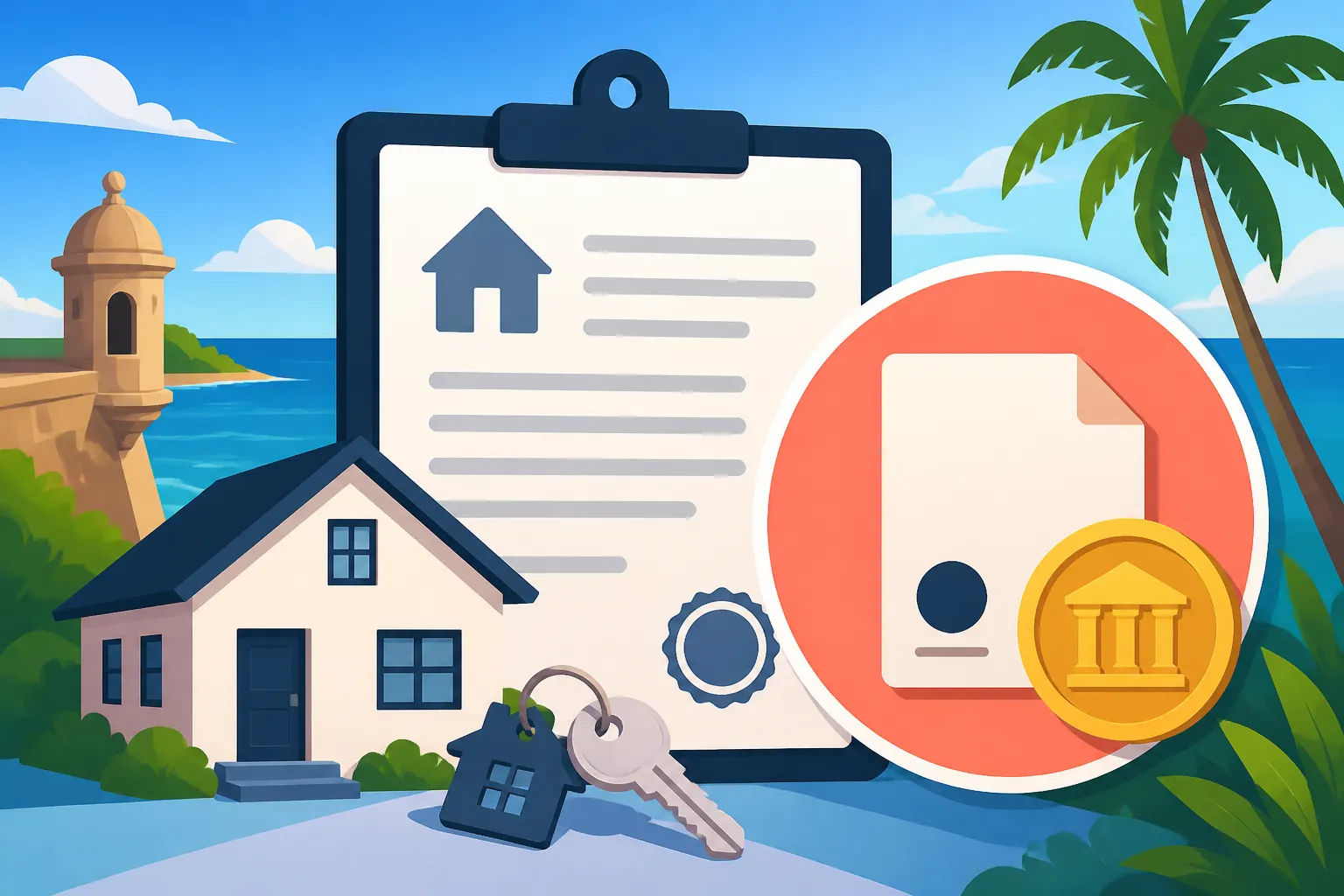
The derecho de presentación is essentially the fee paid to the Puerto Rico Property Registry (Registro de la Propiedad) to officially record your mortgage deed. It's the cost associated with having your mortgage documented and made public in the official records. Why is this so important, you ask? Well, in a nutshell, it provides crucial legal protection for both you, the borrower, and your lender. Without this official recording, your mortgage wouldn't be public knowledge, which could lead to all sorts of messy legal disputes down the line. Imagine a scenario where you've paid off your mortgage, but there's no official record of it. It would be a nightmare to prove clear title later!
This fee ensures that your claim on the property, and more specifically, the bank’s lien on the property, is recognized by the state. It essentially puts the world on notice that your property is encumbered by a mortgage. This transparency prevents fraudulent claims and provides a clear chain of title for future transactions. It’s a foundational step in establishing secure property ownership here, much like establishing your Bona Fide Residency in Puerto Rico: The Definitive Tax Guide (2027) is for your tax status.
How the Recording Process Protects Your Investment
For newcomers, especially those of us used to mainland systems, the local nuances of property law can feel like a labyrinth. The recording process for your mortgage is designed to protect your investment in several key ways. First, it establishes priority. If, for some wild reason, multiple claims were made against a property, the one that’s recorded first typically takes precedence. This is why quick and accurate recording is so critical. Second, it creates a public record that anyone can access, ensuring transparency and reducing the risk of fraud. When you’re looking to buy a home, your attorney will conduct a title search at the Registry to ensure there are no existing liens or other encumbrances on the property. This due diligence is only possible because of the meticulous recording process.
Let's say you're buying a lovely little casita in Rincón. Your lender needs to be sure that if, heaven forbid, you default on your payments, they have a legally recognized claim to that property. Recording the mortgage is how they get that recognition. For you, the buyer, it ensures that once you clear that mortgage, the removal of that lien is also formally recorded, giving you true, clear ownership. Understanding How to Buy Property in Puerto Rico: The Full Guide (2027) means grasping these intricate but vital steps.
Decoding the Cost: How Mortgage Recording Fees are Calculated
Alright, let's talk numbers, because that’s usually where the real stress kicks in. The mortgage recording fee isn't a flat rate; it's calculated based on a percentage of the mortgage amount, and it can also vary slightly depending on the complexity of the deed. This is where it gets a little tricky, and why it's so important to have a good real estate attorney or notary public (who also acts as a public notary for real estate transactions here) to guide you.
Generally, the fees are set by law and are quite standardized across the island, though specific nuances can exist. These fees are usually just one piece of a larger pie of closing costs, which can feel like a never-ending list. It's often bundled together with other stamp and voucher costs that are required for the deed to be officially entered into the public record.
Factors Influencing the Final Fee
The primary factor determining your mortgage recording fee is the loan amount itself. The higher your mortgage, the higher the fee will be. Beyond that, there are other administrative costs wrapped into the process. This includes the sellado y estampillado (stamps and vouchers) that need to be affixed to various documents, which are essentially taxes or fees on the legal documents themselves. These can feel like small, annoying additions, but they are mandatory for the legality and official recognition of your property transaction.
Another factor might be the complexity of your particular situation. Are there multiple parties involved? Is it a commercial property versus a residential one? While the basic percentage might remain, these factors can slightly increase the overall administrative burden, and thus the associated fees. For instance, if you're exploring How to Get a Mortgage to Buy a Home in Puerto Rico, your lender will provide a Good Faith Estimate (GFE) or a Loan Estimate (LE) which should detail these costs upfront. Always scrutinize these documents!
Beyond the Recording Fee: Other Essential Closing Costs to Anticipate
The mortgage recording fee is just one slice of the delicious, albeit expensive, pie that is closing costs. When you’re buying property in Puerto Rico, you need to budget for a whole host of other expenses that can collectively add up significantly. We're talking about notary fees, attorney fees, property transfer taxes (which can be substantial), document stamps, and appraisal fees, just to name a few. It’s not uncommon for closing costs to range from 3% to 7% of the purchase price, or even more, depending on the specifics of your transaction and whether you're paying cash or getting a mortgage. This makes understanding How Much Are the Closing Costs to Buy a Home in Puerto Rico? absolutely critical to avoid sticker shock.
Here’s a quick breakdown of some of the usual suspects you'll encounter:
| Fee Type | Description | Typical Cost (Estimate) |
|---|---|---|
| Notary Fees | For drafting and notarizing the deed and other legal documents. | Around 1-2% of the purchase price or mortgage amount |
| Mortgage Recording Fee | Official fee for registering the mortgage in the Property Registry. | Based on a percentage of the mortgage amount (typically <1%) |
| Document Stamps & Vouchers | Required for various legal documents, including the deed and mortgage. | Variable, typically several hundred to a few thousand dollars |
| Property Transfer Tax | Tax paid to the municipality and commonwealth upon the transfer of property ownership. | Ranges from 0.5% to 5% of property value (tiered) |
| Appraisal Fees | Cost for evaluating the property's market value, often required by lenders. | $400 – $800+ |
| Title Search & Insurance | To ensure a clear title and protect against future claims. | $500 – $1,500+ |
| Loan Origination Fees | Charged by the lender for processing your mortgage. | 0.5% – 1.5% of the loan amount |
| Escrow Fees | For a neutral third party to hold funds and documents until closing. | Variable, often shared between buyer and seller |
It’s a lot, I know. And trust me, I've seen enough wide-eyed newcomers at the closing table to know this can be incredibly daunting. But knowing what to expect is half the battle!
Navigating the Mortgage Recording Process as a Newcomer
For those of us coming from the mainland, the way real estate transactions are handled here can feel a bit different. One of the biggest differences is the role of the notario público (notary public). Unlike on the mainland where a notary just verifies signatures, in Puerto Rico, a notario público is a legal professional, usually an attorney, who drafts and executes all public instruments, including property deeds and mortgages. They are indispensable to the process and ensure all legal requirements are met.
Key Players and Their Roles
When you’re buying property with a mortgage in Puerto Rico, you’ll interact with several key players. Each has a specific, critical role in making sure the transaction is legally sound and properly recorded.
- Your Real Estate Agent: They help you find the property and negotiate the purchase. While not directly involved in the recording, their initial guidance can be invaluable.
- The Lender (Bank): The institution providing your mortgage. They will require the mortgage to be recorded to protect their interest. Banks like Banco Popular or Oriental Bank are common choices here.
- Your Notary Public / Attorney: This is perhaps the most crucial individual. They are responsible for drafting the escritura de compraventa (deed of sale) and the escritura de hipoteca (mortgage deed). They ensure all documents adhere to Puerto Rico law, collect all necessary fees (including the mortgage recording fee), and submit the documents to the Property Registry. Choosing a good, bilingual notary who specializes in real estate is paramount.
- The Property Registry (Registro de la Propiedad): This is the government office responsible for maintaining all public records related to real estate. They officially record your deed and mortgage, making your ownership and the associated lien public.
- The Seller's Agent/Attorney: Represents the seller and ensures their interests are protected.
It can feel like a whole team, but each member plays a vital part in protecting your investment and ensuring the legality of the transaction. For detailed insights into the legal framework, you might find our guide on Understanding Property Ownership and Titles in Puerto Rico helpful.
Essential Documents for Mortgage Recording
The notary public will be your guide through the document maze, but it's good to have an idea of what's involved. When you’re getting a mortgage, the primary document that needs to be recorded is the escritura de hipoteca (mortgage deed). This legal instrument details the terms of your loan, the property used as collateral, and the rights and obligations of both the borrower and the lender. This document, along with the escritura de compraventa (deed of sale, which transfers ownership to you), will be prepared and executed by the notary public.
Other documents might include:
- Promissory Note: Your promise to repay the loan.
- Appraisal Report: An assessment of the property's value.
- Survey Plan: A map showing the property boundaries.
- Proof of Identity: Your government-issued ID.
- Tax Documents: Related to property taxes and transfer taxes.
Your notary will gather all of these and ensure they are properly stamped and submitted to the Registry. This meticulous attention to detail is crucial for clear title down the road.
Smart Financial Planning for Your Puerto Rico Home Purchase
Buying a home anywhere is a massive financial undertaking, and Puerto Rico is no exception. Beyond the purchase price, the closing costs – including that mortgage recording fee – can add up quickly. This is where meticulous financial planning really comes into its own. Many newcomers are surprised by the sheer volume of fees involved, and not having a clear picture can lead to last-minute scrambles and unnecessary stress.
Budgeting for Closing Costs and Beyond
Start by asking for a detailed breakdown of all estimated closing costs as early as possible. Your lender will provide a Loan Estimate, which gives you a good starting point, but your notary or attorney should also be able to give you a more precise estimate of all associated fees, including the mortgage recording fee. Don't be shy about asking questions and demanding clarity on every single line item. This isn't just about the money; it’s about your peace of mind.
Remember, the expenses don't stop at closing. You'll have ongoing property taxes (The Complete Guide to Property Taxes (CRIM) in Puerto Rico (2027)), insurance (especially hurricane and flood insurance, which are crucial here), and general maintenance for your new home. Factor all of these into your long-term financial plan. For a holistic view of your finances, it might also be wise to consult with services like Taxes for Expats, especially if you have complex income streams or are navigating your first year of filing taxes as a Puerto Rico resident. They can provide invaluable advice on how homeownership fits into your overall tax strategy here, including preparing for your Filing Your Puerto Rico Tax Return with Hacienda: The Complete Walkthrough (2027).
Managing Funds and International Transfers
One practical hurdle many expats face is getting the substantial funds needed for a down payment and closing costs from their mainland accounts to their Puerto Rico bank account. Traditional wire transfers through major banks can be costly and sometimes slow, and their exchange rates might not always be the most favorable if you're dealing with different currencies (though for USD to USD it's usually less about exchange rates and more about fees and speed).
This is where services like Wise can be incredibly helpful. They often offer more competitive transfer fees and exchange rates, and their transfers tend to be quicker and more transparent than traditional banking methods. If you’re moving a significant sum, even a small difference in fees or exchange rates can save you hundreds, if not thousands, of dollars. Before you initiate any large transfers, compare options and check with your chosen bank here – for instance, if you're looking into How to Choose the Best Bank for Newcomers in Puerto Rico, inquire about their incoming wire transfer fees and processes. It’s all about maximizing your hard-earned cash for your new life on the island.
The Long-Term Impact of Your Mortgage Registration
Recording your mortgage isn't just a one-time administrative hurdle; it has long-term implications for your property ownership journey. It's the official record that validates your loan, and it remains active in the public registry until the mortgage is fully satisfied and canceled.
Future Transactions and Refinancing Considerations
When you eventually pay off your mortgage, a cancelación de hipoteca (cancellation of mortgage) deed will need to be prepared and recorded by a notary public. This officially removes the lien from your property title, giving you clear ownership. This is another moment where the initial recording becomes vital – without it, proving that the mortgage existed and was satisfied would be incredibly difficult.
Similarly, if you ever decide to refinance your home, the existing mortgage will be canceled, and a new mortgage deed will be recorded. Each time, new recording fees and associated costs will apply. This shows how intertwined these initial steps are with all future property-related financial decisions. It truly forms the backbone of your property's legal history here. Understanding Property Valuation and Mortgages in Puerto Rico will serve you well for these future considerations.
The entire process of buying property here, from finding your dream home to signing the final papers, is a journey. The mortgage recording fee, while just one line item, is a testament to the robust legal framework that protects property rights in Puerto Rico. It might feel like another cost, but it's an investment in the security and legitimacy of your most significant asset here on the island.
Disclaimer
The information provided in this article is for general informational purposes only and does not constitute legal, financial, or tax advice. While we strive to provide accurate and up-to-date information, laws and regulations in Puerto Rico can change. It is essential to consult with qualified local professionals, such as attorneys, notaries public, real estate agents, and financial advisors, for advice tailored to your specific situation before making any decisions related to property purchase, mortgages, or financial planning in Puerto Rico.