Are Health Screenings Worth It for New Residents in Puerto Rico?
Moving to Puerto Rico, with all its vibrant culture and stunning scenery, can also bring a whirlwind of new anxieties – especially concerning your health. Suddenly, you're navigating a different healthcare system, new doctors, and perhaps even a new climate. It's perfectly normal to feel a bit lost about where to even begin with your personal health, but taking proactive steps with health screenings is one of the smartest things you can do. This guide will help you understand why, what, and how to approach health screenings as a new resident on the island, ensuring you get off to a healthy start.
The Initial Jitters: Why Health Screenings Matter When You Move to Puerto Rico
Let's be real, uprooting your life and settling in a new place, even one as wonderful as Puerto Rico, is stressful. And stress, my friends, often impacts our health in ways we don't immediately recognize. When you're busy setting up your new home, getting your car registered at CESCO, and figuring out how to pay your LUMA bill, your health can easily take a backseat. But ignoring it can lead to bigger problems down the road. Health screenings are your first line of defense, a chance to take a snapshot of your well-being in this new chapter.
Think about it: you're in a new environment. Maybe your diet has shifted to more delicious mofongo and pasteles (no complaints here, but balance is key!). Perhaps you're more active, enjoying the outdoor lifestyle, or conversely, finding yourself less mobile as you adjust to new routines. These changes, subtle as they may seem, can have implications. A proactive screening helps you understand your body's current state and catch any potential issues early, when they're much easier to address.
Bridging the Healthcare Gap from Mainland to Island
One of the biggest hurdles for many newcomers is simply understanding how healthcare works here. It’s not just a different system; it’s a different feel. You might be used to a specific primary care physician (PCP) on the mainland who knows your medical history inside and out. Suddenly, you're starting from scratch. Getting a baseline health screening is like creating your first medical dossier in Puerto Rico. It gives your new doctor a starting point, even if you’ve already gone through the process of trying to get your old medical records transferred – which, let’s just say, can be an adventure in itself.
Establishing this baseline is crucial for continuity of care. It helps prevent gaps where important health information might be lost or overlooked. When you're trying to figure out how to get health insurance when you move to Puerto Rico, getting a screening also demonstrates that you're serious about your health, which can sometimes even simplify future insurance interactions. It's a foundational step in your new healthcare journey on the island, signaling to your new local medical team that you're engaged and ready to integrate into the system.
Uncovering Hidden Health Risks in a New Environment
Beyond the administrative side, there are genuine health considerations tied to a new environment. Maybe you've moved from a colder climate to Puerto Rico's tropical warmth. This change can impact everything from your skin health to your hydration levels, and even how your body processes certain medications. What if you're suddenly exposed to new allergens, or your previous lifestyle meant you overlooked certain risks that are more prevalent here?
For example, increased sun exposure warrants a closer look at skin health, while new dietary habits might influence cholesterol or blood sugar levels. A comprehensive screening can highlight these emerging risks. It’s not about being alarmist, but about being informed. Knowing your baseline allows you and your doctor to monitor any changes and intervene early. This foresight can be invaluable, especially when you're still learning the ins and outs of the local medical landscape and trying to find an English-speaking doctor in Puerto Rico who you feel comfortable with. It puts you in the driver's seat of your health, rather than reacting to problems after they've escalated.
What Kind of Health Screenings Should New Residents Consider?
When you first arrive, it's easy to think, "I'm healthy, I don't need anything." But moving is a big deal for your body, too. Think of health screenings as your preventative maintenance check-up. They’re not just for when you feel sick; they’re for making sure you stay well. As an expat, you're already dealing with so much novelty; don't let your health become another unexpected challenge.
The types of screenings you should consider really depend on your age, gender, personal and family medical history, and even your new lifestyle here on the island. However, some basic ones are a good idea for almost everyone. It’s about being smart and proactive, especially when you’re figuring out all the nuances of The Complete Guide to Healthcare in Puerto Rico for New Residents (2026).
General Wellness and Preventative Care
Your first stop should always be establishing care with a primary care physician (PCP). This doctor will be your gateway to the local healthcare system and the person who helps coordinate your screenings. They'll likely recommend a standard physical exam, which is foundational. This includes checking your blood pressure, weight, and general physical condition. Beyond that, expect some routine lab work.
Blood tests are incredibly revealing. They can check your cholesterol levels, blood sugar (to screen for diabetes), kidney and liver function, and a complete blood count (CBC) to check for anemia or infections. For women, regular Pap tests and mammograms (depending on age) are crucial. For men, prostate cancer screenings might be recommended after a certain age. Your new doctor here in Puerto Rico will be the best person to tailor these recommendations based on your individual profile. Don't underestimate the power of these basic check-ups; they can catch silent issues before they become major problems.
Specific Concerns Based on Lifestyle and Demographics
Puerto Rico’s lifestyle, while amazing, can bring unique considerations. If you’re spending more time outdoors, perhaps enjoying the beaches or hiking El Yunque, then sun exposure becomes a bigger factor. This might mean more frequent skin checks for moles or suspicious lesions. Conversely, if your activity level has decreased due to a new office job, or if you're indulging a bit too much in the local culinary delights, screenings for conditions like high blood pressure or diabetes become even more important.
Consider your personal background too. Are there genetic predispositions in your family, like a history of heart disease or certain cancers? Make sure you share this with your new doctor. For those with specific conditions, like thyroid issues or autoimmune diseases, regular monitoring through specialized blood tests will be paramount. And, of course, mental health screenings are just as vital as physical ones, especially during the emotional transition of an international move. Don't be shy about discussing any feelings of anxiety or depression; there are resources here to help you access mental health services in Puerto Rico.
Navigating Local Health Risks and Climate Adjustments
Living in a tropical climate like Puerto Rico can also introduce specific health concerns. While rare, mosquito-borne illnesses like Dengue, Zika, or Chikungunya are present on the island. While there aren't routine screenings for everyone, if you experience symptoms like fever, joint pain, or rash, your doctor will likely test for these. Knowing this context is important, and your PCP can advise you on prevention.
Additionally, adapting to the heat and humidity can sometimes exacerbate existing conditions or create new ones. Dehydration is a real concern, and it can impact kidney function over time. Discussing how the climate affects your body, especially if you have pre-existing conditions, is an important part of your initial health consultation. Your new doctor can provide guidance on maintaining hydration, managing heat sensitivity, and adjusting any medication dosages that might be affected by the climate. This holistic approach ensures you're well-prepared for life in the tropics.
Finding a Provider and Navigating the Process
Okay, so you're convinced that health screenings are a good idea. Now what? The process of actually getting them done in Puerto Rico might feel a little different than what you're used to. It requires a bit of patience, persistence, and a willingness to ask questions. But trust me, once you find your stride, it becomes much easier. The key is to remember that you're building a new support system for your health here.
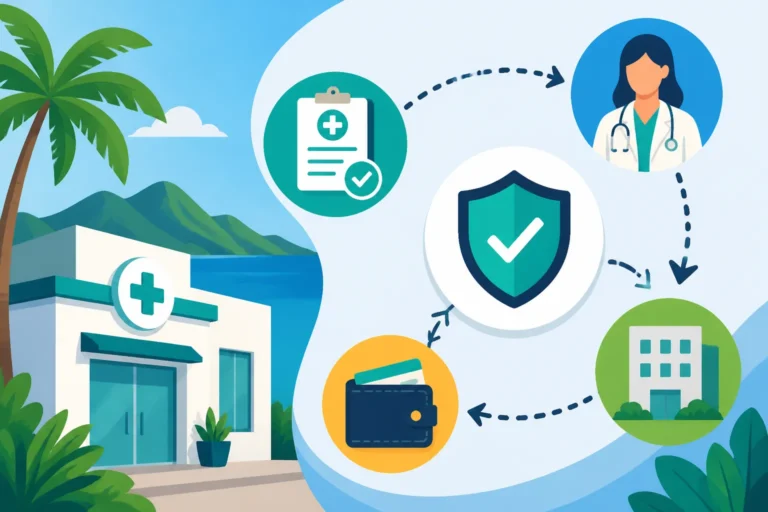
Start by figuring out your insurance. If you've just moved, you might be in a temporary limbo. This is where options like SafetyWing can be incredibly helpful. They offer travel medical insurance that can cover you for unexpected illnesses or accidents while you're still getting your long-term local health insurance in Puerto Rico sorted. This kind of bridging coverage can provide immense peace of mind, ensuring that if something does come up during your initial adjustment period, you're not left completely exposed financially.
Primary Care Doctors as Your Gateway
The absolute first step is to find and register with a primary care doctor in Puerto Rico. This individual will be your anchor in the healthcare system. They're the ones who will order your initial screenings, interpret the results, and refer you to specialists if needed. Don't just pick the first name you see; ask for recommendations from other expats, join local online groups, or use your insurance provider's directory to find someone who accepts your plan and whose office is conveniently located. Many doctors in urban areas like San Juan or Dorado are fluent in English, which can make a huge difference in communication.
When you have your first appointment, be prepared to discuss your full medical history. Bring any records you might have from the mainland, even if they're not perfectly organized. This initial consultation is vital for your doctor to understand your health profile and recommend the most appropriate screenings for you. Remember, building a relationship with your PCP takes time, but it’s an investment that pays off enormously in your overall well-being.
Understanding Costs and Insurance Coverage
Healthcare costs in Puerto Rico can vary, and understanding your insurance coverage is paramount. Even with good insurance, you'll likely encounter co-pays, deductibles, and premiums. For basic health screenings ordered by your PCP, many insurance plans will cover them fully as preventative care, especially for common items like annual physicals and certain blood tests. However, it’s always best to check with your specific plan before any appointment.
If you don't have insurance yet, or if a particular screening isn't covered, you might be looking at out-of-pocket costs. A basic doctor's visit can cost anywhere from $50 to $150 or more, depending on the clinic and the doctor's specialty. Lab tests vary widely; a comprehensive blood panel might be a few hundred dollars. This is another area where temporary coverage like SafetyWing can offer a safety net, or at least provide some form of reimbursement for unexpected medical needs while you await your comprehensive local plan to kick in. Don’t hesitate to ask the doctor’s office or the lab for an estimate before proceeding with any non-emergency test. Being financially prepared helps reduce stress. For a deeper dive, check out The Cost of Healthcare in Puerto Rico: A Complete Breakdown for Newcomers (2026).
The Importance of Documenting Your Health History
As you get your screenings done, you're essentially building a new health narrative in Puerto Rico. Make sure you keep copies of all your results. Ask your doctor for printouts of lab work, imaging reports, and summaries of your visits. This documentation is crucial for several reasons. Firstly, it provides you with your own personal record, which is empowering. Secondly, it ensures continuity if you ever switch doctors or need to see a specialist. Lastly, should you ever need to travel off-island and require medical attention, having a concise summary of your recent health screenings can be invaluable.
While many clinics are moving towards electronic health records, having your own physical or digital copies acts as a fantastic backup. It also makes it easier to track changes over time and ensures you're an active participant in managing your health. This habit will serve you well as you navigate the intricacies of the local system, which, like any other, has its own quirks and preferences regarding patient records.
Practical Steps for Your Health Screening Journey
Now that you've got the 'why' and the 'what,' let's talk about the 'how.' Getting these screenings done doesn't have to be a daunting task. With a little planning and organization, you can smoothly integrate preventative health into your new Puerto Rico life. Remember, you're not alone in this; many of us expats have walked this path before you, learning as we go.
It’s about making a series of small, manageable steps. From the moment you decide to get screened to receiving your results, each stage is an opportunity to learn more about the Puerto Rico healthcare system and, more importantly, about your own health. The goal is to demystify the process and empower you to take charge.
Before Your Appointment: Preparation is Key
Before you even call to make an appointment for your first screening, gather your thoughts. Jot down any specific health concerns you have. Do you get frequent headaches? Are you worried about a family history of diabetes? Write it all down. Also, list any medications you're currently taking, including over-the-counter supplements. If you have any old medical records from the mainland, even if they're just a few key reports, compile them. It provides context for your new doctor.
When you call to schedule, make sure you confirm that they accept your insurance. Ask about any forms you might need to fill out beforehand, or if there's anything specific you need to bring. Sometimes, for certain blood tests, you might be required to fast overnight. Clarifying these details upfront will save you time and frustration later. Having all your ducks in a row makes the actual appointment much smoother and more productive. Don't forget to have your Puerto Rico ID or passport handy; What Documents Do I Need to See a Doctor in Puerto Rico? will give you a clear idea.
During and After: What to Expect and Follow-Up
During your appointment, don't be afraid to ask questions. If something isn't clear, whether it's about a procedure, a diagnosis, or a medication, speak up. You are your own best advocate. If you're struggling with Spanish, politely ask if the doctor or a staff member speaks English, or consider bringing a friend who can translate. Some clinics, especially in urban areas, will have bilingual staff readily available.
Once your screenings are complete, your doctor will discuss the results with you. This is an important conversation. Understand what the results mean for your health. Are there any follow-up tests recommended? Do you need to see a specialist? Make sure you understand the next steps. Sometimes, the doctor might refer you to a lab for blood work or to another facility for imaging tests. Navigating the Puerto Rico Healthcare System: A Newcomer's Roadmap (2026) can help you understand the referral process. Don't forget to ask when and how you'll receive your results – some clinics call, others have patient portals, and some might require you to pick up physical copies. Proactive follow-up ensures no important information falls through the cracks.
Here's a quick overview of some common health screenings and their general recommendations:
| Screening Type | What It Checks For | General Frequency | Who Should Get It? |
|---|---|---|---|
| Annual Physical | Overall health, blood pressure, weight, general well-being | Annually | All adults |
| Blood Pressure | Hypertension (high blood pressure) | Annually (or more) | All adults |
| Cholesterol Panel | High cholesterol, heart disease risk | Every 4-6 years (ages 20+) | All adults, more frequently with risk factors or age |
| Blood Glucose | Diabetes and pre-diabetes | Every 3 years (ages 45+) | All adults, earlier with risk factors |
| Cervical Cancer (Pap) | Cervical cancer in women | Every 3-5 years (ages 21-65) | Women, per doctor's advice |
| Mammogram | Breast cancer in women | Every 1-2 years (ages 40-50+) | Women, per doctor's advice |
| Colorectal Cancer | Colon and rectal cancer | Every 10 years (ages 45+) | All adults, earlier with risk factors |
| Skin Check | Skin cancer (moles, lesions) | Annually | All adults, especially with sun exposure or history of burns |
| Dental Check-up | Oral health, cavities, gum disease | Annually | All adults and children |
This table is a general guide, and your doctor will always provide personalized recommendations based on your unique circumstances. But it gives you a good idea of the spectrum of preventative care available. Taking charge of your health screenings is a vital part of making Puerto Rico not just your new home, but a healthy home.
Disclaimer
The information provided in this article is intended for general informational purposes only and does not constitute medical advice. It is essential to consult with a qualified healthcare professional for any health concerns or before making any decisions related to your health or treatment. Healthcare regulations, costs, and availability of services can change rapidly in Puerto Rico. Always verify information with local authorities and healthcare providers.