How Do I Find an Optometrist or Eye Doctor in Puerto Rico?
When you first arrive in Puerto Rico, whether for a visit or a permanent move, one of the many little stressors that pops up is figuring out how to navigate specialized medical care. Finding a good eye doctor, an optometrist, or an ophthalmologist, can feel like a daunting task when you're not familiar with the local healthcare system, the language, or even where to begin looking. This guide is here to walk you through the process, offering practical advice and insights from someone who's been there, making sure your vision care needs are met without unnecessary headaches.
Understanding the Landscape of Eye Care Professionals in Puerto Rico
The first hurdle often comes with understanding the different types of eye care professionals available and what services they offer here in Puerto Rico. It’s not drastically different from the mainland US, but knowing the nuances can save you time and ensure you get to the right specialist from the start.
Optometrists (Optómetras) vs. Ophthalmologists (Oftalmólogos)
Just like in the States, Puerto Rico has both optometrists and ophthalmologists, each serving distinct but sometimes overlapping roles in eye care.
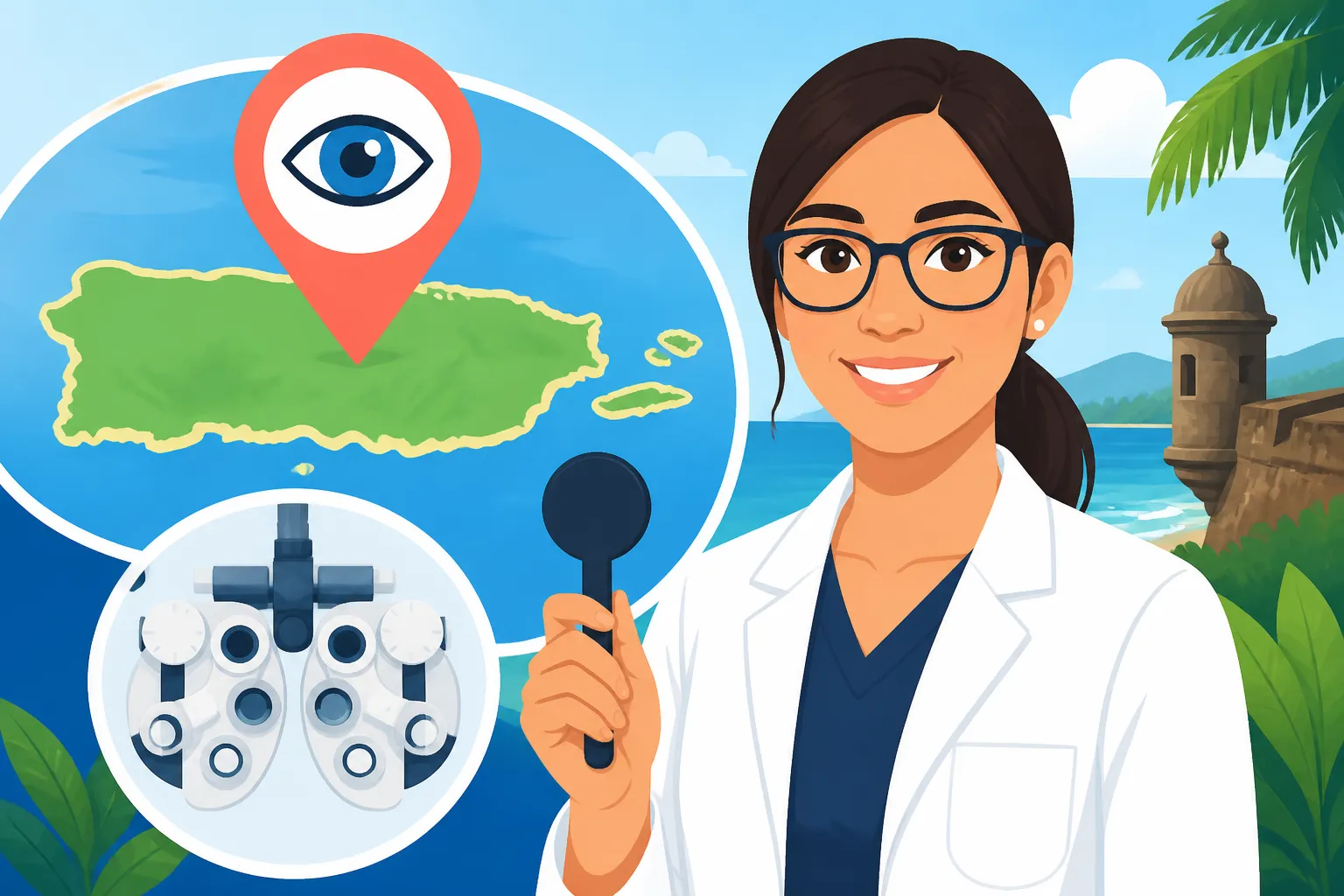
Optometrists, or optómetras in Spanish, are your primary eye care providers. They are trained to perform comprehensive eye exams, diagnose common vision problems and eye diseases, prescribe glasses and contact lenses, and offer pre- and post-operative care for certain eye surgeries. For routine check-ups, updating your prescription, or addressing minor eye irritations, an optometrist is typically your first stop. You’ll find them in private practices, optical shops, and sometimes even in larger medical clinics. The good news is that for most routine needs, getting an appointment with an optometrist is usually straightforward and doesn’t require a referral, especially if you’re paying out-of-pocket or your insurance plan allows direct access to specialists.
Ophthalmologists, or oftalmólogos, on the other hand, are medical doctors who specialize in eye and vision care. They have completed medical school and undergone extensive residency training in ophthalmology. This means they are qualified to perform eye surgery, treat more complex eye diseases, and manage serious conditions like glaucoma, cataracts, and retinal disorders. If your optometrist detects a more serious issue that requires surgical intervention or advanced medical management, they will refer you to an ophthalmologist. You'll typically find ophthalmologists associated with hospitals or larger multi-specialty clinics, particularly in metropolitan areas like San Juan, Ponce, or Mayagüez. Getting an appointment with an ophthalmologist often requires a referral from a primary care doctor or an optometrist, especially if you're using a local health insurance plan.
Public vs. Private Eye Care Services
Puerto Rico offers a mix of public and private healthcare options, and eye care is no exception. Understanding where to go depends heavily on your insurance, budget, and urgency.
Private clinics and optical centers are abundant, especially in urban areas. These facilities often boast newer equipment, shorter wait times, and a wider selection of frames and contact lens brands. Many private practices have English-speaking staff, which can be a huge relief if your Spanish isn't quite up to medical terminology. If you have private health insurance in Puerto Rico, such as plans from Triple-S, MCS, or MMM, or even certain mainland plans that offer coverage here, you'll likely use these private networks. The level of care is generally excellent, but costs can add up if you don't have adequate insurance coverage, or if your plan has high deductibles and co-pays. When you're assessing your health coverage in Puerto Rico, always double-check the specifics of your vision benefits.
The public health system, primarily through the Plan de Salud del Gobierno (often referred to as the Vital Plan), also provides eye care services. These are typically accessed through Centros de Diagnóstico y Tratamiento (CDTs) – Diagnostic and Treatment Centers – or larger regional hospitals. While the care is often subsidized or free for eligible residents, you might encounter longer wait times for appointments and a more limited selection of optical products. The staff might also be less likely to be fluent in English. If you qualify for the Vital Plan, this can be a viable option, but be prepared for a different patient experience compared to private clinics. It’s a good idea to understand the full scope of what's covered under the Understanding the Vital Plan (Government Health Plan) in Puerto Rico (2027) if you are considering this route.
Practical Steps to Finding an Eye Doctor in Puerto Rico
Now that you have a better grasp of the landscape, let's get down to the practical steps of actually finding an eye doctor. It can feel like a treasure hunt at times, but with a systematic approach, you'll be seeing clearly in no time.
Leveraging Your Health Insurance Network
Your health insurance is usually your best starting point. Whether you have a local Puerto Rico plan, a mainland US plan that extends coverage, or even travel insurance like SafetyWing, understanding its network is crucial.
Most local insurance providers, such as Triple-S Salud, MCS Healthcare Holdings, and MMM Healthcare, have online provider directories. Navigating these can be a bit clunky, but they are generally reliable for finding in-network optometrists and ophthalmologists. When you visit their websites, look for a "Provider Search" or "Find a Doctor" section. You'll usually be able to filter by specialty (Optometry or Ophthalmology) and location. Don't be shy about calling the clinics directly listed to confirm they accept your specific plan and to inquire about appointment availability and whether they have English-speaking staff. It’s a sad reality that online directories aren’t always perfectly up-to-date, so a quick call can save you a wasted trip. For those still How to Get Health Insurance When You Move to Puerto Rico, this step is paramount once your plan is active.
If you're still on a mainland US health insurance plan that claims to offer coverage in Puerto Rico, this can get a bit trickier. Some PPO plans might offer out-of-network benefits, but it's essential to confirm the specifics for vision care. Call your insurance provider before seeking care to understand your coverage, reimbursement process, and if any local providers are considered in-network or preferred. Keep detailed records of your calls and conversations. For tourists or temporary residents, travel insurance like SafetyWing often includes some emergency medical coverage, but routine eye exams or new glasses might not be covered. Always check your policy details carefully, and if in doubt, contact their customer service before making an appointment.
Online Resources and Local Directories
Beyond insurance directories, the internet is your friend, but you need to know where to look.
- Google Maps and Google Search: These are probably your go-to for initial searches. Type "optometra San Juan" or "eye doctor Ponce" to get a list of practices in your area. Pay close attention to reviews, as they often mention things like wait times, staff friendliness, and whether English is spoken. Look for clinics with a good number of recent positive reviews.
- Local Health Directories: Some local health portals or associations, like the Colegio de Optómetras de Puerto Rico (Puerto Rico Optometrists Association), might have a public directory of licensed professionals. While these might not be user-friendly for English speakers, they can provide a list of verified practitioners.
- Facebook Groups and Expat Forums: Seriously, these communities are invaluable. Search for "Expats in Puerto Rico" or "Puerto Rico Healthcare" groups on Facebook. Post a question asking for recommendations for an English-speaking optometrist or ophthalmologist in your area. You'll often get candid, real-world advice and referrals from people who’ve navigated the same system. This can be particularly helpful for finding an How to Find an English-Speaking Doctor in Puerto Rico.
Word-of-Mouth and Expat Communities
Never underestimate the power of local recommendations. Once you’ve settled in a bit, talk to your neighbors, colleagues, or other expats you meet. Someone always has a "guy" or "gal" who is great and comes highly recommended.
For many expats, finding a doctor who speaks English is a top priority, not just for comfort but for ensuring clear communication about something as vital as your vision. Locals are often very friendly and willing to share their experiences. A personal recommendation often carries more weight than an online review, especially when dealing with healthcare. Ask if the doctor and their staff are bilingual, how efficient the office is, and what their payment process is like. This is particularly useful when choosing any specialist, so remember this tip when you're also wondering How Do I Get a Specialist Referral in Puerto Rico?.
Important Considerations for Expats and Tourists
As a newcomer or a visitor, there are a few extra layers of consideration when seeking eye care in Puerto Rico. These can often be the source of frustration, but being prepared can mitigate the stress.
Language Barrier and Communication
Ah, the language barrier – a classic expat challenge. While many healthcare professionals in Puerto Rico, especially in urban centers and private clinics, are bilingual, it's not a guarantee. Don't assume everyone will speak fluent English. For routine eye exams, this might not be a huge issue, but if you have a complex condition or need to discuss intricate details about your vision, communication is key.
Before booking an appointment, always ask if the optometrist or ophthalmologist, and at least some of their front office staff, are comfortable communicating in English. If they aren't, consider bringing a friend or family member who can translate for you. Google Translate can be a lifesaver for simple phrases, but it's not ideal for nuanced medical discussions. There's nothing worse than feeling misunderstood when it comes to your health.
Cost, Payment Options, and Insurance Nuances
The cost of eye care in Puerto Rico can vary widely depending on whether you use private clinics, optical shops, or the public system, and, of course, your insurance.
For a routine eye exam without insurance, you might expect to pay anywhere from $40 to $100 for an optometrist. This generally doesn't include the cost of frames, lenses, or contact lenses. Specialist visits to an ophthalmologist can be higher. Glasses and contact lenses can range from affordable to premium, similar to prices on the mainland, depending on brands and features. If you need special tests or procedures, the costs can escalate quickly. Understanding Co-Pays, Deductibles and Premiums in Puerto Rico is crucial to budgeting for these.
It's common for clinics, especially smaller private ones, to require payment upfront or at the time of service. They might then provide you with a receipt that you can submit to your insurance for reimbursement. Always clarify payment expectations when you make your appointment. Most places accept credit cards, and local debit cards (ATH) are widely used. If you're relying on travel insurance, such as SafetyWing, you'll almost certainly pay out-of-pocket and then submit a claim for reimbursement. Keep all receipts and documentation diligently. Ensure you fully understand your travel insurance's optical benefits before relying on it for anything beyond emergency care.
What to Bring to Your Appointment
Being prepared can make your visit much smoother. Here’s a checklist of items to bring to your eye doctor’s appointment:
- Photo ID: Your driver’s license or passport.
- Insurance Card: Your physical or digital health insurance card.
- Previous Eye Records: If you have them, especially if you have a complex history or current medications.
- Current Glasses/Contact Lenses: Bring your current pair of glasses and, if you wear contacts, a box or your prescription details.
- List of Medications: Any prescription or over-the-counter medications you’re currently taking.
- Questions: Write down any questions or concerns you have about your vision or eye health.
- Translator: If you anticipate a language barrier and haven't confirmed English-speaking staff.
Common Eye Conditions and Services Available
Once you find an eye doctor, what kind of services can you expect? The range of care is comprehensive, covering everything from basic vision correction to more advanced medical and surgical treatments. Knowing what’s available can help you communicate your needs effectively.
Routine Eye Exams and Vision Correction
For most people, the primary reason to visit an eye doctor is for a routine check-up and to update their prescription for glasses or contact lenses. These exams typically include:
- Visual Acuity Test: Reading an eye chart to measure your vision.
- Refraction Test: Determining the precise prescription needed for corrective lenses.
- Eye Health Check: Examination for signs of common eye diseases like glaucoma, cataracts, and macular degeneration. This might involve dilating your pupils, so arrange for a ride home if you don’t want to drive with blurry vision.
- Pressure Test: Checking for signs of glaucoma, a common concern as we age.
Many optical shops are co-located with optometrists, making it convenient to get an exam and then select new frames or order contact lenses all in one visit.
Addressing Eye Health Issues and Emergencies
If you experience sudden vision changes, eye pain, redness, or discharge, it’s important to seek care promptly. Optometrists can diagnose and treat many common eye conditions, such as:
- Conjunctivitis (Pink Eye): Bacterial or viral infections causing redness and irritation.
- Allergies: Eye allergies are common in Puerto Rico due to pollen and other environmental factors.
- Styes: Red, painful bumps on the eyelid.
- Dry Eye Syndrome: A prevalent issue, especially in drier or air-conditioned environments.
For more serious issues, like flashes of light, floaters, or sudden loss of vision, an optometrist will likely refer you to an ophthalmologist who can perform more specialized diagnostics and interventions. In true emergencies, like an eye injury, you would head to an emergency room at a hospital, which are equipped to handle immediate trauma. The general advice provided in Emergency Medical Care in Puerto Rico: What Every Resident Needs to Know also applies to eye-related emergencies.
Optometrist and Eye Doctor Checklist
To help you keep track of what to ask and consider, here's a handy table:
| Consideration | Optometrist (Optómetra) | Ophthalmologist (Oftalmólogo) |
|---|---|---|
| Primary Focus | Routine eye exams, vision correction, common eye diseases | Complex eye diseases, surgery, advanced medical management |
| Referral Needed? | Usually not for routine care | Often required by insurance/for specialized conditions |
| Typical Location | Private clinics, optical shops, some medical centers | Hospitals, large medical centers, specialized clinics |
| English-Speaking Staff | Common in private clinics (always confirm) | Common in private clinics (always confirm) |
| Average Cost (Self-Pay) | $40 – $100 for exam (without glasses/contacts) | Higher, varies by procedure/consultation |
| Insurance Acceptance | Varies by clinic/plan (confirm in-network) | Varies by clinic/plan (confirm in-network) |
| Wait Times | Generally shorter for routine exams | Can be longer for specialists, especially without referral |
| Emergency Care | Initial assessment, referral to ER/Ophthalmologist if severe | Direct treatment for severe conditions/injuries |
Conclusion and Next Steps
Finding an optometrist or eye doctor in Puerto Rico, like many aspects of settling in, requires a bit of research, some patience, and often a willingness to ask for help from local communities. Start with your insurance network, explore online resources, and don't hesitate to tap into the invaluable knowledge of expat groups. Remember to clarify language capabilities, understand payment processes, and bring all necessary documentation to your appointment. With a clear plan, you'll navigate the local eye care system successfully and keep your vision in top shape while enjoying your life on the island. For a broader overview, take a look at The Complete Guide to Healthcare in Puerto Rico for New Residents (2027) to understand how this fits into the larger picture of your health needs.
Disclaimer
The information provided in this article is for general informational purposes only and does not constitute medical advice. While we strive to offer accurate and up-to-date guidance, healthcare systems and regulations can change. Always consult with a qualified healthcare professional or your insurance provider for personalized advice regarding your specific medical conditions, treatments, and insurance coverage in Puerto Rico.