Are Generic Medicines Available in Puerto Rico Pharmacies?
One of the biggest worries when you pack up your life and move to a new place like Puerto Rico, beyond finding a great chinchorro or a reliable internet provider, is definitely how you’re going to handle your healthcare needs. And when it comes to medications, a common and very valid concern I hear from newcomers is whether generic medicines are actually available and affordable on the island. This guide is going to walk you through exactly what to expect with generic prescriptions here, so you can breathe a little easier knowing your health won't break the bank.
The Foundation of Generic Medications in Puerto Rico
Moving to a new place always brings a host of questions, and a big one for many of us is about healthcare, specifically the availability and cost of prescription medications. It’s a huge relief to know that, yes, generic medicines are not just available in Puerto Rico, but they are a cornerstone of the island's pharmaceutical landscape, just like on the mainland U.S. This isn't some backwater system; it's a mature, well-integrated part of the U.S. healthcare infrastructure, with its own unique flavor, of course.
Dispelling Myths: Are Generics Available?
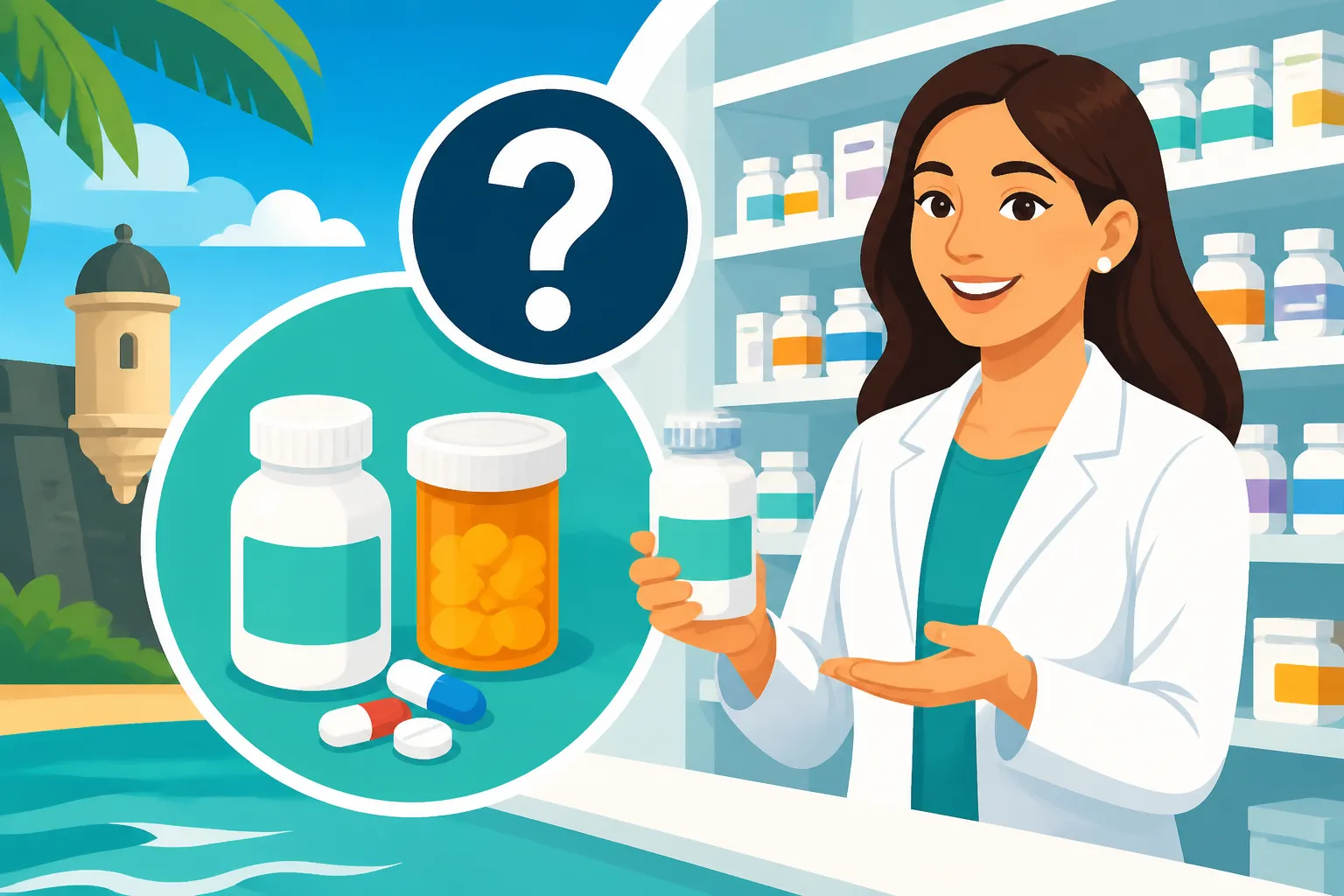
Let's cut right to the chase: yes, generic medications are widely available in Puerto Rico pharmacies. This is a massive relief for anyone worried about continuity of care or exorbitant costs. When you walk into a farmacia here, whether it’s a big chain or a small, independent spot, you'll find shelves stocked with generic versions of most common prescription drugs. The Puerto Rico Department of Health, in conjunction with federal regulations, ensures that generic alternatives meet the same stringent quality, safety, and effectiveness standards as their brand-name counterparts. They're chemically identical, just often much cheaper.
The initial thought might be, "Is it really the same?" And the answer is a resounding yes. The regulatory environment for pharmaceuticals in Puerto Rico largely mirrors that of the mainland U.S., meaning that generic drugs approved for use here have gone through the same rigorous testing and approval processes by the FDA. So, if you're taking a generic back home, chances are you'll find the same, or an equivalent, here. This can certainly help when you're trying to Understand the Difference Between Mainland and Puerto Rico Health Plans and figure out how your coverage translates.
The Legal Framework for Generics
The legal and regulatory framework governing generic medications in Puerto Rico is deeply intertwined with that of the United States. This means that the rigorous standards set by the U.S. Food and Drug Administration (FDA) for drug approval, manufacturing, and distribution apply directly to Puerto Rico. You're not stepping into a wild west of unregulated pharmaceuticals; quite the opposite. When a generic drug is approved for sale in Puerto Rico, it means it has been shown to be bioequivalent to its brand-name version, meaning it works the same way and provides the same clinical benefit.
This robust framework is incredibly important for patient safety and confidence. It means that the ibuprofen, metformin, or atorvastatin you get here, while possibly packaged differently or from a different generic manufacturer, will perform just as effectively as what you were used to. Pharmacists here are highly trained and adhere to strict guidelines regarding generic substitution, often automatically dispensing the generic unless explicitly requested otherwise by the prescriber or patient, or if a specific brand-name drug is medically necessary. This transparency and regulation provide a vital layer of protection and assurance for new residents trying to Navigate the Puerto Rico Healthcare System: A Newcomer's Roadmap (2026).
Why Generics Matter for Expats
For us expats, especially those navigating a new cost of living landscape, generics aren't just an option; they're often a financial lifeline. Healthcare costs can be a significant concern, and prescription medications can add up quickly. Opting for generics can drastically reduce your out-of-pocket expenses, even if you have comprehensive health insurance. This is particularly true if you have a high-deductible plan or if you're managing a chronic condition that requires daily medication.
Imagine moving here and suddenly realizing your monthly medication bill has quadrupled because you're unknowingly purchasing brand-name drugs. That's a scenario generics help you avoid. They ensure that essential treatments remain accessible and affordable, allowing you to allocate your budget to other important aspects of settling into your new life, whether it’s enjoying a mofongo or exploring the beautiful beaches. Plus, it just adds peace of mind knowing you have options when it comes to managing your health without constant financial stress. Understanding this can significantly impact your overall Cost of Healthcare in Puerto Rico: A Complete Breakdown for Newcomers (2026).
Navigating Pharmacies and Prescriptions
So, you're here, you have a prescription, and you need to get it filled. What's next? Navigating the local pharmacy scene is quite similar to the mainland, but with a few local twists that are good to know. Don't worry, it's not nearly as intimidating as setting up your first LUMA account, I promise!
Finding Pharmacies That Stock Generics
Just like anywhere else, Puerto Rico has a mix of large chain pharmacies and smaller, independent farmacias. The good news is that both generally stock a wide range of generic medications. You'll find familiar names like Walgreens and CVS scattered across the island, especially in urban and suburban areas like San Juan, Caguas, and Ponce. These chains operate much like their mainland counterparts, with readily available generic options for most prescriptions. Many even have drive-thru windows, which is a lifesaver on a rainy day or if you're not feeling well.
Beyond the big chains, you'll also encounter numerous local independent pharmacies. These can be absolute gems, often providing more personalized service, and sometimes, even more competitive pricing on certain generics. Don't hesitate to check out a local farmacia near you. You might find that they develop a relationship with you, remembering your name and your regular medications, which can be a comforting touch in a new place. I've often found that the smaller spots are more willing to go the extra mile to order a less common generic if it's not in stock. Many people refer to Prescription Medications and Pharmacies in Puerto Rico: The Complete Guide for even more details on this topic.
Understanding Prescription Requirements
When you visit a doctor in Puerto Rico, whether it's for a routine check-up or something more urgent, they will write you a prescription. The format is generally similar to what you’re used to – a written script or an electronic prescription sent directly to your chosen pharmacy. If you’re coming from the mainland U.S., your existing prescriptions might not be directly honored by a Puerto Rico pharmacy without a local doctor’s authorization. This is not uncommon and is mainly a safeguard to ensure you’re getting proper medical oversight on the island. You'll definitely want to get registered with a local primary care doctor soon after arriving. If you're wondering What Documents Do I Need to See a Doctor in Puerto Rico?, be sure to check out that guide.
For controlled substances, the regulations are even stricter, mirroring federal guidelines. You’ll almost always need a new prescription from a local licensed physician. My advice? When you see your new doctor here, bring a list of all your current medications, including dosages and frequencies. They can then issue new, local prescriptions, often starting with generics unless there's a specific medical reason for a brand-name drug. Always ask your doctor if a generic is available and appropriate for your condition.
Potential Challenges and Solutions
While generics are prevalent, there can be a few minor hiccups. Sometimes, a very specific generic manufacturer or dosage you were accustomed to on the mainland might not be immediately available at every pharmacy. This isn't usually a big deal, as pharmacists can often find an equivalent or suggest a nearby pharmacy that has it.
Language Barrier: This can be a concern for some. While many pharmacists and pharmacy technicians, especially in the larger chains and tourist areas, speak English, it’s not guaranteed. Don't let this deter you! Most are incredibly patient and willing to help. A simple phrase like "medicina genérica" (generic medicine) or showing them the generic name of your drug can go a long way. If you’re really struggling, try to bring a Spanish-speaking friend or use a translation app. This is also where finding an How to Find an English-Speaking Doctor in Puerto Rico can make a huge difference in your overall healthcare experience.
Out of Stock Situations: Just like anywhere, pharmacies can occasionally run out of stock for certain medications. If this happens with your generic, the pharmacist is usually your best resource. They can tell you when they expect more, or if another nearby branch or an independent pharmacy has it. Always ask, don't assume you're out of luck.
Cost-Saving and Insurance Considerations
One of the primary benefits of generic medications, no matter where you are, is the significant cost savings. In Puerto Rico, this is no different, and it's a crucial factor for anyone managing their budget on the island.
How Generics Impact Your Budget
Let’s talk money. Generic drugs are almost always substantially cheaper than their brand-name counterparts. This isn't because they're inferior; it's because the generic manufacturers don't have to shoulder the enormous costs of initial drug research, development, and marketing. They just need to prove their drug is bioequivalent. For you, this translates into direct savings, often 80-85% less than the brand-name version.
For instance, a common blood pressure medication might cost you $100 for the brand-name version, but only $10-$20 for the generic. Multiply that by several medications or chronic use, and you're looking at hundreds, if not thousands, of dollars in annual savings. These savings are real, and they can significantly free up your budget for other essentials or, let’s be honest, for more café con leche. When considering How Much Does Health Insurance Cost in Puerto Rico in 2026?, remember that the availability of generics will directly influence your out-of-pocket spending even with a good plan.
Health Insurance Coverage for Generics
Most health insurance plans in Puerto Rico, whether private or government-sponsored like the Understanding the Vital Plan (Government Health Plan) in Puerto Rico (2027), are designed to encourage the use of generic medications. They often place generics in a lower co-pay tier, meaning your out-of-pocket cost for a generic prescription will be much less than for a brand-name drug. Some plans even offer generics for free or for a minimal co-pay, especially for maintenance medications.
Before you even step foot in a farmacia, it's wise to fully understand your Health Insurance in Puerto Rico: Plans, Costs and Options Explained (2026). Review your plan’s formulary (the list of covered drugs) and its tiered co-pay structure. You'll likely find that generics are in Tier 1, offering the most affordable option. This strategic use of generics, combined with a good insurance plan, ensures that essential medical care remains within reach. You'll want to be familiar with Understanding Co-Pays, Deductibles and Premiums in Puerto Rico to maximize your savings.
Here’s a simplified comparison of potential costs you might encounter:
| Medication Type | Example Co-pay (Tier 1 – Generics) | Example Co-pay (Tier 2 – Preferred Brand) | Example Co-pay (Tier 3 – Non-Preferred Brand) |
|---|---|---|---|
| Common Generic Drug | $5 – $15 | N/A | N/A |
| Preferred Brand Drug | N/A | $30 – $60 | N/A |
| Non-Preferred Brand | N/A | N/A | $70 – $120+ |
| Specialty Drug | N/A | N/A | Often a percentage of cost (e.g., 20-30%) |
Note: These are illustrative examples. Actual co-pays and tiers vary widely depending on your specific health insurance plan.
Comparing Costs: Mainland vs. Puerto Rico
You might be wondering if generic prices in Puerto Rico are comparable to the mainland U.S. In my experience, and based on what many other expats have found, generic medication prices here are generally on par with, or often even lower than, what you might pay in many mainland states, especially without insurance or with a high deductible. The competitive market among pharmacies and the local regulatory environment help keep prices reasonable.
This can be a pleasant surprise for those accustomed to astronomical drug prices. For many, moving to Puerto Rico has actually led to a decrease in their overall medication expenses. Of course, individual drug prices fluctuate, so it’s always a good idea to call around to a few different pharmacies if you’re looking for the absolute best deal on a particular generic. Don't be shy about asking. It's your health and your wallet! For more context, you might want to read How Puerto Rico's Health System Works: Public vs Private Explained (2027).
Practical Tips for New Residents
Adjusting to a new healthcare system can feel like learning a new language, even when it's mostly familiar. Having a few practical tips up your sleeve can make the transition much smoother when it comes to managing your medications.
Communicating with Your Doctor and Pharmacist
Effective communication is your best friend when it comes to prescriptions. When you see your doctor in Puerto Rico, be proactive. Clearly state that you prefer generic medications whenever medically appropriate. Most doctors will understand and appreciate your proactive approach to managing healthcare costs. If you have a specific generic brand that works well for you, mention it, though be prepared that exact manufacturers might not always be available.
Similarly, when you drop off your prescription at the pharmacy, don't hesitate to ask, "¿Hay una versión genérica disponible?" (Is there a generic version available?) or simply, "Generic, please." Pharmacists are incredibly knowledgeable and can guide you through the options. They can also explain any differences you might notice, such as packaging or pill shape, which sometimes happens with different generic manufacturers. Building a good relationship with your pharmacist can be invaluable, as they are often the last line of defense in ensuring you get the right medication at a reasonable price. This kind of interaction is a key part of Understanding the Pharmacy System and Generic Drugs in Puerto Rico.
Essential Pharmacy Chains and Independent Options
As mentioned before, you'll find the big players here like Walgreens and CVS Pharmacy. They are plentiful, especially in metropolitan areas, and offer consistent service, digital prescription management (often via their apps), and generally good stock of generics. Many also have clinics for minor ailments, making them convenient one-stop shops.
However, don't overlook the independent farmacias. These can range from small, neighborhood storefronts to larger, locally owned pharmacies. They sometimes offer more flexibility, faster service (especially if you're not in a major rush), and often a more personal touch. They might also be more willing to special order medications for you. Exploring a few options near your home or workplace can help you find your go-to spot. For anyone relocating, understanding the full scope of The Complete Guide to Healthcare in Puerto Rico for New Residents (2027) will cover this and much more.
What to Do If Your Generic Isn't Available
It’s rare, but sometimes a specific generic might be temporarily out of stock or simply not available from any distributor on the island. Don't panic! Here's your action plan:
- Ask the Pharmacist for Alternatives: They are medical professionals and can suggest other generic versions, different manufacturers, or even a similar drug in the same class that your doctor could approve. They might also tell you when they expect a new shipment.
- Call Other Pharmacies: If your regular pharmacy is out, call a few others in the area, both chain and independent. It’s common for one to have stock when another doesn’t.
- Contact Your Doctor: If no generic alternative can be found after checking around, or if you need a different drug, contact your doctor. They might need to prescribe a brand-name equivalent (which could be more expensive) or a different medication entirely.
- Consider Mail Order (with caution): For some very specific, non-urgent medications, and depending on your insurance, mainland mail-order pharmacies might be an option, but this comes with significant caveats regarding local licensure and prescription validity. It's generally best to stick with local pharmacies and doctors for all your needs to avoid complications.
Remember, the goal is always to maintain continuity of care and ensure you have access to the medications you need. Generics make this process much more manageable and affordable for most new residents in Puerto Rico.
Disclaimer
The information provided in this article is intended for general guidance and informational purposes only, and does not constitute medical, legal, or financial advice. Healthcare regulations, availability, and costs can change. Always consult with qualified medical professionals, insurance providers, and legal advisors for advice tailored to your specific situation in Puerto Rico.