How Do I Register for the Puerto Rico DMV (CESCO)?
Oh, the infamous CESCO! If you’re new to Puerto Rico and facing the daunting task of getting your driver's license or registering your vehicle, you're likely bracing for a unique kind of administrative adventure. Many of us expats have been there, pulling our hair out over inconsistent information, long lines, and the sheer challenge of navigating a system that often feels designed to test your patience. This guide is here to cut through the confusion and give you a realistic, step-by-step roadmap to successfully register at the Puerto Rico Department of Transportation and Public Works (DTOP), known locally as CESCO.
Understanding CESCO: Your Gateway to Driving in Puerto Rico
Moving to a new place always brings a laundry list of administrative chores, and sorting out your driving credentials in Puerto Rico is undoubtedly one of the big ones. For many of us, the local equivalent of the DMV, known as CESCO (Centro de Servicios al Conductor), can feel like a labyrinth. But trust me, understanding its role and preparing adequately will save you a world of stress.
What is CESCO and Why It Matters?
CESCO stands for "Centro de Servicios al Conductor," which translates to "Driver Services Center." It's the agency under the Department of Transportation and Public Works (DTOP) responsible for everything related to driver's licenses, vehicle registration, vehicle inspections, and all the associated paperwork here on the island. Think of it as the central hub for your legal driving life in Puerto Rico. If you plan to drive, register a car, or simply obtain a local ID, CESCO is where you'll be spending some quality time.
For newcomers, CESCO matters immensely because without proper registration, your ability to legally operate a vehicle or even prove local residency can be severely hampered. While your mainland U.S. driver's license is generally valid for a period for visitors, as a bona fide resident, you'll need to transfer it to a Puerto Rico license. Similarly, any vehicle you bring to the island, or purchase here, must be properly registered with CESCO to avoid hefty fines or legal issues. It's not just a formality; it's a critical step in truly establishing your life and mobility here.
Common Challenges Newcomers Face at CESCO
Let's be real: CESCO can be challenging. I've heard countless stories, and experienced a few myself, of the unique hurdles expats encounter. The most common frustrations include excruciatingly long wait times, which can sometimes stretch for hours even with an appointment. There's also the language barrier; while many CESCO employees are bilingual, you might encounter situations where Spanish is preferred, leading to miscommunications if your Spanish isn't quite up to par.
Another significant challenge is the inconsistency of information. You might hear one set of requirements from a friend, another from an online forum, and then be told something entirely different when you actually show up at CESCO. This often stems from a lack of centralized, consistently updated online resources, and sometimes, varying interpretations of rules by individual agents. For instance, the exact documentation needed for proof of address can sometimes feel like a moving target.
This is where your patience and preparedness become your superpowers. Imagine spending half a day waiting, only to be told you're missing a single, obscure document. It’s enough to make you want to throw your hands up in despair! That’s why coming armed with every possible document, and then some, is crucial. It’s also why services like Sirelo, which provide general relocation advice, are so valuable because understanding the bigger picture of moving helps frame these smaller, but equally important, administrative tasks.
Essential Documents for Your CESCO Visit
Preparing your documents for CESCO is like packing for a hurricane: you always bring more than you think you need. The key here is not just having the documents, but having the originals and several copies of everything. Believe me, they love copies.
Personal Identification and Residency Proof
First up, your personal details. You'll need original forms of identification, and usually, that means your original birth certificate. If your name has changed due to marriage, bring your original marriage certificate as well to link your birth name to your current legal name. Of course, your Social Security card is absolutely non-negotiable.
Proving your bona fide residency is where it can get a little tricky, especially if you're newly arrived. CESCO needs to see that you truly live here. This usually involves recent utility bills (electricity from LUMA Energy, water from AAA, or even internet bills) in your name, showing your Puerto Rico address. A signed lease agreement, or if you own property, a copy of your deed, can also serve as proof of domicile. Sometimes, they might even ask for a bank statement from a local institution like Banco Popular or Oriental Bank.
Remember, establishing Bona Fide Residency in Puerto Rico: The Definitive Tax Guide (2027) goes beyond just physical presence; it’s about demonstrating a "closer connection" to the island. While CESCO primarily looks for utility bills and official documents, keeping track of your overall residency narrative is always a good idea, as it can occasionally come up in unexpected ways. If you've just arrived and don't have a utility bill in your name yet, sometimes a notarized letter from your landlord confirming your tenancy, along with their utility bill, can work, but this is one of those areas where consistency can vary.
Vehicle-Specific Documentation
If your CESCO visit is about registering a vehicle, prepare for another stack of papers.
If you're bringing a car from the mainland, you'll need the original vehicle title, the bill of sale (if you recently purchased it), and proof that you’ve paid any required import declaration fees. This process, often handled by a customs broker or shipping company, can be complex, so ensure all those forms are in order. And for the love of all that is bureaucratic, make sure the name on your title matches your ID perfectly. Any discrepancy, even a tiny one, can send you home empty-handed.
For those purchasing a vehicle directly here on the island, whether new from a dealership or used from a private seller, you’ll need the original bill of sale or purchase agreement. The dealership usually handles a lot of the initial paperwork for new cars, including ensuring the initial sales and use tax (IVU) is paid, but you'll still need to bring all their provided documents. For a used car from a private seller, you'll need the original title, signed over to you, and a receipt for the transaction. Don't forget proof of insurance from the Accident Compensation Administration (ACAA), which is mandatory. Many private insurance companies, like those offering Cigna Global health plans, also offer vehicle insurance, so make sure you secure that first!
After registration, your vehicle will be issued a marbete, which is the annual registration sticker. This sticker also certifies that your vehicle has passed its required inspection. It’s typically displayed on your windshield and is a visible sign of compliance. Keep all these documents – title, registration, and proof of inspection – in your car at all times. Seriously, traffic stops happen, and you want to be prepared. For more specific details, you can dive into How to Register and Title a Vehicle (DTOP/CESCO) in Puerto Rico.
Navigating the CESCO Process: Step-by-Step
Alright, documents in hand, deep breaths taken, now it's time for the actual visit. Going to CESCO doesn't have to be a nightmare if you know what to expect and you've done your homework.
Making an Appointment and Online Resources
In an attempt to streamline the process, CESCO offers an online appointment system, "CESCO Citas." This sounds wonderful in theory, and sometimes it works beautifully! You go to their website, select the service you need, choose a date and time, and get a confirmation. I highly recommend trying this first. It can significantly reduce your wait time. However, be aware that slots fill up quickly, and sometimes the system itself can be… temperamental. Don't be surprised if you have to try multiple times or at different hours to snag an appointment.
Always, always double-check the official DTOP website (dtop.pr.gov) or the SURI portal (Sistema Unificado de Rentas Internas, which also handles some vehicle-related taxes) for the most current information regarding required documents, operating hours, and whether their appointment system is functioning smoothly. Rules and requirements can change, and what was true last year might not be today. Many expats have learned the hard way that relying solely on word-of-mouth can lead to a wasted trip.
If you can't get an appointment, or if your situation is urgent, some CESCO locations still accommodate walk-ins. However, this is where those infamous long wait times really come into play. Arrive as early as possible – I mean, before they even open the doors. Bring a book, fully charged phone, snacks, and a healthy dose of patience.
What to Expect During Your CESCO Visit
When you finally arrive at CESCO, whether by appointment or as an early bird walk-in, the process generally follows a pattern. First, you'll check in, often at a reception desk where they'll verify your appointment or direct you to the appropriate line for walk-ins. You’ll get a ticket with a number, and then the waiting game begins. This is a good time to review your documents one last time.
When your number is called, you'll approach a window where an agent will review your documents. This is the moment of truth. They will meticulously check everything. Be polite, clear, and don't get flustered if they ask for something you didn't expect. If you’re transferring a mainland license, they might conduct a brief eye exam or ask you to take a written test (though for direct transfers, this is less common for U.S. citizens). You might also need to pay various fees, so make sure you have cash or a debit/credit card ready.
Here are a few tips for a smoother experience:
- Arrive Early: Even with an appointment, getting there 15-30 minutes early can help.
- Bring All Originals AND Copies: I cannot stress this enough. Have a neatly organized folder.
- Be Polite and Patient: A smile and a good attitude go a long way. The agents are people too, and they deal with a lot.
- Bring a Pen: You'll likely need to fill out forms on the spot.
- Consider a Gestor: For those who prefer to avoid the hassle, a gestor (a local facilitator or expediter) can handle the process for you for a fee. While it might cost you a bit, for some, the time and stress saved are well worth it. Just make sure to choose a reputable one.
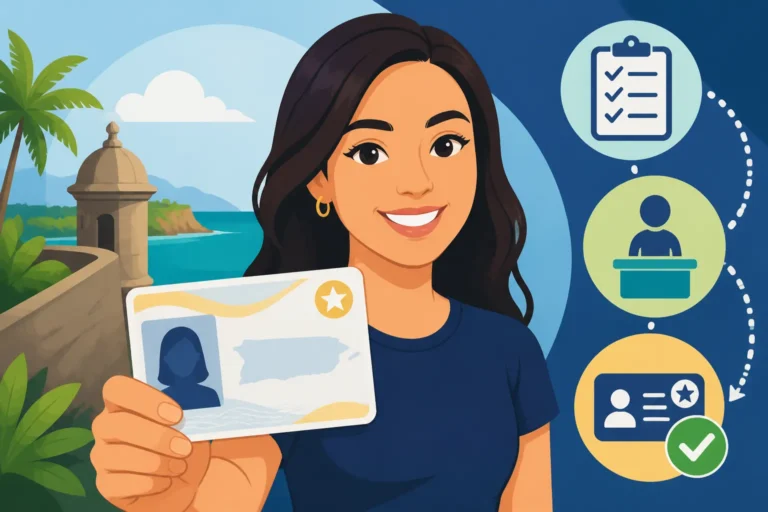
Once everything is approved and payments are made, you'll often proceed to a separate area for your photo and fingerprinting for your driver's license. Then, usually, you walk out with your new Puerto Rico ID or license in hand. It’s a moment of triumph, believe me!
Post-Registration and Ongoing Vehicle Compliance
Getting through CESCO is a huge milestone, but your responsibilities don't end there, especially concerning your driver's license and vehicle. It's about ongoing compliance to stay on the right side of the law.
Understanding Your Puerto Rico Driver's License
Once you have your shiny new Puerto Rico driver's license, you'll notice it looks quite similar to those issued on the mainland, often featuring Real ID compliance if you’ve provided the necessary proofs. This means it can be used for federal identification purposes, like boarding domestic flights. Make sure you understand its expiration date, which is typically tied to your birthday and needs to be renewed every four or six years.
Renewing your license usually involves another trip to CESCO, but it's generally a simpler process than the initial transfer, assuming all your information is current and you don't have any outstanding issues. You might just need an updated photo and a quick vision test. Be sure to check the specific requirements for renewal well in advance, so you're not caught off guard. For a deeper dive into this, check out How Do I Get a Puerto Rico Driver's License?.
Annual Vehicle Registration and Inspections
Your vehicle's marbete (registration sticker) is like its annual passport. You’ll need to renew it every year. The renewal process for the marbete usually involves paying a fee and demonstrating that your vehicle has passed its annual safety and emissions inspection.
Vehicle inspections are mandatory here. You can get your car inspected at various authorized inspection stations (often mechanic shops or specialized centers) located across the island. These stations are privately run but certified by DTOP. They'll check things like your brakes, lights, tires, and emissions. Once your vehicle passes inspection, you'll receive a certificate which you then take to CESCO (or a collection center, often a bank or cooperative) to purchase your marbete. Some banks, like Cooperativa Sagrada Familia, offer marbete renewal services, which can be a real time-saver!
Important Note: Don't let your marbete expire! Driving with an expired marbete can result in significant fines and even impoundment of your vehicle. Keep an eye on the expiration date, which is printed on the sticker itself. The cost of the marbete can vary slightly based on the type of vehicle, but you can find more details on this topic in our guide, How Much Does the Marbete (Vehicle Sticker) Cost in Puerto Rico?. Staying on top of these annual requirements will ensure you continue to enjoy the freedom of driving on our beautiful island without unnecessary headaches.
Essential CESCO Documents Checklist
Here's a quick rundown of critical documents for common CESCO tasks. Always confirm the latest requirements directly with CESCO or a reliable local source before your visit.
| Document Type | Driver's License Transfer (US Citizen) | New Vehicle Registration (Purchased Locally) | Vehicle Registration (Imported from Mainland) |
|---|---|---|---|
| Personal ID | Original Birth Certificate (and marriage cert if applicable) | Valid PR Driver's License or Photo ID | Valid PR Driver's License or Photo ID |
| Social Security Card (Original) | Social Security Card (Original) | Social Security Card (Original) | |
| Valid US Driver's License | Proof of Bona Fide Residency (Utility bill, lease, deed) | Proof of Bona Fide Residency (Utility bill, lease, deed) | |
| Residency Proof | Proof of Bona Fide Residency (Utility bill, lease, deed) | ||
| Vehicle Documents | N/A | Original Bill of Sale/Purchase Agreement | Original Vehicle Title (from mainland) |
| Original Certificate of Title (from dealership or previous owner) | Bill of Sale (if recent purchase) | ||
| Dealer's paperwork (if new vehicle) | Customs/Import Declaration (if applicable) | ||
| Proof of ACAA Insurance (mandatory) | Proof of ACAA Insurance (mandatory) | ||
| Valid Vehicle Inspection Certificate | |||
| Other | Completed DTOP-DIS-260 form (Driver's License Application) | Completed DTOP-DIS-260 form (Vehicle Registration Application) | Completed DTOP-DIS-260 form (Vehicle Registration Application) |
| Proof of Sales and Use Tax (IVU) payment for vehicle | Any other documents requested by CESCO or customs |
Remember, this list is a general guide. It's common for CESCO to request additional documents depending on your specific circumstances. Having a comprehensive health insurance plan, like those offered by Cigna Global, won't help you at CESCO, but it certainly brings peace of mind knowing you're covered for other unexpected life events while you're tackling these administrative tasks!
Disclaimer
Please remember that I am an expat blogger and not a legal or government official. While I strive to provide the most accurate and up-to-date information based on my personal experiences and publicly available resources, government regulations and procedures in Puerto Rico can change without prior notice. Always consult official DTOP/CESCO sources or a qualified local professional for the most current and personalized advice regarding your specific situation. This guide is for informational purposes only and should not be considered legal advice.