How Do I Get My Vehicle Title Transferred to Puerto Rico?
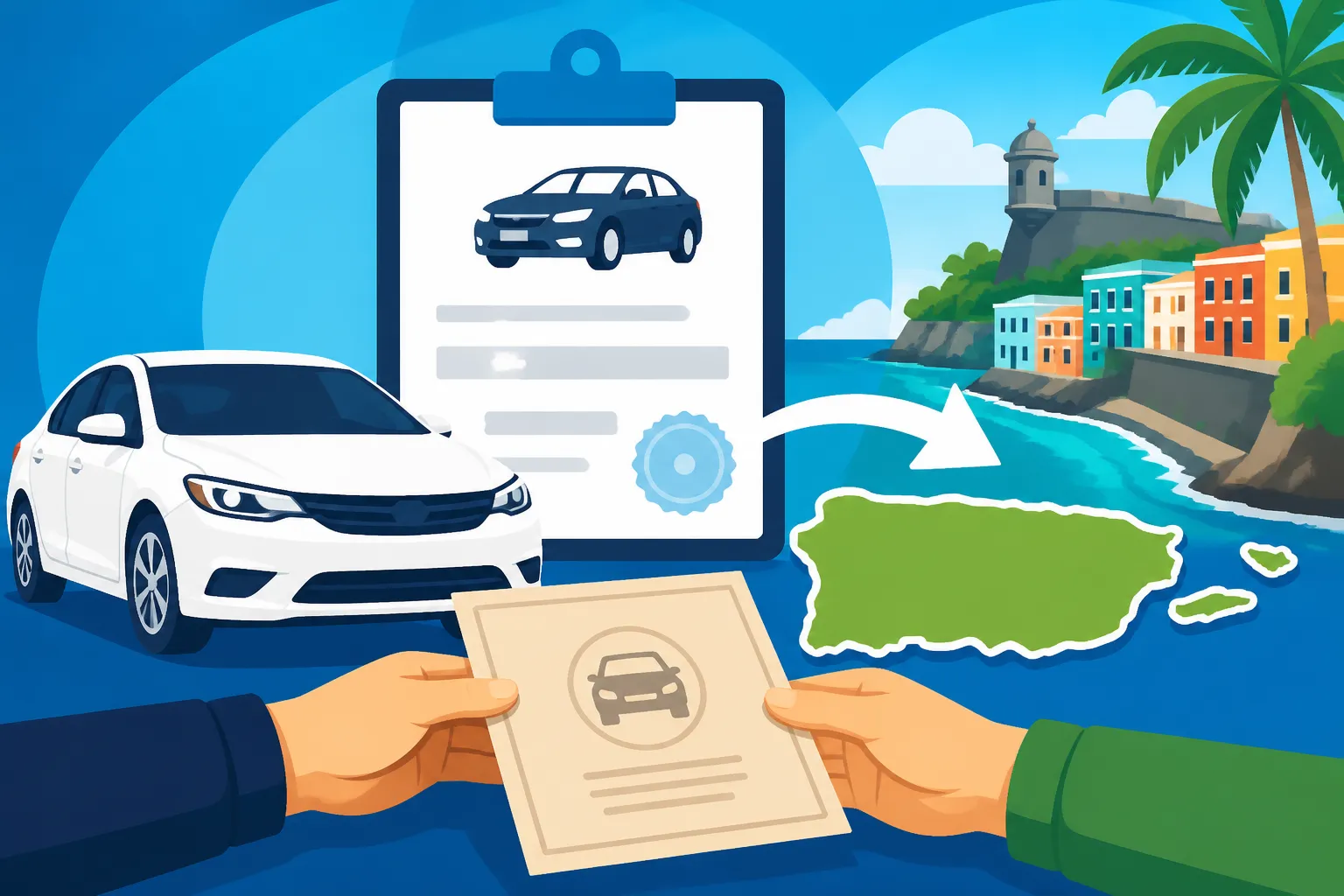
Alright, let's talk about one of those quintessential expat adventures here in Puerto Rico: getting your car’s title transferred. If you've shipped your beloved vehicle to the island, you're not just dealing with the physical logistics of getting it here; you're stepping into an administrative maze that can feel like a full-time job. But don’t you worry, because this guide is going to walk you through the often-confusing, sometimes-frustrating, but ultimately navigable process of officially registering your car in your new island home.
Understanding the Puerto Rico Vehicle Registration System
Before you even think about setting foot in a government office, it's crucial to grasp the local ecosystem of vehicle registration. It’s not quite like the mainland, and knowing who’s who and what they do will save you a heap of headaches.
DTOP and CESCO: Your Main Points of Contact
When it comes to anything vehicle-related in Puerto Rico, two acronyms will quickly become familiar: DTOP and CESCO. DTOP, the Departamento de Transportación y Obras Públicas (Department of Transportation and Public Works), is the overarching agency. Think of it as the big boss. However, your day-to-day interactions, the actual grunt work of getting things done, will almost exclusively happen at a CESCO office.
CESCO stands for Centro de Servicios al Conductor (Driver Services Center). These are the local offices where you go for everything from getting your driver's license to renewing your vehicle registration. Each CESCO can have its own quirks, its own lines, and sometimes its own interpretation of the rules, or so it feels. You'll want to find the one closest to you, but don't be afraid to try another if you're having trouble. Many expats living in the San Juan metro area often frequent the CESCO in Carolina or even Bayamón, depending on their residence and what they've heard about wait times or efficiency. Patience, my friend, is your most valuable tool here.
Key Documents You'll Absolutely Need
This is where many people stumble, and believe me, I've been there. You think you have everything, only to be told you're missing one seemingly obscure piece of paper. The golden rule: bring originals and multiple copies of everything. And if a document isn't in Spanish, strongly consider getting a certified translation, even if they don't explicitly ask for it beforehand. It's better to be overprepared.
Here’s a general rundown of what you’ll likely need:
- Original Vehicle Title (clean, no liens): This is paramount. If there's a lien, you must have a lien release from your previous lender.
- Bill of Sale or Proof of Purchase: Even if you've owned the car for years, you might need something showing the original purchase.
- Proof of Identity: Your Puerto Rico driver's license or a valid passport if you haven’t transferred your license yet. For a comprehensive guide on this, check out our article on How Do I Get a Puerto Rico Driver's License?.
- Proof of Residency: Utility bills, lease agreement, or a property deed in your name.
- Import/Shipping Documents: Bill of lading, customs clearance documents (if applicable), and any paperwork from the shipping company. This proves the car legally entered Puerto Rico.
- Current Vehicle Registration (from the mainland): Your last registration from your previous state.
- Proof of Insurance: You'll need the mandatory seguro obligatorio (compulsory insurance), often called ACAA, and potentially a private liability policy. We'll delve a bit more into this later.
- Form ASUME: This is a child support certification form. Yes, you read that right. It's a mandatory requirement for many government services here, even if you don't have children or are not subject to child support. You'll typically fill this out at CESCO or online via their portal. It’s one of those uniquely Puerto Rican bureaucratic hurdles.
- Inspection Form: This will be provided and completed at CESCO after your physical vehicle inspection.
Make sure your name on all these documents matches perfectly. A slight discrepancy can send you home empty-handed. I once had a friend who spent weeks trying to get his car registered because his middle initial was on his driver's license but not on his original title. It sounds trivial, but it can be a nightmare.
The Step-by-Step Title Transfer Process
Now that you have an idea of the players and the paperwork, let’s break down the actual process. It’s a multi-stage affair that requires careful planning and a good dose of resilience.
Before You Leave the Mainland: Essential Prep Work
Seriously, do not underestimate this phase. What you do before your car even gets on the barge can dramatically smooth out or complicate your life once you're here.
First and foremost, ensure your vehicle’s title is clean and clear. If you still owe money on your car, you absolutely must get a lien release from your bank or financing company. This means paying off the loan or having the lender send a specific document stating the lien is released and you are the sole owner. Trying to transfer a title with an active lien is like trying to drive a car without wheels here – it’s just not going to happen. Contact your lender well in advance, explain you are moving your vehicle to Puerto Rico, and ask exactly what documents they provide for a lien release. Some states have a physical title that goes to the owner, others are electronic, and the release process can vary. Be explicit in your request for a physical, original lien release document if your previous state had electronic titles.
Next, gather all original documents related to your car’s purchase and ownership. This includes the original bill of sale, maintenance records (not strictly required for transfer, but good to have), and any previous registration cards. It's also a good idea to perform any necessary maintenance on your vehicle before shipping. While not a direct title transfer issue, having your car in good working order will help tremendously with the upcoming inspection. Think about tires, brakes, lights, and emissions-related components.
Finally, consider the shipping logistics. This isn't part of the title transfer itself, but it's intricately linked. You’ll need to work with a reputable shipping company to get your car to the island. Companies like Horizon Lines or Crowley offer roll-on/roll-off services. This is where a resource like Sirelo can be incredibly helpful. They provide tools and information for international moves, including vehicle shipping, and connecting with a reliable mover can take a huge weight off your shoulders. Make sure you get all the documentation they provide when your vehicle arrives – the bill of lading, customs clearance, and any port-release documents will be crucial for the CESCO process.
The CESCO Gauntlet: Physical Inspection and Document Submission
Once your car has arrived and you’ve managed to pick it up from the port (which is another story entirely!), your next stop is CESCO. This is typically done by appointment, though some CESCOs still operate on a walk-in basis, often leading to very long waits. Check the DTOP website or call your local CESCO to confirm their current procedures.
The process at CESCO generally starts with a physical inspection of your vehicle. An officer will check the Vehicle Identification Number (VIN) to ensure it matches your title documents. They'll also check things like your lights, horn, windshield wipers, and general roadworthiness. They’re looking for basic safety features and to ensure the vehicle hasn't been significantly altered or is not a salvaged vehicle without proper documentation. If your car is older or has any modifications, make sure it’s in good shape. People are sometimes turned away for something as simple as a burned-out headlight or excessively tinted windows. If your vehicle passes, the inspector will sign off on a form, which you will then take inside.
After the inspection, you'll head inside (or through various windows, depending on the CESCO layout) to submit all your painstakingly gathered documents. This is where your stack of originals and copies comes into play. You’ll present everything, including the signed inspection form, your original mainland title, proof of insurance, and all the identity and residency documents. An official will review everything. This is often the longest part of the process, as they’ll meticulously go through each document. Be prepared for questions, and if you’re not fluent in Spanish, bringing a trusted friend or family member who is can be a lifesaver.
Once your documents are approved, you’ll be directed to pay the associated fees. These fees typically include an initial registration fee, stamp taxes, and the cost of the marbete (vehicle sticker) for the current year. It's not uncommon for these fees to total a few hundred dollars, so be prepared. You can typically pay with cash, debit, or credit card.
Getting Your New Puerto Rico Title and Registration
If all goes well and your documents are accepted and fees paid, you’ll finally receive your new Puerto Rico vehicle title and your marbete. The marbete is a sticker that you affix to your windshield, much like a registration sticker in many mainland states. It signifies that your vehicle is properly registered and has the mandatory ACAA insurance. The marbete must be renewed annually. For more detailed information, read our article on How Much Is the Marbete (Vehicle Sticker) Cost in Puerto Rico?.
The new Puerto Rico title will officially show you as the owner and your vehicle as registered in the Commonwealth. Keep this document safe, preferably in a fireproof safe, not in your glove compartment. You should always carry a copy of your registration and proof of insurance in your car, but the original title is for safekeeping.
Here’s a simplified breakdown of the process:
| Step | Action | Key Documents |
|---|---|---|
| 1. Pre-Arrival Prep | Secure lien release, gather all original ownership documents, get maintenance done. | Original title (lien-free), Bill of Sale, Mainland registration. |
| 2. Vehicle Arrival & Pickup | Receive vehicle from port, obtain all shipping/customs documentation. | Bill of of lading, Customs clearance. |
| 3. CESCO Appointment/Visit | Head to CESCO office with all documents (originals & copies). | All documents listed above. |
| 4. Physical Vehicle Inspection | Present vehicle for VIN verification and safety check. | Vehicle present, signed inspection form (provided at CESCO). |
| 5. Document Submission | Submit all paperwork, including inspection form and proof of insurance. Fill out ASUME. | All gathered documents. |
| 6. Fee Payment | Pay registration fees, stamp taxes, and marbete cost. | Payment method (cash, debit, credit). |
| 7. Receive New Title & Marbete | Get your official Puerto Rico title and annual registration sticker. | Puerto Rico Vehicle Title, Marbete. |
This whole process can take anywhere from a few hours (if you’re incredibly lucky and prepared) to several visits over weeks, depending on how quickly you can gather any missing documents or if your vehicle has issues during inspection. Being prepared, patient, and having an extra set of hands or a translator makes a world of difference.
Common Roadblocks and How to Navigate Them
Even with the best preparation, moving to an island often presents unforeseen challenges. Title transfer is no different. Knowing what to look out for can help you tackle these hurdles head-on.
Missing Documents or Inconsistencies
This is, by far, the most common issue. You arrive at CESCO, wait in line, and when you finally get to the window, you're told you're missing a document or there's a minor discrepancy in your name or address. It's incredibly frustrating, especially when you've double-checked everything. My advice? Don't argue. Politely ask what exactly is needed and how you can get it. Sometimes, it’s a simple form they forgot to tell you about; other times, it might require a notarized affidavit.
For example, if your original mainland title has an old address that doesn't match your new Puerto Rico proof of residency, they might ask for an additional utility bill or even a sworn statement. If there was a family transfer and the bill of sale isn't perfect, they might require a gift affidavit. The key is to remain calm, get clear instructions, and be prepared to make another trip or two. It’s part of the island experience.
Vehicle Inspection Challenges
The vehicle inspection at CESCO is generally straightforward, focusing on basic safety and identification. However, vehicles coming from the mainland can sometimes run into issues. Excessive window tinting is a big one; Puerto Rico has stricter laws on tint than many states. If your tint is too dark, you might be required to remove it before passing.
Another challenge can be non-standard modifications. While most cars are fine, if you have aftermarket lights, exhaust systems, or certain performance enhancements, they might raise an eyebrow. Ensure all your lights (headlights, brake lights, turn signals) are working perfectly, your horn functions, and your windshield has no cracks. If your car fails inspection, you'll be given a list of deficiencies. You'll then need to get those issues fixed, and return for a re-inspection. This adds time and potentially unexpected costs, so it’s best to get a pre-inspection check from a local mechanic if you have any doubts.
Language Barriers and Cultural Nuances
Let’s be real: while English is spoken in many tourist areas and by a growing number of residents, the day-to-day bureaucracy here operates predominantly in Spanish. When you're dealing with CESCO officials, while some may speak English, it's not a guarantee. This can make understanding complex instructions or explaining your situation incredibly difficult.
Bringing someone who is fluent in Spanish, especially a local friend or a professional translator, can alleviate a lot of stress. Don't rely solely on Google Translate for nuanced conversations. Moreover, the pace of business here can be slower than what you might be used to. Lines are long, and things take time. Embrace the slowly but surely mentality. Rushing or showing frustration often doesn't speed things up; it can sometimes have the opposite effect. A friendly demeanor, a respectful tone, and a bit of humor can go a long way.
Important Considerations Beyond the Title
Getting your title transferred is a significant hurdle, but it's just one piece of the larger puzzle of moving your vehicle to Puerto Rico. There are other practicalities you need to keep in mind.
Vehicle Shipping Logistics
As mentioned earlier, the actual process of getting your car from the mainland to Puerto Rico involves shipping. This can be complex, involving arranging transport to the port, securing cargo space, and then picking it up upon arrival. There are specific guidelines for preparing your vehicle for shipment – typically, you'll need to empty it of personal belongings, ensure the fuel tank is not full, and disable alarms.
Choosing the right shipping company is vital. Do your research, read reviews, and get multiple quotes. Some expats have had great experiences with companies directly, while others prefer using a relocation service that handles everything. Providers like Sirelo, which specialize in connecting movers with services, can be a valuable resource in finding reliable options for shipping your car. They can help you compare different carriers and understand the full scope of the process. Remember to also account for potential delays due to weather, port congestion, or customs clearance.
Insurance in Puerto Rico
Once your vehicle is here, you absolutely need insurance. Puerto Rico has a mandatory minimum liability insurance, called ACAA (Administración de Compensaciones por Accidentes Automovilísticos), which is automatically included in your marbete renewal. This provides basic coverage for bodily injury in case of an accident.
However, ACAA is very limited. Most people opt for additional private car insurance for more comprehensive coverage against damage to your vehicle, theft, or higher liability limits. Many familiar mainland insurance companies have a presence here, like MAPFRE, Triple-S Propiedad, and Universal Insurance. It’s wise to shop around and get quotes. Your mainland policy will almost certainly not cover you long-term in Puerto Rico, so setting up local insurance is a priority after transferring your title.
While we're on the topic of insurance, as an expat, securing comprehensive health insurance is also critical. Even with the move, ensuring you and your family are covered for medical needs is paramount. This is where options like Cigna Global can be a valuable consideration for those seeking international health insurance, which can bridge gaps and offer peace of mind beyond basic local coverage, especially if you plan to travel frequently or prefer certain types of medical facilities. While not directly related to your car, it’s another major insurance piece of your expat life. You can also explore local options by reading our guide on How Much Is Car Insurance in Puerto Rico?.
Understanding Vehicle-Related Costs
Beyond the initial title transfer fees and the annual marbete renewal, there are other costs to factor into your budget.
- Excise Taxes: When you first import a vehicle into Puerto Rico, you might be subject to excise taxes. These are calculated based on the vehicle's value, weight, and sometimes fuel efficiency. The specific calculation can be complex and is handled by Hacienda (the local tax authority) and Customs. These taxes can be substantial, so it's critical to understand them before you commit to shipping your car. Some older, lower-value vehicles might have minimal or no excise tax, while newer, luxury cars can incur thousands of dollars.
- Fuel Costs: Gas prices in Puerto Rico tend to be higher than the mainland average, fluctuating with global oil prices and local taxes. This can impact your daily driving expenses significantly.
- Maintenance and Parts: While common parts are readily available, specialized parts for certain foreign or less common vehicle models might need to be ordered from the mainland, incurring higher costs and longer wait times. Factor this into your budgeting for car ownership.
- Parking: In denser urban areas like San Juan, parking can be scarce and expensive, especially if you're renting an apartment without dedicated parking.
By understanding these additional costs, you can get a clearer picture of the true financial commitment of having your vehicle in Puerto Rico.
Final Thoughts on Your Vehicle's New Life on the Island
Transferring your vehicle title to Puerto Rico is undeniably a bureaucratic process that tests your patience. From gathering a mountain of documents and navigating CESCO, to understanding local regulations and anticipating potential roadblocks, it's a journey. But remember, countless expats have done it before you, and you will too. Take it one step at a time, be meticulously organized, and don’t be afraid to ask for help from local friends or even professional assistance if you find yourself truly stuck. Soon enough, you'll be driving your fully registered car on the beautiful roads of Puerto Rico, enjoying the freedom it brings to explore all the island has to offer. Just remember to renew your marbete every year!
Disclaimer
Please note that the information provided in this article is for general guidance and informational purposes only and does not constitute legal, financial, or professional advice. Laws, regulations, and procedures in Puerto Rico can change frequently. It is highly recommended to consult with the relevant government agencies (DTOP, CESCO, Hacienda), legal professionals, and/or financial advisors for the most accurate and up-to-date information pertaining to your individual situation before making any decisions related to vehicle title transfers, taxes, or residency in Puerto Rico.