Understanding Dental Coverage and Costs in Puerto Rico
Many newcomers arrive in San Juan or Dorado assuming their mainland dental insurance will transition seamlessly, only to face a maze of local networks and out-of-network headaches. This guide breaks down exactly what you can expect to pay for a cleaning or a crown, which insurance plans actually work here, and how to navigate the dental system like a seasoned resident.
The Landscape of Puerto Rican Dentistry
The first thing you need to understand about getting dental work done on the island is that the quality of care is exceptionally high, but the administrative experience can be a bit of a culture shock. Most dentists in Puerto Rico are graduates of the University of Puerto Rico School of Dental Medicine, which is ADA-accredited and highly respected. Many practitioners also pursue post-graduate specialties on the mainland, meaning you are often getting Ivy League-level expertise at a fraction of the cost you would find in New York or California. However, don't expect the shiny, corporate-owned "dental spas" that are taking over the mainland. Many of the best dentists here operate out of modest professional buildings or converted residences in neighborhoods like Miramar or Guaynabo.
The system is split between private practices and public health clinics, often referred to as CDTs (Centro de Diagnóstico y Tratamiento). While most expats and high-income locals stick to the private sector, the public system is a vital safety net for the island's population. If you are just arriving and haven't secured local insurance yet, you might find yourself in a gap period. During this transition, a service like SafetyWing can be useful for general medical emergencies, though specific dental coverage often requires a separate local rider or a dedicated dental plan once you become a "bona fide" resident.
When I first moved here, I made the mistake of thinking my US-based PPO plan would be welcomed with open arms. While some offices will help you fill out the reimbursement forms, most high-end dentists in San Juan operate on a "pay-and-claim" basis for mainland insurance, or they only accept local providers like Triple-S or MCS. Understanding How Puerto Rico's Health System Works: Public vs Private Explained (2027) is the first step in realizing that dental care follows a similar, somewhat fragmented path.
Public vs. Private Dental Care
In the private sector, the experience is very similar to what you’d find in any major US city. You make an appointment, wait in a (hopefully) air-conditioned lobby, and see a bilingual professional. The technology is often state-of-the-art, with digital X-rays and 3D imaging becoming the standard in metropolitan areas. The primary difference is the price and the pace. Things move a bit slower here; an appointment scheduled for 10:00 AM might actually begin at 10:45 AM. It is part of the "island time" reality that affects everything from the DMV to the dentist's chair.
On the other hand, the public system, funded largely through the Vital program, provides basic dental care to those who qualify. While Understanding the Vital Plan (Government Health Plan) in Puerto Rico (2027) is essential for those on a strict budget, most newcomers will not qualify for this government-subsidized care unless their income falls below a very low threshold. Public clinics are often crowded, and the wait times for non-emergency procedures like cleanings can be months. For most residents reading this, private care is the only realistic path for maintaining oral health.
The Role of Dental Specialists
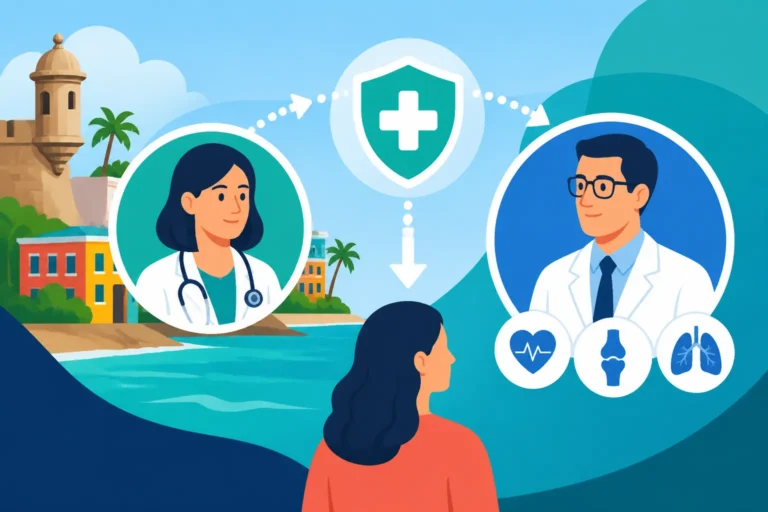
Finding a general dentist is relatively easy, but when you need a periodontist, endodontist, or oral surgeon, you’ll notice that the referral network is very tight-knit. Doctors here tend to refer within their social and professional circles. If you need a root canal, your dentist won’t just give you a list; they will likely call their friend who specializes in endodontics and try to squeeze you in. This personal touch is one of the perks of the island's culture, but it can also feel exclusionary if you don't have a "primary" dentist to vouch for you.
For those still figuring out their long-term healthcare strategy, Navigating the Puerto Rico Healthcare System: A Newcomer's Roadmap (2027) provides a broader context on how these professional networks function across all medical fields. It’s always a good idea to establish a relationship with a general dentist early on, even if your teeth feel fine, just so you have a point of entry when a specialist is required.
Understanding Private and Public Insurance Frameworks
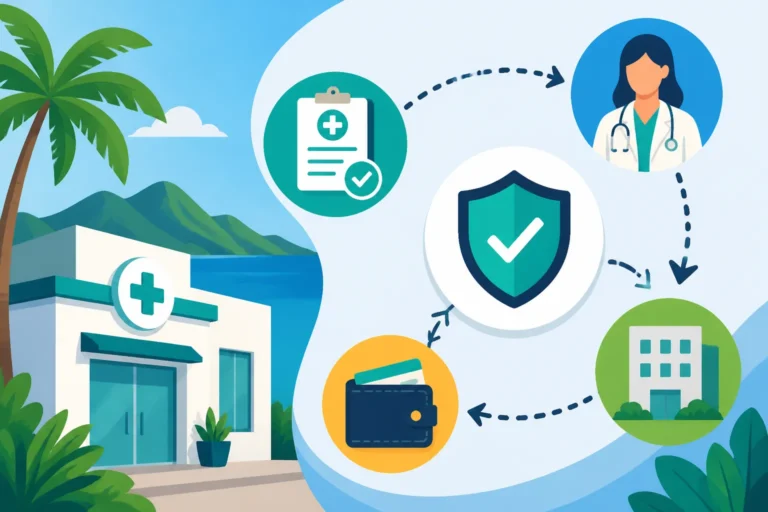
Navigating insurance in Puerto Rico is notoriously complex. The local market is dominated by a few major players: Triple-S (a Blue Cross Blue Shield affiliate), MCS (Medical Card System), and Humana. Most residents get their dental coverage as a "rider" or an optional add-on to their primary medical insurance. These riders are generally quite affordable, often adding only $10 to $30 to your monthly premium, but the coverage limits are often lower than what you might be used to on the mainland.
For those who are self-employed or moving under Act 60, getting Health Insurance in Puerto Rico: Plans, Costs and Options Explained (2026) usually involves choosing between a basic plan and a "Platinum" or "Preferred" tier that includes dental. It is rare to find standalone dental insurance that is worth the cost; you are almost always better off bundling it with your health plan or simply paying out of pocket. If you are a digital nomad or between permanent residencies, SafetyWing offers a stopgap for medical needs, but for routine dental maintenance like cleanings and fillings, you will eventually want to transition to a local plan.
Coverage Limits and Co-pays
Standard dental riders in Puerto Rico typically cover two cleanings per year at 100%, but they often have a "yearly maximum" that is surprisingly low—frequently between $1,000 and $2,000. If you need a single crown or a root canal, you could hit that limit in one visit. This is why Understanding Co-Pays, Deductibles and Premiums in Puerto Rico is so critical. You need to read the fine print to see if your plan covers "Major Restorative" work at 50% or 80%.
One quirk of the Puerto Rican system is the "pre-authorization" process. For any major work, like a bridge or a dental implant, the dentist must send a plan to the insurance company and wait for approval. This can take anywhere from two weeks to a month. If you are in a rush, you might be tempted to just pay the full price upfront. Be warned: getting reimbursed by a local insurer after the fact can be an administrative nightmare involving multiple trips to a "service center" and stacks of paper receipts.
The Vital Plan and Medicaid Constraints
For low-income residents, the Vital plan offers basic dental care, including extractions, fillings, and cleanings. However, it specifically excludes most cosmetic and major restorative work. If you are on the Vital plan and need an implant, you will almost certainly have to pay out of pocket at a private clinic. This creates a two-tiered system where the most advanced dental technology is reserved for those with private insurance or the means to pay cash.
If you are an expat, do not assume you can easily jump on the government plan. Eligibility is strictly tied to income and residency status. Even if you do qualify, finding a private dentist who accepts the Vital plan can be difficult in upscale areas like Condado or Isla Verde, as the reimbursement rates to the doctors are quite low. Most people in the expat community find that The Cost of Healthcare in Puerto Rico: A Complete Breakdown for Newcomers (2026) actually favors a private, cash-pay model for dental care because the out-of-pocket costs are still significantly lower than in the US.
A Deep Dive into Dental Procedure Costs (2026)
One of the greatest "hidden" benefits of living in Puerto Rico is the price of dental procedures. Even without insurance, the costs here often feel like a throwback to the 1990s mainland prices. While inflation has certainly hit the island, the cost of labor and overhead for dentists remains lower than in a city like Miami or Houston. This has made Puerto Rico a growing destination for "dental tourism" for those on the mainland who don't want to travel as far as Mexico or Costa Rica.
When you are looking at How Much Does Health Insurance Cost in Puerto Rico in 2026?, remember that the savings on a single dental implant could pay for your entire health insurance premium for a year. Residents can save thousands of dollars by getting their major dental work done here rather than flying back to their home state.
| Procedure | Estimated Cost (Cash/Out of Pocket) | Estimated Co-pay (Local Insurance) |
|---|---|---|
| Routine Cleaning & Exam | $80 – $120 | $0 – $20 |
| Panoramic X-Rays | $60 – $100 | $10 – $30 |
| Simple Filling (Composite) | $100 – $180 | $30 – $60 |
| Root Canal (Molar) | $600 – $900 | $200 – $400 |
| Porcelain Crown | $700 – $1,100 | $300 – $500 |
| Dental Implant (Single) | $1,800 – $2,500 | Usually Not Covered |
| Professional Whitening | $250 – $450 | Usually Not Covered |
| Simple Extraction | $150 – $250 | $40 – $80 |
Preventive and Basic Care Costs
Preventive care is where you see the most consistency. Almost every private dentist in the San Juan metro area will charge around $100 for a basic cleaning and check-up. If you have local insurance, this is almost always free. However, if you are a visitor and need a quick cleaning, you can usually call a clinic in a neighborhood like Santurce and get an appointment within a week for a very reasonable cash price.
Basic restorative work, like fillings, is also quite affordable. Dentists here use the same high-quality composite resins found on the mainland. The difference is that a filling that might cost $350 in Manhattan will likely cost you $150 here. This makes it much easier to keep up with minor issues before they turn into expensive emergencies. If you do find yourself in a bind while traveling, SafetyWing can help coordinate with medical facilities, but for a simple filling, most people just pay the local dentist directly via ATH Movil or credit card.
Major Restorative and Surgical Costs
This is where the savings become truly substantial. Root canals and crowns are the bread and butter of the dental industry here. On the mainland, a root canal and a porcelain crown can easily top $3,000. In Puerto Rico, you are likely looking at a total of $1,500 to $1,800. The dentists are highly skilled, often using CAD/CAM technology to create crowns in-office while you wait.
Dental implants are another area where Puerto Rico shines. While they are rarely covered by insurance, the out-of-pocket cost for a high-quality titanium implant and the accompanying crown is often 40-50% less than the US national average. Many specialists in Hato Rey and Guaynabo specialize exclusively in these procedures, offering "all-on-four" or full-mouth restorations that attract patients from all over the Caribbean.
Finding the Right Specialist and Managing Language Barriers
A major concern for many moving to the island is the language barrier. While Spanish is the primary language, the medical community is perhaps the most bilingual segment of the population. Since dental textbooks and licensing exams are in English, almost every dentist on the island is fluent in the technical English required to explain your procedure. However, the front desk staff and dental assistants may vary in their English proficiency.
If you are looking for an English-Speaking Doctor in Puerto Rico, you will have the best luck in San Juan, specifically in the areas of Condado, Isla Verde, and the "Doctor’s Center" district. In more rural areas or smaller towns like Ponce or Mayaguez, you might need to brush up on your basic Spanish medical terms, though even there, the dentist will almost certainly speak enough English to make you comfortable.
Researching Credentials and Reviews
Don't rely solely on Google Reviews. In Puerto Rico, word of mouth is the ultimate currency. Ask your neighbors, your realtor, or join local expat Facebook groups to find out who people trust. The "best" dentist in town might not even have a website; they might just have a landline that is perpetually busy and a waiting room full of loyal patients who have been seeing them for thirty years.
Check to see if the dentist is a member of the Colegio de Cirujanos Dentistas de Puerto Rico. This is the local governing body that ensures all practitioners are licensed and up to date with their continuing education. If you are looking for a specialist, you can also check mainland boards, as many Puerto Rican specialists are board-certified in the US as well.
Logistics and Making Appointments
One of the most frustrating aspects of the Puerto Rican dental system is the phone. Getting someone to pick up the phone or return a voicemail can be a challenge. Many offices now use WhatsApp for scheduling, which is highly recommended. It allows you to send photos of your insurance card and confirm appointments without the "lost in translation" issues of a crackly phone line.
When you show up for your first visit, bring your physical ID and your insurance card. Even if you sent photos via WhatsApp, they will want to photocopy the originals. If you are using mainland insurance, bring a "claim form" already printed out from your provider's website. Most dentists will sign and stamp it for you, but they will not mail it for you. You will need to take that stamped form, attach your itemized receipt (which you must specifically ask for—ask for a "recibo detallado"), and mail it to your insurance company yourself.
Orthodontics, Cosmetic Procedures, and the "Hidden" Costs
If you are moving with children, you’ll be happy to know that orthodontics is incredibly popular and affordable in Puerto Rico. It is almost a rite of passage for teenagers in the middle and upper classes here to have braces. Because the volume is so high, the prices are very competitive. Invisalign is widely available, and most orthodontists offer interest-free payment plans that make it easy to manage the cost over two or three years.
Schools and Education in Puerto Rico: A Complete Guide for Families often mentions the social aspects of life on the island, and the "orthodontic culture" is part of that. Your kids won't feel out of place with a mouth full of metal; in fact, they’ll be in good company. A full course of traditional braces usually costs between $3,500 and $5,000, which is significantly lower than the $6,000+ often quoted on the mainland.
Cosmetic Dentistry and Veneers
Puerto Rico has a very image-conscious culture, and cosmetic dentistry is a booming business. From porcelain veneers to professional laser whitening, the options are endless. Many dentists in the metro area cater specifically to the "beauty" market, offering smile makeovers that include gum contouring and botox for "gummy" smiles.
If you are considering veneers, be sure to ask for the "total price," including the lab fees. Sometimes a dentist will quote a price per tooth, but then add a substantial fee for the temporary veneers or the final cementation. Generally, you can expect to pay about $800 to $1,200 per veneer, compared to the $1,500 to $2,500 price tag in the States.
The IVU Tax and Dental Services
One important thing to note is the Sales and Use Tax, known locally as the IVU (Impuesto sobre Ventas y Uso). While most medical services are exempt from the 11.5% IVU, certain "cosmetic" procedures may not be. Additionally, if you buy dental products like professional-grade whitening kits or electric toothbrushes at the dentist's office, you will likely see the IVU added to that portion of the bill.
It is also worth noting that many dentists give a "discount" for cash payments or payments made via ATH Movil (a local instant-payment app). This is very common on the island. If you pay with a credit card, you might be charged the "standard" price, whereas a cash payment might save you 5-10%. Always ask if there is a "descuento por pago en efectivo" (discount for cash payment).
Dealing with Dental Emergencies and Urgent Care
Nothing ruins a beautiful beach day in Rincon like a sudden, throbbing toothache. If you have an emergency, your first move should be to call your regular dentist. Most keep a few "emergency" slots open each day. If it’s after hours or the weekend, the situation gets a bit more complicated. There are very few 24/7 dental emergency clinics on the island.
In a true emergency—like a knocked-out tooth or a severe infection with swelling—you should head to the nearest Emergency Room. They won't be able to do a root canal, but they can provide antibiotics and pain management until a dentist can see you. Emergency Medical Care in Puerto Rico: What Every Resident Needs to Know is a great resource for understanding which hospitals have the best facilities for facial trauma or severe oral infections.
Emergency Costs and SafetyNet Options
If you are a tourist and don't have a local dentist, look for a "CDT" in the town where you are staying. These clinics are designed for urgent care and can often handle simple extractions or provide a temporary filling to get you through the rest of your trip. The cost for an emergency visit at a CDT is usually very low, often under $100.
For those with SafetyWing, you should check your policy details. While routine dental isn't covered, "Emergency Dental" resulting from an accident is often included. This can be a lifesaver if you trip on the cobblestones in Old San Juan and chip a tooth. Just make sure to keep every single piece of paper the doctor gives you, as the claims process for travel insurance requires meticulous documentation.
Finding After-Hours Care
Some large private practices in Hato Rey and Carolina offer Saturday hours, which is your best bet for a weekend emergency. If you are staying in a high-end hotel, the concierge often has a "dentist on call" for their guests. This will be more expensive, but the convenience of having a dentist open their office for you on a Sunday afternoon is often worth the premium when you are in excruciating pain.
Always remember that in Puerto Rico, a little bit of "favor" goes a long way. If you have a good relationship with your dentist, don't be afraid to ask for their personal cell phone number for emergencies. Many local doctors are happy to give it out to their regular patients, emphasizing the community-oriented nature of healthcare on the island.
Essential Summary of Dental Costs and Tips
To make things easier for your planning, here is a quick reference table comparing the average out-of-pocket costs in Puerto Rico versus the US Mainland. Keep in mind these are estimates for 2026 and can vary based on the specific clinic and the complexity of the case.
| Service Category | PR Average (No Insurance) | US Mainland Average | Savings |
|---|---|---|---|
| Preventive (Clean/X-ray) | $150 | $350 | ~57% |
| Basic (Filling) | $150 | $300 | ~50% |
| Major (Crown/Root Canal) | $1,600 | $3,200 | ~50% |
| Orthodontics (Braces) | $4,000 | $6,000 | ~33% |
| Surgical (Single Implant) | $2,200 | $4,500 | ~51% |
Pro-Tips for Newcomers:
- Get ATH Movil: This app is the lifeblood of Puerto Rican commerce. Many smaller dental offices prefer it over credit cards.
- Ask for the "Planilla": If you need a lot of work, ask for a written "plan de tratamiento" (treatment plan) with all costs clearly outlined before you start.
- Bring Your Own Records: If you had X-rays taken on the mainland recently, have them emailed to your new dentist. This will save you $60-$100 on your first visit.
- Check the Network: Before signing up for a local health plan, call your preferred dentist and ask which specific network they accept (e.g., "Triple-S Salud" vs. "Triple-S Advantage").
Disclaimer
The information provided in this guide is for educational and informational purposes only and does not constitute professional medical or financial advice. Healthcare costs and insurance policies in Puerto Rico are subject to change. Always consult with a licensed dental professional and an insurance specialist to verify coverage and pricing based on your specific needs and residency status.