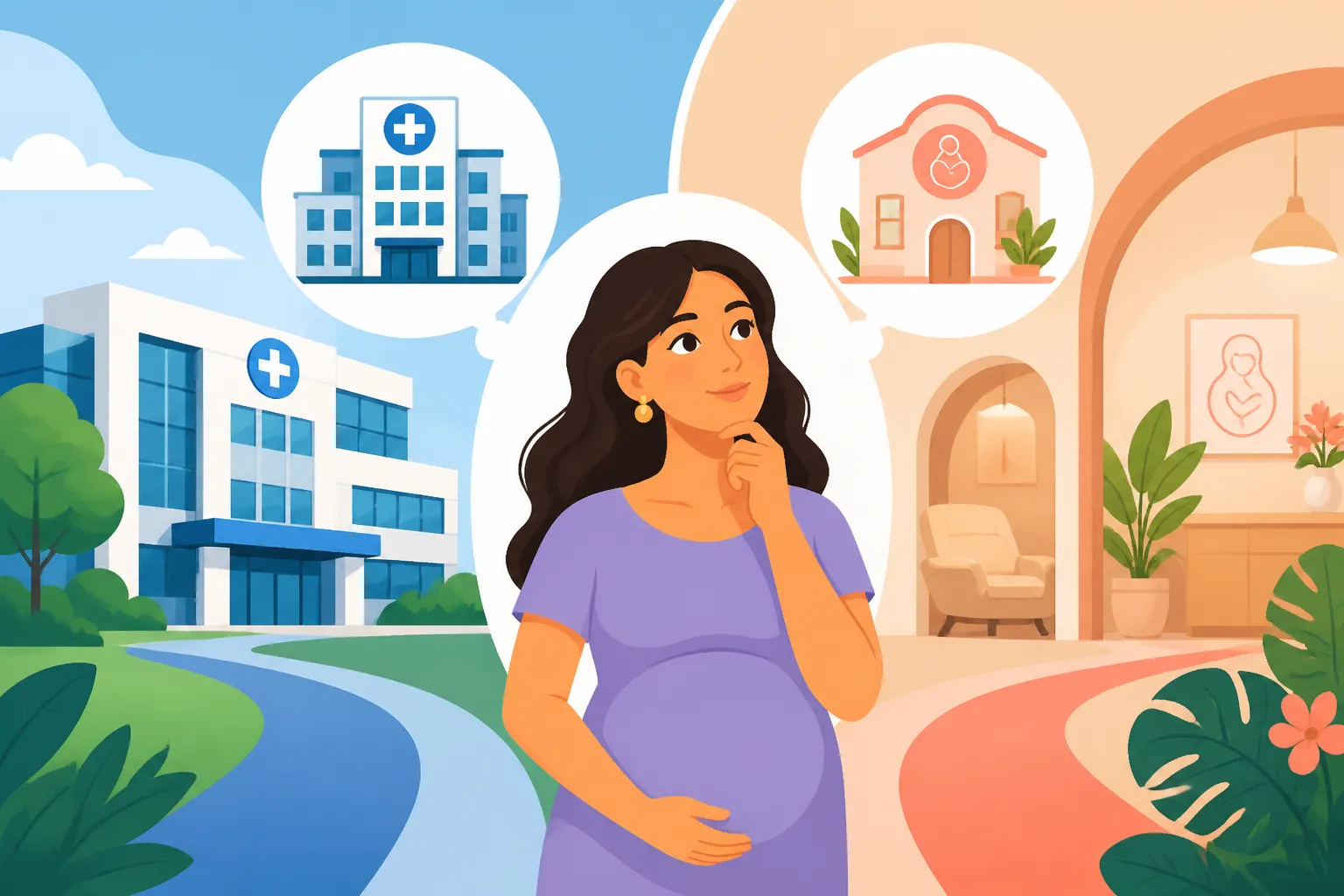
How to Choose Between Public and Private Maternity Care in Puerto Rico
Navigating the healthcare system in a new environment is stressful enough, but when you add the emotional and physical weight of pregnancy into the mix, it can feel downright overwhelming. Many newcomers arrive on the island and quickly realize that the medical landscape here is a unique hybrid of US standards and Caribbean logistical realities. This guide is designed to strip away the confusion and provide a clear, empathetic roadmap for choosing between public and private maternity care in Puerto Rico, ensuring you and your baby receive the best possible support.
Understanding the Landscape of Maternity Care in Puerto Rico
The maternity care system in Puerto Rico is divided into two distinct worlds: the public sector and the private sector. If you are coming from the mainland United States, you might expect a seamless transition, but the reality involves navigating different insurance networks, varying levels of facility modernizations, and a significant language component. While the clinical standards of care remain high across the board—after all, doctors here are board-certified and follow the same regulations as those in the states—the "patient experience" differs wildly depending on which path you choose.
The Public System: CDTs and Public Hospitals
The public healthcare infrastructure is primarily built around Centros de Diagnóstico y Tratamiento (CDTs) and large municipal or state-run hospitals. For many locals, this is the primary point of entry for prenatal care. These facilities are designed to serve the general population, particularly those who qualify for the government-run health plan. If you are exploring this route, it is vital to understand How Puerto Rico's Health System Works: Public vs Private Explained (2027) to grasp the structural differences. Public clinics are often the backbone of community health, but they operate under significant budgetary constraints that can affect everything from the aesthetic of the waiting room to the speed of non-urgent appointments.
In a public maternity setting, you are likely to encounter a high volume of patients. This often leads to a "first-come, first-served" environment where waiting several hours for a routine check-up is the norm rather than the exception. For a newcomer, this can be an exhausting introduction to island life. However, the doctors working in these systems are often incredibly experienced, seeing a vast range of cases every day. The public system is robust in its clinical outcomes but can feel impersonal and bureaucratic for those used to boutique medical experiences.
The Private System: Network Hospitals and Private Clinics
The private sector is where most expats and higher-income residents seek care. Facilities like Ashford Presbyterian Community Hospital in Condado or Auxilio Mutuo in Hato Rey are staples for those looking for a more "mainland-style" experience. Here, you will find private rooms, more modern equipment, and a higher likelihood of finding staff who are fully bilingual. The private system operates through a network of independent OB-GYN offices that have "privileges" at specific hospitals. This means you will see your doctor at their private clinic for the duration of your pregnancy, and they will meet you at the hospital when it is time for delivery.
Choosing the private route usually requires a high-quality local insurance plan or a significant out-of-pocket budget. It is important to look into Health Insurance in Puerto Rico: Plans, Costs and Options Explained (2026) before you make your final choice. In the private system, the focus is more on patient comfort and streamlined scheduling. While wait times still exist (this is still Puerto Rico, after all), the environments are generally calmer, and you have more agency over choosing your specific provider and birth plan.
Bridging the Gap: The Role of Health Insurance
One of the biggest hurdles for new residents is the waiting period between arriving and having an active local insurance policy. During this transition, many nomads and expats use SafetyWing to cover unexpected medical costs. While SafetyWing is primarily designed for travel medical needs and unexpected illnesses, having that safety net while you are figuring out your long-term local maternity coverage is a common strategy for those moving to the island.
Once you are settled, your insurance choice will largely dictate your maternity path. Most private local plans like Triple-S or MCS have tiered networks. If you want access to the premier private hospitals, you must ensure your plan includes them in the "preferred" tier. Without this, you might find yourself stuck between a private doctor and a public hospital, which can lead to administrative nightmares during labor. Understanding How to Enroll in a Private Health Plan in Puerto Rico is a necessary first step for anyone planning a family here.
Evaluating the Public Maternity Experience
If you are considering the public system, it is likely because you are looking at the Vital Plan (the government-run Medicaid program) or you are in a region where private options are limited. For many, the public system is a lifesaver, but for a newcomer, it requires a significant cultural and linguistic adjustment. You have to be prepared to advocate for yourself in a system that is often stretched to its limits.
Pros and Cons of the Public Sector
The most obvious advantage of the public system is the cost. If you qualify for the Vital Plan, your prenatal care, delivery, and postpartum support are essentially free. For families on a tight budget, this eliminates the stress of Understanding Co-Pays, Deductibles and Premiums in Puerto Rico which can be quite high in private plans. Additionally, public hospitals are often teaching hospitals, meaning you have access to a wide array of specialists and the latest academic clinical protocols.
The downsides, however, are significant for those who value privacy and efficiency. In many public hospitals, labor and delivery wards are shared. You may spend your early labor in a room with several other women, and private recovery suites are rarely an option. Furthermore, the administrative staff may not speak English fluently, which can be terrifying during a medical emergency. If you are not fluent in Spanish, the public system can feel like an isolating experience during one of the most vulnerable times of your life.
Accessing Care Through the Vital Plan
To use the public maternity system effectively, you must understand Understanding the Vital Plan (Government Health Plan) in Puerto Rico (2027). Eligibility is based on income, and the application process can be tedious, requiring multiple documents and physical visits to local offices. Once enrolled, you are assigned a primary medical group. This group acts as the gatekeeper for all your care. If you need a specialist or a specific lab test, you must get a referral, which can add layers of delay to your prenatal schedule.
Navigating the Vital Plan requires patience. You will often be directed to a CDT for your routine prenatal visits. These clinics are located in almost every municipality, making them accessible, but they vary wildly in quality. Some are modern and well-staffed, while others are in older buildings with limited diagnostic equipment. It is highly recommended to visit your local CDT before you are "locked in" to their care to see if you feel comfortable with the environment.
Wait Times and Facility Infrastructure
Wait times in the public sector are a common complaint among residents. It is not unusual to have an 8:00 AM appointment and not see the doctor until noon. This is partly due to the "triage" nature of these clinics, where emergencies are constantly being slotted in. For a working expat or someone used to the strict scheduling of mainland US clinics, this can be a major source of frustration.
The infrastructure in public hospitals is functional but often lacks the "bells and whistles" of private care. You might find that the air conditioning is inconsistent, or that the furniture in the waiting areas is decades old. However, it is crucial to separate the aesthetics from the medical care. The delivery rooms in hospitals like the University Hospital (Centro Médico) are equipped with world-class technology for handling high-risk births, even if the hallways look like they need a fresh coat of paint.
The Private Maternity Advantage for Newcomers
For the majority of newcomers, the private maternity system is the preferred choice. It offers a level of familiarity that helps ease the transition into island life. From the ability to book appointments online to the availability of private birthing suites, the private sector is designed to cater to a more demanding patient base.
Quality of Facilities and Private Suites
The primary draw of private hospitals is the comfort level. At facilities like Ashford Presbyterian, the maternity ward feels more like a hotel than a hospital. Many rooms have stunning views of the Atlantic Ocean or the Condado lagoon, which can provide a much-needed sense of calm during recovery. These hospitals also offer "LDR" (Labor, Delivery, and Recovery) rooms, where you stay in one place for the entire process rather than being moved around on a gurney.
In the private system, you are also more likely to have access to amenities like birthing balls, specialized tubs for water labor (though water birth itself is rare in PR), and more flexible visitor policies. After delivery, having a private room allows your partner to stay with you overnight, something that is often prohibited or physically impossible in the shared wards of the public system. For a deep dive into these facilities, check out The Guide to Choosing a Private Hospital in Puerto Rico.
Finding English-Speaking OB-GYNs
One of the most stressful parts of being an expat is the fear of not being understood. In the private sector, almost all physicians have completed at least part of their training on the mainland, meaning their English is usually excellent. This is a massive relief when you are trying to discuss complex topics like genetic testing or birth interventions.
Finding the right doctor involves more than just a Google search. Many expats rely on word-of-mouth in local Facebook groups or neighborhood associations. When looking, you should specifically ask How to Find an English-Speaking Doctor in Puerto Rico to ensure your initial consultations are productive. A good private OB-GYN will have a dedicated office staff that can help you navigate insurance authorizations, which is a major benefit in the often-confusing world of Puerto Rican medical billing.
Technology and Specialized Neonatal Care
While public hospitals are great for emergencies, private hospitals often invest more heavily in the "patient-facing" technology. This includes high-definition ultrasounds, advanced fetal monitoring systems, and digital portals where you can view your test results. If your pregnancy is considered high-risk, choosing a private hospital with a Level III or IV Neonatal Intensive Care Unit (NICU) is essential.
Hospitals like Auxilio Mutuo are renowned for their NICU facilities. For a newcomer, knowing that your baby will have access to the best possible care if they are born early or with complications provides immense peace of mind. While SafetyWing can assist with medical evacuations in extreme cases for those who are still in the "tourist" phase of their move, having a local private hospital with top-tier neonatal care is the gold standard for residents.
| Feature | Public Maternity Care (Vital) | Private Maternity Care |
|---|---|---|
| Cost | Practically zero (if eligible) | High (Co-pays/Deductibles) |
| Wait Times | Very long (4+ hours common) | Moderate (1-2 hours) |
| Privacy | Shared wards/Semi-private | Private Suites |
| Language | Primarily Spanish | Bilingual (English/Spanish) |
| Facilities | Functional, older infrastructure | Modern, hotel-like amenities |
| Specialists | Assigned via referral | Choice of provider |
Financial Considerations and Budgeting for Childbirth
Even with insurance, having a baby in Puerto Rico involves costs that might surprise you. From "office fees" that doctors charge outside of insurance to the cost of specialized labs, you need to have a clear financial plan before the third trimester hits.
Comparing Costs: Deductibles vs. Out-of-Pocket
The cost of a private delivery can range significantly depending on your insurance. It is not uncommon to have a deductible of $1,000 to $3,000 for the hospital stay alone. However, the most confusing part for many is the "professional fee." Some private OB-GYNs in Puerto Rico charge an administrative or "on-call" fee that is not covered by insurance. This can be anywhere from $500 to $2,000, and it is usually paid directly to the doctor’s office by the 30th week of pregnancy.
In contrast, the public system has no such fees. If you are uninsured and don't qualify for Vital, the out-of-pocket cost for a private hospital birth can exceed $10,000. This is why it is so critical to understand The Cost of Healthcare in Puerto Rico: A Complete Breakdown for Newcomers (2026). For those still in the process of establishing residency, products like SafetyWing can be useful for general health issues, but maternity is almost always handled through local private plans or the public system once you are a "Bona Fide" resident.
Maternity Coverage Under Private Plans
Puerto Rican law requires that all local health plans provide maternity coverage, but the extent of that coverage varies. Some plans cover 100% of prenatal vitamins and basic labs, while others require a co-pay for every single sonogram. When choosing a plan, you must specifically look for the "Maternity Rider" or section in the benefits summary.
If you are moving to the island while already pregnant, you need to know What Happens If I Get Sick Before My Insurance Starts in Puerto Rico?. Most local insurers cannot deny you for a pre-existing condition (including pregnancy) due to ACA-style protections that still apply in PR, but there might be a delay in when the coverage becomes "active" for elective procedures or specific hospital choices.
Hidden Costs: From Labs to Pediatricians
The birth is just the beginning. In Puerto Rico, you are often responsible for finding your own pediatrician who will visit the baby in the hospital. Some pediatricians charge a "hospital visit fee" that insurance might not fully reimburse. Additionally, while the hospital provides basic supplies, you will likely want to budget for your own postpartum gear, as the variety available in public or even some private hospital pharmacies can be limited.
Prescription medications are another factor. While most are covered, the process of getting them filled can be a chore. Make sure you read Prescription Medications and Pharmacies in Puerto Rico: The Complete Guide to understand how to get your prenatal meds without spending hours in line. These small costs and logistical hurdles add up, so having a "slush fund" of a few thousand dollars is a smart move for any expat family.
Logistical Hurdles for Expats and New Residents
Beyond the medical and financial aspects, there are the "Puerto Rico" factors—the things that only happen here. From power outages to the way referrals are handled, these logistical quirks can be the most stressful part of the journey.
Navigating the Referral System
In Puerto Rico, the "referral" (orden médica) is king. You cannot simply walk into a lab or an imaging center and ask for a sonogram. You must have a physical paper order from your doctor. If you lose that paper, you are often stuck. In the public system, this process is even more rigid. You might need a referral from your primary doctor just to see the OB-GYN, and then another from the OB-GYN to get bloodwork.
For newcomers, this can feel like an endless loop of paperwork. To stay ahead, always ask for digital copies of your orders or take photos of them immediately. It is also helpful to know How Specialist Referrals Work Under Puerto Rico Health Plans so you don't show up to an appointment only to be turned away because you lack the proper authorization code from your insurer.
Birth Plans and Cultural Expectations
Puerto Rico has a very high C-section rate compared to the mainland US. If you are dead-set on a natural birth or a low-intervention experience, you must be very proactive in your choice of doctor. Some private doctors are more "intervention-heavy," while others are known for being supportive of midwives and doulas. However, doulas are not always allowed in the delivery room in public hospitals, and even some private hospitals have strict "one support person" rules.
Culturally, childbirth in Puerto Rico is often seen as a major family event. In the public system, you might find the "no visitors in labor" rule hard to swallow if you were expecting a room full of family. In the private sector, things are more flexible, but you should still have a clear, written birth plan translated into Spanish to ensure all staff—even those whose English might be limited—understand your wishes.
Emergency Readiness and Travel Constraints
Living on an island means you are at the mercy of the weather and the infrastructure. If you are living in a remote area like Rincon or the mountains of Utuado, your choice between public and private might be decided for you by geography. In an emergency, you will go to the nearest CDT or public hospital regardless of your insurance.
For those using SafetyWing or other international plans while they wait for local coverage, it's important to know where the nearest private emergency room is. If you are in San Juan, you have plenty of options, but if you are in the center of the island, you should familiarize yourself with Emergency Medical Care in Puerto Rico: What Every Resident Needs to Know. Always have a "go-bag" packed with your medical records, insurance cards, and enough cash to cover a taxi or an emergency pharmacy run.
Selecting the Best Hospital for Your Needs
The final step in your journey is choosing the actual facility where your baby will be born. This is often a choice between the "Big Three" in San Juan or the best regional hospital in your area.
Top Private Facilities in San Juan and Beyond
If you live in the metropolitan area, you will likely choose between Ashford Presbyterian (Condado), Auxilio Mutuo (Hato Rey), and Hospital Pavia (Santurce). Ashford is famous for its "Americanized" feel and beachfront location, making it the top pick for many English-speaking expats. Auxilio Mutuo is a massive, highly respected institution with some of the best specialists on the island.
Outside of San Juan, options like Menonita in Cayey or San Lucas in Ponce offer excellent private care. However, the further you get from San Juan, the more you will need to rely on your Spanish skills. When making your choice, visit the hospital’s maternity ward for a tour. Most private hospitals offer these, though you may need to schedule them weeks in advance. For more details on these facilities, refer to How to Use Private Hospital Networks in San Juan.
Evaluating High-Risk Maternity Support
If you have a history of complications, your choice should be dictated by the NICU. Not all private hospitals are equipped to handle micro-preemies or complex neonatal surgeries. In these cases, the public University Hospital (Centro Médico) is actually the best place to be, as it is the trauma and neonatal center for the entire Caribbean.
Many private OB-GYNs have "transfer agreements" where they will move you to a more specialized facility if things take a turn during labor. Ask your doctor specifically: "If my baby needs a Level III NICU, where do we go, and how do we get there?" Knowing this beforehand can prevent a frantic situation later.
Making the Final Decision: A Step-by-Step Checklist
Choosing your maternity path is a deeply personal decision that balances comfort, cost, and medical necessity. To help you decide, follow these steps:
- Verify your insurance coverage and check the "preferred" hospital list.
- Interview at least two OB-GYNs and ask about their C-section rates and "professional fees."
- Tour the maternity wards of both a public and private option near your home.
- Assess your Spanish level; if it’s low, prioritize private care or hire a bilingual doula.
- Check for the availability of a NICU at your chosen facility.
By taking the time to understand the nuances of the Puerto Rican system, you can move from a place of anxiety to one of confidence. Whether you choose the community-focused public route or the amenity-rich private path, the result—a healthy baby and a supported mother—is what matters most.
Disclaimer
The information provided in this guide is for informational purposes only and does not constitute medical or legal advice. Healthcare policies, insurance networks, and hospital services in Puerto Rico are subject to change. Always consult with a qualified healthcare professional and your insurance provider to confirm coverage and care options specific to your situation.