Do I Need a Visa to Move to Puerto Rico as a US Citizen?
One of the most common questions I get from folks on the mainland looking to make the leap to our beautiful island is about visas. It's a natural concern when you're thinking of moving your entire life, but often, the administrative reality is far less complicated than people imagine, yet somehow still more frustrating in other ways. This guide aims to clear up the biggest misconception about moving to Puerto Rico as a US citizen and dive into the actual steps and hurdles you'll encounter, so you can prepare properly.
The Straightforward Answer: No Visa Required for US Citizens
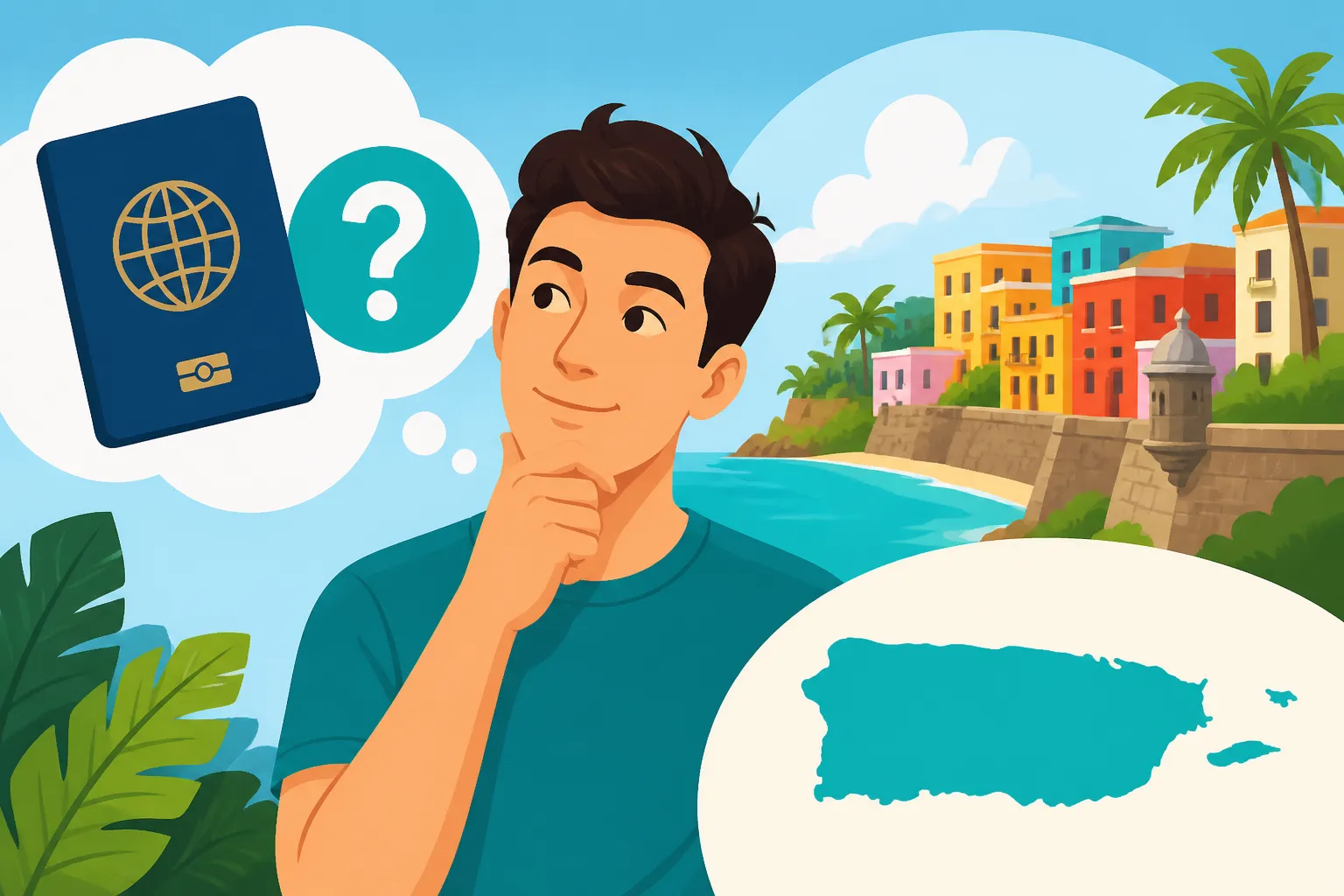
Let’s get this out of the way right from the start, because it’s a question that brings a lot of unnecessary anxiety: If you are a U.S. citizen, you absolutely do not need a visa to move to, live in, or work in Puerto Rico. Period. Full stop. You also don't need a passport to travel between the mainland U.S. and Puerto Rico, although having one for identification purposes is always a good idea, especially for official processes.
Puerto Rico is a U.S. territory, which means that its residents are U.S. citizens. This is a fundamental aspect of the island’s political status and has direct implications for your ability to relocate here. You have the same rights to live and work here as you would moving from, say, New York to Florida, or California to Texas. This is a huge relief for many, as navigating international visa processes can be an absolute nightmare of bureaucracy, paperwork, and long waiting times. The freedom of movement granted by your U.S. citizenship means one less colossal headache to worry about when you're planning your big move to the Caribbean. However, don't let this ease lull you into a false sense of security; while there's no visa, there are plenty of other administrative hoops to jump through.
Why Your US Citizenship Is Your Golden Ticket
Being a U.S. citizen means you benefit from the Insular Cases rulings and subsequent legislation that integrate Puerto Rico into the U.S. legal and economic framework, albeit with certain distinctions. For immigration purposes, it's essentially treated as an interstate move. This makes Puerto Rico a unique and attractive destination for Americans seeking a tropical lifestyle without the complexities of foreign immigration. You won’t need to apply for residency permits, worry about work authorizations, or deal with any of the typical immigration challenges faced by those moving to other countries. This status also means that your U.S. driver's license is generally recognized for a period, and you can freely open bank accounts and seek employment just like any other U.S. state. Understanding How US Citizenship Applies When Living in Puerto Rico can further clarify these benefits.
Debunking the Myths: What "No Visa" Truly Means
While the absence of a visa requirement simplifies things immensely, it doesn't mean you can just hop on a plane with a suitcase and seamlessly integrate into life here without any preparation. Many newcomers mistakenly think "no visa" translates to "no paperwork," and that's simply not true. It means you won't deal with immigration paperwork, but you'll certainly face plenty of local administrative paperwork. For instance, establishing bona fide residency for tax purposes, which is a common goal for many relocating here, involves a strict set of criteria, including the "183-Day Rule." This is very different from simply being allowed to enter the territory. Also, while you don't need a visa, you will need to update your official documents, transfer licenses, and register with local authorities for things like utilities, vehicle registration, and taxes.
The Real Hurdles: Beyond the "No Visa" Myth
Okay, so we've established that the visa question is a non-issue for U.S. citizens. Great! But now for the cold, hard truth: moving to Puerto Rico still comes with its own unique set of administrative and logistical challenges that can often feel just as complex as a visa application, if not more so, simply because you don't expect them. Many people arrive here, thinking it'll be a breeze like moving to another state, and quickly find themselves overwhelmed by the differences in bureaucracy, language, and culture. It's not a visa, but it's a whole lot of other "stuff."
Establishing Bona Fide Residency: The Key to Local Benefits
For many U.S. citizens, the primary motivation for moving to Puerto Rico, beyond the stunning beaches and vibrant culture, is often the potential tax benefits, especially those under Act 60. To qualify for these, or simply to be treated as a resident for local income tax purposes, you must establish what the IRS calls "bona fide residency." This isn't just about showing up; it's about demonstrating a genuine intention to make Puerto Rico your permanent home.
The IRS has three main tests for bona fide residency: the Presence Test, the Tax Home Test, and the Closer Connection Test. The Presence Test, for instance, typically requires you to be physically present in Puerto Rico for at least 183 days during the tax year. That’s more than half the year! Keeping meticulous records of your travel dates is paramount. I've known more than a few expats who thought they could just "wing it" and ended up in hot water with tax authorities because they hadn't properly documented their time on the island. The Tax Home Test requires your main place of business or employment to be in Puerto Rico, and the Closer Connection Test assesses where your primary social, economic, and family ties are. This isn't just a casual checklist; it's a rigorous standard that requires a true commitment to making Puerto Rico your home. Understanding Bona Fide Residency in Puerto Rico: The Definitive Tax Guide goes into much more detail on this critical aspect.
The Paperwork Avalanche: What You Do Need
Even without a visa, you'll feel like you're drowning in paperwork the first few months. Think about all the things you update when you move stateside: driver's license, car registration, bank accounts, voter registration, utility accounts, school enrollments. Now imagine doing all that in a new place where the primary language is Spanish, systems are often outdated, and processes might not be as streamlined as you're used to.
First, you'll need to update your driver's license at a CESCO (Driver Services Center). This isn't just a quick swap; you’ll need specific documents like proof of address (often a utility bill, which you can't get until you have an address!), your Social Security card, and often a birth certificate. The process can be time-consuming, requiring multiple visits, and patience is definitely a virtue. Similarly, registering your vehicle, whether you brought it from the mainland or bought one here, involves another trip to CESCO, inspections, and more documents. For those moving pets, you'll also need health certificates and vaccination records. While you don't need a visa, understanding the documents needed to move to Puerto Rico will save you a lot of headaches.
Logistical Challenges of the Move Itself
Beyond the official documents, the sheer logistics of moving your entire life to an island can be daunting. Planning your move to Puerto Rico step by step will help you manage the complexities. Shipping your household goods, your car, or even your beloved pets requires careful coordination and can be expensive. Freight services can be slow, and customs (even though it's U.S. territory, there are still agricultural inspections) can hold things up. This is where services like Sirelo can be incredibly helpful. They provide resources and connect you with international movers who understand the specifics of relocating to an island like Puerto Rico. Trying to coordinate all this yourself, especially from a distance, can easily lead to unforeseen delays and costs. Remember, everything comes by ship or plane, and that adds layers of complexity that don't exist in a cross-country move on the mainland.
Practical Steps for a Smooth Relocation
So, while you might not need a visa, you still need a game plan. Moving to Puerto Rico is an adventure, but like any big adventure, it requires preparation. Many newcomers arrive here unprepared and quickly get disheartened by the bureaucratic hurdles and cultural adjustments. A little foresight goes a very long way in making your transition a pleasant one rather than a frustrating one.
Getting Your Affairs in Order Before You Go
Before you even book your one-way ticket, there are crucial steps you should take on the mainland. First, gather all your vital documents: birth certificates, marriage licenses, Social Security cards, academic transcripts, professional licenses, and medical records. Get certified copies of everything, and consider having important documents apostilled if you foresee any need for international recognition (though for most US citizens moving to PR, this isn't strictly necessary, it doesn't hurt). Make sure your driver's license is current, and if you plan on driving here, familiarize yourself with Puerto Rico's driving laws.
Next, address your financial situation. While you can open a bank account in Puerto Rico as a newcomer, it’s often easier to do so with an existing mainland account and then transfer funds. Research local banks like Banco Popular or Oriental Bank. Consider health insurance options. While your mainland plan might offer some emergency coverage, it's usually best to secure local coverage or a global plan like those offered by Cigna Global once you establish residency. You certainly don't want to be caught in a medical emergency without understanding Emergency Medical Care in Puerto Rico: What Every Resident Needs to Know. Also, notify your existing creditors and banks of your impending move and new address to ensure no interruptions in service.
Essential First Steps Upon Arrival
Once your feet hit the ground in Puerto Rico, the real work begins. Your immediate priorities should be securing stable housing and getting your essential utilities set up. Finding a place to live can be tricky; many rentals are found through local real estate agents or word-of-mouth rather than online listings. Once you have a lease, setting up electricity with LUMA Energy and water with AAA is paramount. Be prepared for potentially long wait times and multiple visits to their offices. Many newcomers report waiting weeks for utility connections, so patience is key. The Newcomer's Guide to Setting Up Utilities (LUMA/AAA) in Puerto Rico is an absolute must-read.
After housing and utilities, tackle your identification and transportation. Transferring your mainland driver's license to a Puerto Rico license is essential, as is registering your vehicle. These processes take time and require specific documentation. While public transportation exists, especially in the San Juan metro area, a personal vehicle is almost a necessity for truly experiencing the island. Finally, make sure you understand how Puerto Rico taxes work: federal vs local (Hacienda) explained, especially if you're aiming for tax incentives, and register with Hacienda. These initial steps are the foundation of your new life here, and getting them right sets you up for success.
Addressing Common Misconceptions & Realities
Moving anywhere new is bound to come with a set of expectations, some of which will be met, and others that will quickly be shattered by reality. Moving to Puerto Rico, even as a US citizen, is no different. It's an island paradise with its own set of challenges, and acknowledging them beforehand can save you from significant culture shock and frustration.
Mainland vs. Island Life: Expectations vs. Reality
One of the biggest misconceptions newcomers have is that Puerto Rico is just "another state" with better weather. While politically it's integrated with the U.S., culturally and administratively, it's a world apart. The pace of life is slower, often referred to as "island time." Bureaucracy can feel more convoluted and less efficient than on the mainland, requiring a level of patience many mainlanders aren't accustomed to. Customer service standards might also differ, and you'll find that personal connections (known as contactos) often smooth the path where official processes might falter.
The infrastructure, particularly outside of major metropolitan areas like San Juan, can be less developed than what you're used to. Power outages, while less frequent since LUMA Energy took over, are still a reality. Internet speeds can vary wildly depending on your location and provider. Learning at least basic Spanish is not just polite but often necessary for daily life, even if many people in tourist areas speak English. Don't expect everything to be exactly as it is on the mainland. Embrace the differences, and you'll thrive.
The "Act 60" Context: More Than Just Tax Savings
Many U.S. citizens move to Puerto Rico specifically to take advantage of Act 60, Puerto Rico’s tax incentive program for individual investors (Act 60-2019) and export services businesses. While these incentives can offer significant tax savings, it's crucial to understand that Act 60 status is not a "visa" or a fast-track to residency. It's a tax decree with its own stringent requirements that sit on top of the general bona fide residency rules. Applying for Act 60 (Individual Investor) Benefits in Puerto Rico involves a separate application process with the Puerto Rico Department of Economic Development and Commerce (DEDC), requiring annual compliance and significant investment in the local economy.
It's a serious commitment and shouldn't be taken lightly. The benefits are real, but so are the obligations. You still need to live here for the required 183 days, establish your tax home, and demonstrate a closer connection to Puerto Rico. Think of Act 60 as a powerful tax tool available to bona fide residents, not as the means by which you become a resident. Many excellent resources, including specific legal and accounting firms, exist to help navigate this complex area, but always remember it’s part of your overall residency planning, not a replacement for it.
Key Relocation Steps for US Citizens to Puerto Rico
| Step | Description | Timing | Key Documents/Considerations |
|---|---|---|---|
| 1. Research & Planning | Understand cost of living, neighborhoods, job market, and culture. | 3-6 months before move | Budget, preferred areas (e.g., San Juan, Dorado, Rincon) |
| 2. Financial Prep | Inform banks, research PR banks, consider health insurance (e.g., Cigna Global). | 2-3 months before move | Existing bank statements, credit history, health records |
| 3. Document Gathering | Collect and make copies of all vital personal, medical, and legal documents. | 1-2 months before move | Birth certificates, SSN cards, marriage licenses, school records |
| 4. Housing & Utilities | Secure a rental or property. Arrange for LUMA (electricity) and AAA (water) setup. | Upon arrival / 2-4 weeks prior if possible | Lease agreement, proof of identity |
| 5. Transportation | Transfer driver's license, register vehicle. | Within 30-60 days of arrival | Mainland license, proof of address, vehicle title, inspection |
| 6. Establish Residency | Take steps to meet Bona Fide Residency tests (e.g., 183-day rule). | Ongoing from day 1 | Keep travel records, update addresses, register to vote |
| 7. Health & Medical Care | Find a primary care doctor, understand local health system options. | Within first few months | Insurance cards, medical history |
| 8. Shipping Belongings | Coordinate moving companies (e.g., through Sirelo) for household goods. | Prior to move & upon arrival | Inventory list, shipping manifests |
Navigating Local Bureaucracy and Services
The reality of moving to Puerto Rico is that while you avoid the formal visa process, you enter a world where patience and persistence become your most valuable assets. Don't underestimate the time it takes to get things done, from opening a bank account to registering your car. The systems are different, often less digitally integrated, and heavily reliant on in-person visits and paper documentation.
For instance, finding and registering with a primary care doctor in Puerto Rico involves navigating local healthcare networks. If you're coming from the mainland, you'll notice differences in how specialist referrals work under Puerto Rico health plans. It's not uncommon to need a referral for specialized care, and understanding this system is vital. Similarly, for your vehicles, while you might transfer your mainland license, you'll quickly become familiar with the Marbete (vehicle sticker) and inspection in Puerto Rico, which is an annual requirement and another administrative task you'll need to master.
Many expats who came down thinking it would be just like moving to Florida, only to be hit by the reality of bureaucracy here. It’s not necessarily worse, just different, and it requires a mental shift. Embrace the challenge with a good sense of humor, a healthy dose of patience, and perhaps a friendly local who can guide you through the maze of offices and requirements. Don't be afraid to ask for help, whether it's from a seasoned expat group online or a local friend. We've all been there!
Disclaimer
The information provided in this article is for general guidance and informational purposes only, and does not constitute legal, financial, or tax advice. While we strive to keep the information up-to-date and correct, processes and regulations in Puerto Rico can change frequently. It is essential to consult with qualified local professionals, such as attorneys, accountants, and real estate agents, for advice tailored to your specific situation before making any decisions related to your relocation or residency in Puerto Rico.