How Do I Set Up Propane Gas for My Puerto Rico Home?
Moving to Puerto Rico, you quickly realize that setting up your home utilities isn't always as straightforward as it might have been back on the mainland. From navigating LUMA's electricity grid to understanding water services, there's a unique rhythm to getting settled here. One area that often leaves newcomers scratching their heads is propane gas, especially if you're used to natural gas pipelines or solely electric homes. This guide is here to demystify the process, walking you through everything you need to know about setting up propane gas for your Puerto Rico home, ensuring you have reliable fuel for cooking, heating, and more.
Understanding Propane in Puerto Rico: Why You Might Need It
When you picture utilities, many folks from the mainland might think of natural gas lines running directly to their homes, or maybe they’re accustomed to everything being electric. Here in Puerto Rico, things are a little different. Natural gas isn't widely distributed for residential use, so propane (often called gas licuado or LP gas) steps in to fill that void for many essential household functions. It's not just for outdoor grills anymore; for many of us, propane is an integral part of daily life on the island.
Common Uses for Propane in Island Homes
You'd be surprised how many things run on propane in a typical Puerto Rico home. It's far more prevalent than back in the states, and for good reason – it offers a reliable alternative to electricity for several key appliances, which can be a real blessing during power fluctuations or outages.
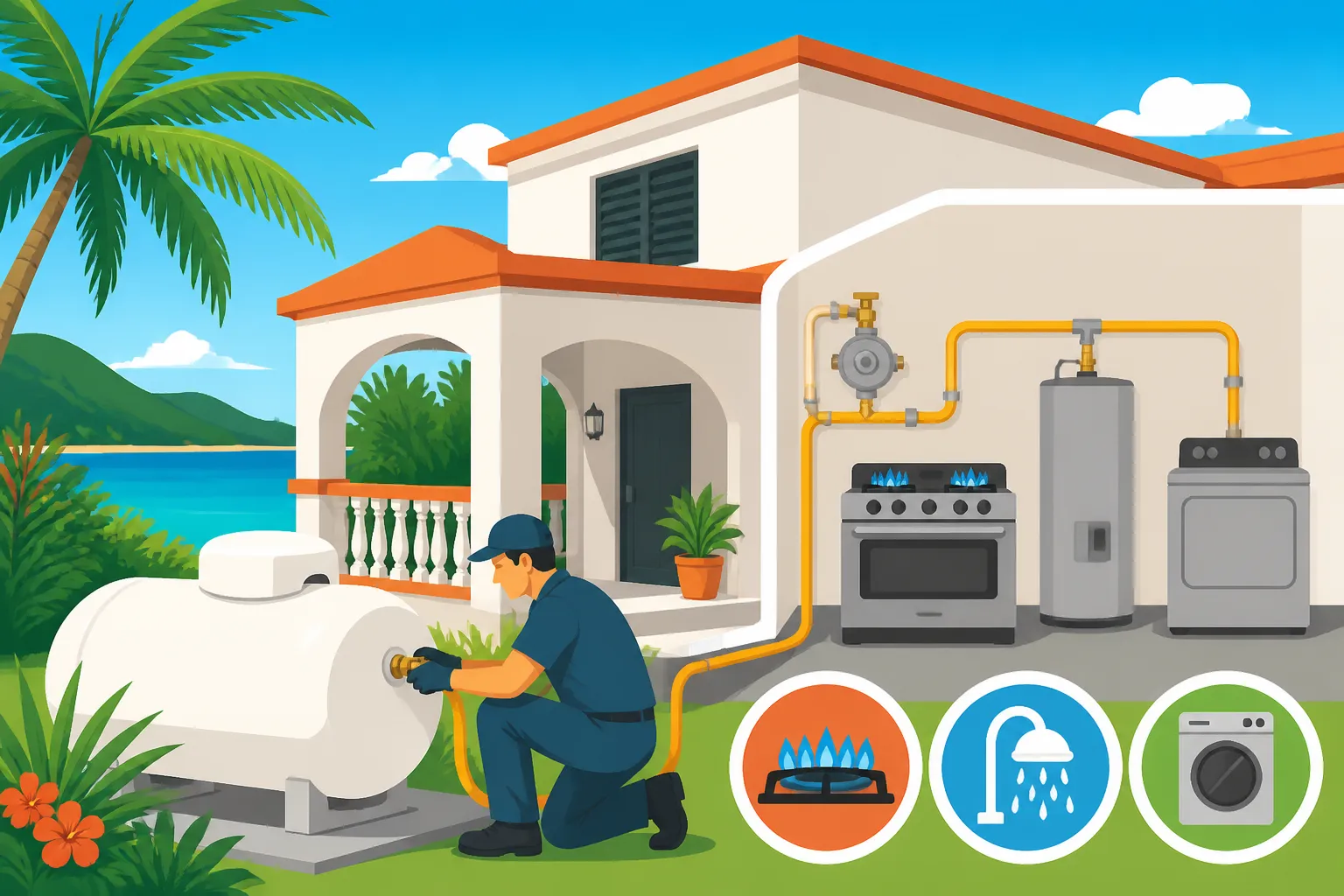
- Cooking Ranges and Ovens: This is probably the most common use. Many homes, especially older ones or those outside major urban centers like San Juan, come equipped with gas stoves. Even new construction often includes the hookups because many residents prefer cooking with gas for its instant heat and precise temperature control. If you're passionate about cooking, you'll likely want a gas range.
- Water Heaters: While you can certainly find electric tankless or tank water heaters, propane models are incredibly popular here. They often provide more consistent hot water, and if the power goes out (which, let's be honest, it sometimes does), a gas water heater can still function, assuming it doesn't rely on an electric igniter or has a battery backup. There's nothing quite like still having hot showers during a blackout.
- Clothes Dryers: Similar to water heaters, propane clothes dryers are an efficient choice. They can be faster and, for some, more cost-effective than their electric counterparts. Again, the independence from the main power grid during an outage is a huge plus.
- Generators: For those who’ve truly embraced preparedness (and after a hurricane or two, you learn to appreciate it), many backup generators in Puerto Rico run on propane. Having a dedicated propane tank for your generator means you can keep essential appliances running, like your refrigerator or a few fans, without constantly refueling a small gasoline generator. This can be a game-changer when the grid takes its time coming back online. If you're exploring Understanding Solar Power and Backup Generators in Puerto Rico, you'll see how critical a reliable fuel source like propane can be.
Propane vs. Electric: The Puerto Rico Reality
The choice between propane and electric isn't just a matter of preference here; it's often a strategic decision based on cost, efficiency, and most importantly, reliability. The electricity grid, managed by LUMA Energy, has seen its share of challenges. While improvements are always underway, power interruptions, known as apagones, are a fact of life. This makes propane a very attractive option for essential services.
Propane can sometimes be more expensive per therm than electricity, but its efficiency for certain tasks, like heating water or cooking, can balance that out. Plus, the peace of mind of having a functional stove or hot shower when your neighbors are in the dark is, for many expats, priceless. When considering the overall The Complete Guide to Cost of Living in Puerto Rico (2026), these utility choices play a significant role.
Here's a quick comparison of typical household uses:
| Feature | Propane Appliances | Electric Appliances |
|---|---|---|
| Availability | Requires a tank and delivery service | Tied to the grid, but widely available |
| Reliability | Functions during power outages (if no electric igniter) | Subject to grid stability |
| Cost | Varies with market price, tank size, and usage | Varies with LUMA rates, generally stable |
| Efficiency | High for cooking, water heating, and drying | Efficient for many uses, but can be slower for heat |
| Installation | Requires tank placement, gas lines, and professional hookup | Standard electrical wiring and outlets |
| Maintenance | Regular tank refills, line checks | Less frequent, but can be impacted by power surges |
| Common Uses | Stoves, water heaters, dryers, generators | AC units, refrigerators, most small appliances, some stoves/water heaters |
Finding a Propane Supplier and Getting Service Started
Alright, so you've weighed your options, and you're ready to dive into the world of propane. Excellent choice! Now comes the practical part: finding a supplier and getting that service running in your new home. This isn't like signing up for electricity with LUMA or water with AAA; it involves a bit more hands-on coordination. But don't fret, it's totally manageable once you know the ropes.
Researching Local Propane Providers
There are several major propane gas companies operating across Puerto Rico, and chances are, wherever you've settled, you'll have at least a couple of options. The biggest players you'll typically encounter are Tropigas and Totalgaz (now often operating under the TotalEnergies banner). There are also smaller, local distributors who might serve specific regions.
When you're first moving in, especially if you're tackling your The Complete Guide to Moving to Puerto Rico: Your First 90 Days (2027), reach out to these companies. Don't be shy about calling them or, even better, visiting their local offices if you're in a smaller town. Here's what to consider and ask:
- Coverage Area: Does the company service your specific town or barrio? Most major companies have island-wide distribution, but it's always good to confirm.
- Tank Options: They typically offer different tank sizes, from smaller 100-pound cylinders (which can sometimes be exchanged at hardware stores like Ferretería Ace or National Lumber) to much larger 120-gallon or even 250-gallon tanks that are installed on your property. Your usage, space, and aesthetic preferences will dictate the best size.
- Delivery Schedules: Do they offer automatic scheduled deliveries, or do you need to call when your tank is low? Automatic delivery can be a real lifesaver, ensuring you never run out unexpectedly.
- Cost and Pricing: Ask about the current price per gallon. Propane prices can fluctuate, so it's good to understand their billing structure. Some companies might offer a slightly lower rate for larger tanks or automatic delivery customers.
- Installation Services: Do they handle the full installation of the tank and connection to your home's existing gas lines, or do you need to hire a separate licensed plumber for the internal connections? Often, the propane company will install the tank and connect it to the main line, but your internal appliance connections might be your responsibility or require a specific technician.
- Customer Service: This is huge. Ask about emergency services, how easy it is to reach them, and if they have English-speaking staff, which can be a relief if your Spanish isn't quite up to technical jargon yet.
If you're still on the mainland or just arrived, and you're coordinating a lot, remember that clear communication is key. Having a reliable phone connection is crucial. Consider getting an eSIM from a provider like Airalo to ensure you have data and calling capabilities as you make these arrangements.
The Installation Process: Tanks, Lines, and Safety
Once you've chosen a provider, they’ll schedule a visit to assess your property and install the tank. This isn't just dropping off a cylinder; for larger tanks, it's a significant installation.
- Site Assessment: A technician will come to your home to determine the best and safest location for the propane tank. This usually involves ensuring it's a certain distance from windows, doors, property lines, and ignition sources, all adhering to local safety regulations and fire codes. They'll also consider accessibility for delivery trucks.
- Tank Placement and Foundations: The tank, depending on its size, might be placed on a concrete pad or secured to the ground. They'll make sure it's stable and level.
- Line Installation: The propane company will run the exterior gas lines from the tank to your home's main gas intake point. These lines need to be properly secured and protected.
- Connection and Leak Test: Once the lines are run, they'll connect everything and perform a thorough leak test to ensure there are no escapes, which is absolutely critical for safety. They'll also check the pressure.
- Permits and Inspections: Depending on the size of the tank and the extent of the installation, your municipality or the Cuerpo de Bomberos (Fire Department) might require specific permits or inspections. The propane company should be able to guide you on this, but it's always wise to ask directly to avoid future headaches. Often, for standard residential installations, the propane company handles the necessary certifications for their equipment. However, if you're building new or doing extensive renovations, your general contractor will be responsible for obtaining all pertinent permits.
- First Fill: After installation and safety checks, your tank will get its initial fill. This is when the service truly begins!
It’s important to remember that any internal gas lines within your home that connect from the main intake to your specific appliances (stove, water heater, etc.) should be installed or checked by a licensed plumber. The propane company's responsibility typically ends at the main supply line entering your home. When you're managing all the logistics of moving, from coordinating with movers (perhaps with help from a service like Sirelo) to getting utilities sorted, ensure you have a clear understanding of who is responsible for each part of the gas setup.
Managing Your Propane Supply: Deliveries, Costs, and Troubleshooting
Once your propane system is up and running, the journey doesn't end there! Now it's about keeping that gas flowing smoothly and managing the ongoing aspects of your service. It's truly a different rhythm than electricity or water, and understanding how deliveries work and what costs to expect will save you a lot of stress.
Delivery Schedules and Refill Options
This is where planning truly comes into play. You don't want to run out of gas in the middle of cooking dinner or, worse, on a cold (by Puerto Rico standards, that is!) morning when you're craving a hot shower.
- Automatic Delivery: Many companies offer automatic delivery, which is hands down the most convenient option. They'll monitor your usage based on historical data, tank size, and current weather, then schedule refills before you run completely dry. This is usually managed by a sophisticated computer system that estimates your consumption. For example, if you have a 120-gallon tank, they know approximately how long it will last given your appliance load, and they’ll come fill it every few weeks or months. This is often recommended for new residents who are still getting a feel for their consumption patterns.
- Will-Call Delivery: If you prefer to manage it yourself, you can opt for "will-call" service. This means you're responsible for checking your tank gauge regularly and calling the company when you're at about 20-30% capacity. This gives them enough time to schedule a delivery before you hit empty. The downside, of course, is the risk of forgetting to check and ending up without gas. Be prepared for a lead time of a few days, especially during busy periods or after a storm.
- Emergency Deliveries: Sometimes, despite your best efforts, you might run out. Most companies offer emergency delivery services, but be prepared for an extra fee and potentially longer wait times, particularly if it's outside business hours or during a high-demand period.
- Cylinder Exchange/Refill: For smaller, portable tanks (like those used for grills or small generators), you can often exchange empty tanks for full ones at hardware stores, supermarkets, and some gas stations. There are also designated refill stations where they'll fill your existing tank by the pound, which can sometimes be more cost-effective. However, this is usually not for the large residential tanks installed on your property.
Pro tip: Keep an eye on your tank gauge! It's usually a dial on the tank itself. Get into the habit of checking it once a week, especially if you're on will-call delivery.
Understanding Propane Costs and Billing
Propane prices in Puerto Rico, like anywhere else, can fluctuate based on global energy markets, transportation costs, and local demand. This means your bill won't be a fixed amount like some other utilities.
- Price Per Gallon: You'll typically be charged a per-gallon rate for the propane delivered. Ask your provider about their current rates and how often they might change.
- Delivery Fees: While often included in the per-gallon price, some companies might charge a separate delivery fee, especially for emergency or off-schedule deliveries.
- Tank Rental Fees: If you don't own your propane tank (most new residents will lease one from the provider), you'll likely pay a monthly or annual tank rental fee. This fee covers the cost of the tank itself, its maintenance, and any necessary repairs. It’s part of the convenience of having the company manage it.
- Installation Costs: As mentioned earlier, there might be an initial installation fee for setting up the tank and lines.
- Payment Methods: Most major propane companies accept various payment methods, including online payments, direct debit, and payments at their offices. Confirm what works best for you.
When comparing the overall The Cost of Healthcare in Puerto Rico: A Complete Breakdown for Newcomers (2026) or other living expenses, remember that utility costs like propane are variable and require budgeting flexibility.
Essential Safety Tips and Maintenance for Propane Users
Safety is paramount when dealing with any fuel source, and propane is no exception. While propane companies adhere to strict safety standards during installation and delivery, it's also up to you as the homeowner to practice good habits.
- Know the Smell of Propane: Propane is naturally odorless, but companies add a distinct rotten-egg smell (called mercaptan) so you can easily detect a leak. If you ever smell this odor, evacuate everyone immediately, don't use any electronics, and call the propane company or 911 from a safe distance.
- Never Store Propane Indoors: Smaller cylinders for grills should never be stored inside your home or garage. Always keep them outdoors in a well-ventilated area.
- Regular Inspections: Periodically visually inspect your tank and the exposed gas lines for any signs of damage, corrosion, or leaks. If anything looks amiss, call your propane provider immediately.
- Appliance Maintenance: Ensure your propane appliances (stove, water heater, dryer) are properly maintained. Have them serviced by a qualified technician if you notice any issues like yellow flames (instead of blue), pilot light problems, or unusual odors.
- Generator Safety: If you use a propane generator, always operate it outdoors in a well-ventilated area, far away from windows and doors, to prevent carbon monoxide poisoning. Have working carbon monoxide detectors inside your home.
- Emergency Shut-Off: Know where your main propane tank shut-off valve is located. In an emergency, turning this off can stop the flow of gas to your home. Your installer should show you this.
- Clear the Area: Keep the area around your propane tank clear of debris, overgrown vegetation, and anything flammable. This ensures safe access for deliveries and reduces fire hazards.
By understanding these aspects of propane management, you'll ensure a safe, reliable, and efficient fuel source for your Puerto Rico home. It might seem like a lot to learn at first, but like so many things when moving to a new place, it quickly becomes second nature.
Disclaimer
Please remember that while this guide provides comprehensive information based on general practices and local knowledge in Puerto Rico, regulations and services can change. This content is for informational purposes only and does not constitute professional advice. Always consult directly with licensed propane providers, qualified technicians, and relevant government agencies (such as the Cuerpo de Bomberos or local municipality) for the most accurate and up-to-date information specific to your situation. Prices, service availability, and regulations mentioned are subject to change.