What Is the Step-by-Step Process to Buy a Home in Puerto Rico?
So, you’ve fallen in love with la isla del encanto and decided it's time to plant some permanent roots here. Buying a home in Puerto Rico is an exciting prospect, a true milestone in making this island your forever home. But let's be real, the process can feel like trying to navigate a colmado during rush hour – a bit chaotic, full of surprises, and definitely not like what you might be used to back on the mainland. Don't worry, mi gente, I've been there, wrestled with the paperwork, and cheered at the closing table. This guide is going to walk you through the entire step-by-step process of buying a home in Puerto Rico, from dreaming to deed, helping you avoid common pitfalls and prepare for the unique quirks of the local real estate market.
Setting Your Sights: Initial Planning and Financial Groundwork
Before you even start scrolling through those dreamy beachfront properties on Zillow, you need to lay some serious groundwork. This isn't just about finding a pretty house; it's about making sure your finances are solid and you know exactly what you're looking for and where. Trust me, skipping these initial steps will only lead to headaches down the road.
Understanding Your Budget and Financing Options
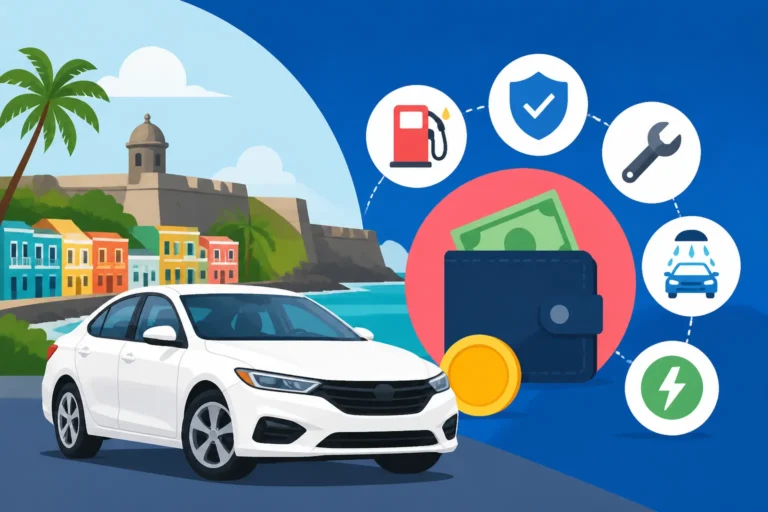
The very first thing you need to tackle is your budget. And I'm not just talking about the sticker price of the house. You need to factor in closing costs, potential renovations, and ongoing maintenance. This island life is beautiful, but it comes with its own set of expenses, like higher electricity bills or the need for a generator.
When it comes to financing, you essentially have two main paths: working with a local bank or trying to use a mainland lender. Most expats I know quickly discover that local banks like Banco Popular, Oriental Bank, or FirstBank are often the better route for a smooth transaction when buying a home in Puerto Rico. They understand the local market, the unique property laws, and the specific documents required by the government here. Getting pre-qualified or pre-approved by a local lender is crucial. This isn't just a suggestion; it’s a non-negotiable step. Sellers here, especially if they’re dealing with multiple offers, want to see that you’re a serious buyer with your finances in order. A pre-approval letter tells them you’re ready to roll.
Mainland lenders, while familiar, often struggle with the intricacies of Puerto Rico's property laws, appraisals, and legal structures. You might find yourself hitting roadblocks with underwriters who don't understand escrituras (deeds) or the local property registration system. This can lead to significant delays, increased stress, and even deals falling through. It's truly a different beast than buying property in say, Florida or California. For a deeper dive into the specifics, you can check out our guide on How to Get a Mortgage to Buy a Home in Puerto Rico. It covers everything from what documents you'll need to the pros and cons of local versus mainland lenders. Understanding Property Valuation and Mortgages in Puerto Rico is also vital to grasp how banks assess property here.
Defining Your Dream Home and Location
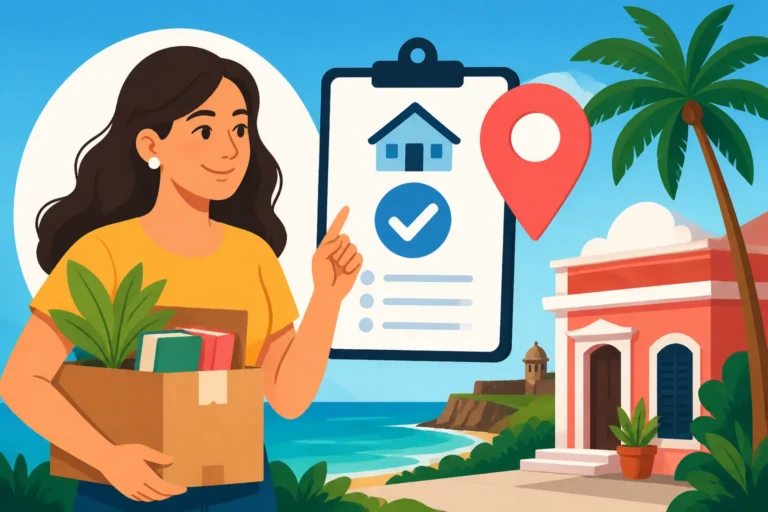
Once your finances are sorted, it’s time for the fun part: envisioning your ideal life here. Puerto Rico offers such incredible diversity, from the bustling city vibe of San Juan to the tranquil beaches of the west coast, or the lush mountains of the interior. What kind of lifestyle are you seeking?
- City Life: If you thrive on vibrant culture, incredible restaurants, and a more cosmopolitan feel, San Juan, particularly neighborhoods like Condado, Santurce, or Old San Juan, might be your perfect match. These areas offer a mix of historic charm and modern conveniences, often with stunning ocean views. However, space can be tight, and prices reflect the desirability.
- Beachfront Bliss: For those dreaming of waking up to the sound of waves, towns like Rincon on the west coast, Luquillo on the east, or parts of Dorado offer incredible beachfront or beach-adjacent properties. Rincon is famous for its surfing and laid-back vibe, while Dorado boasts luxury resorts and exclusive communities. Be prepared for prices to be higher in these sought-after areas, and remember that beachfront properties often come with unique insurance considerations, which we’ll discuss later. If you're curious about specific locations, our guide The Best Places to Live in Puerto Rico for Newcomers: A Complete Guide (2027) offers a fantastic overview.
- Mountain Retreat: If peace, quiet, and cooler temperatures are what you're after, consider the central mountainous regions. Here, you'll find more land, potentially larger homes, and a slower pace of life, surrounded by nature. However, you'll likely be further from major services and beaches.
Think about your daily needs: proximity to work (if you'll be working locally), schools for your kids, grocery stores, hospitals, and your favorite hobbies. Do you need an English-speaking community, or are you eager to immerse yourself fully in Spanish? These factors will significantly narrow down your search and help your real estate agent find properties that truly fit your vision. It's a balance between your dream and the reality of island living.
Navigating the Market: Finding and Securing Your Property
Okay, you’ve got your finances lined up, and a pretty clear picture of your ideal spot. Now comes the exciting part: diving into the actual property market. This stage requires patience, a good sense of humor, and definitely the right team.
Finding a Trusted Real Estate Agent
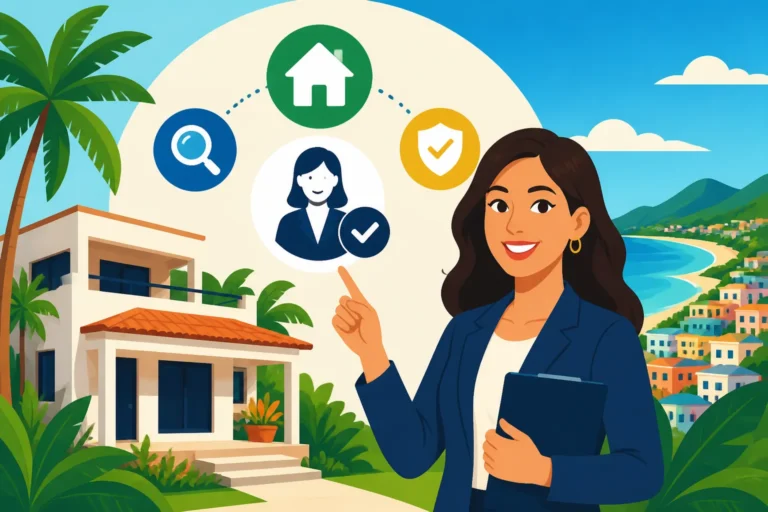
This is perhaps one of the most critical steps in buying a home in Puerto Rico. You absolutely need a local, experienced real estate agent who not only knows the market inside and out but also understands the unique needs and potential frustrations of newcomers. Someone who can translate not just the language, but the cultural nuances and expectations of buying property here.
A great agent will:
- Have a deep understanding of different neighborhoods, their pros and cons, and current market values.
- Be well-connected with local lenders, notaries, and home inspectors.
- Be proactive in finding listings, including those not widely advertised online.
- Be your advocate throughout the entire process, explaining every step and protecting your interests.
- Understand that "island time" is a real thing and help manage expectations regarding response times and scheduling.
Don't just pick the first agent you find online. Ask for referrals from other expats, join local expat social media groups, and interview a few different agents. Find someone you feel comfortable with, who communicates clearly, and who you trust to guide you through this significant investment. A good agent is your anchor in what can sometimes feel like a whirlwind. For more detailed advice, check out How Do I Find a Reliable Real Estate Agent in Puerto Rico?.
Property Search and Viewings
With your agent by your side, the property hunt begins! While online portals like Realtor.com and Clasificados Online (a popular local site) are good starting points, a great agent will often have access to private listings or properties not yet widely advertised.
Be prepared for a different viewing experience than you might be accustomed to. Homes here, especially older ones, might have different construction standards, electrical systems, or plumbing than what you’ve seen on the mainland. Don't be surprised by things like cisterns for water storage, reliance on gas stoves, or less robust window protections if hurricane shutters aren't installed. Your agent should point these things out, but it's good to go in with an open mind.
Also, be ready for "island time" when scheduling viewings. Appointments might get pushed back, or you might wait a bit for the seller or their agent to arrive. Patience, paciencia, is key here! This is also where having reliable mobile service comes in handy, especially when coordinating multiple viewings across different towns. If you're still getting set up with local services, a flexible eSIM plan from a provider like Airalo can be a lifesaver for staying connected without racking up huge roaming charges. It allows you to have data for maps, communication, and even quick searches while on the go.
As you view properties, keep your defined needs in mind. Does it truly fit your lifestyle? What are the potential repair costs? Is the neighborhood what you envisioned? Don't be afraid to ask lots of questions.
Making an Offer and Negotiation
Once you find "the one," it's time to make an offer. Your real estate agent will help you prepare a formal offer, which typically includes the purchase price, any contingencies (like a home inspection or financing approval), and your desired closing date.
Negotiation in Puerto Rico can be similar to the mainland, but sometimes with a bit more back-and-forth. Be prepared for counter-offers. Your agent will advise you on a fair market price based on comparable sales in the area. It’s also common to negotiate on included appliances or minor repairs.
Remember, once an offer is accepted, things can move quickly, or they can slow to a crawl, depending on the parties involved. Flexibility and good communication with your agent are essential during this phase.
The Nitty-Gritty: Due Diligence and Legalities
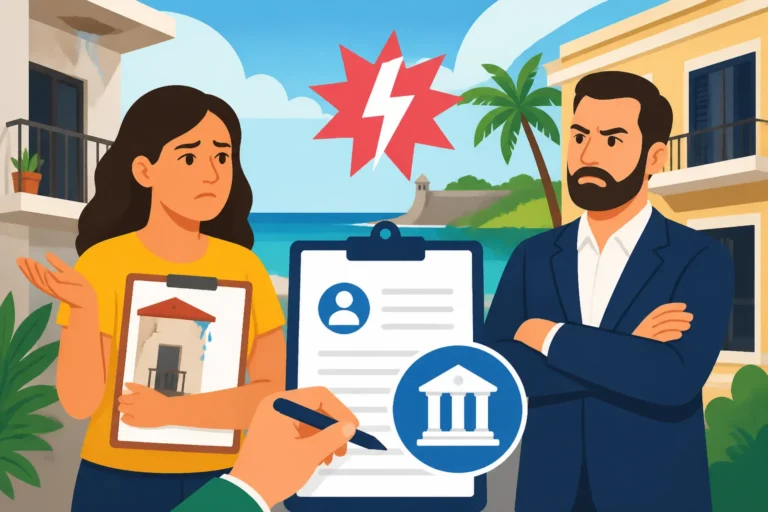
This is where the rubber truly meets the road. Once your offer is accepted, a significant amount of due diligence and legal heavy lifting begins. This phase is critical and demands attention to detail, as it can uncover issues that could impact your purchase or even lead you to reconsider.
The Importance of Due Diligence
Never, ever skip your due diligence when buying property in Puerto Rico. The island’s unique climate, seismic activity, and sometimes older infrastructure make thorough inspections non-negotiable.
- Home Inspection: Hire a qualified and independent home inspector. They should meticulously check the structural integrity, roof, plumbing, electrical systems, HVAC (if applicable), and look for any signs of mold, pest infestation, or water damage. Given the humidity and occasional heavy rains, a detailed inspection is paramount. Don't be afraid to ask for specifics regarding hurricane-proofing or general wear and tear unique to the Caribbean.
- Title Search and Property Records: This is where the legal team comes in. Your chosen notario (who acts as a public notary and legal conveyancer in Puerto Rico) will conduct a thorough title search in the Registro de la Propiedad (Property Registry). This search is crucial to confirm clear ownership, identify any existing liens (such as mortgages, judgments, or tax debts), easements, or other encumbrances that could affect your ownership rights. You absolutely do not want to inherit someone else’s legal or financial problems with the property. It's a common fear for newcomers, but a good notario will ensure everything is clean. For a deeper understanding of this process, delve into Understanding Property Ownership and Titles in Puerto Rico and How Do I Check a Property Title in Puerto Rico?.
- Permits and Zoning: Your notario or agent can help verify that any significant additions or renovations to the property have the necessary permits and that the property's use aligns with zoning regulations. This avoids potential headaches with the local planning board down the line.
This phase is about uncovering any skeletons in the closet before you commit. It might feel slow, but it's protecting your investment and your peace of mind.
Legal Representation: Selecting Your Notary and Attorney
In Puerto Rico, the role of a "notary" is vastly different from the mainland US. Here, a notario is a licensed attorney with additional qualifications who drafts and certifies all public instruments, including deeds, mortgages, and wills. They are essentially the legal professional who handles the conveyance process for both buyer and seller. However, it is imperative that you also retain your own independent attorney to represent your interests exclusively.
Your independent attorney will:
- Review all documents prepared by the notario to ensure they are correct and protect your rights.
- Advise you on any potential legal risks or concerns arising from the title search or other due diligence findings.
- Negotiate on your behalf if any issues arise during the process.
- Ensure compliance with all local laws and regulations.
Choosing a notario and an independent attorney who are experienced in real estate transactions involving expats is a game-changer. They should be able to explain the legal jargon in clear terms and guide you through the complexities. You can find a comprehensive list of What Documents Do I Need to Buy Property in Puerto Rico? in our dedicated article, which your legal team will help you gather and review.
Understanding Closing Costs and Insurance
Ah, closing costs – the hidden beast of any real estate transaction, and Puerto Rico is no exception. These fees can easily add 5-8% (or even more) to the purchase price, so you absolutely need to budget for them upfront.
Typical closing costs when buying property in Puerto Rico include:
- Notary Fees: The notario fee is often calculated as a percentage of the purchase price or a fixed rate.
- Recording Fees (Registro de la Propiedad): Fees to officially register your deed.
- Stamps and Vouchers (Sellos y Comprobantes): These are government-required stamps and vouchers attached to legal documents, a unique aspect of transactions here.
- Mortgage Origination Fees (if financing): Fees charged by your lender.
- Appraisal Fees: For the bank to assess the property's value.
- Title Insurance: Protects against defects in the title.
- Property Tax (CRIM) Adjustments: Pro-rated taxes between buyer and seller.
- Insurance Premiums: Initial payments for hazard, flood, and potentially hurricane insurance.
This can feel like a lot to absorb, but don't fret. Your notario and real estate agent will provide a detailed breakdown, often called a "Good Faith Estimate" or closing statement, well before closing. We have an in-depth article specifically on How Much Are the Closing Costs to Buy a Home in Puerto Rico? that will demystify these expenses. It's also worth looking into What Are the Hidden Costs of Buying Property in Puerto Rico? to be fully prepared for all potential expenses.
Regarding insurance, Puerto Rico is in hurricane alley, so you must secure adequate insurance. This typically includes hazard insurance (covers fire, theft, etc.) and potentially separate hurricane and flood insurance policies, depending on the property's location. Lenders will require hazard insurance, and if the property is in a designated flood zone, flood insurance is mandatory. Even if it's not mandatory, it's highly advisable for coastal properties. Our guide on Understanding Flood Zones and Hurricane Insurance in Puerto Rico is a must-read for any property owner here.
Closing the Deal: From Signing to Settling In
You’ve navigated the market, weathered the due diligence, and survived the legal maze. Now, it’s time for the grand finale: closing day! This is the moment you officially become a homeowner in Puerto Rico.
The Closing Process
Closing day is typically held at the notario's office. It’s a formal affair, and while it might take longer than a mainland closing, it’s a moment to celebrate. You, the seller, both your agents, and your notario will be present. If you have your own attorney, they should also be there to represent you.
Here's what generally happens:
- Document Review: Everyone reviews the escritura de compraventa (deed of sale) and all associated legal documents. Your notario will read out the key terms, often in Spanish, and ensure everyone understands. If you need it translated, make sure your attorney or a certified translator is there to help.
- Signing: You and the seller will sign the deed and any other necessary paperwork, including mortgage documents if you’re financing. This is where the notario truly earns their fee, affixing their official seal and ensuring all legal requirements are met.
- Fund Transfer: The funds for the purchase are transferred from your bank (or your lender) to the seller. This usually happens via wire transfer.
- Key Exchange: Once all documents are signed and funds are confirmed, you get the keys! Congratulations, you are officially a property owner in Puerto Rico!
Don't be surprised if the actual deed registration takes a few weeks or even months after closing. The notario submits the deed to the Property Registry, and the processing time can vary. You’ll receive a certified copy of the escritura at closing, and the original will be mailed to you once it’s fully registered.
For those planning the logistics of the move itself, remember that securing your belongings from the mainland to Puerto Rico can be an undertaking. Services like Sirelo can assist with finding reputable moving companies and comparing quotes, taking some of the stress out of coordinating your move. They specialize in international and complex relocations, which a move to Puerto Rico often feels like!
Post-Closing Essentials: Utilities and Registration
Getting the keys is just the beginning of your journey as a homeowner here. There are a few critical steps you need to take immediately after closing to ensure a smooth transition.
- Utility Transfers: The first thing on your list should be transferring utility accounts into your name.
- Electricity (LUMA Energy): You’ll need to contact LUMA Energy to set up your electricity service. This often involves an application, proof of ownership (your new deed), and a deposit. Trust me, you don't want to live without power, even for a day. Our guide How Do I Set Up LUMA Electricity After Moving to Puerto Rico? provides a detailed walkthrough.
- Water (AAA – Autoridad de Acueductos y Alcantarillados): Similar to LUMA, you’ll need to contact AAA to get your water service in your name. Again, proof of ownership and a deposit are usually required. Find all the details in Understanding Water Service (AAA) and Bills in Puerto Rico.
- Internet and Cable: There are several providers on the island, including Liberty Puerto Rico and Claro. Choose the one that best suits your needs and arrange for installation.
- Property Tax Registration (CRIM): Your notario should handle the initial notification to CRIM (Centro de Recaudación de Ingresos Municipales) about the change in ownership. However, it's a good idea to follow up and ensure the property tax records are updated with your name and mailing address. This ensures you receive future tax bills directly. You can find more about this in The Complete Guide to Property Taxes (CRIM) in Puerto Rico (2027).
- Change of Address: Don't forget to update your mailing address with the USPS and any other important institutions. This ensures you receive all your important mail at your new Puerto Rico home.
Moving to Puerto Rico and buying a home is a big adventure, filled with unique challenges and incredible rewards. While the process can feel overwhelming at times, with the right preparation, a solid team, and a healthy dose of patience, you'll be enjoying your slice of paradise in no time. Welcome home, vecino!
Important Disclaimer
Please note that this guide provides general information about the process of buying a home in Puerto Rico and is not intended as legal, financial, or real estate advice. Laws and procedures can change, and individual situations vary significantly. It is essential to consult with qualified local professionals, including a real estate agent, a notario, an independent attorney, and a financial advisor, before making any decisions related to purchasing property in Puerto Rico. We strive to provide accurate and up-to-date information, but cannot guarantee its completeness or suitability for your specific circumstances.