How Do I Get a Vehicle Inspection in Puerto Rico?
Okay, mi gente, let’s talk about something that can feel like a real rite of passage for us expats here in Puerto Rico: getting your vehicle inspected. It might sound like a simple, straightforward task, but trust me, navigating the system at CESCO or a private inspection center for the first time can feel like you’re trying to solve a coquí riddle in a hurricane. This guide is here to break down every step, demystify the process, and hopefully save you a few headaches and trips back and forth, so you can get that Marbete and enjoy the island roads with peace of mind.
The "Why" Behind Vehicle Inspections in Puerto Rico
You've moved to paradise, right? Palm trees, playas, endless sunshine… but with all that beauty comes a bit of bureaucracy, especially when it comes to keeping our roads safe and our vehicles up to par. Vehicle inspections here in Puerto Rico aren’t just a formality; they’re a fundamental part of maintaining road safety and environmental standards. If you're coming from a state with less stringent requirements, this might feel like a bit of an adjustment.
More Than Just a Sticker: The Marbete and Roadworthiness
In Puerto Rico, the annual vehicle inspection is directly tied to your Marbete, which is the official vehicle registration sticker that must be displayed on your car’s windshield. Think of it as your car’s annual health check-up. This inspection is a prerequisite for renewing your Marbete, and without a current Marbete, you’re essentially driving an unregistered vehicle, which can lead to fines and even your car being impounded. Believe me, that’s a headache you absolutely want to avoid.
The inspection ensures that your vehicle meets certain safety and environmental standards. It's about more than just avoiding a ticket; it's about making sure your brakes are working, your lights illuminate properly, your tires have enough tread, and your vehicle isn't spewing excessive pollutants into our beautiful island air. For many of us who are used to less rigorous systems on the mainland, this might seem like an extra hoop to jump through, but it's genuinely designed to protect everyone on the road. The system here aims to keep older or poorly maintained vehicles from becoming hazards, which, when you think about some of our narrower, winding roads, makes a lot of sense.
Who Needs an Inspection and When?
Pretty much every vehicle on the island needs an inspection at some point. For new vehicles, typically you’ll get a temporary Marbete that might last a year or two before your first official inspection. However, if you’re buying a used car, it’s highly likely you’ll need to ensure its inspection is current before you can complete the transfer of ownership. This is crucial for new residents who are in the process of learning How to Buy a Car as a Newcomer in Puerto Rico.
The most common scenario for needing an inspection is for your annual Marbete renewal. Your Marbete expires on the last day of the month indicated on the sticker (usually correlating to your last name or license plate number, but it’s best to just check the sticker itself). You can typically get your inspection done up to two months before the expiration date, which gives you a nice window to avoid the last-minute rush. If you let it expire, don't fret too much—you can still get it renewed, but you'll likely incur a penalty fee, so it's always better to be proactive. This is one of those administrative tasks that you just have to integrate into your yearly rhythm here, much like Understanding the Marbete Vehicle Sticker and Inspection in Puerto Rico.
Navigating the Inspection Process: Step-by-Step for Expats
Alright, let’s get down to brass tacks. You’ve got your car, you know you need an inspection, but where do you even begin? The process can feel a bit fragmented if you're used to a single DMV visit, but once you get the hang of it, it’s not too bad. The key is knowing what you need and where to go.
Where Do You Even Go? CESCO and Authorized Centers
Unlike some places where the government handles all inspections directly, Puerto Rico utilizes a network of authorized private inspection centers, often called Centros de Inspección Técnica (CIT) or Centros de Inspección Vehicular (CIV). These are privately owned businesses that are certified by the Department of Transportation and Public Works (DTOP). You’ll find them scattered across the island, typically recognizable by prominent signage indicating they perform vehicle inspections.
Your first step is to locate one of these centers. You can usually spot them near CESCO offices, but they are separate entities. A quick Google search for "Centro de Inspección Vehicular" in your local area (e.g., "Centro de Inspección Vehicular San Juan" or "Centro de Inspección Vehicular Mayaguez") will yield plenty of results. Remember, CESCO is where you go for things like your driver's license or How to Register and Title a Vehicle CESCO in Puerto Rico, but the actual physical inspection of your car happens at these authorized centers. Having reliable data on your phone is an absolute lifesaver. Whether it's for pulling up directions to the nearest CESCO via Google Maps or using a translation app, a service like Airalo can ensure you're always connected, especially when you're out and about dealing with paperwork and inspections.
What Documents Do You Need to Bring?
This is where organization really pays off, mi gente. Forget one paper, and you're turning right back around, losing precious time under the Caribbean sun. When you head to the inspection center, make sure you have the following essential documents:
- Your current vehicle registration (Licencia del Vehículo): This is the paper document that shows your car’s information and its current registration status. Don’t confuse it with your driver’s license.
- Proof of Liability Insurance (ACAA): In Puerto Rico, mandatory public liability insurance (Administración de Compensaciones por Accidentes de Automóviles, or ACAA) is automatically included in your Marbete fee. However, if you have additional private insurance, it's a good idea to bring that information along too, just in case. They’ll primarily be looking for the ACAA portion to ensure your car is covered.
- Your Driver’s License: Even though they're inspecting the car, they'll want to verify your identity.
- Your vehicle (of course!): This might sound obvious, but I've heard stories! Make sure the car is reasonably clean, especially the windshield where they'll need to work with the Marbete.
It might seem like a lot, but having everything in a neat folder will make the process much smoother. If you’re like me and always on the go, consider taking photos of your documents as a backup, just in case, or storing digital copies on your phone. And seriously, don't underestimate the power of being able to quickly look up a phrase or make a call without worrying about roaming charges; an eSIM from Airalo makes navigating these administrative hurdles so much easier.
The Inspection Itself: What Are They Looking For?
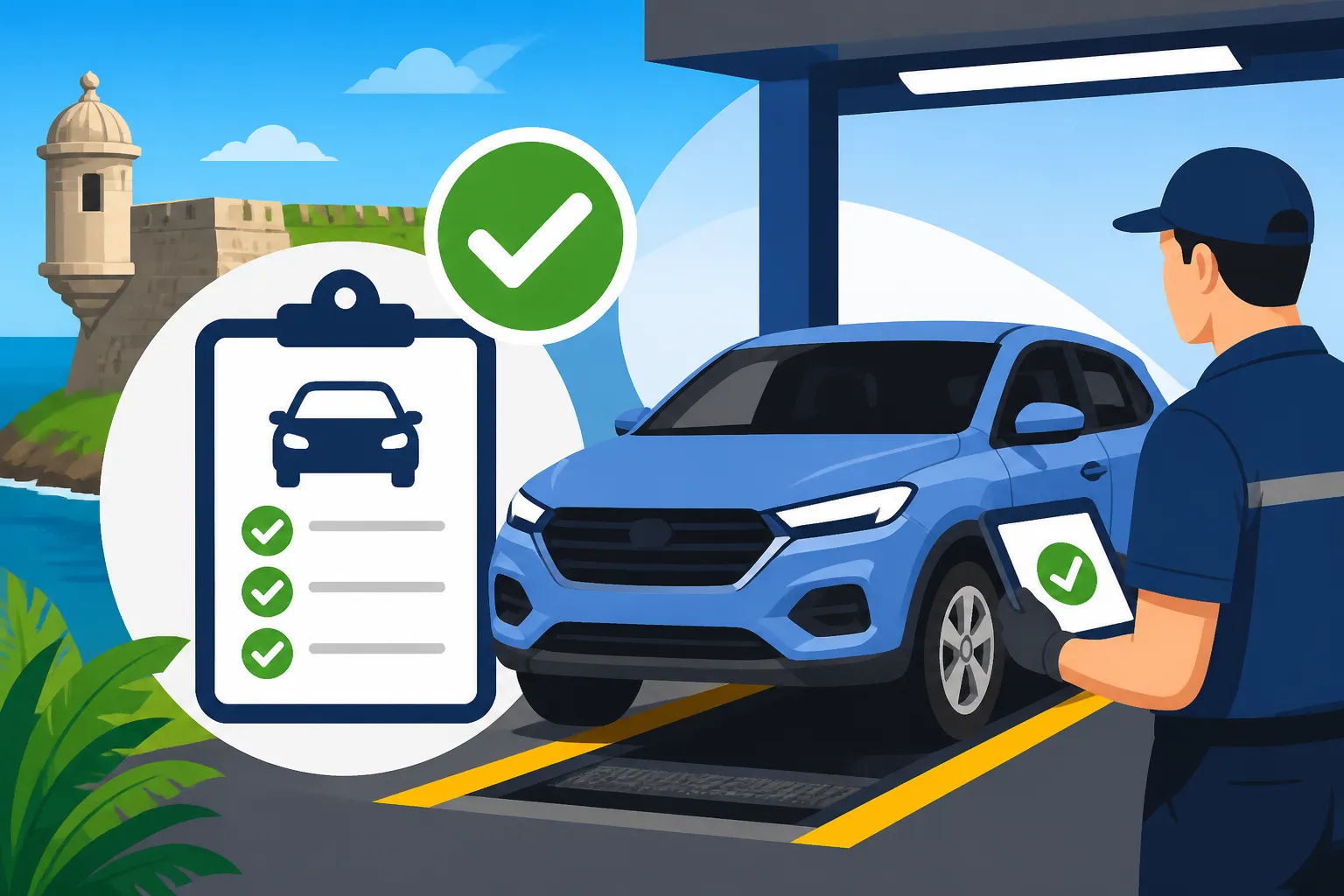
So you've arrived at the center with all your documents. What actually happens? The inspection itself is fairly comprehensive and usually takes about 15-20 minutes, depending on how busy they are and the condition of your vehicle. The inspector will check several key components to ensure your car is safe and roadworthy. Here’s a rundown of what they typically scrutinize:
- Lights: All exterior lights (headlights, tail lights, brake lights, turn signals, hazard lights) must be functional. They'll also check your license plate light.
- Brakes: Both your service brakes (foot pedal) and parking brake will be tested for effectiveness.
- Tires: They'll check the tread depth, ensure there are no major cracks or bulges, and that all tires match in type and size.
- Windshield and Wipers: Your windshield must be free of large cracks or obstructions. Wipers must work effectively.
- Horn: Must be in working order.
- Steering and Suspension: They’ll check for excessive play in the steering wheel and general integrity of the suspension system.
- Mirrors: All required mirrors (driver’s side, passenger’s side, rearview) must be present and in good condition.
- Seatbelts: All seatbelts must be functional.
- Window Tint: This is a big one in Puerto Rico. There are legal limits on how dark your window tint can be. If your tint is too dark, you might fail the inspection.
- Emissions (if applicable): Some vehicles may be subject to emissions testing, though it's not universal for all vehicle types and ages.
Once your vehicle passes, the inspection center will issue you a sticker (often a small decal or a printed receipt) and electronically update your vehicle’s record in the DTOP system. This electronic update is crucial because it allows you to then renew your Marbete either online through the SURI system, at a CESCO office, or at an authorized collection center like a bank or cooperative. This two-step process—physical inspection, then Marbete renewal—is a common point of confusion for newcomers, but once you know it, you're golden. Successfully getting your car inspected is a big tick off your relocation checklist, and for everything else involved in making Puerto Rico home, partners like Sirelo offer invaluable resources.
Common Issues and How to Prepare for Your Inspection
Nobody wants to fail an inspection. It means more time, more money, and another trip to the inspection center. While a thorough pre-check by a mechanic is ideal, there are many common issues you can easily identify and fix yourself before you even head out the door. Being prepared can save you a world of hassle.
Typical Reasons for Failing an Inspection
Many inspection failures are for surprisingly simple things that could have been fixed in minutes. Here are the usual suspects:
- Burnt-out Bulbs: This is probably the most frequent culprit. Check all your headlights (high and low beam), tail lights, brake lights, turn signals, and license plate light. Replacing a bulb is usually cheap and easy.
- Worn Tires: If your tire tread is too low, or if you have visible damage like sidewall bulges or exposed cords, you’ll fail. Invest in good tires; they're essential for safety on our roads, especially during rainy season.
- Excessive Window Tint: As mentioned, Puerto Rico has strict rules. If your front side windows or windshield are too dark, you’ll need to have the tint removed or replaced. Many places offer this service.
- Windshield Cracks: Small chips might pass, but significant cracks that impede vision or compromise structural integrity will result in a failure.
- Non-functional Wipers or Horn: Another easy fix. Make sure your wipers clear the windshield properly and your horn makes a proper sound.
- Brake Issues: If your brake pedal feels spongy, or your parking brake doesn't hold, you likely have brake problems that need professional attention.
- Mismatched or Missing License Plate: Ensure both front and rear plates are securely attached and clearly visible.
A quick walk-around your car and a check of all electrical components before you go can save you a return trip. It’s definitely worth taking the time to do this. Remember that proactive approach, it makes a huge difference in managing administrative tasks here, which are plentiful when you're busy setting up your life. If you're wondering about other vehicle-related tasks, like How Do I Register a Car in Puerto Rico?, similar preparation goes a long way.
Costs and Re-Inspection Procedures
The cost of a standard vehicle inspection in Puerto Rico is generally quite reasonable, typically ranging from $11 to $15. This fee is paid directly to the private inspection center. This cost does not include your Marbete renewal fee or any additional private insurance you may carry.
What happens if you fail? Don't panic! The inspection center will give you a detailed report outlining why your vehicle failed. You'll then have a set period (usually around 30 days) to address the issues and bring the car back for a re-inspection. Often, if you return within that timeframe and only failed for minor items, the re-inspection might be free or at a reduced cost. However, if you take too long or have a major failure, you might have to pay the full inspection fee again.
Here's a quick overview of costs and a preparation checklist:
| Item | Typical Cost (Approx. USD) | Notes |
|---|---|---|
| Vehicle Inspection Fee | $11 – $15 | Paid to authorized inspection center. |
| Marbete Renewal | Varies (starts ~$100) | Annual fee, includes ACAA. Paid separately after inspection passes. |
| Headlight Bulb | $10 – $25 (per bulb) | DIY or mechanic, depending on car model. |
| Wiper Blades | $20 – $40 (pair) | Easy DIY replacement. |
| Tire Replacement | $70 – $200+ (per tire) | Critical safety item, professional installation recommended. |
| Window Tint Removal/Replacement | $50 – $150+ | Depends on number of windows. |
| Diagnostic Fee | $60 – $120+ | If you suspect deeper mechanical issues, a mechanic check is wise beforehand. |
Pre-Inspection Checklist:
- Lights: Check headlights, high beams, turn signals, brake lights, tail lights, reverse lights, and license plate light.
- Tires: Check tread depth (use a penny test), look for cracks/bulges.
- Windshield: Look for significant cracks or chips. Ensure wipers work.
- Horn: Test it.
- Mirrors: Ensure all are present and not cracked.
- Seatbelts: Ensure all buckle and retract properly.
- Documents: Have your current registration, proof of insurance, and driver's license ready.
Taking these steps will significantly increase your chances of a smooth, one-and-done inspection experience.
Insider Tips for a Smoother Experience
Living in Puerto Rico means embracing a certain flow, and that definitely applies to administrative tasks. While some days things move like a dream, other days you might find yourself needing a little extra patience. Here are a few insider tips to make your vehicle inspection as painless as possible.
Language Barriers and Local Customs
While many people, especially in urban centers, speak English, don't assume everyone at every inspection center will be fluent. Having a basic grasp of Spanish phrases related to your car (e.g., "la inspección," "mi carro," "gracias") will go a long way. Better yet, have a translation app ready on your phone or, if you're really unsure, bring a local friend or neighbor who can help translate. Politeness and patience are key here. A friendly "¡Buenos días!" and a smile can make a huge difference in how smoothly your interaction goes. Remember, the people working there are just doing their job, often under busy conditions.
It's also a good idea to research inspection centers online. Some might have reviews mentioning if English speakers are available, or if they are particularly efficient. This proactive research can save you a frustrating trip. Also, for those still grappling with the language, understanding documents like How to Transfer Your Mainland Driver's License in Puerto Rico can be doubly challenging, so patience and preparation are your best friends.
Timing is Everything: Avoiding Long Lines
Nobody wants to spend half their day baking in the sun for a sticker. Timing your visit can drastically cut down on your wait time. Generally, avoid going during peak hours:
- Early mornings: Right when they open, everyone is trying to get in and out before work.
- Lunchtime: Another popular rush.
- Late afternoons: Before closing, people rush after work.
- Weekends: Especially Saturdays, are often the busiest.
Your best bet is often mid-morning or mid-afternoon during a weekday. Try a Tuesday, Wednesday, or Thursday between 10 AM and 12 PM, or 2 PM and 4 PM. Holidays or the last few days of the month (when Marbetes are expiring) are also notoriously busy, so plan accordingly. If you have the flexibility, try to go on a rainy day when fewer people are out and about. It sounds counterintuitive, but it often works! This kind of strategic planning is crucial for many aspects of Driving in Puerto Rico Licenses, Registration and Rules for Newcomers.
By being prepared, knowing what to expect, and approaching the process with a bit of patience and a friendly attitude, you'll find that getting your vehicle inspected in Puerto Rico is just another part of island life. And for those of you who just arrived, perhaps even using a service like Sirelo to bring your belongings and car down here, you're already tackling one of the big administrative hurdles of making this island your home. Keep at it, you've got this!
Disclaimer
The information provided in this guide is for general informational purposes only and does not constitute legal, financial, or professional advice. While we strive to provide accurate and up-to-date information, regulations and procedures in Puerto Rico can change. It is always recommended to consult with official government sources, legal professionals, or relevant agencies (such as DTOP or CESCO) for the most current and specific information regarding vehicle inspections and related requirements.