How to Enroll Your Child in a Puerto Rico School
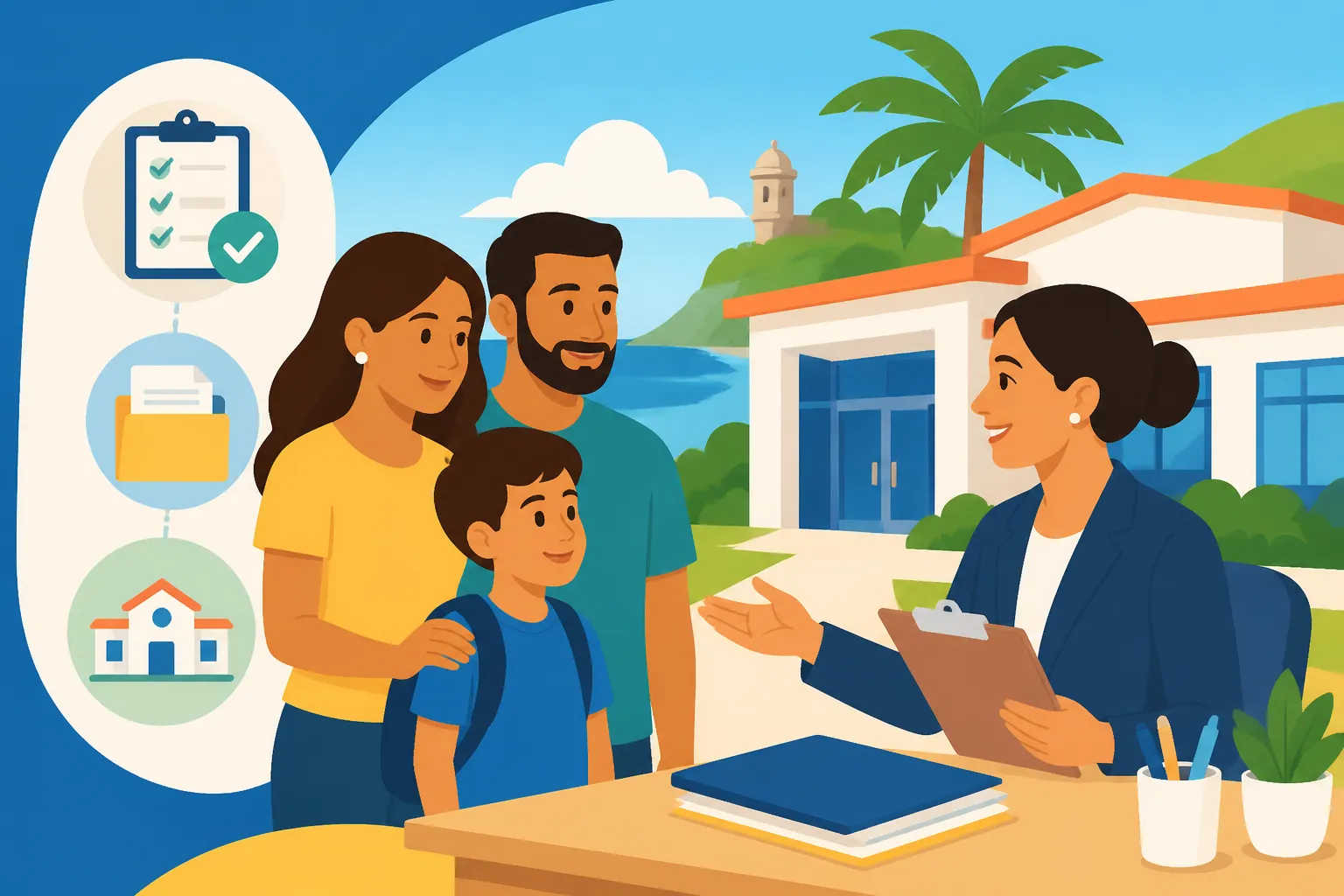
Moving to a new place is always an adventure, but for families with children, it often comes with a unique layer of stress: navigating a completely new education system. You're probably picturing yourself lost in a maze of forms, unfamiliar terminology, and endless questions about school zones or curriculum differences. This guide is here to untangle that knot, offering a clear, empathetic roadmap to successfully enrolling your child in a Puerto Rico school, whether you’re leaning towards public or private options.
Understanding Puerto Rico's Education System Landscape
When you first arrive in Puerto Rico, the sheer variety of educational institutions can be a little overwhelming. It's not just "schools" here; it's a diverse landscape with its own nuances, deeply influenced by both local culture and connections to the mainland U.S. Understanding the foundational differences is your first critical step.
Public Schools: The Department of Education (Departamento de Educación de Puerto Rico)
The public school system in Puerto Rico, overseen by the Department of Education (Departamento de Educación), serves the vast majority of the island's students. These schools are primarily Spanish-language institutions, meaning all core subjects—math, science, social studies, and language arts—are taught in Spanish. English is typically offered as a secondary language course, much like Spanish classes on the mainland. For children who are already fluent or nearly fluent in Spanish, this can be an incredible opportunity for cultural immersion and to truly connect with their new home. They'll quickly pick up local idioms and customs that might take others years to grasp.
However, for children coming from an English-only educational background, this can be a significant hurdle. Imagine being dropped into a classroom where you understand only a fraction of what’s being said. It can be frustrating, isolating, and academically challenging, at least initially. While some public schools might have a few teachers who are more comfortable in English, it's not the norm for daily instruction. The curriculum follows a specific local standard, and resources can vary widely between schools, often reflecting the socio-economic conditions of the surrounding communities. School zones are generally determined by your place of residence, so where you live will directly impact which public school your child can attend.
Private Schools: Bilingual and International Options
For many expat families, private schools become the go-to option, largely because they often offer bilingual or even fully English curricula, easing the transition for non-Spanish speaking children. You'll find a spectrum of private institutions across the island, particularly concentrated in metropolitan areas like San Juan and its surrounding municipalities (Dorado, Guaynabo, Caguas). Schools like TASIS Dorado, St. John's School in Condado, and Baldwin School in Guaynabo are well-known for their rigorous academic programs, often following American or international curricula, and usually boast strong English language instruction, sometimes even being entirely English-medium.
These private schools usually offer smaller class sizes, a wider range of extracurricular activities, and often more modern facilities compared to many public schools. They frequently have a diverse student body, including a significant number of expat children, which can create a supportive environment for newcomers. The trade-off, of course, is the cost. Private school tuition can be substantial, ranging from a few thousand dollars to well over $20,000 per year, depending on the school and grade level. However, for parents prioritizing an English-language education or specific academic programs, these schools provide a familiar and often smoother transition. If you're weighing your options, exploring Understanding the School System (Public, Private, Charter) in Puerto Rico can provide even more context.
Charter Schools and Specialized Programs
While not as widespread as on the mainland, Puerto Rico has seen the emergence of charter schools and other specialized educational programs designed to offer alternatives to traditional public schooling. Charter schools, for instance, are publicly funded but independently operated, often with innovative curricula or specific focuses, such as STEM or arts. These can sometimes offer a middle ground, providing more specialized instruction or a different learning environment than a typical public school, potentially with bilingual components, without the high tuition fees of private institutions.
Additionally, some specialized programs cater to students with particular talents or needs. These might include schools focused on vocational training, performing arts, or special education services. However, these are often limited in number and geographic reach, so they may not be an option in every community. It’s worth researching if your child has specific interests or needs that might align with such a program, but be prepared for a more niche and potentially competitive application process.
Choosing the Right Educational Path for Your Child
Deciding where your child will go to school in Puerto Rico is a deeply personal decision, influenced by many factors. It’s not just about what’s available, but what truly fits your family's unique situation. Take a deep breath and let's explore how to make the best choice.
Assessing Your Child's Needs and Language Proficiency
The first and most crucial step is to objectively assess your child. How old are they? What was their previous schooling like? Most importantly, what is their comfort level with Spanish? A toddler starting kindergarten has a remarkable capacity to absorb a new language and might thrive in a Spanish-speaking environment. They’ll soak it up like a sponge, often becoming fluent far quicker than their parents. However, a teenager transferring in high school with no prior Spanish exposure faces a much steeper climb. Academic success often depends on strong comprehension and communication skills, and trying to learn algebra or history in a new language simultaneously can be incredibly stressful and detrimental to their grades and self-esteem.
Consider their personality too. Is your child adaptable, outgoing, and excited by new challenges? Or do they tend to be shy, more comfortable in familiar settings, and easily frustrated by communication barriers? Also, don't forget any special educational needs your child might have. While both public and private schools in Puerto Rico are mandated to provide services, the quality and availability can vary. Researching how these needs are addressed in both systems is paramount.
Public vs. Private: A Comparative Look
To truly grasp the implications of choosing between public and private education in Puerto Rico, let's break down the key differences in a way that helps you visualize the impact on your child.
| Feature | Public Schools (Departamento de Educación) | Private Schools (e.g., TASIS, St. John's, Baldwin) |
|---|---|---|
| Cost | Free (funded by the government) | Significant tuition fees (can range from $5,000 to $25,000+ annually) |
| Language | Primarily Spanish instruction; English as a second language course | Often bilingual (English/Spanish) or fully English instruction; Spanish as a core subject |
| Curriculum | Aligned with Puerto Rico Department of Education standards; local focus | Often U.S. Common Core, IB, or other international standards; broader focus |
| Resources | Varies widely by school and district; generally fewer extracurriculars | Generally more robust, including diverse extracurriculars, sports, and arts programs |
| Class Size | Can be larger, especially in urban areas | Generally smaller, allowing for more individualized attention |
| Academic Rigor | Varies; can be strong, but inconsistent across the system | Often high academic standards; college preparatory focus |
| Student Body | Predominantly local Puerto Rican students; greater cultural immersion | More diverse, including many expat families and international students |
| Admissions | Based on residency/school zone; relatively straightforward | Competitive; requires applications, entrance exams, interviews; earlier deadlines |
For expat families, the language barrier is often the deal-breaker for public schools. If your child doesn't speak Spanish, the initial period will be incredibly tough. However, if immersion is your goal, and your child is young and resilient, a public school offers an unparalleled cultural experience and fluency in Spanish. You'll truly feel a part of the local community.
Private schools, on the other hand, provide a familiar academic environment, making the transition smoother, especially for older children. They often boast superior facilities, a wider array of specialized programs, and college counseling geared towards mainland universities. But this convenience comes at a significant financial cost, which you need to budget for carefully. It’s worth noting that the Cost of Healthcare in Puerto Rico: A Complete Breakdown for Newcomers (2026) also presents a significant financial consideration, so factor all major expenses into your relocation budget.
Researching Schools and Visiting Campuses
Once you have a general idea of whether public or private fits your family best, it's time to get specific. Don't rely solely on websites; dig deeper. Reach out to other expat parents through online forums or local community groups. Their lived experiences can offer invaluable insights into specific schools, teachers, and administrative quirks. Some will openly share experiences about schools in areas like San Juan, Dorado, or Ponce.
If you're able to, an in-person visit is non-negotiable. Walking the halls, observing classrooms, and speaking with administrators and teachers will give you a true feel for the school's culture and environment. Ask about student-teacher ratios, average class sizes, available extracurricular activities, and any support systems for new students, especially those learning Spanish. For private schools, inquire about their college matriculation rates and the universities their graduates attend. Schedule these visits well in advance, as popular private schools, especially in areas like Guaynabo or Dorado, often have waiting lists.
Remember, this isn't just about finding a good school; it's about finding the right school for your child. And sometimes, that perfect fit isn't the one with the flashiest brochure but the one where your child will feel most comfortable and supported.
The Nitty-Gritty: Documents and Requirements for Enrollment
Alright, it's time to talk paperwork. This is where things can get a bit… Puerto Rican. By that, I mean, prepare for a system that often values paper copies, may not always have perfectly clear instructions online, and requires a healthy dose of patience. Getting your documents in order before you even set foot on the island will save you countless headaches.
Essential Documents for All Schools
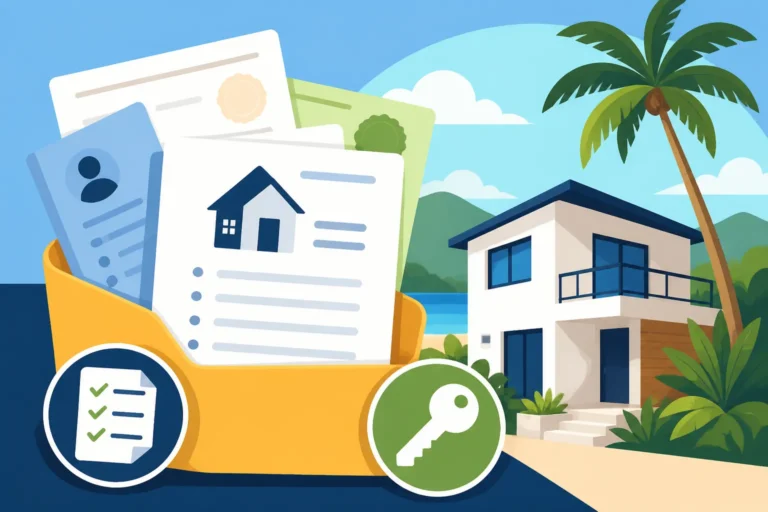
Regardless of whether you choose a public or private institution, there's a core set of documents you'll absolutely need. Think of these as your universal school enrollment toolkit:
- Child's Birth Certificate: You'll need the original or a certified copy.
- Official Immunization Records (Vacuna): This is absolutely critical. Puerto Rico has specific vaccination requirements for school entry, which are generally aligned with U.S. Centers for Disease Control and Prevention (CDC) guidelines, but it's essential to ensure your child's records are up-to-date and easily verifiable. If you're coming from the mainland, make sure your pediatrician provides a comprehensive record that can be easily understood and transferred. For more on this, check out Understanding Childhood Vaccination Requirements in Puerto Rico.
- Academic Transcripts/Records from Previous Schools: This includes report cards, grade histories, and any standardized test scores. For older children, especially high schoolers, detailed transcripts are vital for proper grade placement. Don't just bring the last report card; try to get records for the past 2-3 years, if possible.
- Proof of Residency in Puerto Rico: This is crucial for both public and private schools, but especially for public schools where enrollment is tied to your address. This can include a utility bill (like a LUMA or AAA bill in your name), a copy of your lease agreement, or a property deed if you’ve purchased a home. If you're still getting settled, figuring out How Do I Set Up LUMA Electricity After Moving to Puerto Rico? will be a priority for this reason.
- Parent/Guardian Photo ID: A valid government-issued ID, like your Puerto Rico driver's license (which you'll want to get squared away – here's some help: How Do I Transfer My Mainland Driver's License in Puerto Rico?) or passport.
- Social Security Card for the Child (if applicable): While not always a primary requirement for enrollment itself, it can be requested for various administrative purposes later on.
Translation Requirements: While many private schools will accept English documents, it's often a good practice, and sometimes a requirement for public schools, to have key documents like birth certificates and immunization records officially translated into Spanish by a certified translator. Ask the specific school if this is necessary.
Specific Requirements for Public School Enrollment
Enrolling in the public school system means dealing directly with the Departamento de Educación. This process can sometimes feel less streamlined than a private school application. You'll typically need to:
- Identify Your Zoned School: Based on your residential address, you'll be assigned to a specific school. You might need to contact the regional Department of Education office (Región Educativa) to confirm this.
- Complete Enrollment Forms: These will be in Spanish. Don't be shy about asking for help from a bilingual friend or a school administrator if you struggle with the language. Fill them out thoroughly, leaving no blanks.
- Provide Extensive Proof of Residency: Public schools are strict about verifying your address to ensure your child is indeed within their zone. This might mean providing multiple documents: a lease agreement, water bill from Autoridad de Acueductos y Alcantarillados (AAA), electricity bill from LUMA Energy, a driver's license with your local address, or even a sworn statement. Make sure the names on these bills match your ID.
- Medical Examination Form: In addition to immunization records, you might need a specific medical examination form (Certificado de Salud) signed by a local doctor, confirming your child is fit for school. You can usually get this done at a local Centro de Diagnóstico y Tratamiento (CDT) or private clinic.
- Withdrawal Papers from Previous School: If your child attended school on the mainland or another country, having official withdrawal papers can help the Puerto Rico school system process their entry smoothly.
Be prepared for a bit of back-and-forth. The best advice here is to make copies of everything you submit and keep them organized. Patience is truly a virtue when navigating the public school bureaucracy.
Private School Application Procedures and Deadlines
Private schools generally have a more formalized and often competitive application process. Unlike public schools, where you're zoned in, private schools actively select their students.
Here’s what you can typically expect:
- Early Application Windows: Many desirable private schools begin their application process a full year in advance, sometimes even earlier. Deadlines for the next academic year can be as early as October or November of the preceding year, especially for popular grades like kindergarten or first grade, or for middle and high school entry. If you're planning a move, this is something you need to be aware of well in advance.
- Application Forms and Fees: You’ll fill out their specific application forms, which are often available online. These almost always come with a non-refundable application fee, typically ranging from $50 to a few hundred dollars.
- Entrance Exams or Assessments: Most private schools require prospective students to take an entrance exam. These tests assess academic readiness in subjects like math, reading comprehension, and sometimes writing, often in both English and Spanish for bilingual programs. For younger children, this might be a developmental assessment.
- Interviews: Both the child and parents might be required to participate in an interview with school administrators or admissions staff. This is an opportunity for the school to get to know your family and for you to ask any lingering questions.
- Letters of Recommendation: Some schools may request letters of recommendation from previous teachers or school administrators.
- Official Transcripts and Records: Similar to public schools, you'll need to submit official academic records, but private schools often require more detailed reports, including standardized test results from previous schools.
- Proof of Residency: While not tied to zones, private schools still require proof of local residency to ensure you are indeed living on the island.
The key here is organization and timeliness. Missing a deadline for a private school can mean missing out on a spot entirely. Given the potential complexities of moving internationally, you might find services like Sirelo invaluable in handling the logistics of your move, freeing you up to focus on these critical school application timelines.
Navigating the Enrollment Process Step-by-Step
You've done your research, you know what documents you need, and you've decided on a school type. Now comes the actual dance of getting your child officially enrolled. This process, while seemingly straightforward, can have its own unique rhythm in Puerto Rico.
Initial Contact and Information Gathering
Don't wait until you're physically on the island to start. The moment you even consider moving, especially if it's mid-academic year, reach out to potential schools. For private schools, this means checking their websites for admission cycles, application forms, and contact information for the admissions office. For public schools, it means identifying the regional Department of Education office for your intended area and trying to get information on registration periods.
Make those initial calls or send emails. Be clear about your situation: when you plan to move, your child's age, and their current grade level. Ask about specific requirements, particularly regarding international transfers or students coming from the mainland. Sometimes, getting a direct answer might take a few tries, so be persistent. You might find that using an eSIM from a provider like Airalo is incredibly helpful for maintaining reliable and affordable communication with schools and other contacts back home or on the island during this initial phase, especially if you're making inquiries while still off-island.
Submitting Applications and Required Paperwork
Once you have all your documents gathered and possibly translated, it’s time for submission.
- For public schools: You’ll typically go to the school itself or the regional Department of Education office to submit everything in person. They will review your documents on the spot. It’s not uncommon for them to ask for additional paperwork or clarification, even if you thought you had everything. This is where those copies you made come in handy! Don't leave without a clear understanding of the next steps or a confirmation of your submission.
- For private schools: The process is usually more structured. Applications are often submitted online, followed by mailing or hand-delivering supporting documents. Pay close attention to how they want things submitted. If they require original transcripts, ensure you send them via a reliable method. Follow up if you don’t receive a confirmation of receipt within a reasonable timeframe. Many private schools will have a dedicated admissions coordinator who can guide you through their specific process, which can be a relief after dealing with other local administrative hurdles.
A key tip here is patience and politeness. Puerto Rican bureaucracy can test your resolve. A friendly demeanor and a respectful attitude, even when faced with delays or seemingly illogical requests, will go a long way.
Placement, Orientation, and Starting School
After submitting everything, the waiting game begins.
- Public Schools: Once documents are approved, your child will be officially enrolled in their zoned school. You'll receive information about orientation, school schedules, and school supply lists. They might conduct a brief assessment to determine academic standing or language proficiency, especially for older students.
- Private Schools: If accepted, you’ll receive an acceptance letter, often with a deadline to formally enroll and pay any initial deposit. This is usually followed by information on orientation, uniform requirements, book lists, and any pre-placement testing. Many private schools offer specific orientation sessions for new families to help them integrate into the school community. This is a great opportunity to meet other parents and get your bearings.
Once your child is officially enrolled, the next step is easing their transition. This includes making sure they have all their school supplies, uniforms (if required), and understanding their daily schedule. For non-Spanish speakers, consider arranging some private Spanish tutoring before school starts, or look into after-school programs that can support language acquisition. The school year typically starts in August, similar to the mainland, with a break for Christmas and a spring break around Easter. Be mindful that How to Enroll Your Child in a Puerto Rico School is just one piece of the puzzle; there’s also learning about Schools and Education in Puerto Rico: A Complete Guide for Families and The Complete Guide to Moving to Puerto Rico: Your First 90 Days (2027) for a holistic understanding.
Important Considerations for Expat Parents
Beyond the paperwork and deadlines, there are practical, day-to-day considerations that expat parents need to factor in when enrolling their child in a Puerto Rico school. These aspects can significantly impact your child's overall experience and your family's daily life.
Language Support and Integration
For many expat children, especially those entering public schools without prior Spanish fluency, language is the biggest barrier. It's not just about understanding the teacher; it's about making friends, participating in class, and feeling a sense of belonging. Don't expect schools, especially public ones, to have robust English as a Second Language (ESL) programs like those found on the mainland. While some support might be available, it's often limited.
Parents should proactively seek out additional language support. This could mean hiring a private tutor for a few hours a week to help with conversational Spanish and academic vocabulary. Encourage your child to watch Spanish-language TV shows, listen to music, and use language-learning apps. Create opportunities for them to interact with local children outside of school. The goal isn't just academic comprehension, but social integration. For parents, learning some Spanish yourself will help you communicate with teachers and other parents, and model adaptability for your child.
Health and Wellness: Vaccinations and Medical Records
As touched upon earlier, up-to-date immunization records are non-negotiable for school enrollment. You'll need to present these to the school. It's highly recommended to get a copy of your child's complete immunization history from your pediatrician on the mainland before you move, preferably translated into Spanish. Upon arrival, you might need a local doctor to review and sign a Puerto Rico-specific medical form.
Beyond initial enrollment, understanding the local healthcare system for ongoing care is vital. Make sure your family has appropriate health insurance coverage. You can find comprehensive information on this topic in articles like How to Get Health Insurance When You Move to Puerto Rico or The Complete Guide to Healthcare in Puerto Rico for New Residents (2027). Ensuring your child has a registered primary care doctor on the island will facilitate any medical needs that arise during the school year.
Transportation and Logistics
How will your child get to school every day? This is a practical question with significant implications for your family's daily routine, especially given Puerto Rico's car-centric culture and limited public transportation outside of San Juan's Tren Urbano area.
- School Buses: Public schools often have bus routes, but they may not cover every neighborhood, and the routes can be long. Private schools sometimes offer bus services, but these usually come with an additional fee and may only serve specific areas.
- Private Vehicles: For many families, driving their children to school is the most common solution. This means factoring in commute times, traffic, and fuel costs. If you're choosing a school in a popular area like San Juan, traffic can be considerable during peak hours.
- Carpooling: Expat networks often prove invaluable here. Many families organize carpools, which can be a lifesaver for busy parents and a great way for kids to make friends.
- Rideshares: While Uber and other rideshare services exist, relying on them for daily school commutes can be expensive and may not always guarantee consistent drivers or availability, especially for younger children.
When you're choosing a neighborhood to live in, consider its proximity to your chosen school. How to Find Family-Friendly Neighborhoods in San Juan can help you scout areas that balance commute times with lifestyle preferences.
Parental Involvement and Community Engagement
Even with the challenges of a new language and culture, parental involvement remains crucial for your child's success. Join the school's parent-teacher association (PTA or APO for Asociación de Padres y Maestros/Organización), attend school events, and volunteer when opportunities arise. This not only shows your child that you value their education but also helps you integrate into the school community.
Engaging with other parents, both local and expat, can provide a support system, offer practical advice, and open doors to playdates and social activities for your child. It's through these connections that you'll build your community on the island. Don't underestimate the power of showing up, even if you feel a bit out of your depth with the language. Your presence speaks volumes.
Overcoming Common Challenges and Finding Support
Let's be realistic: moving and enrolling your child in a new school in a new country isn't going to be entirely smooth sailing. There will be bumps, head-scratchers, and moments of sheer frustration. But knowing what to expect and where to find support can make all the difference.
Dealing with Bureaucracy and Delays
Ah, bureaucracy, a universal expat experience, but with its own flavor in Puerto Rico. You might encounter situations where forms are requested multiple times, information seems to change depending on who you speak to, or processing times extend far beyond what you'd expect. My seasoned expat advice? Keep copies of everything. Every single document you submit, every email, every receipt. Organize it meticulously. When you go in person, bring extra copies.
Patience is not just a virtue here; it's a survival skill. Take deep breaths. Remind yourself that eventually, it will get done. If you hit a wall, don't be afraid to politely escalate to a supervisor, or seek help from local friends who are fluent in Spanish and understand the local way of doing things. Sometimes, a simple phone call or in-person visit from a local can work wonders where your repeated emails might go unanswered. Remember, a smile and a calm demeanor often yield better results than exasperation.
Bridging Academic Gaps from Different Curricula
If your child is coming from a different educational system, there might be academic gaps or differences in pacing. Public schools in Puerto Rico follow their own curriculum standards, which might emphasize different topics or teach them in a different sequence than what your child is used to from a mainland U.S. school. Private schools often follow U.S. Common Core or international baccalaureate (IB) programs, which might be more familiar, but even then, there can be subtle differences.
Monitor your child's academic progress closely, especially during the first few months. If you notice them struggling in a particular subject, don't hesitate to reach out to their teacher. Consider supplemental learning resources, like online tutoring or educational apps, to reinforce concepts. For subjects taught entirely in Spanish, finding bilingual tutors can be incredibly helpful in bridging both the language and academic gaps simultaneously. The key is early intervention and consistent support, showing your child that you’re there to help them adapt to this new academic landscape.
Connecting with Other Expat Families
One of the most powerful resources you'll have as expat parents is other expat families. They've been there, they’ve done that, and they understand the unique challenges you’re facing. Look for online communities on platforms like Facebook – there are numerous groups for expats in Puerto Rico. These groups are fantastic for asking specific questions, getting recommendations for everything from pediatricians to tutors, finding carpool partners, and simply venting about a particularly bureaucratic day.
Beyond online forums, actively seek out expat meet-ups or community events. Many private schools have a significant expat population, making it easier to connect with families who are also navigating the system. These connections can lead to lifelong friendships for both you and your children, providing a vital network of support. After all, when you’re facing a big move and all the logistics that come with it, from figuring out How Much Does It Cost to Rent an Apartment in San Juan in 2026? to sorting out school enrollment, having reliable moving services, perhaps through a platform like Sirelo, can help take some of the initial burden off, allowing you to prioritize building these essential local connections. It's all about finding your tribe and leveraging collective wisdom.
Disclaimer
Please note that while this guide provides comprehensive information based on current knowledge and typical experiences, regulations and procedures in Puerto Rico can change. It is always advisable to verify specific requirements with the individual schools or the Puerto Rico Department of Education directly. This guide is for informational purposes only and does not constitute legal or financial advice.