Do I Pay Tax on Rental Income in Puerto Rico?
Puerto Rico rental income tax rules, residency status effects, and federal obligations for property owners on and off the island.

Puerto Rico rental income tax rules, residency status effects, and federal obligations for property owners on and off the island.

Tax filing requirements for residents earning money in Puerto Rico and the United States involve submitting returns to Hacienda and the IRS.

Money transfer methods between the mainland and Puerto Rico include traditional wire transfers, ACH transfers, online services, and digital wallets.

Wiring money to Puerto Rico involves sender fees ranging from $25 to $30, receiver fees, exchange rate markups, and intermediary bank charges.
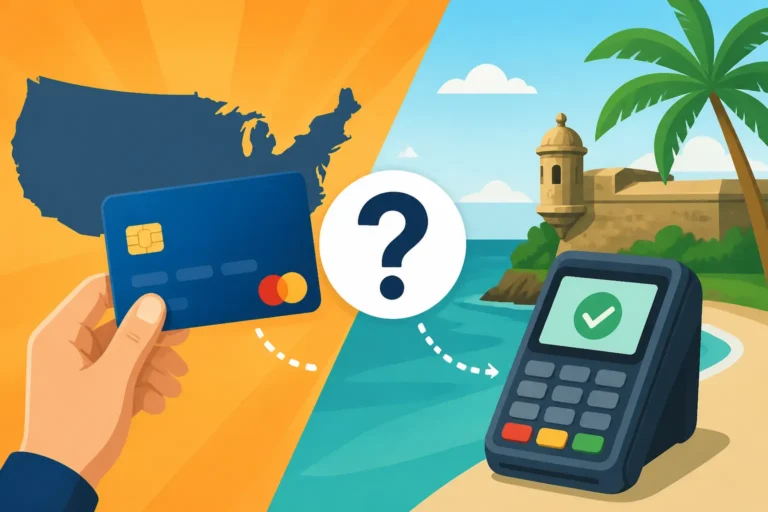
Mainland bank cards function across Puerto Rico, but users should expect potential foreign transaction fees, local ATM charges, and cash-only vendors.

Online banking enrollment in Puerto Rico requires an in-person branch visit, local phone number, and Spanish language toggles.

Puerto Rico business registration for the IVU requires reaching a threshold of five thousand dollars in annual gross sales.

Puerto Rico small business taxes depend on structure, sales, municipality, and employees across four distinct layers.

Puerto Rico tax regulations do not impose a direct wealth tax on individual net worth, although residents must pay property and income taxes.

Puerto Rico sales tax payment requires registering with Hacienda, managing the SURI portal, and filing monthly declarations to remit funds.