Can I Pay My Puerto Rico Taxes from Off-Island?
Oh, the joys of managing life from a distance, especially when it involves something as crucial and often perplexing as taxes! Many of us expats find ourselves living part of the year off-island, or simply trying to sort out our financial obligations to Puerto Rico while physically elsewhere. It’s a common frustration to wonder if you can truly manage your Puerto Rico tax payments without having to hop on a plane. This guide is here to untangle that very specific question, offering you a realistic, step-by-step look at how to pay your Puerto Rico taxes even when you’re not physically on the island.
The Reality of Managing Puerto Rico Taxes Remotely
Let’s be honest, dealing with any tax authority from a distance can feel like navigating a maze blindfolded. When you factor in the unique tax landscape of Puerto Rico, which operates under both U.S. federal and its own local tax laws (Hacienda), the complexity can ratchet up significantly. For those of us who have truly established bona fide residency here, our tax obligations to Hacienda are real, even if we occasionally find ourselves spending time off-island for work, family, or travel. The biggest hurdle isn’t usually the payment itself, but understanding what you owe and how to ensure it reaches the right place without a hitch.
Many expats I know have grappled with this. You might be in New York for a client meeting, or visiting family in Florida, and suddenly realize a tax deadline is looming. The immediate panic sets in: "Do I need a local bank account to pay this? Can I even access the payment portal from outside Puerto Rico? What if my payment gets lost in the ether?" These are valid concerns. The good news is that Hacienda has made strides to modernize its systems, offering avenues for remote payment that weren't always available, or at least weren't as straightforward. However, it's not always a completely seamless process, and being prepared is half the battle. This is particularly true if you are trying to understand your full tax picture, including your status as a Bona Fide Residency in Puerto Rico: The Definitive Tax Guide (2027).
Hacienda's Digital Gateway: SURI Explained
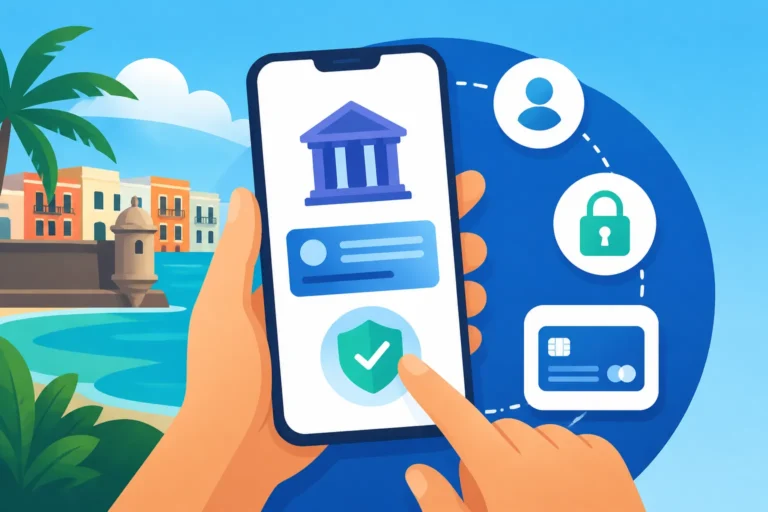
The absolute cornerstone for managing your Puerto Rico tax obligations, especially from off-island, is the Sistema Unificado de Rentas Internas (SURI). Think of SURI as Hacienda's comprehensive online portal – it's where you file your tax returns, check your account status, respond to notices, and, crucially, make your payments. Without SURI, managing your Puerto Rico taxes remotely would be a nightmare involving snail mail, international calls, and a lot of crossed fingers.
Accessing and navigating SURI from off-island is generally straightforward. As long as you have a stable internet connection, you should be able to log in from anywhere in the world. You typically won't need a VPN or any special software to access it. The main challenge often comes during the initial registration process, which requires specific personal identification information, including a Social Security Number or an Employer Identification Number, and often a Puerto Rico-issued identification for certain functionalities. If you're a new resident or have never registered, this might be a step you need to complete while on the island, or with the help of a trusted local representative. Once registered, however, the world of remote tax management opens up. You can learn more about Understanding SURI (Hacienda's Online Tax Portal) in Puerto Rico to get started.
When it comes to filing your annual income tax return, known as the "Planilla," SURI is the primary method. This platform allows you to prepare and submit your return digitally, reducing the need for paper forms and physical mail, which is a huge relief for anyone living off-island. Even if you use tax preparation software, most reputable programs will integrate with SURI for electronic filing. The same goes for businesses, which can file sales and use tax (IVU) returns and other declarations through the portal. The key is to have all your documents ready, and if you're feeling overwhelmed, a tax professional specializing in Puerto Rico tax law can be an invaluable asset to guide you through the process, even offering assistance with your Filing Your Puerto Rico Tax Return with Hacienda: The Complete Walkthrough (2027).
Approved Payment Methods for Off-Island Residents
Once you’ve wrestled with your Planilla or calculated your quarterly estimated taxes, the next hurdle is actually sending the money to Hacienda. Thankfully, SURI offers several electronic payment options that are perfectly viable even when you’re not in Puerto Rico.
Direct Debit ACH (Automated Clearing House)
This is by far the most common and often preferred method for making tax payments in Puerto Rico through SURI. When you opt for a direct debit payment, you authorize Hacienda to pull the funds directly from your bank account. The caveat? It generally needs to be a bank account with a financial institution located in Puerto Rico.
This can be a significant point of friction for newcomers or those who primarily bank on the mainland. Many expats I've spoken with initially try to link their mainland U.S. bank accounts, only to find the system doesn't accept them. This necessitates having a local Puerto Rico bank account. The good news is that major banks here, like Banco Popular or Oriental Bank, are familiar with expats and can guide you through the process of opening an account. However, this usually requires an in-person visit initially. Once you have a local account, linking it to SURI for direct debit payments is usually straightforward, and you can manage all subsequent payments from anywhere with an internet connection. For more details on setting up your finances, you might want to look into How to Open a Bank Account at a Puerto Rico Bank as a Newcomer.
Credit and Debit Card Payments
SURI does accept credit and debit card payments. This option offers a lot of flexibility, especially if you haven't yet established a local bank account or prefer to pay using a card. Most major credit cards (Visa, MasterCard, Discover, American Express) are typically accepted.
However, there's a catch, as there often is with convenience: a processing fee. Hacienda, like many other government entities, usually charges a convenience fee for processing credit and debit card payments. This fee is typically a percentage of your tax payment, and it can add up, especially for larger amounts. While it offers immediate payment confirmation and flexibility, it’s worth weighing the cost against other options. Make sure to check the current fee structure on the SURI portal before committing to this method.
Wire Transfers
For individual tax payments, wire transfers are less common, but they might be an option for certain businesses or in specific situations. Wire transfers involve sending funds directly from your bank to Hacienda’s bank. This method can be expensive, as both your bank and Hacienda's receiving bank may charge fees. It also requires precise banking details from Hacienda, which might not be readily available on SURI for individual taxpayers. For the vast majority of personal tax obligations, the direct debit or credit card options are far more practical.
Engaging a Tax Professional or Payment Facilitator
This is where the human element truly helps, especially for those who find the entire process daunting or have complex tax situations. Many Puerto Rico-based tax professionals and accounting firms offer services that include handling your tax payments on your behalf. You would typically authorize them to act on your behalf, often through a power of attorney, and they would then ensure your payments are made through their systems, usually via ACH from a trust account.
This can be an excellent option for off-island residents who want peace of mind. Firms like Taxes for Expats specialize in understanding the intricacies of cross-border taxation, including Puerto Rico's unique status. They can not only prepare your return but also facilitate the payment, ensuring compliance with local regulations. While this comes with professional fees, the value of accuracy and avoiding penalties can often outweigh the cost.
For international transfers, if you're dealing with funds in different currencies or from non-U.S. bank accounts, services like Wise (formerly TransferWise) can be incredibly useful. While Hacienda itself won't directly accept payments via Wise, you could use Wise to transfer funds from an international account into your Puerto Rico bank account, and then use the direct debit method via SURI. This circumvents high international wire transfer fees from traditional banks.
Here's a quick comparison of the most viable payment methods for off-island residents:
| Payment Method | Requirements for Off-Island Use | Pros | Cons |
|---|---|---|---|
| Direct Debit (ACH) | Puerto Rico bank account | No processing fees; secure, widely used | Requires local bank account, which may require an in-person setup |
| Credit/Debit Card | Any major credit/debit card | Accessible, instant confirmation | Incurs a convenience fee (percentage of payment) |
| Tax Professional | Authorization/POA | Expert handling, peace of mind, remote-friendly | Involves professional fees |
| International Transfer (e.g., Wise) | International bank account, PR bank account | Cost-effective for currency conversion | Not a direct payment to Hacienda; still requires PR bank account |
Common Pitfalls and Pro Tips for Remote Taxpayers
Even with modernized systems, paying taxes from off-island isn’t without its potential snags. Being aware of these can save you a lot of headaches.
Navigating Time Zones and Deadlines
One of the most common, yet easily overlooked, issues is time zones. Puerto Rico operates on Atlantic Standard Time (AST), which is often different from where you might be physically located. Always double-check the deadline in AST. A payment due by 11:59 PM on a specific date in Puerto Rico might already be past due if you're in California and paying late in the evening. Setting calendar reminders in AST is a small but critical step.
Technical Glitches and Connectivity Issues
While SURI is generally reliable, like any online portal, it can have its moments. Imagine trying to make a last-minute payment and hitting a technical error. Or perhaps your internet connection decides to flake out right when you need it most. These scenarios are frustrating enough when you're local, but exponentially more so when you're thousands of miles away. Always aim to make your payments well in advance of the deadline, giving yourself a buffer of a few days to resolve any unforeseen technical problems.
Incorrect Information and Penalties
Submitting incorrect bank account information or misentering your tax ID number can lead to rejected payments and, consequently, penalties and interest. Hacienda is quite stringent about timely and accurate payments. Double-check every digit, especially if you are manually entering information. For self-employed individuals, understanding How to Pay Estimated Taxes as Self-Employed in Puerto Rico is vital to avoid underpayment penalties throughout the year.
Pro Tips for a Smoother Remote Tax Experience
- Engage a Local Tax Professional Early: Seriously, this is not just a sales pitch; it's genuine advice from someone who's seen the struggles. A Puerto Rico-licensed CPA or tax attorney who understands both local Hacienda rules and U.S. federal interaction is worth their weight in gold. They can guide you through everything from getting your Hacienda tax account set up, which can sometimes be tricky for newcomers, to filing and payment. You can learn more about How to Register with Hacienda and Get a Tax Account in Puerto Rico with their assistance.
- Set Up Digital Records and Reminders: Keep digital copies of all your tax filings, payment confirmations, and any correspondence with Hacienda. Utilize calendar apps with alarms set a week or two before deadlines, including for estimated tax payments if you are self-employed or have investment income.
- Establish a Local Bank Account: If you plan on being a bona fide resident of Puerto Rico, a local bank account is almost essential, not just for tax payments but for daily life, utility payments (like LUMA and AAA), and other local transactions. It simplifies so many administrative tasks.
- Consider a Power of Attorney (POA): In certain circumstances, especially if you anticipate extended periods off-island or have complex affairs, granting a limited power of attorney to a trusted individual or your tax professional in Puerto Rico can be incredibly helpful. This allows them to act on your behalf in dealing with Hacienda if you're truly stuck.
- Understand Your Specific Obligations: Don't assume your tax situation in Puerto Rico is the same as it was on the mainland. Residency rules, source of income, and incentives like Act 60 all play a huge role. For instance, if you're a freelancer, the question of How Much Tax Do Freelancers Pay in Puerto Rico? involves specific considerations beyond just income tax.
Paying your Puerto Rico taxes from off-island is definitely doable, but it requires diligence, preparation, and an understanding of the available digital tools and local nuances. Leveraging SURI, choosing the right payment method, and ideally, working with a knowledgeable local tax professional will make the process far less stressful, letting you enjoy your time, wherever you may be, without the looming dread of missed deadlines.
Disclaimer
The information provided in this guide is for general informational purposes only and does not constitute professional tax, legal, or financial advice. Tax laws in Puerto Rico and the United States are complex and subject to change. It is strongly recommended to consult with a qualified Puerto Rico tax professional or attorney for advice tailored to your specific situation.