How to Set Up Online Banking with a Puerto Rico Bank
Moving to Puerto Rico, you quickly realize that while it’s part of the U.S. financial system, some things operate on a different cadence, and banking can certainly feel like stepping back in time. Navigating traditional bank branches, especially if your Spanish isn’t quite fluent yet, can be an exercise in patience. This guide is here to cut through the confusion, helping you seamlessly set up and master online banking with a Puerto Rico bank so you can manage your finances efficiently from your couch, beach, or wherever you find yourself.
Why Online Banking is a Lifeline in Puerto Rico for Expats
When you first arrive, everything feels new, exciting, and sometimes a little overwhelming. You're trying to figure out where to get the best mofongo, how to register your car, and suddenly you're faced with a bank statement that looks… different. Trust me, learning to navigate the local banking system digitally is one of the best investments of your time you can make. It transforms a potentially frustrating experience into a streamlined one.
The "Island Time" Reality of Banking
Ah, "island time." It's a charming concept for a relaxed afternoon, but perhaps less so when you're trying to pay a bill or transfer funds urgently. While Puerto Rico's banks are modern institutions, the in-person experience can often feel slower than what you might be accustomed to on the mainland. Branch visits can involve longer wait times, especially during peak hours, and depending on the branch and staff, English fluency might not always be guaranteed. This isn't a criticism; it's simply the reality of living in a different place with its own cultural norms.
Imagine needing to make a critical payment, but the bank branch closes early on a Friday, or you’re stuck in traffic on the way there. With online banking, these everyday hurdles simply disappear. You can log in from your phone or computer, initiate transfers, pay bills, and check balances at any hour, from anywhere with an internet connection. This freedom becomes invaluable when you’re trying to settle into your new life, manage household expenses like your LUMA electricity bill or AAA water service, and just generally keep your financial ducks in a row without having to factor in travel time and queues. It’s about regaining control and efficiency in a world that can sometimes feel like it's moving at a different pace.
Bridging the Mainland-PR Financial Divide
Many expats moving here are coming from the mainland U.S., and often, you're still managing accounts, investments, or even income sources back stateside. Having a robust online banking setup with your Puerto Rico bank doesn't just simplify local transactions; it becomes your essential bridge for managing your finances holistically. You'll likely find yourself frequently transferring money between your mainland accounts and your new Puerto Rico accounts, whether for regular expenses, investment adjustments, or simply consolidating funds.
The convenience of initiating these transfers with a few clicks, rather than relying on wire transfers that often require branch visits or phone calls, is a game-changer. This seamless flow of funds is especially important if you're taking advantage of tax incentives like Act 60, where demonstrating your financial nexus to the island is crucial. Online banking provides the transparency and ease of access you need to monitor both sides of your financial life, ensuring that your money is where it needs to be, when it needs to be there. It truly bridges the distance, making your financial transition much smoother.
Choosing Your Digital Banking Partner: Major Puerto Rico Banks
When you're ready to dive into the world of Puerto Rico banking, you'll find a few major players that dominate the landscape. Each offers a suite of digital services designed to make your life easier, but their specific platforms and user experiences can vary. It's not just about getting an account open; it's about choosing the bank whose online and mobile tools best fit your personal style and needs.
Banco Popular: The Big Player's Digital Offerings
Banco Popular de Puerto Rico is, without a doubt, the largest and most ubiquitous bank on the island. You'll see their branches and ATMs everywhere, from bustling city centers in San Juan to smaller towns. Their digital offerings, predictably, are quite comprehensive and generally well-developed, reflecting their dominant market position and investment in technology. For many expats, Popular is often the first choice due to its sheer accessibility and widespread acceptance.
Their online banking platform, Mi Banco Online, is robust and offers a full spectrum of services. You can view all your accounts, transfer funds between Popular accounts or to other local banks, pay bills to a wide range of local service providers, and manage your credit cards. They also have a popular mobile app, Mi Banco Mobile, which mirrors most of the online functionality and often includes features like mobile check deposit and ATM/branch locators. What's particularly useful for newcomers is their relatively strong English support within their digital platforms and customer service channels. While the interface might not always feel as sleek as some ultra-modern challenger banks you're used to, it's highly functional, reliable, and continuously being updated.
Oriental Bank: A Growing Digital Presence
Oriental Bank has carved out a significant niche for itself in Puerto Rico, often appealing to those looking for a slightly more personalized banking experience while still offering competitive digital services. They’ve been steadily expanding their digital footprint and improving their online and mobile platforms, making them a strong contender, especially if you appreciate a more modern aesthetic and user-friendly design.
Their online banking, known as Oriental Online, and their mobile app provide a clean, intuitive interface that many users find appealing. You can perform all the standard transactions: check balances, transfer funds locally, pay bills, and set up alerts. One area where Oriental often shines is its customer service, which can feel more accessible and responsive, even through digital channels. For expats, this can be a huge comfort, especially when dealing with any initial hiccups or questions that arise when managing your finances in a new country. They also offer strong support for local payment methods like ATH Móvil, which is incredibly popular on the island, further integrating them into the local financial ecosystem.
FirstBank Puerto Rico: User-Friendly Platforms
FirstBank Puerto Rico, another significant banking institution, also offers a solid suite of online and mobile banking services that cater to a broad customer base, including many expats. They pride themselves on being approachable and offering practical, user-friendly solutions, which often translates into their digital platforms. If you're looking for a reliable bank with a straightforward online experience, FirstBank is definitely worth considering.
Their online banking portal and mobile app provide all the essential features you'd expect: account management, fund transfers (both internal and external), and comprehensive bill payment options. They also offer features like e-statements and secure messaging, which are critical for record-keeping and direct communication with the bank. While perhaps not as ubiquitous as Popular, FirstBank has a good network of branches and ATMs, particularly in metropolitan areas, ensuring that you have physical access when needed. For new residents considering their banking options, exploring How to Choose the Best Bank for Newcomers in Puerto Rico can provide more detailed insights into what each institution offers.
| Bank | Online Banking Platform | Key Digital Features | Mobile App Features | English Support (Digital) |
|---|---|---|---|---|
| Banco Popular | Mi Banco Online | Account overviews, local and interbank transfers, comprehensive bill pay, credit card management, e-statements, personalized alerts. | Mi Banco Mobile: Mobile check deposit, ATM/branch locator, Zelle (for U.S. mainland transfers), fingerprint/face ID login. | Strong, generally clear English translation for interfaces and digital communications. Some customer service reps are bilingual. |
| Oriental Bank | Oriental Online | Intuitive interface for account management, local transfers (including ATH Móvil P2P), bill pay, e-statements, spending analysis tools, secure messaging. | Oriental Mobile: Mobile check deposit, ATH Móvil integration, branch/ATM locator, biometric login, transaction alerts. | Very good, often lauded for clarity. Customer service via chat/phone tends to have readily available bilingual staff. |
| FirstBank | FirstBank Online | Standard account access, fund transfers (internal/external), bill payment to various merchants, e-statements, secure messaging, loan applications. | FirstBank Mobile: Mobile check deposit, account alerts, quick balance view, branch/ATM locator, biometric authentication. | Good, generally reliable English options for their online platforms. Customer support can often accommodate English speakers. |
| Cooperative Banks | Varies (e.g., COOP Online) | May offer basic online banking for account viewing and internal transfers. Bill pay and external transfers capabilities vary significantly by institution. Often focus on local community needs. | Basic mobile apps, if available, usually mirror online functionality. | Varies greatly. Some larger cooperativas might have English interfaces, but many are primarily Spanish. In-person service is key. |
The Nitty-Gritty: Setting Up Your Online Account
Okay, so you've chosen your bank – whether it’s Banco Popular, Oriental, or FirstBank – and now you're eager to get those digital wheels turning. The process might seem a little daunting if you’re used to instant online sign-ups, but with a bit of patience and preparation, you'll be managing your funds with ease. Remember, the key here is often having everything in order before you even sit down at your computer.
Prerequisites: What You Need Before You Start
Before you even think about clicking "register" for online banking, you absolutely must have an active bank account opened in person at a branch. This isn't like opening a checking account online from scratch; it’s about activating the digital access to your existing account. When you opened your account, you likely already went through the process of proving your identity and residency. If you haven't yet, you'll want to check out The Newcomer's Guide to Opening a Bank Account in Puerto Rico first.
Once your account is active, make sure you have the following handy:
- Your Account Number(s): This is obvious, but often overlooked in the flurry of setup. You'll need the specific account number for your checking and/or savings accounts.
- Your Debit Card Number and PIN: Many banks use your debit card as a primary identifier for initial online banking registration, especially for security verification.
- A Valid Email Address: This will be your primary contact for alerts, statements, and password resets. Make sure it's one you check regularly.
- A Puerto Rico Phone Number: Critical for two-factor authentication (2FA), which is now standard practice for secure online banking. If you haven't sorted out your local phone number yet, make that a priority!
- Your Social Security Number (SSN) or Taxpayer Identification Number (TIN): For identification purposes during the registration process.
- A Strong Password Idea: Think about a complex combination of uppercase, lowercase, numbers, and symbols. You’ll thank yourself later.
Having all these details written down and within reach will significantly smooth out the registration process and prevent frustrating interruptions.
Step-by-Step Walkthrough: Activating Online Access
Once you have your prerequisites in order, the actual steps to activate online banking are fairly straightforward, though they might vary slightly between banks. Here’s a general guide:
- Visit Your Bank's Website: Go to the official website of your chosen bank (e.g., popular.com, orientalbank.com, firstbankpr.com). Look for a section like "Online Banking," "Digital Services," or "Register." It's usually prominently displayed.
- Locate the Enrollment or Registration Link: There will typically be a button or link that says "Enroll Now," "Sign Up for Online Banking," or "Register for Mi Banco Online." Click on it.
- Agree to Terms and Conditions: Standard practice. Read through them if you wish, then accept to proceed.
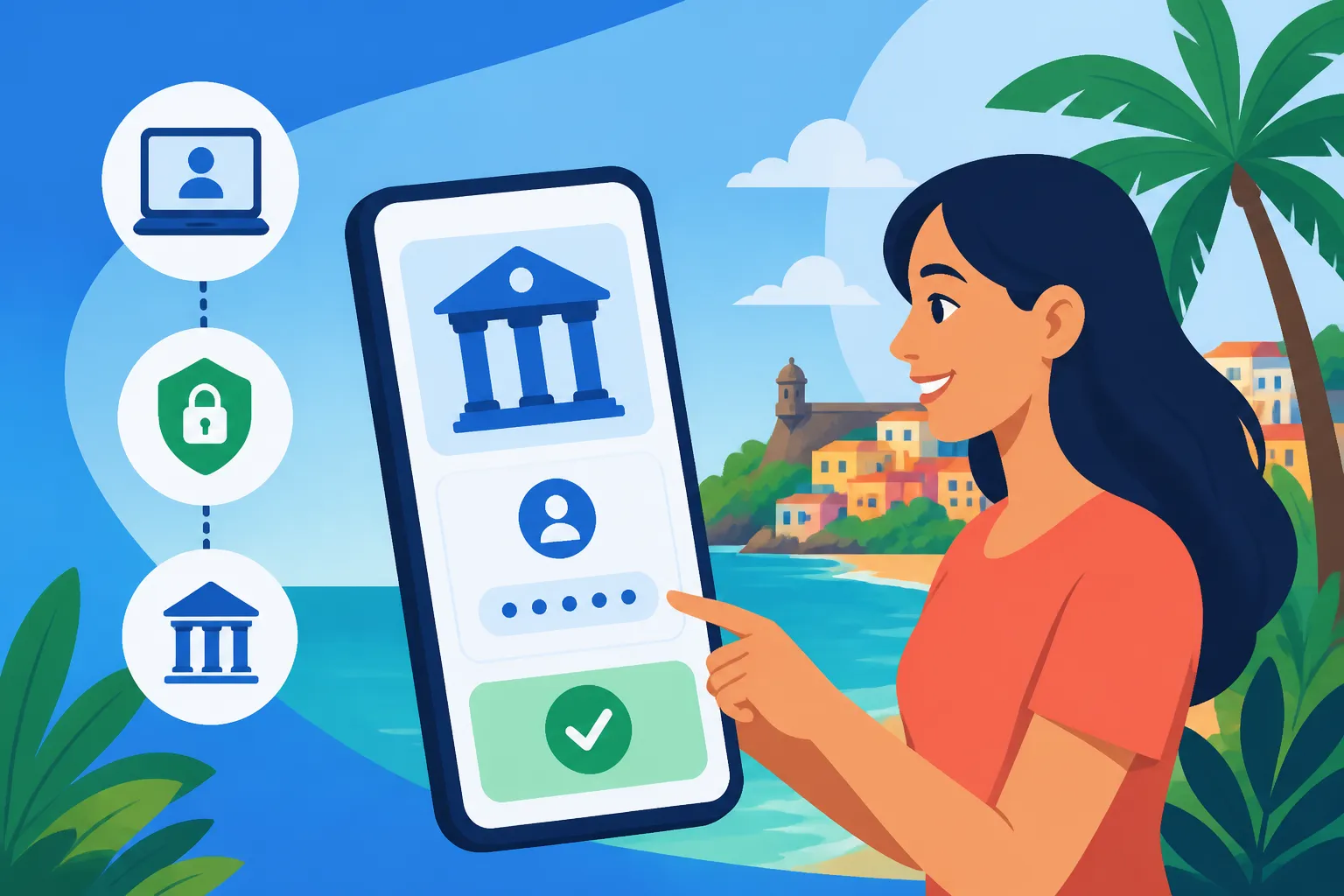
- Identity Verification: This is where you’ll input the information you gathered earlier. You'll likely be asked for your account number, debit card number, SSN/TIN, and perhaps your date of birth or a security code found on a recent statement. This step is crucial for the bank to confirm you are who you say you are.
- Create Your Username and Password: Follow the bank’s specific requirements for strength and complexity. Choose a unique username that you’ll easily remember.
- Set Up Security Questions: These are your backup verification methods. Choose questions with answers you’ll remember but that aren't easily guessed by others (e.g., avoid "What is my mother's maiden name?" if it's publicly available).
- Enroll in Two-Factor Authentication (2FA): This is vital for security. You'll typically be asked to register your Puerto Rico phone number to receive a one-time code via SMS every time you log in from a new device or perform certain sensitive transactions. Embrace it; it keeps your money safe.
- Confirmation: Once all steps are completed, you should receive a confirmation message, often with instructions to log in immediately. Sometimes you might get a confirmation email as well.
Congratulations! You’re now ready to log in and start exploring your digital banking universe. Don't forget that you can always refer back to comprehensive resources like Banking in Puerto Rico: A Complete Guide for Newcomers for a broader understanding of the financial landscape.
Troubleshooting Common Hiccups
Even with the best preparation, you might hit a snag or two. Don't fret; it's part of the expat journey. Here are some common issues and how to tackle them:
- "My Information Isn't Matching": This is a frequent one. Double-check every number and letter you’ve entered. Are you using the correct account number (checking vs. savings)? Is your name entered exactly as it appears on your bank records? Sometimes a simple typo is the culprit. If everything seems correct, call the bank's customer service. There might be a minor discrepancy in their system, or a security flag preventing online registration.
- Password/Username Issues: If you're trying to log in for the first time after setting up, and it's not working, try using the "Forgot Username" or "Forgot Password" link. The system will guide you through resetting them using your security questions or 2FA. Remember, passwords are case-sensitive.
- 2FA Codes Not Arriving: First, ensure your phone has service and you’re receiving other SMS messages. Sometimes, there’s a slight delay. If codes still aren’t coming through, verify with your bank that they have the correct, current Puerto Rico phone number on file for you. Also, check if your phone’s spam filter might be blocking unknown numbers.
- Browser/Device Compatibility: While less common now, ensure you're using an up-to-date web browser (Chrome, Firefox, Edge, Safari). Occasionally, older browsers or specific device settings can interfere with banking website functionality. Clearing your browser cache or trying a different browser can sometimes resolve this.
- Getting Locked Out: After multiple failed attempts, banks will often lock your account for security. If this happens, don't keep trying. Call customer service immediately. They can verify your identity and unlock your access. Trying too many times can prolong the lockout period.
The bottom line is: if you encounter a persistent issue, the best course of action is almost always to call your bank's customer service. They are there to help, and many now have dedicated lines for online banking support. Be patient, explain your situation clearly, and have all your account details ready.
Beyond Basic Banking: Advanced Online Features You'll Love
Once you're comfortable with the basics of checking balances and viewing transactions, you'll discover that Puerto Rico online banking offers much more. These advanced features are where the real convenience for expats truly lies, helping you manage your financial life efficiently and stay connected, regardless of where you are on the island or even abroad.
Bill Pay and Transfers: Mastering Local Payments
One of the most liberating aspects of online banking is the ability to handle all your local bills and transfers without ever needing to write a check, find a mailbox, or stand in line. Puerto Rico banks have integrated robust bill payment systems that cover a vast array of local service providers, making your monthly administrative tasks significantly easier. You'll find options to pay everything from your electricity bill with LUMA Energy and water service with Autoridad de Acueductos y Alcantarillados (AAA) to your mobile phone, internet, and even some municipal taxes.
Here’s how it typically works: You add your vendors (known as beneficiarios or payees) by their account number. Once added, you can schedule one-time payments or set up recurring payments for fixed expenses like rent or internet. This means no more scrambling on due dates! Moreover, transferring funds between your own accounts or to other people who bank with the same institution is usually instantaneous. For transfers to other banks in Puerto Rico, these are typically processed via ACH, taking 1-2 business days, much like on the mainland. This functionality is a godsend for paying your landlord, local service providers, or splitting costs with friends without needing to exchange cash. In fact, many people living here manage their utility bills by linking them to their online banking, so guides like How to Pay Your LUMA and AAA Bills Online in Puerto Rico become highly relevant.
Mobile Banking Apps: Banking on the Go
In today’s fast-paced world, having your bank at your fingertips is no longer a luxury, but a necessity. All the major Puerto Rico banks offer dedicated mobile banking apps for both iOS and Android, turning your smartphone into a portable bank branch. These apps typically replicate most of the functionality found on the desktop online banking portals, with some added mobile-specific conveniences.
With a mobile app, you can:
- Check Balances and Transaction History: Quick glance at your finances anytime, anywhere.
- Mobile Check Deposit: A huge time-saver! Snap a picture of your check and deposit it directly into your account.
- Transfer Funds: Move money between your accounts or to others.
- Pay Bills: Schedule and review bill payments on the go.
- Locate ATMs and Branches: Essential when you're exploring a new part of the island.
- Set Up Alerts: Get notifications for low balances, large transactions, or incoming deposits.
Many apps also include biometric login (fingerprint or face ID), making access even quicker and more secure. For expats constantly on the move or those who prefer managing everything from their phone, these mobile apps are indispensable. They empower you to manage your money efficiently, whether you're at the beach in Rincón, exploring Old San Juan, or simply out running errands.
Security Best Practices for Online Banking
While online banking offers incredible convenience, it also means you need to be vigilant about security. Cybercriminals are always looking for vulnerabilities, so it's essential to adopt strong practices to protect your financial information.
Here are some crucial tips:
- Use Strong, Unique Passwords: Never reuse passwords, especially for financial accounts. Use a combination of upper and lower case letters, numbers, and symbols. Consider a password manager.
- Enable Two-Factor Authentication (2FA): As mentioned, this adds a critical layer of security by requiring a second verification method (like a code sent to your phone) in addition to your password. Most Puerto Rico banks offer this, and you should always enable it.
- Be Wary of Phishing Attempts: Banks will never ask for your full password, PIN, or Social Security number via email or unsolicited phone calls. Be skeptical of emails or texts asking you to click suspicious links or verify account details. If in doubt, go directly to your bank's official website or call their published customer service number.
- Regularly Monitor Your Accounts: Check your transaction history frequently for any unauthorized activity. The sooner you spot something amiss, the quicker you can report it to your bank.
- Secure Your Devices: Ensure your computer and smartphone have up-to-date operating systems, antivirus software, and firewalls. Avoid accessing online banking over unsecured public Wi-Fi networks. If you must, use a Virtual Private Network (VPN).
- Log Out Properly: Always log out of your online banking session when you’re finished, especially on shared or public computers. Don't just close the browser tab.
By following these best practices, you can enjoy the immense benefits of online banking with peace of mind, knowing your financial data is as secure as possible.
Managing Funds Between Puerto Rico and the Mainland
One of the most common financial realities for expats in Puerto Rico is the need to move money efficiently between their accounts on the island and those back on the mainland. Whether it's for investment purposes, family support, or simply managing diverse income streams, this cross-jurisdictional fund management is a frequent requirement. Online banking tools, both local and international, are your best friends in this scenario.
Seamless Transfers with Online Tools
Local Puerto Rico banks offer robust mechanisms for transferring funds, which extend to the mainland U.S. thanks to Puerto Rico being part of the U.S. banking system. This means you can typically link your mainland bank accounts to your Puerto Rico bank's online platform. Once linked, you can initiate ACH (Automated Clearing House) transfers. ACH transfers are usually free or incur very low fees and typically take 1-3 business days to clear. This is a common method for recurring transfers, such as sending a portion of your income from a mainland job to your Puerto Rico account to cover local expenses.
For quicker transfers, some banks might offer wire transfers, though these usually come with higher fees and might still require a phone call or an in-person visit for setup, depending on the bank's security protocols. However, for most regular needs, the ACH functionality within your Puerto Rico bank's online portal is incredibly efficient. It allows you to maintain liquidity where you need it, ensuring your funds are accessible for both your island life and any remaining mainland commitments. This ease of movement is crucial for maintaining your financial flexibility as an expat.
International Transactions and Currency Exchange
While most of your transfers will likely be between U.S. dollar accounts (mainland U.S. to Puerto Rico), there might be times when you need to handle international transactions or currency exchange, especially if you have family abroad or international investments. This is where dedicated international money transfer services truly shine. While your local bank can process international wires, the exchange rates and fees can sometimes be less favorable.
For these situations, services like Wise (formerly TransferWise) have become incredibly popular among expats worldwide. Wise specializes in low-cost, transparent international money transfers and multi-currency accounts. You can easily send money to over 80 countries, often at a mid-market exchange rate, and for a fraction of the cost of traditional banks. Many expats find opening a Wise multi-currency account invaluable as it allows you to hold, send, and receive money in different currencies, acting as an efficient hub for global financial transactions. When evaluating your banking and transfer needs, it's worth comparing your bank's international transfer rates against services like Wise to ensure you're getting the best deal.
Keeping Tabs on Your Finances for Tax Purposes
As an expat in Puerto Rico, particularly if you're benefiting from tax incentives, understanding and documenting your financial flows is absolutely critical for compliance. Online banking platforms provide an invaluable tool for this. Every transaction, every transfer, and every bill payment leaves a digital trail that you can access, download, and review at any time. This granular level of detail is essential for How Puerto Rico Taxes Work: Federal vs Local (Hacienda) Explained (2027).
When it comes time to file your annual tax return (your planilla) with Hacienda, or to prove your bona fide residency, having easy access to your bank statements and transaction logs from your online portal will save you countless hours of headaches. You can download statements, categorize expenses (if your bank offers that feature), and track income sources. For those navigating the complexities of their new tax situation, especially with cross-border income, financial advisors or services like Taxes for Expats can be incredibly helpful. They often work directly with your digital financial records to ensure accurate reporting and compliance, so the better your online banking organization, the smoother this process becomes. Detailed records are not just for convenience; they are a cornerstone of financial responsibility and compliance as a new resident. It's truly a game-changer when you're preparing for Filing Your Puerto Rico Tax Return with Hacienda: The Complete Walkthrough (2027).
Potential Challenges and How to Overcome Them
Living in Puerto Rico, you quickly learn that while things are wonderful, they aren't always without their unique quirks and challenges. Online banking, despite its convenience, isn't entirely immune to these local realities. Being aware of potential hurdles and knowing how to navigate them can save you a lot of stress.
Language Barriers in Digital Support
While major banks like Banco Popular and Oriental have made significant strides in providing English interfaces for their online banking platforms and mobile apps, customer support can sometimes be a different story. If you need to call the bank's helpline, especially for a complex issue, you might encounter representatives whose English isn't as strong as you'd hope, or you might have to wait longer for an English-speaking agent. This can be incredibly frustrating when you're trying to resolve a sensitive financial matter.
To overcome this, here are a few tips:
- Be Patient and Persistent: If the first representative struggles with English, politely ask if they can transfer you to a bilingual agent. Many banks have dedicated teams for this, or at least a roster of staff who can assist.
- Utilize Chat Support: Some banks offer online chat support, which can sometimes be easier to navigate if written English is stronger than spoken. You can also use online translation tools (like Google Translate) to help craft your message if needed, or to understand their responses.
- Prepare Your Questions in Spanish: Even if your Spanish isn't perfect, having key phrases or questions written down can help bridge the gap. Knowing terms like mi cuenta (my account), transferencia (transfer), problema (problem), or no entiendo (I don't understand) can go a long way.
- In-Person Backup: For truly intractable issues, or if you feel a conversation is going nowhere, a visit to a branch where you know there’s an English-speaking manager might be your best bet, though this negates the convenience of online banking for that specific issue.
The good news is that as more expats move to the island, banks are becoming increasingly aware of the need for robust bilingual support across all their channels.
Internet Connectivity and Power Outages
This is a big one. While internet service has improved dramatically across Puerto Rico, it's still not entirely immune to outages, especially in more rural areas or during adverse weather events. And of course, the ever-present concern of power outages (apagones) means your internet, and thus your ability to access online banking, can be interrupted. This can be particularly stressful if you need to make an urgent payment or check a critical transaction.
To prepare for these eventualities:
- Have a Backup Internet Plan: Consider having mobile data on your phone as a backup. Many local mobile plans offer decent data packages, allowing you to tether your laptop if your home internet goes down.
- Charge Your Devices: Keep your laptop, tablet, and phone charged, especially if there's a forecast for storms or if you know the grid can be unreliable in your area.
- Consider a Portable Power Bank: A good quality power bank can keep your phone and small devices running for hours, ensuring you can still access mobile banking.
- Utilize Offline Features (where available): Some banking apps may have limited offline features, but generally, online access requires a connection. Plan important transactions during times of stable connectivity.
- Don't Rely Solely on Digital for Urgent Matters: For mission-critical payments or transfers, especially if you're aware of potential power issues, try to process them in advance or have an alternative plan, like visiting a branch or an ATM if absolutely necessary. Checking out The Complete Guide to Cost of Living in Puerto Rico (2026) might also shed light on how utility stability impacts daily life.
These proactive measures will help mitigate the impact of connectivity issues and ensure you're not left in a lurch when you need to access your finances.
Keeping Up with System Changes
Like any technology, online banking platforms and apps are constantly evolving. Banks regularly update their systems, introduce new features, or revamp their interfaces. While these changes are usually for the better (improved security, new functionalities), they can sometimes be a source of confusion or frustration for users who are used to a particular layout or process.
Here’s how to stay ahead of the curve:
- Read Bank Communications: Your bank will typically send out emails or notifications within the online portal about upcoming changes. Take a moment to read these.
- Explore New Features: When an update rolls out, spend a few minutes clicking around and exploring the new layout or options. The sooner you familiarize yourself, the easier it will be.
- Use Tutorials: Many banks provide online tutorials or FAQs to guide users through new features. Don't be shy about consulting these resources.
- Provide Feedback: If a new feature is genuinely confusing or problematic, don't hesitate to provide feedback to your bank. User input helps them refine their digital offerings.
Ultimately, embracing online banking in Puerto Rico is a journey of adaptation, much like your entire move here. With a little preparation, patience, and a willingness to learn, you'll find it an indispensable tool for a smooth and stress-free financial life on the island.
Disclaimer
The information provided in this guide is intended for general informational purposes only and does not constitute financial, legal, or tax advice. While we strive to keep the information accurate and up-to-date, banking policies, fees, and regulations in Puerto Rico can change. It is highly recommended to consult directly with your chosen bank, a qualified financial advisor, or a tax professional for advice tailored to your specific situation before making any financial decisions. We are not responsible for any actions taken based on the information presented herein.