How to Choose the Best Bank for Newcomers in Puerto Rico
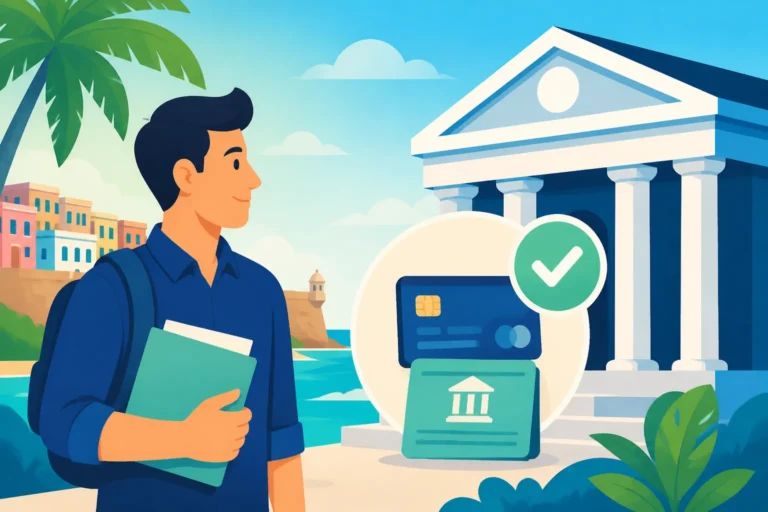
Navigating the banking system in a new place, even one that's part of the U.S. like Puerto Rico, can feel like stepping into a labyrinth. Many newcomers arrive expecting a seamless transition, only to find that the local financial landscape, while familiar in some ways, has its own unique rhythms and requirements. This guide is here to walk you through the ins and outs of choosing the best bank for your needs, ensuring your financial foundation in your new island home is as solid as a concrete hurricane-proof house.
Understanding the Puerto Rico Banking Landscape
When you first arrive in Puerto Rico, you might expect to find all your usual mainland bank branches on every corner. But quickly, you'll realize that the banking scene here is distinctly Puerto Rican. It's not just about finding a place to stash your cash; it's about integrating into a financial ecosystem that, while connected to the U.S. federal system, operates with its own set of rules, cultural nuances, and dominant players.
Local Banks vs. Mainland Institutions
The biggest difference you'll encounter is the prominence of local banks. While some mainland U.S. banks do have a presence on the island, they are generally not the primary players, and their offerings might not be as extensive or tailored to the local market as their Puerto Rico-based counterparts. For instance, you might find some credit unions or smaller regional banks, but the "big three" local banks—Banco Popular, Oriental Bank, and FirstBank Puerto Rico—truly dominate the retail and commercial banking sectors. These institutions have decades, even a century, of history here, deeply rooted in the island's economy and community.
Choosing a local bank often means easier access to services, a wider network of branches and ATMs across the island, and staff who are intimately familiar with local financial practices and regulations. They understand the intricacies of life here, from how utilities are paid to the specific forms required by Hacienda, Puerto Rico's Treasury Department. Trying to rely solely on a mainland bank, even if it has a small branch or ATM presence, can lead to frustrations, limited services, and often higher fees for transactions that are standard practice with a local account. It's a common rookie mistake to assume your existing relationship with a national bank will translate perfectly here; usually, it doesn't, and you'll end up needing a local account anyway.
Key Differences and Unexpected Quirks
Beyond the names, the operational differences can be subtle but impactful. For example, while debit cards are widely accepted, the reliance on cash for smaller transactions or at local negocios (small businesses) is much higher than in many mainland U.S. cities. You might also notice that online banking platforms, while functional, might not always be as feature-rich or as intuitively designed as what you're accustomed to. This is improving rapidly, but it's something to be aware of.
Another quirk is the processing time for certain transactions. Transfers between different local banks or even specific types of payments can sometimes take an extra day or two compared to what you might expect from an instantaneous electronic transfer on the mainland. This isn't necessarily a bad thing, just something to factor into your financial planning, especially when it comes to paying bills or making time-sensitive purchases. Expect to hear "it'll process in 24 to 48 hours" more often than you'd like. Moreover, don't be surprised if some essential paperwork or communication is primarily in Spanish, even if the bank advertises English-speaking services. While many bank employees are bilingual, key documents often default to the island's primary language.
The Role of Cooperativas
Beyond the traditional banks, cooperativas (credit unions) play a significant role in Puerto Rico's financial fabric, especially in smaller towns and communities. These member-owned financial institutions often offer more personalized service, competitive rates on loans and savings accounts, and a strong community focus. They can be an excellent option for those looking for a more intimate banking experience, particularly if you plan to settle outside of the major metropolitan areas.
However, cooperativas might have a more limited branch network, less sophisticated online banking platforms, and sometimes fewer services compared to the larger commercial banks. For newcomers, especially those who rely heavily on digital banking, a cooperativa might require a slight adjustment to their banking habits. That said, for many long-term residents, the benefits of community investment and often lower fees make cooperativas a compelling choice. It's worth exploring if there's a strong cooperativa in your chosen neighborhood, as they can sometimes offer truly localized advantages and a more welcoming, less corporate atmosphere.
Essential Banking Needs for Newcomers
When you're first settling into Puerto Rico, your banking needs go beyond just having a checking account. You need a bank that can handle the practicalities of everyday life on the island, from ensuring your paychecks land safely to sending money back home or handling those pesky utility bills. Thinking about these essentials upfront will guide you toward the right financial partner.
Everyday Transactions and Bill Payments
One of the most immediate needs for any newcomer is managing daily expenses. This means having a debit card that works reliably at local ATMs and POS (point of sale) terminals, and access to online bill pay for recurring services. In Puerto Rico, your local bank account will be crucial for paying monthly utilities like electricity (LUMA) and water (AAA). While some mainland banks might offer bill pay, they often struggle with the specific payment gateways and account structures used by local utility companies. This can be a real headache, leading to late payments and unnecessary stress.
For instance, when you're setting up your new electricity service, you'll want to make sure your bank can easily facilitate payments to LUMA Energy. Many local banks, like Banco Popular, have integrated systems that make this process straightforward, often allowing you to connect your utility accounts directly within their online banking portals. This ease of use is something you definitely want to prioritize. Imagine the frustration of trying to pay your water bill for the Autoridad de Acueductos y Alcantarillados (AAA) only to find your mainland bank's system doesn't recognize the account number format. This is where a local bank truly shines, understanding the local payment ecosystem implicitly. For more details on paying your local bills, you might find our guide on How to Pay Your LUMA and AAA Bills Online in Puerto Rico particularly helpful.
Payroll, Direct Deposit, and Self-Employment Income
Getting paid is obviously critical, and how your income arrives will heavily influence your banking choice. If you're working for a local employer in Puerto Rico, they will almost certainly require a local bank account for direct deposit. While some larger, multi-national companies might have systems that can accommodate mainland accounts, it's rare and often causes delays or issues. Having a local account ensures your salary hits your bank account without a hitch, avoiding any awkward conversations with your HR department. This also applies to government benefits or local stipends if you're a student. Our guide on How Do I Transfer Money and Set Up Direct Deposit in Puerto Rico? has more in-depth information.
For the self-employed or those running a business under Act 60, handling income can be even more complex. You'll need an account that can receive various forms of payment, potentially manage business expenses, and provide statements that simplify your tax reporting to Hacienda. If you’re self-employed, you'll also be responsible for making estimated tax payments, and having a local bank that integrates well with SURI (Hacienda's online tax portal) can be a massive time-saver. Consider our article on How to Pay Estimated Taxes as Self-Employed in Puerto Rico for more detailed advice. Furthermore, a local bank understands the unique needs of small businesses and freelancers on the island, offering specific types of business accounts and services that might not be readily available or understood by mainland institutions.
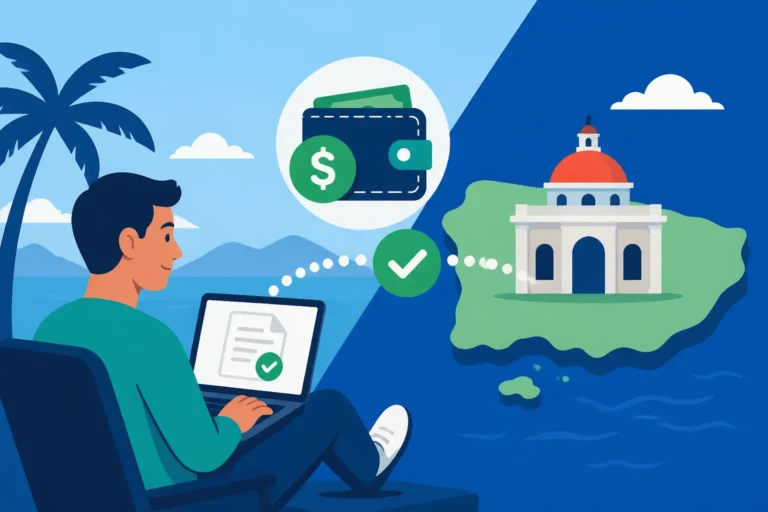
International Transfers and Remittances
Even if you're fully committed to life in Puerto Rico, you'll likely have financial ties to the mainland or other countries. This could mean sending money to family, receiving funds from mainland investments, or paying for international services. Banks vary widely in their international transfer fees, exchange rates, and ease of use. This is where you really need to compare options. Some local banks might have higher fees for international wire transfers, while others, like Oriental Bank, are making strides in offering more competitive digital transfer solutions.
For frequent international transfers, you might find a specialized service like Wise (formerly TransferWise) to be incredibly beneficial. They often offer more favorable exchange rates and lower fees than traditional banks, which can save you a significant amount over time, especially if you're moving substantial sums of money between different currencies. While a local Puerto Rico bank account is essential for your day-to-day, a service like Wise can complement it perfectly for cross-border financial movements. When considering your overall financial picture, especially regarding taxes for expats, efficient international money management becomes even more critical, ensuring you're not losing a chunk of your hard-earned money to exorbitant transfer fees.
Comparing Top Banks for Expats in Puerto Rico
When it comes to choosing a bank in Puerto Rico, three names consistently rise to the top: Banco Popular de Puerto Rico, Oriental Bank, and FirstBank Puerto Rico. These are the giants of the local banking world, and each has its own strengths and weaknesses when viewed through the lens of a newcomer. Understanding their offerings can make your decision much clearer.
Banco Popular de Puerto Rico
Banco Popular is, without a doubt, the largest and most ubiquitous bank on the island. You’ll see their branches and ATMs everywhere, from bustling San Juan to the quieter corners of the west coast. This extensive network is a massive advantage for newcomers, as you're rarely far from a physical location if you need in-person assistance, which can be invaluable when you're still getting your bearings. Their ATM network is also the most extensive, which is a practical benefit for daily cash needs.
From a services perspective, Banco Popular offers a full suite of personal and business banking products, including checking, savings, loans, and investment services. Their online banking and mobile app are generally robust and user-friendly, allowing for easy bill payments, transfers, and account management. Many local businesses and employers use Banco Popular, making direct deposits and local transactions seamless. For instance, paying your LUMA or AAA bills is usually integrated smoothly into their system. They often have dedicated services or bilingual staff to assist new residents, and their experience with Act 20/22 (now Act 60) clients means they are accustomed to the unique financial profiles of newcomers. However, as with any large institution, you might sometimes encounter longer wait times or a slightly less personalized experience compared to a smaller bank. For specific information on setting up an account, refer to our guide, Can I Open a Banco Popular or Oriental Account in Puerto Rico?.
Oriental Bank
Oriental Bank has carved out a strong niche as a modern, digitally-forward bank that often caters well to a younger demographic and those who prioritize online convenience. While their branch network isn't quite as vast as Banco Popular's, it is still substantial, particularly in metropolitan areas and key towns. Where Oriental truly shines is its emphasis on digital services. Many expats find their online banking platform and mobile app to be particularly intuitive and feature-rich, often rivaling or even surpassing some mainland options.
They are known for innovative features and a customer service approach that many find more attentive. Oriental Bank has made efforts to streamline processes, including opening accounts, and often has staff well-versed in assisting new residents with their unique requirements. They offer competitive rates on certain products and actively work to simplify the banking experience. If you’re someone who prefers to do most of your banking from your phone or computer and values modern digital tools, Oriental Bank should definitely be high on your list. Their commitment to technology can often translate to smoother, faster transactions for everyday needs.
FirstBank Puerto Rico
FirstBank rounds out the trio of dominant local banks. They offer a comprehensive range of banking services, including personal and business accounts, mortgages, and investment products. FirstBank also boasts a respectable branch and ATM presence across the island, providing convenient access for most residents. Their services are reliable, and they have a solid reputation within the Puerto Rican financial community.
While perhaps not as aggressive in their digital marketing as Oriental or as pervasive in their physical presence as Banco Popular, FirstBank offers a consistent and dependable banking experience. For new residents, they provide all the necessary tools for managing finances, from direct deposit to online bill pay. Their customer service is generally considered strong, and they are well-equipped to handle the complexities of local regulations and tax requirements. If you're looking for a stable, traditional banking experience with a good balance of accessibility and service, FirstBank is a strong contender. They are a reliable choice for establishing your financial foothold in Puerto Rico.
Here's a quick comparison of the three major banks for newcomers:
| Feature | Banco Popular de Puerto Rico | Oriental Bank | FirstBank Puerto Rico |
|---|---|---|---|
| Branch/ATM Network | Most extensive | Strong, especially in urban | Good, across the island |
| Online/Mobile Banking | Robust and user-friendly | Very modern, tech-focused | Reliable and functional |
| Newcomer Experience | Experienced with expats | Modern, streamlined process | Solid, traditional service |
| Customer Service | Good, can be busy | Often praised as attentive | Dependable |
| Digital Features | Comprehensive | Innovative, strong apps | Standard |
| Business Services | Extensive | Strong for small business | Comprehensive |
Key Factors to Consider When Choosing Your Bank
Choosing a bank isn't just about picking the biggest name or the one with the flashiest app. For newcomers to Puerto Rico, it's about finding a financial partner that genuinely meets your lifestyle, your transactional habits, and your comfort level with local operations. There are several practical factors that you absolutely must weigh before making a decision.
Branch Network and ATM Accessibility
While we live in an increasingly digital world, the importance of a physical branch presence and ATM accessibility in Puerto Rico cannot be overstated, especially when you're just starting out. There will be times when you need to speak to someone face-to-face, whether it's to clarify a complex transaction, resolve an issue that the phone line can't quite handle, or simply deposit a check that isn't compatible with mobile deposit. Having a branch conveniently located near your home or workplace can save you significant time and frustration. Imagine needing a notary for a document related to your property or car registration, and your bank is miles away. That's a hassle you want to avoid.
Moreover, while debit cards are widely accepted, cash is still king for many transactions in Puerto Rico, particularly at smaller local businesses, roadside stands, and for certain services. An extensive network of fee-free ATMs means you won't be constantly searching for cash or incurring unnecessary surcharges. For example, if you're living in a smaller town outside of San Juan, like Rincon or Mayaguez, you'll quickly learn which banks have the best local footprint. Many mainland banks might have limited or no ATM presence, leaving you reliant on third-party ATMs with hefty fees. Factor in how often you anticipate needing cash and how frequently you prefer in-person banking.
Online and Mobile Banking Capabilities
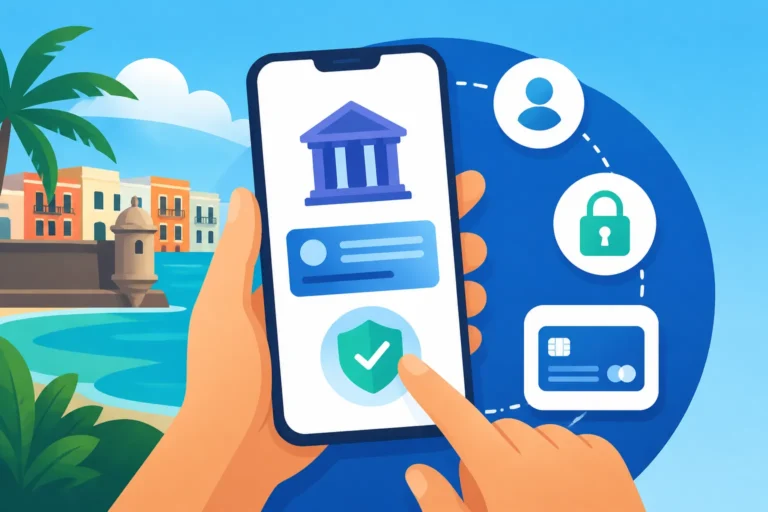
Even with the need for physical branches, modern life demands robust online and mobile banking. For expats, this is often a critical factor. You'll want to ensure your chosen bank offers a seamless experience for managing your accounts from anywhere, whether you're at home, traveling, or even back on the mainland for a visit. Look for features such as easy bill pay options for local utilities (LUMA, AAA, etc.), mobile check deposit, secure money transfers, and real-time account alerts. A smooth online portal can significantly reduce administrative stress. Our guide, How to Set Up Online Banking with a Puerto Rico Bank, provides more insights.
Consider how well the mobile app functions. Is it intuitive? Does it offer biometric login? Can you easily transfer funds between accounts or send money to friends and family using a local equivalent of Zelle or Venmo? For example, while not universal, some Puerto Rico banks utilize local payment apps like ATH Móvil for instant transfers, which is widely used here. If you're someone who is accustomed to highly advanced digital banking features, you'll want to carefully review each bank's offerings to ensure they meet your expectations. A clunky app or a limited online platform can quickly become a source of daily annoyance.
Fees, Minimum Balances, and Account Types
Nobody likes unexpected fees. Before committing to a bank, take a deep dive into their fee schedules for various account types. Look for monthly maintenance fees, ATM withdrawal fees (especially out-of-network), international transaction fees if you plan to use your card abroad, and fees for services like wire transfers or cashier's checks. Many banks offer ways to waive monthly fees, such as maintaining a certain minimum balance, setting up direct deposit, or using online statements. Make sure these requirements are realistic for your financial situation.
Beyond fees, consider the types of accounts offered. Do they have simple checking accounts with no fuss? What about higher-interest savings accounts? If you're self-employed, do they offer small business accounts with integrated tools? If you're looking for an investment vehicle, do they have brokerage services? Some newcomers might also be interested in options for opening a credit card to establish local credit history. Understanding the full spectrum of products and services is key to choosing a bank that can grow with you and meet your evolving financial needs on the island. Don't be afraid to ask for a detailed breakdown of all potential charges and account features before signing on the dotted line.
The Account Opening Process: What to Expect
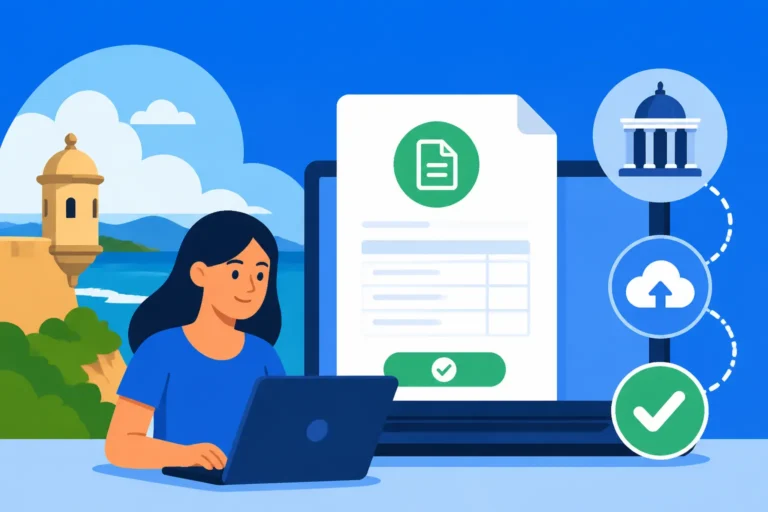
Opening a bank account in Puerto Rico as a newcomer can sometimes feel like navigating a bureaucratic maze, especially if you're fresh off the plane. It's not always as straightforward as walking into a mainland branch with just a driver's license. The key is to be prepared, patient, and persistent.
Required Documents and Identification
This is where many newcomers hit their first hurdle. While you are a U.S. citizen, Puerto Rico banks, like many financial institutions, have stringent "Know Your Customer" (KYC) regulations and anti-money laundering protocols. You'll need more than just a single ID. Typically, you'll be asked for:
- Valid Photo ID: A U.S. Driver's License or U.S. Passport is usually acceptable. If you have a Puerto Rico Driver's License or state ID, even better.
- Proof of Social Security Number: Your Social Security card or a document showing your SSN.
- Proof of Address in Puerto Rico: This is often the trickiest part. Banks want to see a utility bill (LUMA, AAA) in your name, a rental agreement or lease, or a property deed. If you've just moved, you might not have these yet. This can create a Catch-22: you need a bank account to get utility bills, but you need utility bills to open a bank account. My personal tip? If you're renting, sometimes a formal, notarized lease agreement will suffice, or a letter from your landlord. If you've purchased property, your escritura (deed) is excellent proof.
- Secondary ID: This could be another photo ID, a major credit card, or even a foreign passport if you have one, to further confirm your identity.
- Employer Letter (Optional but helpful): If you have a job offer, a letter from your employer stating your employment and address can sometimes help.
- Initial Deposit: Be prepared to make an initial deposit, usually cash or a check.
It's absolutely critical to bring original documents, not just photocopies. And it doesn't hurt to bring more than they ask for, just in case. For a comprehensive list, check out our guide on What Documents Do I Need to Open a Bank Account in Puerto Rico?.
The Waiting Game and Pro Tips
Once you've submitted all your documents, don't expect to walk out with an active account and debit card instantly. While some banks might issue a temporary debit card, fully activating your account and receiving your personalized card often involves a waiting period. This can range from a few days to a couple of weeks, depending on the bank and how busy they are. The bank will often need to verify your information, especially your address, which might involve cross-referencing databases or even a physical check in some rare cases.
My best advice here is to start the process as soon as possible after you arrive. Don't wait until you absolutely need an account. While you're waiting for your local account to be fully functional, you can rely on your mainland bank account for some transactions, but be mindful of foreign transaction fees if you're using a card without a local bank account. Keep enough cash on hand for initial expenses. Another pro tip: if you're struggling with proof of address, see if your landlord can write a formal letter on letterhead, confirming your tenancy and providing a copy of their ID. Sometimes, this can sway a bank representative, especially if combined with other strong identification.
Common Pitfalls and How to Avoid Them
The most common pitfall, as mentioned, is the proof of address. Many newcomers arrive without a single utility bill in their name. To circumvent this, try to get a formal lease agreement that clearly states your full name and Puerto Rico address. If you're staying with family or friends initially, see if they can add you as an authorized user to one of their utility bills, or provide a notarized letter confirming your residence.
Another issue can be language barriers. While many bank employees are bilingual, especially in urban areas like San Juan, not all may be, and specific forms or discussions about complex financial products might lean heavily into Spanish. If your Spanish isn't strong, consider bringing a trusted bilingual friend or family member with you, or ensure you confirm ahead of time that a fully bilingual representative will be available to assist you. Finally, patience is paramount. Things often move at a slightly different pace here. Going in with a relaxed attitude and all your ducks in a row will make the process much smoother. It's an administrative hurdle, yes, but one that everyone successfully clears eventually.
Managing Your Finances Across Borders
Moving to Puerto Rico, even as a U.S. citizen, means you're effectively living and working in a unique financial jurisdiction. While the U.S. dollar is the currency, and federal laws still apply in many areas, Puerto Rico has its own tax system, local banking regulations, and economic nuances. Managing your money effectively will often mean coordinating your finances across this unique border, whether it's with your old mainland accounts or international investments.
Integrating Mainland and Puerto Rico Accounts
It's highly likely that you'll maintain some form of financial presence on the mainland, at least initially. This could be old investment accounts, property, or simply a legacy checking account you're not ready to close. The challenge lies in seamlessly integrating these with your new Puerto Rico bank accounts. Many expats find it useful to keep a mainland account open for specific purposes, such as paying federal student loans, managing U.S. credit cards, or handling transactions that explicitly require a mainland billing address. Our article, Can I Keep My Mainland Bank Account After Moving to Puerto Rico?, offers a deeper dive into this.
However, for everyday living and receiving local income, your Puerto Rico account is indispensable. The integration involves strategic transfers between the two. You'll want to understand the limits and fees associated with transferring funds from your mainland bank to your new Puerto Rico account. Some people set up recurring transfers, while others move funds as needed. Services like online bill pay often make this easier, but always be aware of cutoff times and processing delays. The goal is to create a financial system where both your mainland and Puerto Rico accounts work in harmony, supporting your lifestyle without unnecessary friction.
Cross-Currency Transactions and Exchange Rates
While Puerto Rico uses the U.S. dollar, if your financial life extends beyond the U.S. and its territories, you'll inevitably encounter cross-currency transactions. This might involve receiving income from an international client, investing in foreign markets, or making purchases from non-U.S. vendors. When dealing with different currencies, exchange rates and transaction fees become critical. Banks typically apply a markup on exchange rates and often charge flat fees for international wire transfers.
This is where understanding alternatives, like money transfer services, can be a game-changer. Companies such as Wise specialize in transparent and competitive currency exchange, often offering rates much closer to the interbank rate than traditional banks. Using a service like Wise can save you a substantial amount of money over time, especially for larger transfers or frequent cross-border payments. For expats, minimizing these costs is paramount, as every dollar saved on fees is a dollar more in your pocket. It's about being strategic with your financial tools to optimize every transaction.
Planning for Future Financial Needs
As you settle into Puerto Rico, your financial planning will likely evolve beyond just day-to-day banking. You might be considering long-term investments, purchasing property, or planning for retirement. Your chosen bank can play a role here, or you might need to engage with specialized financial advisors. For example, if you're looking into buying property, understanding how mortgages work with local banks versus mainland lenders is crucial. Banks like Banco Popular, Oriental, and FirstBank all offer mortgage services tailored to the Puerto Rico market, including local appraisal processes and legal requirements.
Furthermore, if you're taking advantage of tax incentives like Act 60, your financial planning becomes even more nuanced. You'll need to ensure your banking setup supports these arrangements and that you're in compliance with all local and federal regulations. This might involve opening specific types of investment accounts or working with wealth management services that understand the unique tax landscape of Puerto Rico. For these more complex financial matters, especially those touching on the specific tax advantages for expats, consulting with professionals and choosing banks that are familiar with such clients, such as those that work closely with "Taxes for Expats" clients, is highly advisable.
Disclaimer
The information provided in this guide is for general informational purposes only and does not constitute financial, legal, or tax advice. While we strive to provide accurate and up-to-date information, banking regulations, fees, and services can change frequently. Always consult with a qualified financial advisor, tax professional, or legal counsel experienced in Puerto Rico matters before making any financial decisions. Your specific circumstances may require individualized advice.