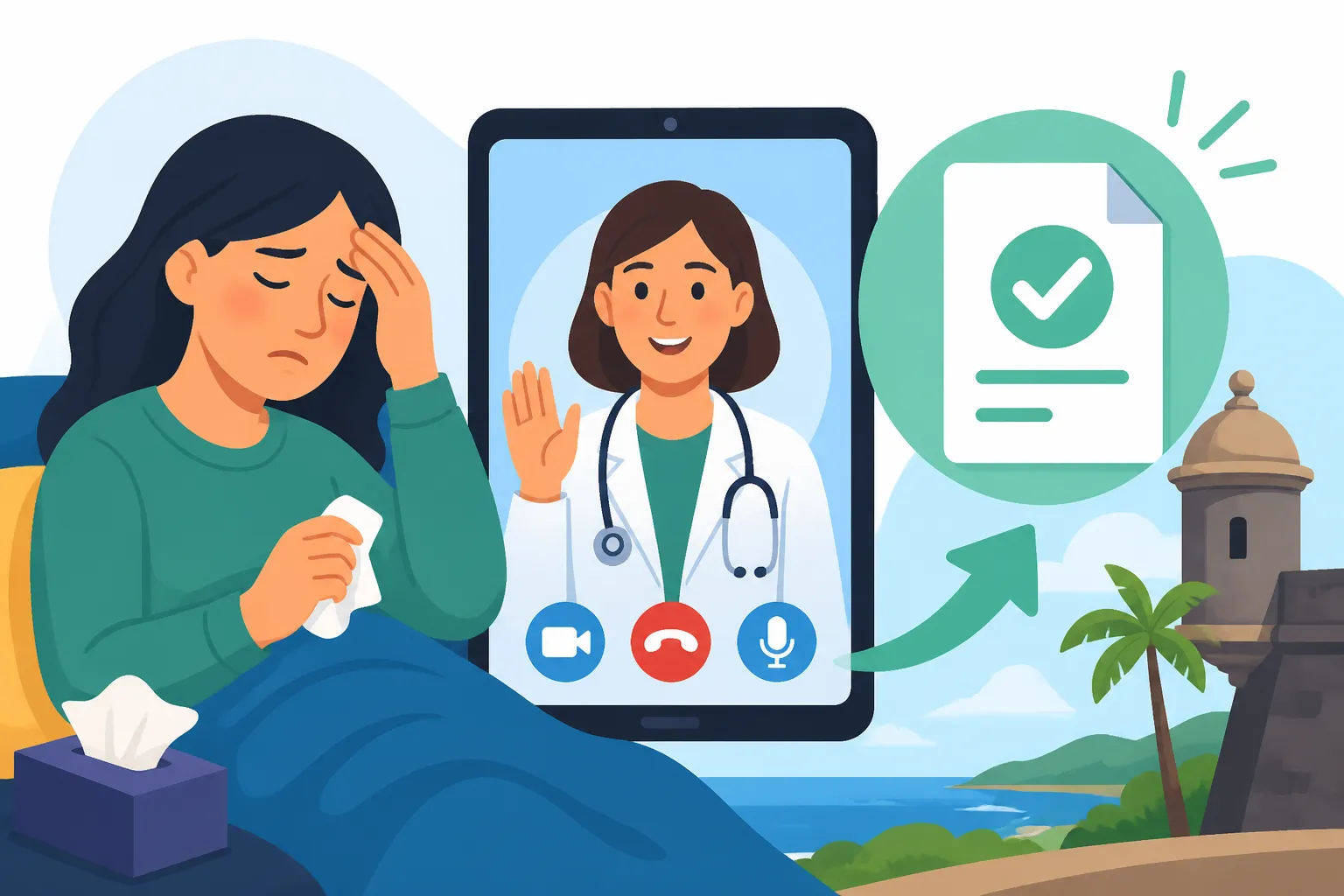
How Do I Get a Same-Day Sick Note from a Clinic in Puerto Rico?
So, you’ve woken up with that familiar cough, a throbbing headache, or just a general feeling of “nope” that tells you today is not a work day. Your employer, bless their heart, is asking for a sick note, or as we call it here, a nota médica. If you’re a newcomer to Puerto Rico, the process might feel a little different, and perhaps a bit daunting, compared to what you’re used to on the mainland. Don’t sweat it, though; getting a same-day sick note from a clinic here is absolutely doable, and this guide is going to walk you through it, validating every single one of your potential frustrations along the way.
The Local Landscape of Sick Notes in Puerto Rico
Let’s be honest, the administrative hurdles of setting up life in a new place can be exhausting. When you’re feeling under the weather, the last thing you want to do is navigate an unfamiliar healthcare system just to prove you’re actually sick. But here in Puerto Rico, obtaining a nota médica is a common and often expected practice, especially for employers or academic institutions. It’s not just about proving your illness; it’s a standard part of the protocol for documenting absences.
Why a "Nota Médica" is More Common Than You Think
In many workplaces across the island, providing a nota médica is simply part of the sick leave policy. While you might have been accustomed to a quick phone call or email sufficing for a day or two of illness back home, here, employers often prefer official documentation from a medical professional. This isn't usually meant to be punitive or distrustful; it’s more ingrained in the administrative culture. It creates a paper trail, ensures accountability, and verifies that your absence is due to a legitimate health concern. Think of it less as an interrogation of your honesty and more as a standard operating procedure.
For instance, if you work in a government agency or a larger corporation in San Juan, you’ll quickly find that HR departments are very particular about these notes. If you’re out for more than a day, or sometimes even for just a single day, they’ll want to see that official stamp and signature. This is especially true if your absence is going to impact a critical project or requires coverage from a colleague. Understanding this expectation upfront can save you a lot of headache when you’re already feeling poorly. It’s a cultural nuance that takes a little getting used to, but once you understand it, it makes sense within the local context.
The Difference Between Urgent Care and a Regular Doctor for a Quick Note
When you need a sick note now, your first thought might be to call your regular doctor. However, if you're a newcomer, you might not even have one yet, or their schedule might be fully booked. This is where understanding the different types of clinics comes in handy. For a same-day sick note, you generally have a few options, each with its own pros and cons in terms of speed, cost, and convenience.
Urgent care clinics, often called Salas de Emergencia (even if they're not a full-blown hospital ER) or Centros de Atención Urgente, are designed for immediate, non-life-threatening medical issues. They’re usually walk-in friendly, have extended hours, and are equipped to handle everything from minor infections to sprains. This is often your best bet for a same-day nota médica because they are set up for quick patient turnover and rapid diagnosis. They understand the need for prompt documentation.
On the flip side, trying to squeeze into your newly established primary care physician's (PCP) schedule for a minor ailment and a sick note can be a challenge. PCPs often have longer lead times for appointments, and while they know your medical history, their immediate availability is not always guaranteed. If you're still in the process of learning How to Find and Register with a Primary Care Doctor in Puerto Rico, an urgent care center will be your go-to for these immediate needs. Don't be shy about using them; that's what they're there for.
Finding Your Way to a Same-Day Appointment
Alright, you're sick, you need a note, and you need it today. Now what? The key is knowing where to go and what to bring. Puerto Rico has a mix of public and private healthcare options, and for a same-day sick note, the choice can significantly impact your experience.
Public vs. Private Clinics for Speedy Documentation
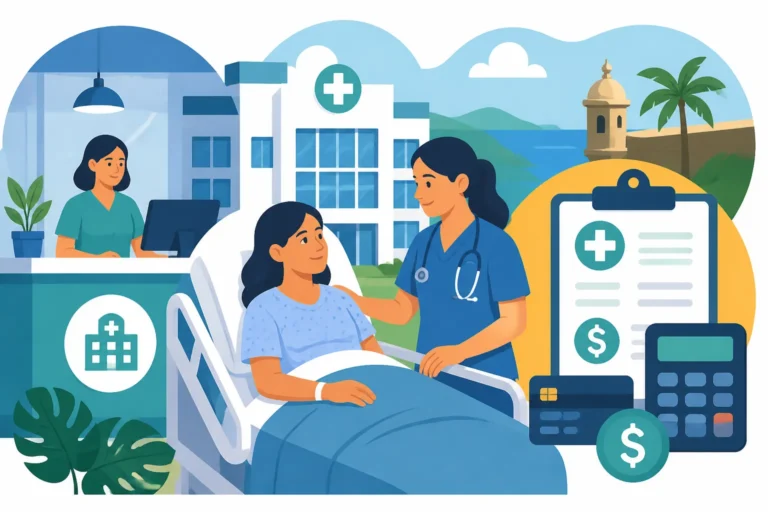
Puerto Rico's healthcare system, like many, has both public and private sectors, and understanding How Puerto Rico's Health System Works: Public vs Private Explained (2027) is crucial for navigating it. For a same-day sick note, especially if you're just starting out here, private clinics or urgent care centers often provide a more streamlined and quicker experience. They typically have shorter wait times and more readily available appointments, albeit at a higher cost if you're paying out of pocket or have a high deductible.
Public clinics, known as Centros de Diagnóstico y Tratamiento (CDTs), are invaluable resources, especially in more rural areas or for those with the government-sponsored Vital Plan. However, for a same-day sick note, they can sometimes involve longer wait times. If you're not in a rush, or if cost is a primary concern, a CDT might be an option, but for immediate documentation, a private urgent care facility is usually more efficient. Many private clinics also have bilingual staff, which can be a huge comfort if your Spanish isn't quite up to medical terminology yet.
Here’s a quick comparison to help you choose:
| Clinic Type | Best For | Average Wait Time | Cost (Self-Pay) | English-Speaking Staff Probability |
|---|---|---|---|---|
| Centro de Diagnóstico y Tratamiento (CDT) | Minor ailments, follow-ups (non-urgent) | Moderate to Long | Low (if public/insured) | Low to Moderate |
| Private Clinic (appointment-based) | Non-urgent issues, known doctors, follow-ups | Short (with appt.) | Moderate to High | Moderate to High |
| Private Urgent Care/Sala de Emergencias | Immediate, non-life-threatening issues | Short to Moderate | Moderate to High | Moderate to High |
| Hospital Emergency Room (ER) | Life-threatening emergencies | Variable/Long | Very High | High |
Keep in mind that while a hospital ER can provide a sick note, it's really not the appropriate place for a common cold or flu. You'll face much longer waits and significantly higher costs for a condition that could easily be handled at an urgent care clinic. Save the ER for true Emergency Medical Care in Puerto Rico: What Every Resident Needs to Know.
Documents You'll Need and What to Expect at Reception
So you've chosen your clinic. What do you need to bring? The good news is, for a simple sick note, you typically won't need a mountain of paperwork, but there are essentials. First and foremost, you'll need a valid form of identification, like your driver's license or passport. If you have a local health insurance plan, bring your insurance card. Even if you don't have local insurance yet, or are still exploring options like Health Insurance in Puerto Rico: Plans, Costs and Options Explained (2026), don't let that deter you. Many clinics accept self-pay patients.
When you arrive, you’ll likely be asked to fill out some basic patient information forms. This is standard procedure, even for walk-ins. Be prepared to provide your full name, contact information, date of birth, and a brief description of why you're there. Don’t be afraid to explicitly state that you need a nota médica for work or school. This helps the reception staff and the medical team understand your primary need beyond just treatment. For a comprehensive overview of general requirements, you can check out What Documents Do I Need to See a Doctor in Puerto Rico?.
If you're still getting your local health coverage sorted, or you're a temporary resident, it's wise to consider travel insurance like SafetyWing. It can act as a crucial safety net for unexpected medical needs, including urgent care visits, before you establish your long-term health plan in Puerto Rico. Having something in place can alleviate a lot of stress when you're caught off guard by an illness.
The Doctor's Visit and Receiving Your Sick Note
You've made it through reception, perhaps sat in a waiting room (likely with a telenovela or local news playing quietly in the background), and now it's your turn. This is where you'll get to explain your symptoms and, most importantly, clearly communicate your need for that nota médica.
Communicating Your Needs to the Medical Professional
Stepping into the exam room, you'll meet the doctor or physician's assistant. This is your moment to clearly articulate your symptoms. Don't minimize what you're feeling; be honest about how the illness is impacting your ability to work. For example, if your job requires a lot of talking, and you have a sore throat, explain that. If you're a construction worker and feeling dizzy, convey the safety risk.
This is also the time to directly request the sick note. You can say something like, "Necesito una nota médica para mi trabajo/escuela, por favor" (I need a medical note for my job/school, please). Most medical professionals here are very accustomed to this request and will process it without issue, provided your symptoms warrant it. If you're worried about a language barrier, remember that many medical staff, especially in urban centers like San Juan, are bilingual. However, if you find yourself struggling, don't hesitate to ask if there's someone who speaks English. Resources like How to Find an English-Speaking Doctor in Puerto Rico can be invaluable if you prefer a fully English-speaking experience from the start, but for an urgent, same-day need, you might just have to work with who's available.
What a Puerto Rican Sick Note Includes (and Doesn't)
A typical nota médica in Puerto Rico is usually a fairly straightforward document. It will generally include:
- The patient's name
- The date of the visit
- The doctor's name and signature, along with their license number
- The name of the clinic/hospital
- A statement indicating that the patient was seen for a medical condition
- The recommended period of rest or absence from work/school (e.g., "should rest for 1-2 days," or "is unable to perform duties from [date] to [date]").
What it usually doesn't include is a detailed diagnosis or an in-depth explanation of your specific ailment. This is for your privacy. The note simply validates that you were seen by a medical professional and that, in their judgment, you required time off. While some employers might ask for more detail, standard practice means the note will be fairly general. Be aware that the duration of the recommended absence is at the doctor's discretion, so don't expect them to write you off for a week if you only have a mild cold. For more about what sick leave entails here, check out Understanding Sick Leave and Disability (SINOT) in Puerto Rico.
Cost Considerations for a Quick Clinic Visit
Let's talk money, because healthcare costs are always a concern, especially when you're feeling vulnerable. The cost of a private doctor's visit in Puerto Rico can vary widely. If you have local insurance, you'll likely just pay a co-pay, which might be anywhere from $10 to $50, depending on your plan. If you're uninsured or paying out-of-pocket, the cost for an urgent care visit can range from approximately $75 to $200, or even more for more complex issues. This typically covers the consultation itself, but not necessarily any tests or medications.
It's a good idea to ask about the self-pay rate upfront when you check in. Don't be shy! A simple, "Cuánto cuesta la visita si pago en efectivo?" (How much does the visit cost if I pay cash?) is perfectly acceptable. They'll give you an estimate. Remember, these are estimates, and if the doctor orders additional tests (like a rapid flu test or strep test), those will be extra. For a broader understanding of the financial landscape, consider reading How Much Does a Private Doctor Visit Cost in Puerto Rico? and The Cost of Healthcare in Puerto Rico: A Complete Breakdown for Newcomers (2026). Being prepared financially, even for something as simple as a sick note, can save you from an unpleasant surprise later.
Navigating the Aftermath and Essential Tips for Expats
Getting the sick note is just one part of the journey. There are still a few things to consider afterward, especially for us expats who are navigating a new system.
Handling Insurance and Payment for Your Visit
Once you've seen the doctor and received your nota médica, it's time to settle the bill. If you used your local health insurance, your co-pay will be collected at the front desk, and the clinic will handle the billing with your insurer. Make sure they have all your correct insurance information before you leave.
If you paid out-of-pocket, keep your receipt! This is crucial. Even if you don't have local insurance, you might have travel insurance, like SafetyWing, which can often reimburse you for eligible medical expenses. You'll need that receipt, along with the nota médica and any other documentation from your visit, to file a claim. Many newcomers find themselves in a transitional period where their local insurance isn't active yet, or they're only here temporarily. In these scenarios, a robust travel medical policy can be a real lifesaver, covering these unexpected clinic visits. If you ever find yourself wondering What Happens If I Get Sick Before My Insurance Starts in Puerto Rico?, having a backup plan like SafetyWing can provide peace of mind. Always keep good records of your visits and payments.
Proactive Steps for Future Health Needs
While you're probably focused on getting over your current illness, it's also a good opportunity to think about setting yourself up for success in the long run. As an expat, establishing a relationship with a primary care doctor is incredibly beneficial. They'll get to know your medical history, and future sick notes or medical needs will be much easier to handle. Resources like How to Find and Register with a Primary Care Doctor in Puerto Rico can guide you through this process. Having a trusted doctor who understands your needs and perhaps even speaks your language can make a world of difference.
Additionally, understanding your health insurance plan's network is critical. Puerto Rico has various providers, and knowing Understanding Provider Networks and In-Network Care in Puerto Rico will help you avoid unexpected bills. Many plans have specific clinics or doctors they prefer you use, which can affect your out-of-pocket costs. Take the time, once you're feeling better, to review your insurance documents or call your provider to understand your benefits and network.
Emergency vs. Non-Emergency: Knowing the Difference
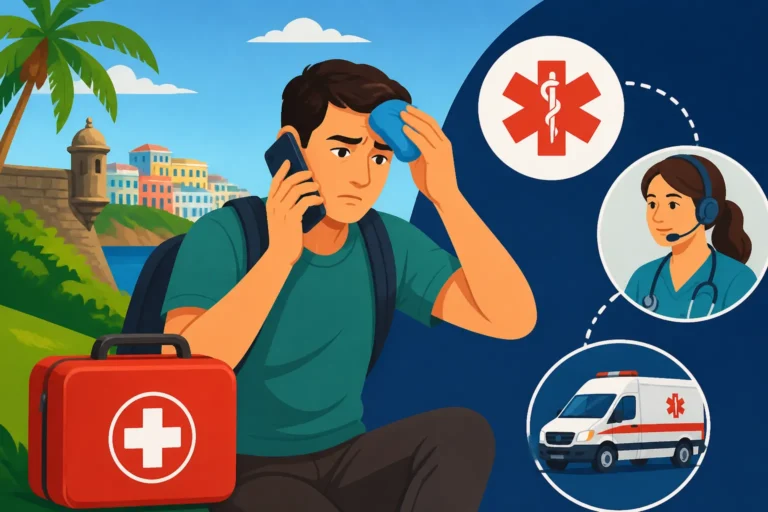
Finally, it's vital to differentiate between an urgent but non-emergent need (like getting a sick note for the flu) and a true medical emergency. For actual emergencies – severe chest pain, major injuries, sudden difficulty breathing – you should absolutely head straight to the nearest hospital emergency room or call 911. Don't delay. The focus of this guide is on those common illnesses that require documentation for work or school, not life-threatening situations. For those critical moments, you need immediate, comprehensive care. Again, knowing about options like SafetyWing can be beneficial, as many plans offer coverage for emergency medical evacuation, which is a significant consideration when living on an island. Always prioritize your health and safety above all else.
Disclaimer
The information provided in this guide is intended for general informational purposes only and does not constitute medical, legal, or financial advice. While we strive to provide accurate and up-to-date information, healthcare regulations, policies, and costs in Puerto Rico can change. Always consult with qualified medical professionals, legal experts, or financial advisors for advice tailored to your specific situation. Reliance on any information in this guide is solely at your own risk.