How Do I Access Mental Health Support in Puerto Rico?
Moving to a new island paradise sounds like a dream, but the reality of administrative hurdles, social isolation, and "island fever" can take a significant toll on your mental well-being. Finding a therapist or psychiatrist who understands your background and speaks your language in a system that often feels overloaded is a major challenge. This guide explains exactly how to navigate the mental health landscape in Puerto Rico to get the support you need.
Understanding the Mental Health Landscape in Puerto Rico
The mental health system in Puerto Rico is a blend of public resources, private practices, and community-based organizations. While the island has excellent professionals, the system as a whole faces significant pressure. Since the twin hurricanes of 2017 and the subsequent earthquakes, the demand for mental health services has skyrocketed, leading to longer wait times and a shortage of certain specialists. As a newcomer, it is vital to understand that the local system operates differently than the mainland U.S., with its own set of cultural nuances and bureaucratic rhythms.
Navigating this requires patience. In the public sector, services are often provided through the Vital plan or at community health centers known as CDTs (Centros de Diagnóstico y Tratamiento). However, for many expats and tourists, the private sector is the more realistic path to timely care. You will find that many practitioners maintain small private offices and may not have a digital presence, meaning word-of-mouth and local directories become your best tools.
Language is another factor to consider. While many doctors in the metro area are bilingual, finding a therapist who is fully comfortable conducting deep emotional work in English can be slightly more difficult in rural areas. However, in San Juan, Dorado, and Rincon, there is a growing community of providers accustomed to working with the expat community. Understanding How Puerto Rico's Health System Works: Public vs Private Explained (2027) is the first step in deciding which path to take for your mental health journey.
Public vs Private Mental Health Services
The public mental health system is primarily designed to serve those with the government's Vital plan or those in acute crisis. These services are often high-volume and can involve long waits in a clinic setting. For most professionals moving under Act 60 or working remotely, private care is the standard. Private psychologists and psychiatrists offer more personalized attention and generally have more flexible scheduling, though "flexible" in Puerto Rico may still mean waiting a few weeks for an initial intake.
When seeking private care, you should be prepared for a mix of insurance-based and cash-pay models. Some of the best specialists on the island do not accept local insurance because the reimbursement rates are low. In these cases, you might pay anywhere from $100 to $250 per session out of pocket. If you are a digital nomad or a traveler, having a plan like SafetyWing can provide a safety net for unexpected medical needs, though you should always check your specific policy for outpatient mental health coverage.
The Role of Telehealth in Puerto Rico
Since 2020, telehealth has become a lifesaver for residents in Puerto Rico. It bridges the gap for those living in the mountains or on the west coast who need access to specialists located in San Juan. Many local psychologists now offer sessions via Zoom or specialized medical platforms. This is particularly helpful if you are still Navigating the Puerto Rico Healthcare System: A Newcomer's Roadmap (2027) and haven't yet secured a vehicle or learned your way around the winding island roads.
Telehealth also allows you to look for providers across the entire island rather than just in your immediate neighborhood. If you can't find an English-speaking therapist in Ponce, you can easily book one in Condado and meet virtually. Just ensure that the provider is licensed to practice in Puerto Rico, as licensing laws are strict regarding out-of-state providers practicing across state lines, even if they are using a screen.
Types of Mental Health Professionals and How to Choose
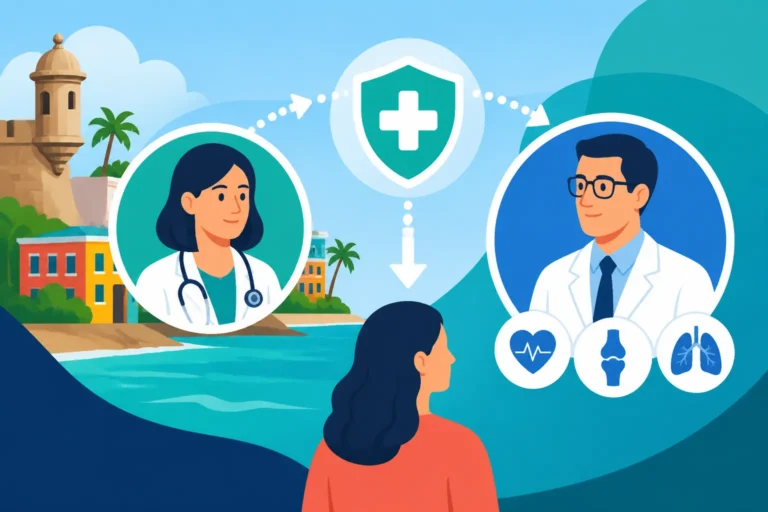
In Puerto Rico, as in the mainland, there are several tiers of mental health professionals. Understanding the difference between a psychiatrist, a psychologist, and a counselor is essential to getting the right type of help. Many people make the mistake of booking a psychiatrist when they actually want talk therapy, or vice versa. In the local culture, there is sometimes a heavy emphasis on "remedios" or medication, so being clear about your preferences for talk therapy versus pharmacological intervention is key.
If you are looking for How to Find an English-Speaking Doctor in Puerto Rico, start by searching for specialists in the San Juan metro area. Most psychiatrists here have completed at least part of their residency in the mainland U.S. and are perfectly fluent. However, their schedules are often packed, so reaching out as soon as you feel a need is better than waiting for a crisis to emerge.
Psychiatrists and Medication Management
Psychiatrists in Puerto Rico are medical doctors who specialize in mental health. They are the only ones who can prescribe medication like antidepressants, anti-anxiety meds, or ADHD treatments. If you are moving to the island with an existing prescription, you will likely need a local psychiatrist to take over your care, as many pharmacies will not fill out-of-state prescriptions for controlled substances for more than a short grace period.
The wait time for a private psychiatrist can be anywhere from one to three months for a new patient. When you do get an appointment, be prepared for the "oficina" experience—you might have a scheduled time, but it’s common to wait in the lobby for a while. This is part of the "island time" culture that you will eventually get used to. For those with international coverage, SafetyWing can be a great resource to help navigate medical emergencies that might arise while you are between permanent providers.
Psychologists and Licensed Counselors
Psychologists (Psicólogos) and Licensed Professional Counselors (LPCs) are the go-to for talk therapy. In Puerto Rico, the profession of psychology is highly respected and requires a doctoral degree for most clinical roles. You will find practitioners specializing in Cognitive Behavioral Therapy (CBT), EMDR for trauma, and family counseling. Because the island has a strong family-centric culture, family therapy is widely available and highly effective here.
When interviewing a potential therapist, don't be afraid to ask about their experience with the "expat experience." Moving to Puerto Rico involves a unique set of stressors, from the frustration of dealing with LUMA energy to the guilt of being away from family. A therapist who understands these specific island challenges will be much more effective. If you have private insurance, make sure you understand Understanding Co-Pays, Deductibles and Premiums in Puerto Rico before your first session to avoid any surprise bills.
Support Groups and Community Resources
Sometimes, the best support doesn't come from a doctor but from people who are going through the same thing. There are several expat groups on social media that organize meetups, which can act as a form of informal peer support. Additionally, organizations like NAMI (National Alliance on Mental Illness) have a presence in Puerto Rico and offer resources in both Spanish and English.
Community-based support is vital in a place where the formal system can feel slow. Many yoga studios and wellness centers in areas like Rincon or Ocean Park offer meditation groups and mindfulness workshops. While these are not a replacement for clinical care, they are an excellent supplement to help manage the day-to-day stress of island life.
Navigating Insurance and Costs for Mental Health
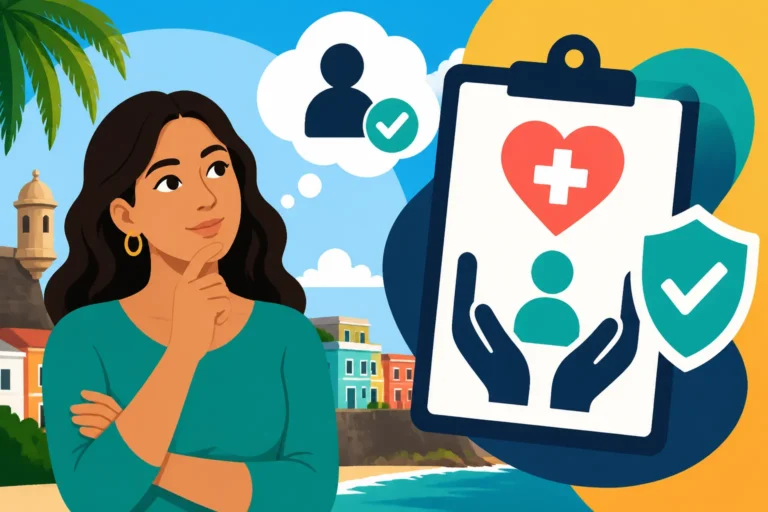
One of the biggest hurdles for newcomers is figuring out how to pay for care. If you are covered by Health Insurance in Puerto Rico: Plans, Costs and Options Explained (2026), you might find that your mental health benefits are managed by a third-party provider like APS Healthcare. This adds a layer of complexity to the referral process. Usually, you need to call the mental health number on the back of your insurance card to get a list of "in-network" providers.
The cost of care varies wildly. A co-pay for an in-network psychologist might be as low as $10 or $20, while a cash-pay session can exceed $150. For many, the ease of paying cash is worth it to bypass the bureaucracy of the insurance system. If you are using a mainland-based insurance plan, be aware that many local providers are considered "out-of-network," and you will have to pay upfront and seek a refund later. Knowing How to Claim Reimbursement from Your Health Insurer in Puerto Rico is a vital skill for anyone living here long-term.
| Type of Provider | Average Cost (Cash Pay) | Best For | Prescription Power? |
|---|---|---|---|
| Psychiatrist | $150 – $300 (Initial) | Diagnosis & Medication | Yes |
| Clinical Psychologist | $80 – $150 per hour | Talk Therapy & Testing | No |
| Licensed Counselor | $60 – $120 per hour | General Counseling | No |
| Emergency/PAS Line | Free | Immediate Crisis | No |
Using Local Private Health Plans
Most residents who are not on the government plan use Triple-S, MCS, or Humana. These plans generally have a mental health component, but you often need a referral from your primary care physician to see a psychiatrist. Psychologists sometimes do not require a referral, but it depends on your specific tier of coverage. Always call ahead to verify.
If you are a traveler or a temporary resident, your needs might be different. SafetyWing is often used by digital nomads who need a bridge between their home country's insurance and the local system. While SafetyWing is primarily for unexpected medical issues and travel-related injuries, it provides peace of mind for those who are not yet fully integrated into the local Puerto Rican health insurance market.
Out-of-Pocket Expenses and Sliding Scales
If you don't have insurance or your provider doesn't accept yours, ask about "escala móvil" or sliding scales. Some clinics and university-affiliated centers offer reduced rates based on your income. This is more common in the public or non-profit sector. In the private sector, many therapists will offer a small discount if you pay in cash (efectivo) rather than using a credit card, as it saves them processing fees.
For those moving from high-cost cities like New York or San Francisco, the out-of-pocket costs in Puerto Rico might actually seem quite reasonable. However, when compared to the local average salary, they are high. This is why many expats choose to maintain a mix of local care and remote therapy via a telehealth platform with a provider licensed in Puerto Rico.
Crisis Support and Emergency Resources
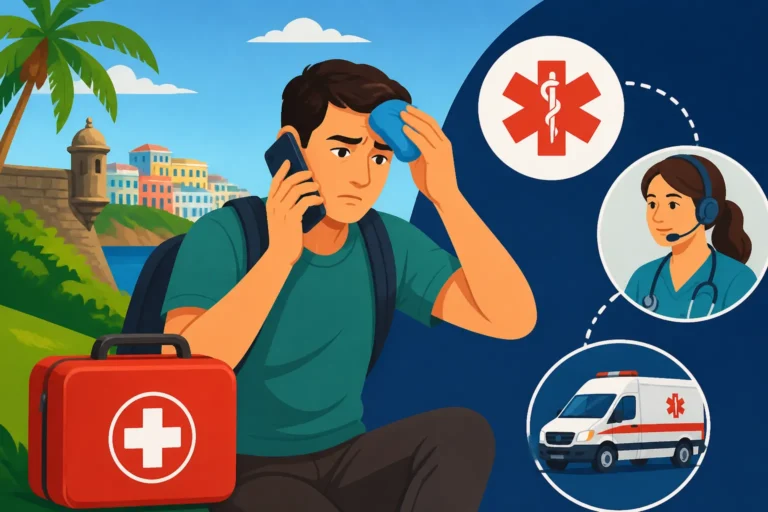
If you or someone you know is in an immediate mental health crisis, you cannot wait for a scheduled appointment. Puerto Rico has a dedicated 24/7 crisis hotline known as the Línea PAS (Programa de Ayuda Sicosocial). By calling 1-800-981-0023 (or dialing 988, the national suicide prevention line), you can speak with a trained counselor. They are equipped to handle crises ranging from severe depression to domestic violence and can help coordinate emergency services if needed.
In a true emergency where there is a risk of self-harm or harm to others, you should go to the nearest emergency room. Not all hospitals in Puerto Rico have a dedicated psychiatric wing, so it helps to know which ones do. San Jorge Children's Hospital has specialized services for youth, while hospitals like the Auxilio Mutuo or the San Juan Capestrano system are known for their behavioral health departments. Familiarize yourself with Emergency Medical Care in Puerto Rico: What Every Resident Needs to Know before you find yourself in a high-stress situation.
The San Juan Capestrano System
The San Juan Capestrano Hospital is one of the most well-known private psychiatric facilities on the island. They have several locations, including a main hospital in San Juan and various partial hospitalization programs (PHP) and intensive outpatient programs (IOP) across the island. They accept most major local and some mainland insurance plans.
If you are a tourist who experiences a mental health crisis, your travel insurance, such as SafetyWing, may help cover the costs of emergency stabilization and medical evacuation if the necessary level of care isn't available locally. It is always better to have these numbers saved in your phone as "Mental Health Emergency" just in case.
What to Expect in a Local ER
The emergency room experience in Puerto Rico can be overwhelming. Wait times are often long, and the environment can be loud and hectic. If you are seeking mental health help in an ER, you will likely be seen by a general triage nurse first, then a doctor, and finally a social worker or a psychiatrist on call.
If you are an English speaker, try to bring a bilingual friend with you to help advocate for your needs, especially during the intake process. While medical professionals are often bilingual, the administrative staff may not be. For a comprehensive look at what to expect in these settings, read The Complete Guide to Healthcare in Puerto Rico for New Residents (2027).
Practical Tips for Maintaining Your Mental Health
Living in Puerto Rico is a marathon, not a sprint. The "honeymoon phase" usually lasts about six months before the reality of power outages, bureaucratic delays, and the language barrier starts to grate on your nerves. To maintain your mental health, it is essential to build a "resiliency toolkit." This includes both professional help and lifestyle adjustments that reflect the reality of island living.
First, stay connected. Isolation is the number one driver of depression for expats. Whether it's joining a paddleboarding group in Condado or a book club in Rincon, find your "tribe." Second, be patient with yourself. You are learning a new culture and a new way of life. It’s okay to feel frustrated when the water goes out for the third time in a week. Finally, don't wait until you are at your breaking point to seek a therapist. Establishing a relationship with a provider early on will make it much easier to navigate the bigger storms later.
Disclaimer
The information provided in this guide is for informational purposes only and does not constitute professional medical or psychological advice, diagnosis, or treatment. Always seek the advice of your physician or other qualified mental health provider with any questions you may have regarding a medical condition. Never disregard professional medical advice or delay in seeking it because of something you have read in this guide. If you are in a life-threatening situation or a medical emergency, call 911 or the local crisis hotline (PAS Line at 1-800-981-0023) immediately.