How Do I Apply for a Private School Spot in Puerto Rico?
Moving to Puerto Rico, especially with children, brings a unique set of challenges and anxieties, and finding the right school for your kids often sits right at the top of that list. It's not just about academics; it's about finding a place where they'll feel safe, supported, and truly thrive in a new environment. This guide is here to walk you through the often-complex process of applying for a private school spot on the island, offering realistic insights and practical advice from someone who’s navigated these waters.
The Initial Quest: Why Private Education in Puerto Rico?
When you first arrive, or even before you land, the question of schooling inevitably comes up. Many expat families, and indeed many local families, lean towards private education, and for good reason. It’s a significant investment, both financially and emotionally, but for many, it offers a sense of stability and specific academic pathways that can be invaluable during a big relocation.
Addressing Concerns with the Public System
Let's be real: the public school system in Puerto Rico faces its own set of challenges. Infrastructure, particularly in the wake of hurricanes and seismic activity, can be a concern. Class sizes can be large, and while Spanish is the primary language of instruction, English proficiency can vary wildly between schools. For families coming from the mainland US, the curriculum might also feel quite different from what they're accustomed to. This isn't to say there aren't dedicated teachers and good public schools, but the consistency and resources can be a roll of the dice.
The desire for a more predictable educational experience is a major driving force for looking into private options. Parents often express wanting a school that feels familiar in its structure, offers a robust bilingual or English-dominant environment, and provides consistent facilities. The administrative hurdles of understanding a new system, coupled with language barriers if your Spanish isn't fluent, can add layers of stress. Choosing private can often feel like streamlining at least one major aspect of your new life.
Beyond the classroom, parents worry about the transition for their kids. Will they make friends easily? Will they adapt to the curriculum? Will they feel supported? Private schools often boast stronger parent-teacher communication channels and more resources dedicated to student integration, which can be a huge relief for families undergoing such a significant life change. It's about finding a community that actively supports both the student and the family's adjustment to island life.
Unpacking the Diverse Private School Landscape
Puerto Rico's private school landscape is surprisingly diverse, offering a range of educational philosophies, religious affiliations, and curriculum models. You'll find everything from non-denominational independent schools to Catholic schools, and those offering international baccalaureate (IB) programs, US common core, or a blend of both. This variety means there's likely a good fit for your child, but it also means the initial research phase can feel a bit overwhelming.
Some of the most sought-after private schools, particularly for expat families, are concentrated in the San Juan metropolitan area and its surrounding suburbs like Dorado. Schools such as Baldwin School of Puerto Rico in Guaynabo, St. John's School in Condado, and TASIS Dorado in Dorado are often at the top of many families' lists. These institutions typically offer English-language instruction, a US-based curriculum, and strong extracurricular programs, often with a diverse student body that includes many mainland transplants and international students. Other notable options include Colegio Marista in Guaynabo and Academia del Perpetuo Socorro in Miramar.
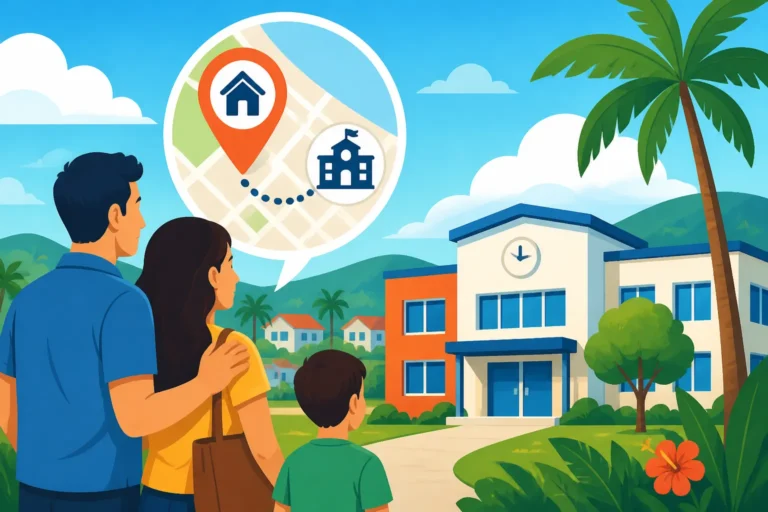
Starting your initial research is crucial. Most private schools maintain comprehensive websites where you can explore their mission, academic programs, facilities, and application timelines. Many now offer virtual tours or online information sessions, which are incredibly helpful if you're still off-island. Make sure your internet connection is solid for those video calls – something like an Airalo eSIM can be a lifesaver for reliable data when you're jumping between Wi-Fi spots or exploring the island for potential neighborhoods and schools. Don't hesitate to reach out directly to the admissions offices; they are often well-versed in assisting families relocating from the mainland and can provide invaluable guidance.
Navigating the Application Labyrinth: Step-by-Step
Once you've shortlisted a few schools, the real work of the application process begins. This can be a meticulous, detail-oriented endeavor, so organization and persistence are your best friends here. It's easy to get bogged down, but remember, every step gets you closer to finding the right place for your child.
Gathering Essential Documentation
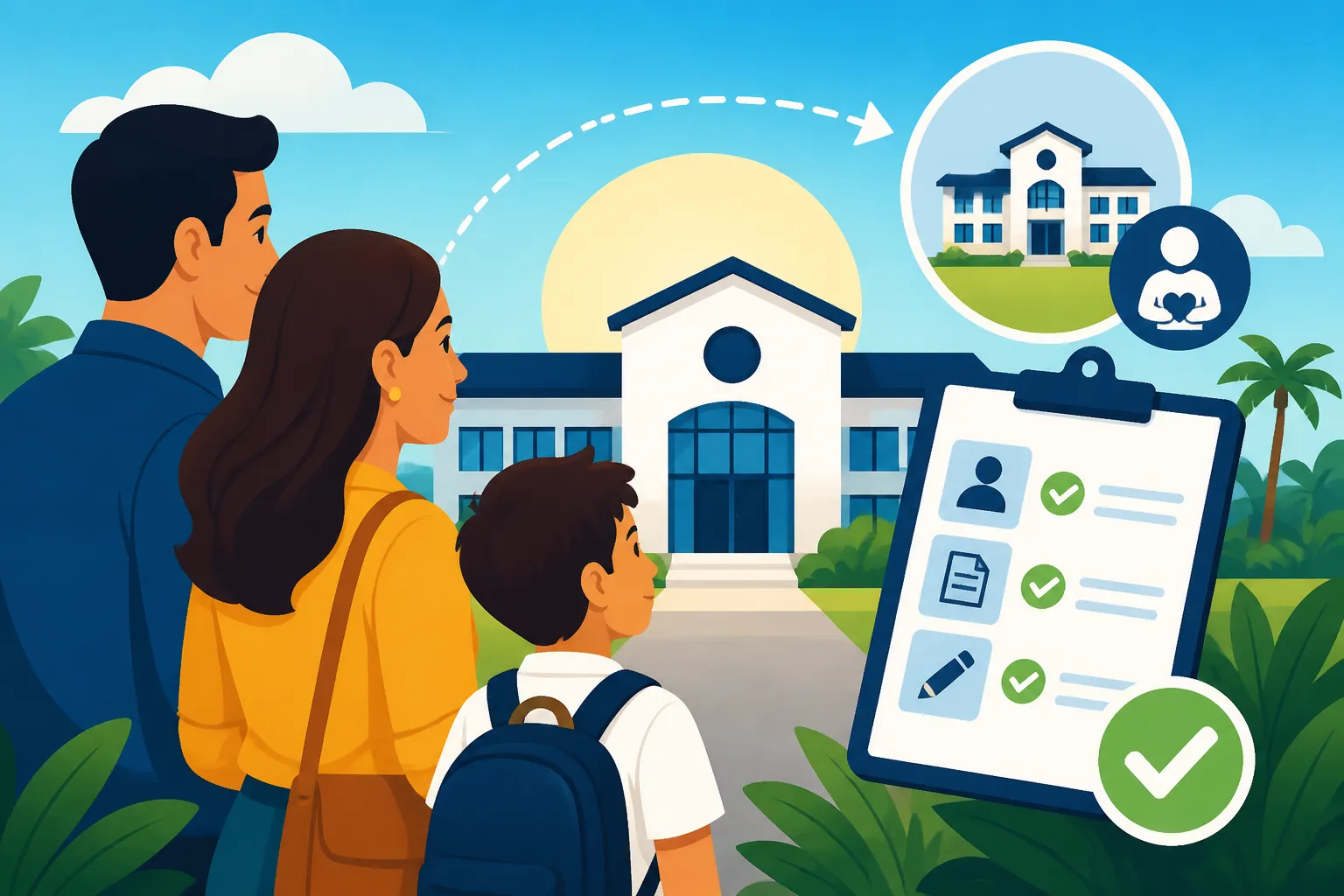
Private school applications in Puerto Rico, much like anywhere else, require a stack of paperwork. You’ll typically need official academic transcripts from your child's previous schools, often going back a few years, especially for middle and high school applicants. These usually need to be in English, or officially translated if they're from another country. You'll also need their birth certificate, often a copy of your passport or ID, and their up-to-date immunization records.
The immunization records are particularly critical. Puerto Rico has specific requirements, and you’ll want to ensure your child’s records meet these standards to avoid delays. It’s worth checking the specific vaccination requirements for children in Puerto Rico schools well in advance. Depending on the school, you might also need teacher recommendations, a personal statement from the student (for older applicants), or even a family interview. Some schools also require a recent photograph of the student.
My advice? Start collecting these documents now. Even if you're just thinking about moving, having digital copies of everything makes life so much easier. If you anticipate needing certified translations, factor that into your timeline and budget. Don't be shy about contacting the admissions office early to get a definitive checklist. They understand that relocating families have unique situations, and clear communication can prevent headaches down the line. What seems like a small missing detail can hold up the entire process, and nobody wants that.
Standardized Testing and School Assessments
Many of the top private schools in Puerto Rico require some form of admissions testing. For elementary and middle school, this might involve in-house assessments to gauge academic readiness and English proficiency. For middle and high school applicants, standardized tests like the ISEE (Independent School Entrance Examination) or SSAT (Secondary School Admission Test) are common. These tests measure verbal reasoning, quantitative reasoning, reading comprehension, and mathematics skills.
It's natural for both you and your child to feel a bit of anxiety about these tests. The key is preparation, but not over-preparation to the point of burnout. Familiarize your child with the test format and types of questions. Many resources, including practice tests, are available online. Some schools may also offer specific recommendations for test preparation. Remember, these tests are just one component of the application, and schools are looking for a well-rounded picture of your child's potential, not just a score.
Beyond standardized tests, some schools might conduct individual interviews or group assessments to evaluate social skills, critical thinking, and a student's general demeanor. This is where your child can really shine beyond test scores. Encourage them to be themselves, show enthusiasm, and engage thoughtfully. It’s not just about what they know, but how they think and interact. For international or non-native English speakers, some schools might also administer English language proficiency tests to ensure they can fully participate in the curriculum.
The Interview, Visits, and Financial Realities
Once the paperwork is in and tests are taken, the next stage often involves getting to know the school better, and for the school to get to know your family. This is a two-way street; it's your chance to assess if this is truly the right fit for your child.
Making a Strong Impression: Interviews and Campus Tours
If you're able to visit Puerto Rico for a scouting trip, a campus tour is absolutely invaluable. Walking the halls, seeing the classrooms, and observing the interactions between students and teachers gives you a visceral sense of the school's culture and environment. It's a chance to ask questions directly to admissions staff, current students, and even faculty. Don't just look at the shiny facilities; pay attention to the vibe. Do the students seem happy and engaged? Does the staff seem genuinely passionate? These are the intangibles that make a huge difference.
For your child, particularly for older students, the interview process is a chance to make a personal connection. Encourage them to articulate their interests, explain why they want to attend this particular school, and ask their own questions. Schools are looking for students who will contribute positively to their community. For younger children, the "interview" might be more of a playdate or observation session to see how they interact with peers and follow instructions.
If an in-person visit isn't feasible, many schools are adept at conducting virtual interviews and tours. Prepare for these as you would for an in-person meeting: ensure a quiet, well-lit space, test your technology, and dress appropriately. Remember, this is your opportunity to convey your family's values and your child's unique qualities. It’s also crucial for you to ask probing questions about academic support, extracurriculars, and how the school handles new students, especially those relocating from far away.
Decoding Tuition, Fees, and Financial Aid
Let's talk money, because private school tuition in Puerto Rico can be a significant investment. Annual tuition rates for the most prominent English-language private schools can range anywhere from $10,000 to over $20,000 per year, per child, with variations based on grade level. And that's just tuition. You'll also face registration fees, application fees (non-refundable, typically a few hundred dollars), technology fees, activity fees, and costs for uniforms, books, and transportation. It really adds up, so it's essential to understand the full financial commitment. For a more detailed look, check out our guide on Understanding the Cost of Private Schools in Puerto Rico.
Here’s a rough idea of what you might expect, keeping in mind these are just averages and can change year to year:
| School Type / Location | Estimated Annual Tuition Range (USD) | Additional Fees (Examples) | Curriculum Focus |
|---|---|---|---|
| Elite Independent (e.g., TASIS Dorado, St. John's, Baldwin) | $15,000 – $25,000+ | Application, registration, technology, uniforms, books, bus, lunch | US Common Core, IB, AP, Bilingual (English-dominant) |
| Mid-Tier Independent / Religious (e.g., Colegio Marista, Perpetuo Socorro) | $8,000 – $15,000 | Registration, uniforms, books, activities | US, Puerto Rico Dept. of Ed, Bilingual (Spanish-strong) |
| Specialized/Smaller Schools | $7,000 – $12,000 | Varies widely | Diverse, Montessori, specific learning needs, arts-focused |
Many private schools do offer some form of financial aid or scholarships based on need or merit. Don't assume you won't qualify; it's always worth asking and applying if you believe you meet the criteria. The application for financial aid is often a separate process, with its own deadlines and required documentation, typically including tax returns and financial statements. When you're budgeting for your move, remember to factor in these significant educational costs alongside your housing, utilities, and other living expenses. A moving company like Sirelo might help you plan the logistics and cost of relocating your household goods, freeing up some mental space to tackle the education budget.
The Waiting Game and Making Your Decision
After submitting everything and completing interviews, the hardest part for many families is the waiting game. Admissions decisions typically come out on a rolling basis or by a specific notification date in the spring for the upcoming academic year. This period can be filled with anxiety, especially if you're waiting on multiple schools. Try to have realistic expectations about timelines and understand that schools are carefully crafting their incoming classes.
Once you receive an acceptance letter, you'll usually have a limited window to accept the offer and submit a non-refundable deposit to secure your child's spot. If you've applied to several schools and received multiple offers, this is where you'll need to weigh all the pros and cons: academics, culture, location, cost, and your child's preferences. It’s a big decision that impacts their happiness and your family's overall adjustment to life in Puerto Rico.
Always have a backup plan. What if your top choice doesn't work out? What if your child isn't accepted into any of your preferred schools? It’s wise to explore all avenues, including considering a different type of private school or even re-evaluating the local public options if absolutely necessary. Flexibility and an open mind can save you a lot of stress during this period. Remember, the goal is a successful transition for your child, and sometimes the "perfect" school isn't the one you initially envisioned.
Beyond Acceptance: Settling In and Thriving
Getting that acceptance letter is a huge relief, but the journey doesn't end there. Now it's time to focus on making sure your child feels welcome, integrated, and ready to thrive in their new academic and social environment.
The Waiting Game and Enrollment Confirmation
While you might be celebrating an acceptance, remember that other families are still navigating the same "waiting game" you just finished. This period often extends beyond the initial acceptance notification, as schools manage waitlists and last-minute changes. If your child is placed on a waitlist, it’s not necessarily a rejection. Schools keep waitlists because plans can change for other accepted students, creating openings. It’s okay to politely express continued interest and inquire about your child’s position, but avoid excessive contact.
Once you’ve firmly accepted an offer and paid the deposit, you’ll typically receive a comprehensive enrollment packet. This will include details about registration, orientation dates, uniform requirements, school supply lists, and often information about parent associations and volunteer opportunities. Pay close attention to all deadlines for submitting final paperwork, health forms, and tuition payments. Missing these can jeopardize your child’s spot. For a broader perspective on getting your kids settled, our guide on How to Enroll Your Child in a Puerto Rico School might offer additional insights.
Remember, this is not just about the child; it’s about the whole family. The school will often become a central hub for your social life and community connections. Getting involved with the parent-teacher association or attending school events is a fantastic way to meet other families, particularly those who have also relocated, and build your support network on the island. This parental involvement significantly aids in both your and your child's successful integration.
Fostering Integration and Community
Once the enrollment is confirmed, the focus shifts to helping your child integrate smoothly. Private schools often have specific programs or resources for new students, such as "buddy" systems or orientation days designed to ease the transition. Encourage your child to participate in extracurricular activities like sports, clubs, or arts programs. These are excellent avenues for making new friends, discovering shared interests, and building a sense of belonging outside the academic routine.
It's important to talk openly with your child about their feelings during this transition. Moving to a new place, especially an island with its own distinct culture, can be exciting but also challenging. They might miss old friends, feel overwhelmed by a new language (even in English-speaking schools, Spanish is everywhere!), or struggle with academic adjustments. Reassure them, listen actively, and celebrate small victories. Also, remember to stay on top of the What Vaccinations Are Required for Children in Puerto Rico Schools? requirements as they might differ from your previous location.
Finally, consider the broader community around the school. Is it a family-friendly neighborhood? Are there parks, community centers, or other places where your child can socialize outside of school? Our guide on How to Find Family-Friendly Neighborhoods in San Juan could be a helpful resource in this regard. The school is a huge piece of the puzzle, but a supportive home environment and opportunities for independent exploration in their new town are just as vital for their overall happiness and sense of belonging in Puerto Rico. Creating this holistic support system is truly the secret sauce to a successful relocation for the whole family.
Disclaimer
Please note that this guide provides general information based on current understanding and common practices. School policies, tuition rates, and application procedures can change. It is always recommended to contact individual schools directly for the most accurate and up-to-date information. Neither the author nor the publisher are responsible for any decisions made based on this information.