How Do I File a Landlord Dispute in Puerto Rico?
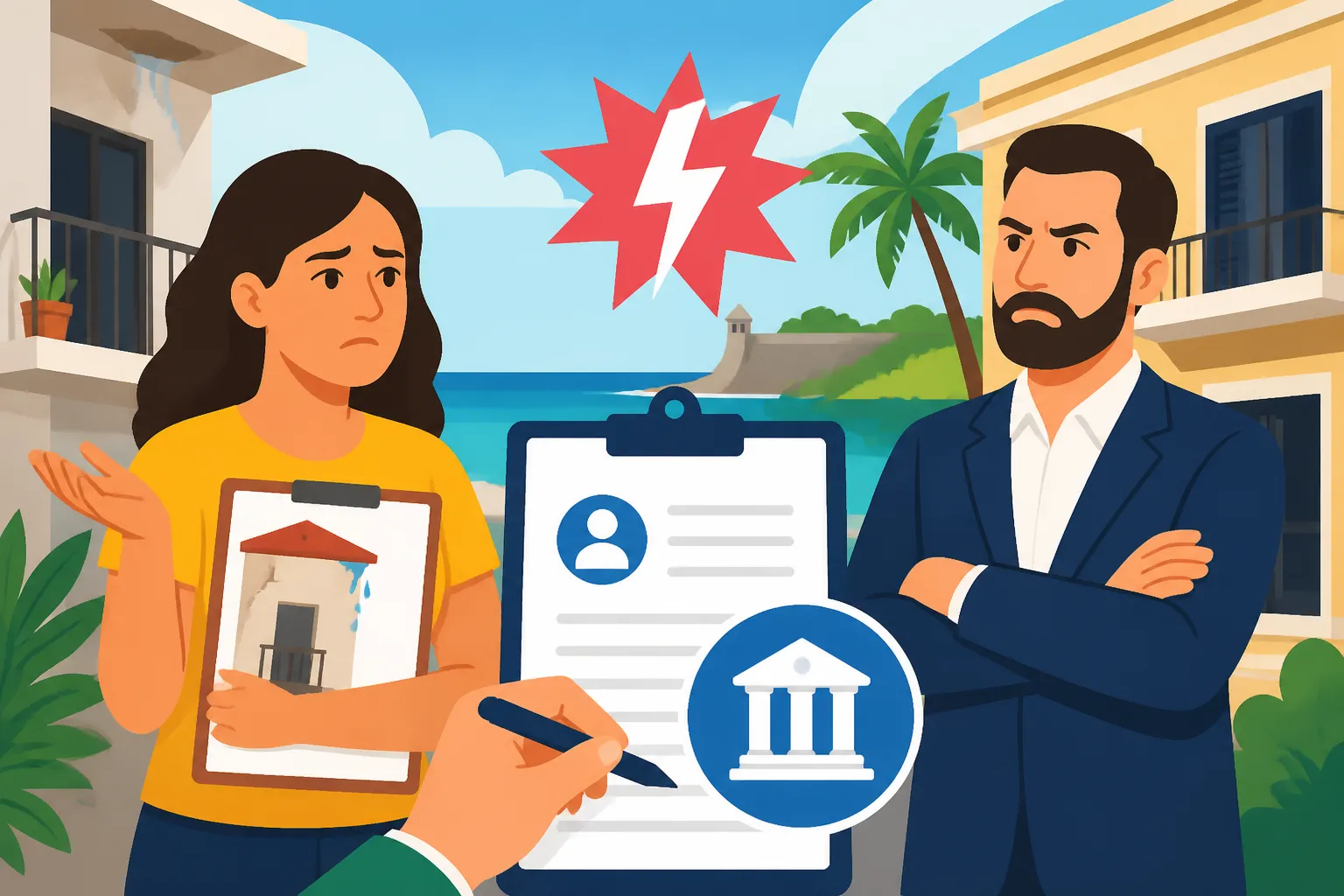
It’s a tale as old as time, or at least as old as renting: you move into a new place, excited for your fresh start in beautiful Puerto Rico, and then… problems begin with your landlord. Maybe it’s a leaky faucet that turns into a full-blown plumbing emergency, or perhaps your security deposit seems to have vanished into thin air. Whatever the issue, finding yourself in a dispute with your landlord in a new country can feel isolating and overwhelming. This guide is here to walk you through the practical steps, legal avenues, and essential advice you’ll need to navigate a landlord dispute here on the island, from a fellow expat who's learned a thing or two.
Understanding the Landscape of Tenant Rights in Puerto Rico
Moving to Puerto Rico, you quickly learn that while we're part of the US, things often operate on their own unique rhythm, and that certainly applies to legal matters like tenant rights. It's not the mainland, and assuming the rules are the same can lead to a lot of headaches.
The Legal Framework: Law 124 and Other Regulations
The cornerstone of tenant protection in Puerto Rico is generally found in Law 124, also known as the "Puerto Rico Landlord and Tenant Act" of 1999, though it's been updated and supplemented over the years. This law, along with relevant sections of the Civil Code of Puerto Rico, outlines the rights and responsibilities of both landlords and tenants. It covers crucial areas like lease agreements, security deposits, property maintenance, and eviction procedures. You'll find that while some principles resonate with common landlord-tenant laws in the mainland US, the specifics can be quite different. For instance, the conditions under which a landlord can evict a tenant are quite specific, often requiring formal, written notice and clear breaches of the lease agreement that are not remedied.
Common areas of dispute, in my experience, often revolve around repairs and maintenance, particularly after a storm or due to the tropical climate's wear and tear. Another big one is the return of security deposits. Many tenants, especially those new to the island, expect their deposit back promptly, but the legal framework here has specific timelines and permissible deductions that landlords can make. Understanding these nuances from the outset can save you a world of trouble. For more detailed information, it’s always a good idea to consult the specific provisions of How to Sign a Lease and Understand Tenant Law in Puerto Rico.
Common Landlord Issues Expats Face
As an expat, you might face an extra layer of complexity when dealing with landlord issues. Firstly, language can be a significant barrier. While many people in urban centers speak English, legal documents and casual communication with your landlord might still be predominantly in Spanish. This can lead to misunderstandings, misinterpretations of lease clauses, or simply an inability to effectively communicate your concerns. If you're communicating through a real estate agent, ensure they are translating accurately and not just summarizing.
Secondly, there can be cultural differences in how issues are approached. What you perceive as an urgent maintenance issue might be seen as less critical by a local landlord, or vice versa. The pace of repairs can also be frustratingly slow, a common complaint among newcomers. Tenants often report waiting weeks, or even months, for basic repairs. Many times, lease agreements, especially those not drafted by professional agencies, can be quite informal or lack crucial details, which then creates ambiguity when disputes arise. It’s also not uncommon to encounter landlords who are less responsive or don't adhere strictly to legal timelines for things like security deposit returns. This is why a solid understanding of What Documents Do I Need to Rent a Property in Puerto Rico? is so crucial before you even sign on the dotted line.
Initial Steps: Trying to Resolve Things Amicably (and Documenting Everything)
When a problem with your landlord first rears its head, your immediate instinct might be frustration, but it’s crucial to take a deep breath and start with a strategic approach. More often than not, issues can be resolved without resorting to formal legal action, especially if you handle the initial steps correctly.
Open Communication and Written Requests
The very first thing you should do is try to communicate with your landlord directly. However, and this is where many newcomers stumble, don't just pick up the phone. While a friendly phone call might seem like the quickest way to address a minor issue, it leaves no paper trail. You absolutely need a written record of all your communications. This means emails, text messages, or, for more serious matters, certified letters with a return receipt requested.
Your written communication should be clear, concise, and professional, even if you’re seething with frustration. Include the date, your name, the property address, and a detailed description of the problem. State what action you expect the landlord to take and, if appropriate, provide a reasonable deadline for resolution. For example, "On [Date], the refrigerator stopped working. This is a crucial appliance, and according to our lease, it's the landlord's responsibility to repair or replace it. I request that this issue be resolved by [Date – typically 3-5 business days for urgent repairs, or longer for non-urgent]." Always keep copies of everything you send, and if you send a certified letter, keep the receipt. This documentation will be invaluable if the situation escalates.
Gathering Evidence: Photos, Videos, and Correspondence
Documentation is your best friend in any landlord dispute. Before you even move in, you should have thoroughly photographed or videoed the condition of the property. This acts as a baseline. When a problem arises, immediately document it with photos and videos, noting the date and time. Did the roof start leaking? Take pictures of the leak, the water damage, and anything affected. Is there a persistent mold problem? Document its growth over time. These visual aids speak volumes and can be hard for a landlord to dispute.
Beyond visual evidence, save every piece of correspondence. This includes emails, text messages, and even notes from phone calls (documenting who you spoke to, when, and what was discussed). If you incur costs related to the dispute, such as having to eat out because the kitchen is unusable or purchasing temporary items because of a lack of a working appliance, save those receipts too. Sometimes, a landlord might ask you to arrange a repair and reimburse you; ensure you have that agreement in writing and keep all invoices. The more evidence you have, the stronger your position will be if you need to escalate the dispute. Remember, your goal here is to create an undeniable timeline and record of events, a crucial step when planning your move to Puerto Rico. You might even find services, like those offered by Sirelo, helpful in tracking details during your relocation, which can extend to careful documentation of your new living arrangements.
Formalizing Your Complaint: Options for Dispute Resolution
When direct communication falls flat and your meticulously documented evidence isn't prompting your landlord to action, it’s time to look at more formal avenues for resolving your dispute. Puerto Rico offers a few options before you have to darken the door of a courthouse.
Exploring Mediation Services
Mediation can be a fantastic middle-ground solution. It involves a neutral third party (the mediator) who helps both you and your landlord communicate effectively and reach a mutually agreeable solution. The mediator doesn't take sides or make decisions; instead, they facilitate the conversation, clarify misunderstandings, and guide you towards a resolution that works for everyone.
Mediation is generally quicker, less expensive, and less adversarial than going to court, and it often results in more creative and sustainable solutions because both parties have a hand in crafting the outcome. It's particularly useful for disputes where communication has broken down but there’s still a willingness to find a solution. You can often find mediation services through local non-profit organizations, community justice centers, or sometimes even through legal aid groups. Look for programs that specialize in landlord-tenant disputes. Be prepared to present your evidence and calmly explain your position, and also be open to hearing your landlord's perspective. It's a structured negotiation, not a fight.
Filing a Complaint with DACO (Departamento de Asuntos del Consumidor)
DACO, the Department of Consumer Affairs in Puerto Rico, is often the first formal stop for tenant-landlord disputes. Think of them as the consumer watchdog, and they have jurisdiction over many aspects of renting. Filing a complaint with DACO means you're asking a government agency to intervene.
The process typically starts by visiting a DACO office or their website to obtain and complete a complaint form. You'll need to provide all your documentation: copies of your lease, written correspondence with your landlord, photos, videos, receipts, and anything else relevant. Once filed, DACO will usually initiate an investigation. They'll contact your landlord, provide them with a copy of your complaint, and often schedule a conciliation hearing. This hearing is similar to mediation, but it's overseen by a DACO official. The goal is still to reach an agreement, but DACO has the authority to issue orders if an agreement isn't reached and they find a violation of consumer protection laws. If conciliation fails, the case might proceed to an administrative hearing, which is more like a mini-trial, where a hearing officer makes a binding decision. Keep in mind that DACO mainly deals with violations of consumer protection laws, so certain complex contract disputes might still need civil court.
Here's a quick comparison of your options:
| Feature | Amicable Resolution (Direct Communication) | Mediation (Third Party) | DACO Complaint (Government Agency) | Court Action (Litigation) |
|---|---|---|---|---|
| Cost | Free | Low to Moderate | Free (admin fees may apply) | High |
| Speed | Fastest | Moderate | Moderate to Slow | Slowest |
| Formality | Informal | Semi-formal | Formal | Very Formal |
| Outcome | Mutual agreement | Mutual agreement | Administrative decision/Agreement | Legally binding judgment |
| Enforcement | Goodwill | Often informal | DACO orders | Court orders |
| Documentation | Crucial | Highly recommended | Required | Absolutely essential |
Remember, even while pursuing formal channels, maintaining clear records and staying connected is vital. Having reliable cell service, perhaps with an eSIM from a provider like Airalo, ensures you don't miss any critical communications from DACO or your legal counsel.
When to Consider Legal Action: Navigating the Courts
Sometimes, despite your best efforts with direct communication, mediation, or even DACO, the dispute with your landlord remains unresolved. This is when the thought of legal action, specifically going to court, might start to loom large. It’s a significant step, and it’s important to understand what it entails in Puerto Rico.
Small Claims Court and Civil Actions
For disputes involving smaller monetary amounts, often up to a certain threshold (which can vary, so always check the current limit), Puerto Rico has small claims courts. These courts are designed to be more accessible to individuals, often allowing you to represent yourself without an attorney. This can be a more affordable and less intimidating option if your claim, say, for a wrongly withheld security deposit or minor property damage, falls within the small claims limit. You file a complaint, serve it to your landlord, and both parties present their case to a judge or magistrate. The process is still formal, but less complex than a full-blown civil lawsuit.
If your dispute involves a larger sum of money, complex legal issues, or if you're seeking remedies beyond monetary compensation (like forcing a landlord to perform specific repairs), then you might need to pursue a civil action in a regular court. This is a much more involved and formal process, complete with discovery, motions, hearings, and potentially a trial. This path is often protracted and demands a deep understanding of legal procedures, which brings us to the next crucial point. Understanding How Do I Get My Security Deposit Back in Puerto Rico? might become a court matter if initial attempts fail.
Seeking Legal Counsel in Puerto Rico
When you're contemplating a civil action, or even a complex small claims case, seeking professional legal counsel is almost always a necessity. Navigating the Puerto Rico court system, with its specific rules, legal precedents, and often Spanish-language proceedings, is not for the faint of heart, especially if you’re new to the island. A local attorney specializing in landlord-tenant law will be invaluable. They can assess the strength of your case, advise you on the best course of action, explain the potential costs and risks, and represent your interests in court.
Finding a good attorney usually starts with referrals, or by contacting the Bar Association of Puerto Rico (Colegio de Abogados y Abogadas de Puerto Rico) for a list of practitioners in your area of need. Interview a few attorneys to find one you feel comfortable with, who understands your situation, and whose fees are transparent. Remember to ask about their experience with landlord-tenant law specifically, and their fluency in English if that’s a concern for you. Legal fees can add up quickly, so be sure to get a clear understanding of their billing structure – whether it’s an hourly rate, a flat fee for certain services, or a retainer. It's a significant investment, but often a necessary one to protect your rights and assets in the face of a stubborn or litigious landlord. As you continue to build your life here, understanding resources like How Do I Find a Reliable Real Estate Agent in Puerto Rico can also help prevent future disputes.
Protecting Yourself Throughout the Process
A landlord dispute isn't just about legal forms and hearings; it’s also about protecting your living situation, your finances, and your peace of mind throughout what can be a stressful time. Taking proactive steps can mitigate further complications.
Understanding Eviction Protections
One of the biggest fears for any tenant in a dispute is eviction. It's crucial to understand that in Puerto Rico, landlords cannot simply kick you out. There's a legal process for eviction, and you have rights. An "illegal eviction" or "self-help eviction" (where a landlord changes locks, removes your belongings, or cuts off utilities without a court order) is unlawful. If your landlord attempts this, you can and should report it to DACO and seek immediate legal counsel.
A legal eviction typically requires a landlord to file a case in court, formally serve you with an eviction notice, and obtain a judge's order. You have the right to respond to the eviction notice and present your defense in court. It’s important not to abandon the property unless you're explicitly advised to do so by legal counsel, or if you have made arrangements to legally terminate your lease. Continuing to occupy the property, even during a dispute, can be key to maintaining your tenant rights. For those still in the early stages of establishing themselves on the island, understanding your rights from the moment you begin to consider The Complete Guide to Moving to Puerto Rico: Your First 90 Days (2027) is critical.
Maintaining Your Records and Financial Prudence
I cannot stress enough the importance of ongoing, meticulous record-keeping. Every phone call, every email, every text message, every receipt related to the dispute or your tenancy must be kept. Organize these documents systematically so you can easily access them. This includes your lease agreement, any amendments, payment records (proof you paid rent), and all your communications with the landlord, DACO, or your attorney.
Financially, be very cautious. If your dispute is over a maintenance issue that the landlord isn't fixing, you generally cannot simply withhold rent. Withholding rent, even for legitimate reasons, can lead to a legal eviction filing against you. If you're advised by legal counsel to withhold rent (which is rare), they might suggest paying it into an escrow account. This means you deposit the rent into a special bank account, showing you're willing and able to pay, but you're holding it until the landlord fulfills their obligations. This protects you from claims of non-payment. Avoid taking matters into your own hands by making significant repairs and expecting reimbursement without a clear, written agreement. This is a common misstep that can leave you out of pocket and without recourse. Being financially prudent and legally informed is paramount when it comes to Understanding the Security Deposit and Lease Process in Puerto Rico and other rental agreements here.
Disclaimer
The information provided in this guide is intended for general informational purposes only and does not constitute legal advice. Landlord-tenant laws in Puerto Rico can be complex and are subject to change. It is highly recommended to consult with a qualified attorney specializing in Puerto Rico landlord-tenant law for advice tailored to your specific situation. This guide is not a substitute for professional legal counsel.