Understanding How to Prepare Your Home for Hurricane Season in Puerto Rico
Moving to Puerto Rico means embracing a vibrant culture, stunning beaches, and a unique way of life, but it also means learning to live with hurricane season. The thought of a major storm can be daunting, especially for those who've never experienced one firsthand on an island. This guide is here to walk you through everything you need to know to prepare your home and family, offering realistic, expat-tested advice to keep you safe and your stress levels down.
Navigating Puerto Rico's Hurricane Season Landscape
Before you can truly prepare, you need to understand the rhythm of hurricane season here in Puerto Rico. It’s not just a few days of bad weather; it's a period that spans several months, requiring a shift in mindset and consistent vigilance. For newcomers, this might feel like a lot to take in, but once you grasp the basics, it becomes part of your annual routine.
Understanding the Annual Calendar and Key Storm Phases
Hurricane season in the Atlantic officially runs from June 1st to November 30th each year. While storms can pop up at any time during this window, the peak months are typically August, September, and October. This is when sea surface temperatures are warmest, providing the fuel for tropical depressions to intensify into tropical storms and, potentially, hurricanes. During these months, it feels like everyone is constantly checking the weather reports, watching for those tell-tale swirls forming off the coast of Africa.
It’s crucial to understand the different storm phases: a tropical depression, tropical storm, and then a hurricane. Each comes with increasing wind speeds and potential for damage, and the alerts escalate accordingly. We hear about "tropical storm watches" and "warnings," then "hurricane watches" and "warnings." A "watch" means conditions are possible within 48 hours, giving you time to finalize preparations. A "warning" means conditions are expected within 36 hours, and at that point, you should be hunkered down and ready. Remember, forecasting can be tricky, and storms can intensify rapidly, so it’s never wise to wait until the last minute.
Learning from the Past: Major Hurricanes and Their Impact
Puerto Rico has a long history with hurricanes, and recent memory is still heavily shaped by storms like Hurricane Maria in 2017 and Hurricane Fiona in 2022. Maria was a devastating Category 4 storm that knocked out power across the entire island for months, disrupted communications, and caused catastrophic damage to infrastructure. Fiona, while less intense in wind speed, brought torrential rains that led to widespread flooding and landslides, once again crippling the power grid and causing significant disruption. These experiences have taught us invaluable lessons about resilience, self-sufficiency, and the importance of thorough preparation.
The impact isn't just physical damage; it's also the mental and emotional toll of uncertainty, loss of essential services, and the long road to recovery. Learning about these past events isn't meant to scare you, but to underscore the reality that comprehensive preparedness isn't overkill – it's essential for peace of mind and safety. Understanding how communities responded and what vulnerabilities were exposed can help you make more informed decisions for your own household.
Fortifying Your Home's Outer Shell
Your home's exterior is the first line of defense against a hurricane’s fury. High winds, torrential rain, and flying debris can cause significant damage if your property isn't adequately prepared. It’s about more than just boarding up windows; it’s about making sure your home can withstand the elements as much as possible.
Securing Windows and Doors: The First Line of Defense
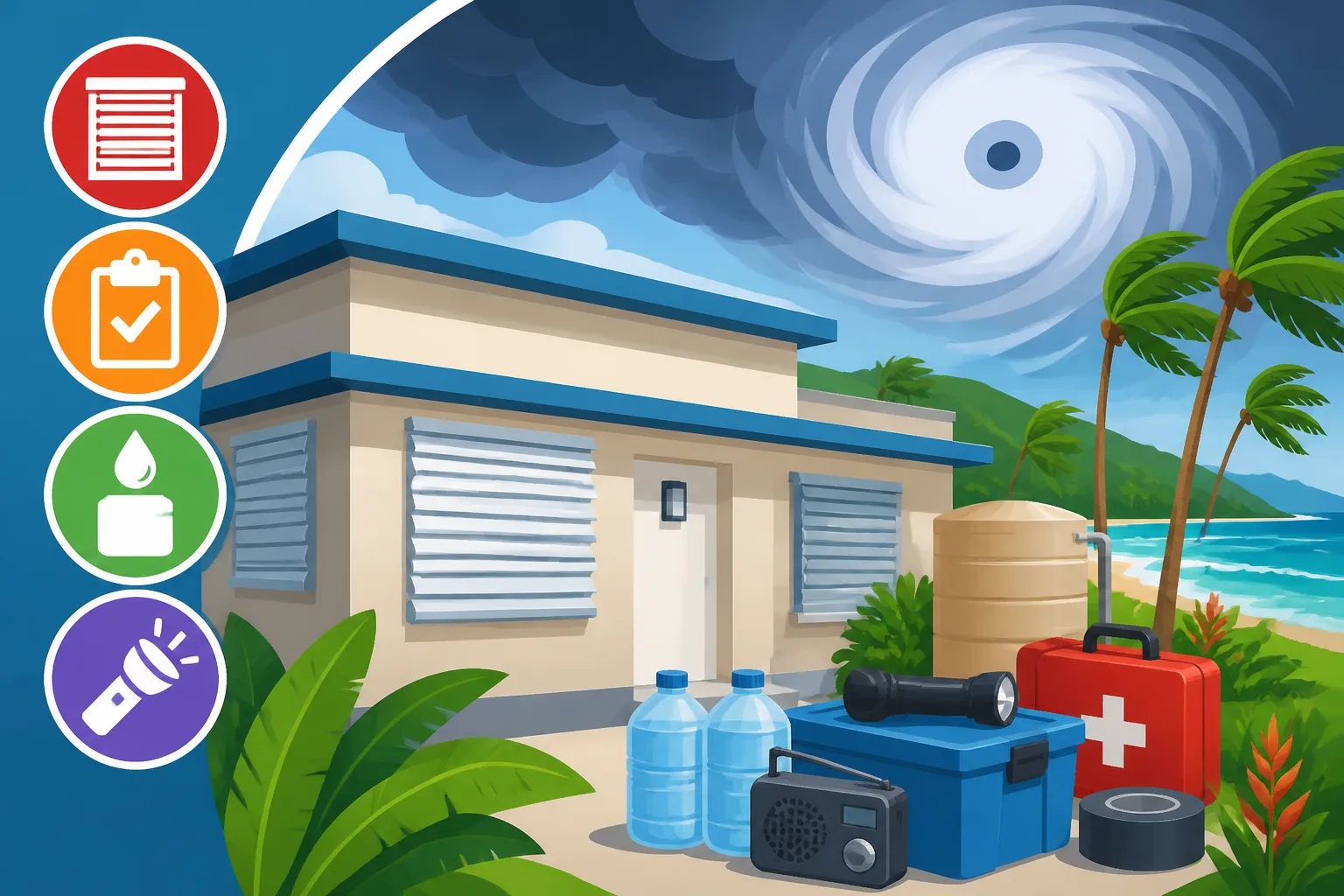
When a hurricane approaches, your windows and doors become critical weak points. Flying debris, propelled by powerful winds, can shatter glass and compromise your home's integrity, allowing wind and water to rush in. The best defense is to install hurricane shutters, which come in various forms: roll-down, accordion, or Bahama shutters. These are permanent fixtures that can be deployed quickly when a storm threatens, offering robust protection. While they are an investment, they provide unparalleled peace of mind and can significantly reduce the risk of extensive damage.
If permanent shutters aren't an option, plywood remains a reliable, albeit more labor-intensive, solution. You'll want to pre-cut pieces of at least 5/8-inch thick plywood for all windows and any glass doors. Label each piece clearly so you know exactly where it goes, and make sure you have the necessary hardware (screws, bolts, or clips) readily accessible. Practice putting them up once before hurricane season starts to ensure a snug fit and to identify any missing tools. Remember, this isn't just about protecting the glass; it's about preventing the dangerous pressure changes that occur when wind enters your home through an opening, which can literally lift your roof off.
Taming the Exterior: Yard Prep and Debris Management
Your yard, no matter how small, can become a hazard zone during a hurricane. Anything that isn't firmly attached to the ground has the potential to become a deadly projectile. This means bringing indoors or securely tying down all outdoor furniture, grills, trash cans, planters, decorative items, and even children's toys. If you have a shed, make sure it's secured and all its contents are either stored away or tied down. Trim any dead or weak tree branches that could break off and fall on your house or power lines. Consider having a professional arborist assess larger trees for hurricane readiness, especially if they are close to your home.
Gutters and downspouts also need attention. Clear them of leaves and debris to ensure proper water flow away from your home. Clogged gutters can lead to water pooling around your foundation or overflowing into your attic, causing significant water damage. If you live in an area prone to flooding, elevate valuable items off the floor in ground-level rooms or garages. Even a few inches of rising water can cause immense damage to appliances, furniture, and personal belongings. Taking these steps seriously can drastically reduce potential damage to your property.
Assessing Your Roof and Structural Vulnerabilities
The roof is often the most vulnerable part of your home during a hurricane. High winds can peel back shingles or even lift entire sections, exposing your home to massive water infiltration and further structural compromise. Before hurricane season, it's wise to have a professional inspect your roof for any loose shingles, cracks, or weak spots. Pay particular attention to the edges and corners, where wind uplift is strongest. Any necessary repairs should be made well in advance. Consider reinforcing your roof with hurricane clips or straps, especially if you live in an older home or one that hasn't been recently updated to modern building codes.
Beyond the roof, take a look at the overall structure of your home. Are there any cracks in the foundation or walls that could worsen under stress? Is your garage door, often a weak point, properly reinforced? Garage door reinforcement kits are available and relatively easy to install, preventing the door from collapsing inwards and allowing winds to enter your home. These seemingly small details can make a significant difference in how your home fares against a powerful storm. For those who recently bought property here, you might consult a local inspector or contractor to get an expert opinion on specific vulnerabilities, especially when trying to choose the best option from the various types of property ownership and titles in Puerto Rico.
Building Your Indoor Hurricane Haven
Once the exterior is secured, your attention turns indoors. This phase of preparation is all about creating a self-sufficient, safe haven within your home, anticipating the loss of utilities and ensuring your family's comfort and well-being for an extended period.
Powering Through Outages: Generators, Solar, and Battery Backups
Power outages are almost a given during and after a significant hurricane in Puerto Rico. Depending on the severity of the storm, these outages can last for days, weeks, or even months, as many experienced after Maria and Fiona. Preparing for this reality is paramount. Many residents invest in generators – either portable or whole-house systems. If you opt for a portable generator, ensure you have plenty of fuel stored safely (and away from living spaces) and understand how to operate it safely, avoiding carbon monoxide poisoning by never running it indoors or near windows. For those navigating The Newcomer's Guide to Setting Up Utilities (LUMA/AAA) in Puerto Rico, understanding the island's often-fragile grid is a crucial first step.
An increasingly popular and resilient option is solar power with battery backup systems. While a larger initial investment, these systems can provide continuous power, keeping your lights on, refrigerator running, and devices charged without needing constant refueling. If a full solar installation isn't feasible, consider smaller battery backup systems or power stations that can at least keep your essential electronics, like cell phones and a fan, running for a period. Even having fully charged power banks for your devices is a good start. Remember, if you're interested in alternative energy, there's a lot to learn about Understanding Solar Power and Backup Generators in Puerto Rico.
Water Management: Storage, Purification, and Conservation
Just like electricity, reliable running water from the tap can become scarce after a hurricane. The Autoridad de Acueductos y Alcantarillados (AAA), our water utility, can experience service interruptions due to damaged infrastructure, power outages at pumping stations, or contamination. Therefore, having a substantial supply of potable water is non-negotiable. Aim for at least one gallon of water per person per day for drinking and basic sanitation, for a minimum of seven days, but ideally two weeks. Large plastic containers, water bottles, and even your bathtub (filled just before the storm hits) can serve as storage.
Beyond storage, consider water purification methods. Water purification tablets, portable filters, or even boiling can make questionable water safe for consumption. You might also want to keep a separate supply of non-potable water for flushing toilets, if possible. During an outage, practice extreme water conservation. Don't waste precious drops on non-essential tasks. A simple but effective trick is to fill empty plastic bottles with water and place them in your freezer. Not only do they provide additional cold retention for your fridge during a power outage, but they can be thawed for drinking water.
Safeguarding Valuables and Irreplaceable Documents
In the event of flooding or severe wind damage, protecting your most valuable possessions and critical documents is vital. Gather all essential papers – passports, birth certificates, deeds, insurance policies, medical records, and important financial documents – and place them in waterproof, fireproof bags or containers. Keep these containers in a secure, easily accessible location, or even better, a small, readily portable "go-bag" if you need to evacuate quickly. Consider digitizing these documents and storing them on a cloud service or a secure external hard drive that you can also take with you.
For other valuables, if you have time and space, move them to higher ground within your home, especially if you live in a flood-prone area. Small, sentimental items can be placed in waterproof bins. It's also a good practice to take photos or videos of your home's interior and all your possessions before hurricane season starts. This visual inventory will be invaluable for insurance claims if damage occurs. Remember, while material possessions can often be replaced, irreplaceable documents are much harder to recover.
Assembling Your Essential Hurricane Survival Kit
A hurricane survival kit isn't just a collection of random items; it's a carefully curated assembly of tools and supplies designed to keep you safe, fed, and connected when services are disrupted. Think of it as your independence kit.
The Core Emergency Kit: What You Absolutely Need
At the heart of every good hurricane preparedness plan is a robust emergency kit. This kit should be ready to grab and go if you need to evacuate, or accessible enough if you're sheltering in place. It needs to contain items for several days, if not longer, especially after a major storm like Maria, where basic necessities were scarce. Here’s a quick rundown of core items:
| Category | Essential Items | Quantity/Notes |
|---|---|---|
| Water | Bottled water, water purification tablets/filter | 1 gallon per person per day (minimum 7 days) |
| Food | Non-perishable, easy-to-prepare food | Minimum 7 days supply per person (canned goods, energy bars, dried fruit) |
| First Aid | Comprehensive first aid kit, prescription medications, pain relievers | At least a 7-day supply of prescriptions, topical antiseptics, bandages, etc. |
| Lighting | Flashlights, headlamps, extra batteries, glow sticks | Multiple sources, enough batteries for extended use |
| Communication | Battery-powered or hand-crank radio, fully charged power banks, whistle | NOAA weather radio, portable chargers for phones |
| Sanitation | Wet wipes, hand sanitizer, garbage bags, feminine hygiene products | Basic hygiene is crucial even without running water |
| Tools | Multi-tool, wrench to turn off utilities, can opener | Useful for minor repairs and accessing food |
| Documents | Waterproof bag with copies of important papers, cash | IDs, insurance, medical records, deeds, at least $200 in small bills |
| Comfort | Blankets, sleeping bags, extra clothing | Essential for comfort, especially if temperatures drop after heavy rain |
Beyond this list, think about the specific needs of your family, including infants, elderly members, or those with disabilities. Pack diapers, formula, special dietary foods, or extra medical equipment as needed. Having enough cash in small denominations is also crucial, as ATMs and credit card machines will likely be inoperable after a widespread power outage.
Food, Water, and Health: Sustenance and Medical Preparedness
We've touched on water, but let's dive deeper into food and health. For food, prioritize non-perishable items that require no cooking, refrigeration, or special preparation. Canned goods like tuna, chicken, beans, and vegetables are excellent. Don’t forget a manual can opener! Protein bars, dried fruits, nuts, and peanut butter are also great options for sustained energy. Remember that while a quick snack might hold you over for a few hours, you'll need calorie-dense foods for sustained periods without regular meals. For new residents, learning about the local grocery stores and stocking up ahead of time is critical.
Medical preparedness extends beyond just a basic first aid kit. Ensure you have at least a 7 to 14-day supply of all prescription medications for every family member. Pharmacies may be closed or unable to operate due to power outages or damaged infrastructure. It's often a good idea to speak with your doctor before hurricane season to see if you can get an emergency refill or a slightly larger supply. Over-the-counter medications for pain relief, allergies, stomach issues, and fever are also vital. Don't forget any specialized medical equipment, like glucometers or nebulizers, and their power sources. Understanding Emergency Medical Care in Puerto Rico: What Every Resident Needs to Know is a crucial part of your overall health strategy here.
Staying Connected: Communication and Information Tools
During a hurricane, communication can be severely disrupted. Cell towers might go down, internet cables might be severed, and landlines can cease to work. A NOAA weather radio, preferably battery-powered or hand-crank, is your lifeline to official storm updates and emergency broadcasts from authorities. Make sure it's tuned to the correct frequencies. For keeping your phone charged, portable power banks are a must-have, and ideally, have multiple fully charged units. Consider a car charger if you have a vehicle, as your car can act as a giant battery.
If you have family off-island, you might explore options for international connectivity in case local networks are completely out, though this is rare. Services like Airalo, which provides eSIMs for various countries, could be considered if your plan involves potential travel off-island to family or if your device supports it and you anticipate a need for alternative connectivity. However, the primary focus should be on local solutions. Having a printed list of emergency contacts, including family, friends, doctors, and insurance agents, is also essential, as you won't be able to rely on your phone's contact list if it's dead.
Crafting Your Family's Hurricane Action Plan
Having supplies is one thing, but knowing exactly what to do and when to do it is another. A well-thought-out family action plan can reduce panic and ensure everyone knows their role and the steps to take when a storm threatens.
Evacuation Strategies: Knowing When and Where to Go
Deciding whether to evacuate or shelter in place is one of the most critical decisions you'll make. Official authorities, through local media and emergency alerts, will issue evacuation orders for specific zones, particularly coastal areas or those prone to severe flooding. If an evacuation order is given for your area, do not hesitate to leave. Staying behind could put your life and the lives of emergency responders at risk. Know your designated evacuation routes well in advance, and have a backup route in mind. Roads can become impassable quickly due to flooding, downed trees, or debris.
If you decide to evacuate, know where you're going. Do you have family or friends in a safer, higher-elevation area of the island or even off-island? If you're considering going off-island, remember that flights fill up and prices soar rapidly as a storm approaches. Have a bag packed with essentials, critical documents, and medications ready to go. Even if you plan to stay, identify the safest room in your home – typically an interior room on the lowest floor, away from windows – where your family can shelter during the worst of the storm.
The Vital Communication Plan for Your Household
In the chaos of a hurricane, maintaining contact with loved ones can be challenging. Develop a family communication plan long before a storm hits. Designate an out-of-state contact person who all family members can check in with. It’s often easier to make long-distance calls than local calls during an emergency. Make sure everyone knows this contact's number by heart or has it written down. Teach children how to contact this person and what to say. Establish check-in times and locations if you get separated.
Text messages often get through when phone calls won't, so use text for quick updates. Be mindful that cell towers might be overloaded or damaged, so patience is key. For those with special needs or elderly family members, ensure their caregivers or local contacts are part of this plan and know how to assist. When you first move here, setting up a mobile phone plan in Puerto Rico and understanding local communication quirks is essential for daily life, but doubly so for emergencies.
Reliable Information Sources During a Storm
During a hurricane, rumors and misinformation can spread like wildfire, adding to anxiety. It is absolutely crucial to rely only on official, trusted sources for information. This includes:
- National Weather Service (NWS) San Juan: They provide the most accurate and up-to-date weather forecasts and warnings for Puerto Rico.
- Puerto Rico Emergency Management Agency (NMEAD): The local agency responsible for emergency declarations, evacuation orders, and recovery efforts.
- Local Radio Stations: Many local radio stations will switch to 24/7 hurricane coverage, providing critical updates in both Spanish and English. Have a battery-powered radio handy.
- Television News: Local TV channels will also provide extensive coverage.
- Social Media (Official Accounts): Follow the official accounts of NWS San Juan and NMEAD on platforms like X (formerly Twitter) or Facebook for real-time alerts, but always cross-reference with other official sources.
Do not trust unofficial sources or forwarded messages unless they can be verified. Panic buying and unnecessary actions can result from unverified information. Stay calm, stay informed, and trust the experts.
Navigating the Aftermath: Recovery and Rebuilding
The hurricane may pass, but the challenges often continue long after the winds die down and the rain stops. The post-storm period requires patience, caution, and a methodical approach to recovery.
Immediate Post-Storm Safety and Damage Assessment
Once the storm has passed and official channels declare it safe to venture out, prioritize safety above all else. Do not rush outside immediately if it's still raining heavily or winds are high. Be aware of potential hazards: downed power lines (treat all of them as live), gas leaks (if you smell gas, evacuate immediately and report it), unstable structures, and flooded areas. Watch out for sharp debris and broken glass. Wear sturdy shoes and gloves.
Before fully re-entering your home, check for structural damage. If your home appears unstable or has significant damage, do not go inside until it has been deemed safe by a professional. If safe to enter, proceed with caution. Take photos and videos of any damage before you start cleaning up or making repairs. This documentation is critical for insurance claims. Open windows and doors to air out your home, especially if there has been water intrusion, to prevent mold growth.
Documenting Losses for Insurance and Aid
This is where your pre-storm preparation of photos and videos comes in handy. Document everything. Take close-up shots of damaged items and wide shots of affected rooms. Don't throw anything away until your insurance adjuster has seen it or instructed you to do so. Make a detailed list of all damaged or lost items, including estimated values if possible. Contact your insurance company as soon as you can, recognizing that call volumes will be extremely high. Having your policy number and contact information readily available in your waterproof document bag will save you precious time and frustration.
Be prepared for a potentially lengthy process. Insurance adjusters will be overwhelmed, and it may take time for them to reach your property. Follow their instructions carefully, and keep detailed records of all communications, claim numbers, and expenses incurred for temporary repairs or living arrangements. Understanding How to Buy Property in Puerto Rico: The Full Guide (2026) often includes a deep dive into insurance requirements, which is a crucial read for homeowners.
Accessing Community Support and Resources
Puerto Rico's communities are incredibly resilient and often come together in the wake of a storm. Local aid organizations, government agencies like FEMA (for eligible residents), and numerous non-profits will mobilize to provide assistance. This can include food, water, temporary shelter, medical aid, and even basic cleanup supplies. Keep an eye on local news and official announcements for information on distribution points and aid centers. Don't be afraid to ask for help; it's why these resources exist.
For newcomers, this might be a good time to engage with your neighbors and local community groups. Establishing these connections before a storm can provide a vital support network when it's needed most. You might also find information on local resources through community pages or groups online. Remember, even if you are self-sufficient, there are always ways to support your community, whether through volunteering time, donating supplies, or simply checking in on vulnerable neighbors.
Disclaimer
The information provided in this guide is for general informational purposes only and does not constitute professional advice. While we strive to provide accurate and up-to-date information, hurricane preparedness strategies and regulations can change. Always consult with relevant local authorities, emergency management agencies, insurance providers, and qualified professionals for advice tailored to your specific situation and property. Hurricane conditions are dangerous; prioritize safety and follow all official warnings and evacuation orders.