Understanding Property Valuation and Mortgages in Puerto Rico
Moving to Puerto Rico and dreaming of owning a piece of this beautiful island is an exhilarating prospect, but the path to homeownership can often feel like navigating a dense jungle. Between understanding how your dream home is actually valued here and deciphering the local mortgage system, it's easy to get overwhelmed. This guide is here to walk you through the nuances of property valuation and securing a mortgage in Puerto Rico, ensuring you have a clear roadmap to purchasing your slice of paradise.
Demystifying Property Valuation in Puerto Rico
When you first start looking at homes, you'll see a listing price, but that's just the beginning. Understanding how a property is truly valued in Puerto Rico, beyond what a seller is asking, is absolutely crucial. This isn't just about haggling; it's about making sure your investment is sound and that lenders are willing to back it.
What is Property Valuation and Why It Matters
Property valuation, in essence, is the process of determining a property's market value. This isn't an exact science, but rather an informed estimate of what a willing buyer would pay a willing seller in an open market. For us newcomers, it’s vital because the market here can behave differently than what you might be used to on the mainland. A property's value affects everything from its sale price to property taxes (or contribuciones, as they're known locally through CRIM, the Municipal Revenues Collection Center) and, most importantly for this discussion, how much a bank is willing to lend you.
It's easy to fall in love with a property, especially with the stunning views and unique architecture you find across the island, from the colorful streets of Old San Juan to the tranquil beaches of Rincón. However, emotional attachment can cloud judgment. A professional valuation provides an objective assessment, protecting you from overpaying and ensuring that the property aligns with your financial goals. It's the critical first step in truly understanding the worth of what you're buying.
Key Factors Influencing Property Value on the Island
So, what exactly drives property values here? It's a combination of universal real estate principles and some distinctly Puerto Rican nuances. Location, as always, is paramount. A beachfront villa in Dorado, with its pristine shores and exclusive communities, will command a vastly different price than a charming but inland home in Caguas. Beyond the obvious, the condition of the property, its age, recent renovations, and the size of the lot all play significant roles. Remember, older homes, while often brimming with character, might require more upfront investment in repairs or upgrades.
Then there are the unique factors: hurricane resilience, for instance, has become a major consideration. Properties with sturdy construction, updated roofs, storm shutters, or even solar power systems are often viewed more favorably. Access to reliable utilities, especially electricity (thanks, LUMA!) and water (AAA), can also sway a valuation. You'd be surprised how much peace of mind factors into perceived value. Proximity to good schools, major highways, hospitals, and commercial centers also boosts desirability, particularly in metropolitan areas like San Juan, Guaynabo, and Bayamón.
The Appraisal Process and What Impacts Value
Once you've zeroed in on a property and made an offer, the appraisal becomes the linchpin for your mortgage approval. It’s an independent assessment, usually ordered by your lender, to ensure the property’s value supports the loan amount. This step can feel like holding your breath, as it often determines whether your dream home remains just that or becomes a reality.
Understanding the Role of a Licensed Appraiser
In Puerto Rico, just like on the mainland, a licensed appraiser is a crucial third party in your home-buying journey. These professionals are trained to provide an unbiased estimate of a property's market value. They don't work for you or the seller; they work for the bank (or whomever ordered the appraisal) to protect the lender's investment. Their process involves a thorough inspection of the property, inside and out, taking into account its physical characteristics, structural integrity, and any improvements or deficiencies.
The appraiser will meticulously compare your potential home to recently sold properties that are similar in size, age, condition, and location—these are known as "comparables" or "comps." This market analysis is critical for establishing a fair market value. Sometimes, especially in less developed areas or unique properties, finding good comparables can be challenging, which might lead to delays or a lower-than-expected valuation. It’s a moment where you might feel a bit of frustration, but remember, their job is to be objective and protect all parties involved.
Common Appraisal Challenges and Discrepancies
It’s not uncommon for an appraisal to come in lower than the agreed-upon purchase price, which can throw a wrench in your plans. When this happens, it presents a challenge. The bank will typically only lend based on the appraised value, not the purchase price. So, if the appraisal is low, you either have to negotiate with the seller to lower the price, come up with extra cash to cover the difference, or walk away from the deal. It's a tough spot to be in, but it highlights the importance of not getting too far ahead of yourself before the appraisal is complete.
Other challenges can include properties with non-permitted additions or structures, which can significantly complicate valuation and even financing. Older homes, or those that have suffered hurricane damage, may also present issues if not properly repaired and documented. Additionally, properties in flood zones, especially common along the coast, will require special flood insurance, which can impact the overall cost and, indirectly, the perceived value by lenders. It’s always a good idea to discuss these potential issues with your real estate agent upfront. When you're managing your relocation and getting all your affairs in order, keeping track of every detail can be tough, but tools like Sirelo can help organize your moving logistics, making sure you don't miss these critical steps when dealing with property.
Navigating Mortgages in Puerto Rico for Newcomers
Alright, you've found your dream home, the valuation looks good, now comes the big one: the mortgage. Getting a home loan in Puerto Rico as a newcomer can feel like a labyrinth, even for US citizens. While the financial systems are similar to the mainland, there are local specificities and a definite need for patience.
The Mortgage Application Process Step by Step
The mortgage application process generally starts with pre-qualification or pre-approval. This is where you provide your financial information—income, assets, debts, credit score—to a lender who then gives you an estimate of how much you can borrow. Getting pre-approved is a powerful step, as it shows sellers you're serious and capable. It also gives you a realistic budget to work with.
Once you have an accepted offer on a property, you move to the full application. This involves a mountain of paperwork, including tax returns, pay stubs, bank statements, and often, explanations for any discrepancies in your financial history. Lenders will also order the appraisal and a title search to ensure there are no legal claims or liens against the property. This due diligence can take time, sometimes weeks, so being organized and responsive with documents is key. Communication can be tricky when you're settling into a new place and your phone service isn't fully set up yet. Consider getting a local eSIM from a provider like Airalo to ensure you have consistent connectivity for all these crucial calls and emails. Remember, the more prepared you are with your documents, the smoother this process can be, though "smooth" is often relative in the Caribbean. For more on this, you might find "How to Get a Mortgage to Buy a Home in Puerto Rico" a helpful read.
Required Documentation and Credit Considerations
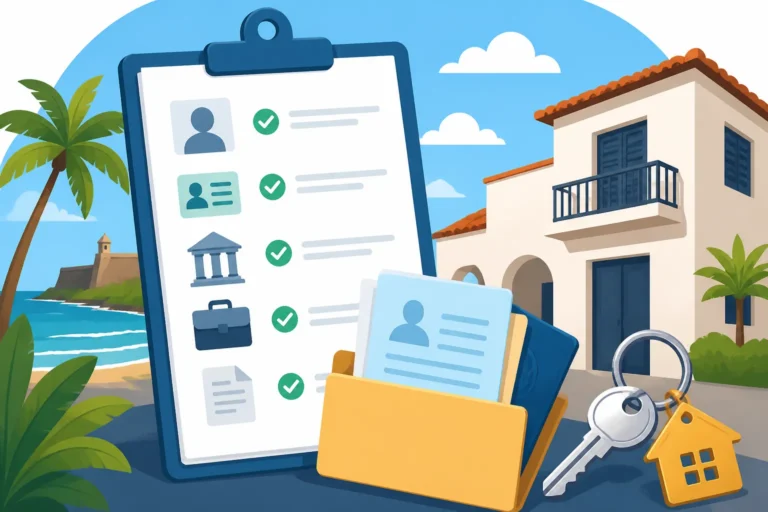
When applying for a mortgage here, lenders will scrutinize your financial history, looking for stability and reliability. You'll need proof of income, typically W-2s or tax returns for the past two years if you're employed, or more extensive financial statements if you're self-employed. Bank statements are essential to show your assets and liquidity for the down payment and closing costs. If you're coming from the mainland, be prepared to provide documentation for your credit history. While US credit scores are generally recognized, lenders here may also look for local financial ties, or "closer connections" as they are sometimes called in a broader residency context.
For credit, it’s not just about having a good score; it's about having demonstrated credit. If you’ve only ever rented or used cash, you might find it harder to qualify. Some local banks, however, are more accustomed to working with individuals who might have less conventional credit histories, especially if you can demonstrate a strong financial standing and local banking relationships. It's a good idea to get your financial ducks in a row well before you start looking at homes. For instance, knowing "The Newcomer's Guide to Opening a Bank Account in Puerto Rico" can be a solid foundation.
Types of Mortgages and Local Lenders
Just like on the mainland, Puerto Rico offers various mortgage products, each with its own advantages and disadvantages. Knowing your options and understanding the local lending landscape will empower you to make the best financial decision for your new home.
Conventional, FHA, VA, and USDA Loans
Most mortgages you'll encounter in Puerto Rico fall into a few familiar categories. Conventional loans are the most common, offered by private lenders and not backed by the government. They typically require a good credit score and a down payment of at least 3% to 20% or more, depending on the lender and your qualifications. If you put less than 20% down, you'll generally need to pay Private Mortgage Insurance (PMI).
FHA loans, backed by the Federal Housing Administration, are a popular option, especially for first-time homebuyers or those with lower credit scores. They often require a smaller down payment (as low as 3.5%) but come with mandatory mortgage insurance premiums (MIP). VA loans, for eligible veterans and service members, are fantastic as they often require no down payment and no PMI. Finally, USDA loans are available for properties in eligible rural areas, also offering 100% financing, though these are less common in Puerto Rico's more densely populated areas. Each of these has specific criteria, and it's worth exploring if you might qualify.
Major Mortgage Lenders in Puerto Rico
When it comes to local lenders, you’ll find a mix of familiar names and local powerhouses. Banco Popular de Puerto Rico is, without a doubt, the largest and most prominent bank on the island, and they handle a significant portion of mortgage lending. They have a widespread branch network and are generally accustomed to working with both local residents and newcomers. Oriental Bank is another major player, known for its customer service and competitive products. You'll also find smaller, more regional banks and credit unions (cooperativas) that might offer tailored programs or more personalized service, though their requirements can sometimes be more stringent for new residents.
It's absolutely essential to shop around. Don't just go with the first lender you speak to. Rates and terms can vary significantly. Take the time to meet with several lenders, discuss your specific financial situation, and compare their offers. Some may specialize in certain loan types or have a smoother process for mainland transplants. While navigating lenders, remember you're also navigating a new place, so knowing the ins and outs of "Banking in Puerto Rico: A Complete Guide for Newcomers" is a must.
Qualifying for a Mortgage: Key Factors
Getting approved for a mortgage isn't just about finding a lender; it's about demonstrating to them that you're a reliable borrower. Several key factors weigh heavily in their decision-making process, and understanding these can help you prepare effectively.
Income Stability and Debt-to-Income Ratio
Lenders want to see a consistent and reliable income stream. This usually means two years of steady employment in the same field or similar roles. If you're self-employed, they'll want to see a longer history, typically two to three years of tax returns, along with profit and loss statements. Any gaps in employment or significant career changes might require additional explanation and documentation. The goal is to prove you have the ongoing capacity to make your mortgage payments.
Your debt-to-income (DTI) ratio is another critical metric. This is the percentage of your gross monthly income that goes towards paying your monthly debt payments. Lenders typically look for a DTI of no more than 43%, though this can vary. This includes your proposed mortgage payment, car loans, student loans, credit card minimums, and any other recurring debts. A high DTI can signal to lenders that you might be stretched too thin financially, making you a higher risk. Before you even start looking, sit down and calculate your DTI. If it's on the higher side, focus on paying down existing debts.
Credit History and Score Requirements
Your credit history is essentially your financial report card, and a good score is paramount for securing favorable mortgage terms. Lenders in Puerto Rico will typically pull your credit report from the major credit bureaus (Equifax, Experian, TransUnion) and use FICO scores. Generally, you’ll need a score in the mid-600s or higher for FHA loans, and higher, often 700+, for conventional loans to get the best rates. A lower score might still get you a loan, but it will likely come with a higher interest rate and potentially a larger down payment requirement.
If you’re a newcomer and your credit history is mostly from the mainland, ensure it’s easily accessible and verifiable. Sometimes, there can be hiccups in transferring or accessing mainland credit data, so address this early. It's also worth noting that having a long-standing history of managing credit responsibly, not just a high score, is valued. Any bankruptcies, foreclosures, or significant delinquencies in your recent past will raise red flags and make the approval process much more difficult, if not impossible. For a broader financial picture, understanding "How Much Is the Down Payment for a House in Puerto Rico?" is a good complement.
The Mortgage Closing Process and Associated Costs
You’ve navigated the valuation, secured pre-approval, found your property, and survived the application. Now, you’re on the home stretch: closing. This is where everything comes together, and the property officially becomes yours. But don't pop the champagne just yet – there are still a few hurdles and, of course, a handful of costs to consider.
What Happens at Closing in Puerto Rico
The closing process in Puerto Rico involves several parties: you (the buyer), the seller, your real estate agent, the seller's agent, representatives from the mortgage lender, and most importantly, a notary public. Unlike some mainland states where an attorney handles closing, in Puerto Rico, a notary public (who is also an attorney) is central to the transaction. They prepare and review all legal documents, witness signatures, and ensure the transaction complies with local laws. This crucial step is called the otorgamiento de la escritura pública or the execution of the public deed.
At closing, you’ll sign a plethora of documents, including the mortgage note, the deed of sale, and various disclosures. Funds will be transferred from your lender to the seller, and you’ll hand over your down payment and closing costs. Once all documents are signed, the keys are yours! It's a formal and often lengthy process, so be prepared to spend a few hours signing, and don’t be afraid to ask questions about anything you don’t understand. This is your investment, and you deserve clarity.
Understanding Closing Costs and Fees
Beyond your down payment, closing costs are the additional expenses you'll incur to finalize the purchase and mortgage. These can typically range from 3% to 7% of the loan amount, sometimes more, and can catch newcomers off guard if not properly budgeted for. It’s definitely an area where having a clear understanding of "How Much Are the Closing Costs to Buy a Home in Puerto Rico?" is essential.
Here’s a breakdown of common fees you might encounter:
| Fee Type | Description | Estimated Cost (as % of loan) |
|---|---|---|
| Origination Fee | Charged by the lender for processing the loan. | 0.5% – 1.5% |
| Appraisal Fee | Cost for the independent property valuation. | $400 – $800 |
| Title Search & Insurance | Ensures clear title; protects against future claims. | 0.5% – 1.0% |
| Notary Fees | For the notary public preparing and executing legal documents. | 0.5% – 1.0% |
| Recording Fees | To officially register the deed and mortgage with the Property Registry. | 0.25% – 0.5% |
| Survey Fee | To verify property boundaries and identify any encroachments. | $300 – $700 |
| Prepaid Expenses | Includes initial property taxes, homeowner's insurance, and potentially flood insurance premiums. | Varies significantly |
It's crucial to get a detailed breakdown of these costs from your lender and real estate agent early in the process. Ask for a Loan Estimate (LE) and, eventually, a Closing Disclosure (CD), which will outline all these expenses. Being prepared for these costs is vital to avoid any last-minute financial surprises. It's also worth remembering that homeowner's insurance, and potentially "Understanding Flood Zones and Hurricane Insurance in Puerto Rico," are not just fees but critical protections for your investment.
Post-Closing Steps and Property Registration
Once the ink is dry and the keys are in your hand, there are still a few administrative loose ends to tie up. The notary public is responsible for registering the deed and mortgage in the Property Registry, which is crucial for establishing your legal ownership. This process can take a few weeks or even months, but your ownership is legally secured from the moment the deed is executed.
You'll also need to transfer utilities into your name, including electricity with LUMA Energy and water with the AAA (Acueductos y Alcantarillados). This can be a bureaucratic headache, but it’s part of the process. Make sure to update your mailing address with all relevant parties, including your bank, employer, and any federal agencies. And finally, don’t forget to file your property with CRIM for property tax purposes, although the notary will often assist with the initial registration. Congratulations, you’re officially a property owner in Puerto Rico! Now you'll truly understand "Understanding Property Ownership and Titles in Puerto Rico."
Disclaimer
The information provided in this guide is for general informational purposes only and does not constitute financial, legal, or real estate advice. While we strive to provide accurate and up-to-date information, laws, regulations, and market conditions in Puerto Rico can change. It is essential to consult with qualified local professionals, such as real estate agents, mortgage brokers, attorneys, and financial advisors, before making any decisions related to property valuation or mortgages in Puerto Rico.